Why Does the Base Fabric Matter in Custom Synthetic Leather?
Many buyers blame coating quality when synthetic leather cracks.
But in 90% of cases, the real culprit is the base fabric—chosen incorrectly.
Understanding fabric structures lets you pick the right performance for your product.
The base fabric controls tensile strength, tear resistance, elasticity, dimensional stability, and even long-term durability. Using the wrong fabric type can ruin the performance of an otherwise excellent PVC or PU coating.
The base fabric is the backbone of synthetic leather. While the surface coating provides appearance, texture, and color, the base fabric determines how the leather behaves under stress. A sofa that sags, a shoe upper that stretches out of shape, or a bag strap that breaks—they are often the direct result of using the wrong base fabric.
A strong woven base fabric supports heavy-duty use, while knitted base fabrics offer elasticity for shoes and apparel. Meanwhile, non-woven fabrics provide stable structure for furniture and automotive interiors. Simply put: the coating makes it look nice, but the base fabric makes it work.
This is why at ZD Leather, we always ask customers for their application, strength requirements, and performance expectations before recommending any synthetic leather solution.
What Is the Difference Between Woven, Knitted, and Non-Woven Base Fabrics?
Woven Fabric Base
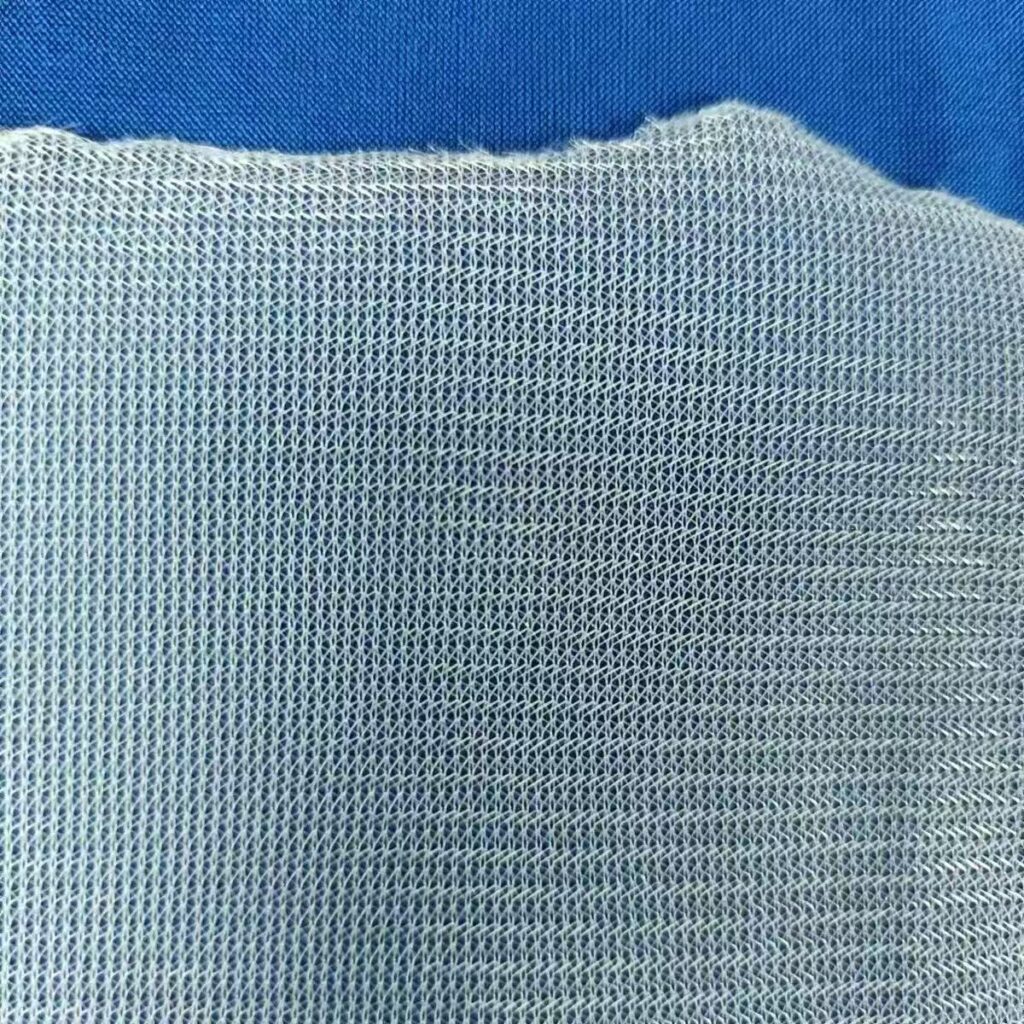
Need strength but choose a stretchy base? Disaster.
Imagine a bag handle slowly becoming a jump rope.
Woven fabrics provide stable strength and low stretch.
Woven bases are strong, durable, low-stretch, and ideal for products needing dimensional stability.
Woven fabrics are created by interlacing yarns vertically and horizontally, forming a firm and stable structure. They offer higher tensile strength and resistance to deformation compared with knitted or non-woven bases. This makes them perfect for applications like luggage, belts, automotive interiors, work shoes, and products requiring structural support.
Woven bases typically cost slightly more, but the payoff is reliability. If your product carries weight, needs a crisp shape, or must resist long-term stretching, woven fabric is your safest option.
Knitted Fabric Base
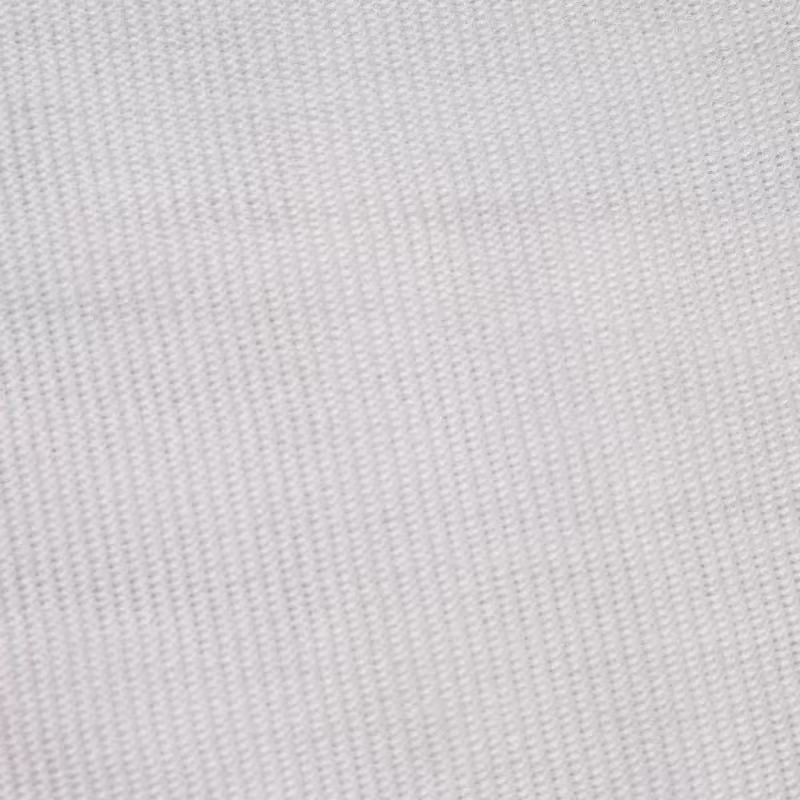
Need flexibility but choose a stiff base?
Your shoe upper will crease like a potato chip.
Knitted fabrics provide elasticity and smooth bending.
Knitted bases offer stretch, softness, and excellent flexibility—perfect for shoes, apparel, and curved designs.
Knitted fabrics are made by looping yarns together, giving them natural stretch and softness. They bend easily without cracking, making them ideal for footwear uppers, sports shoes, soft bags, apparel leather, and decorative items with curves. They are also lighter, which helps reduce material cost in large-volume production.
The downside? Too much elasticity can reduce structural support. But for applications requiring comfort, movement, and flexibility, knitted bases are unmatched.
Non-Woven Fabric Base
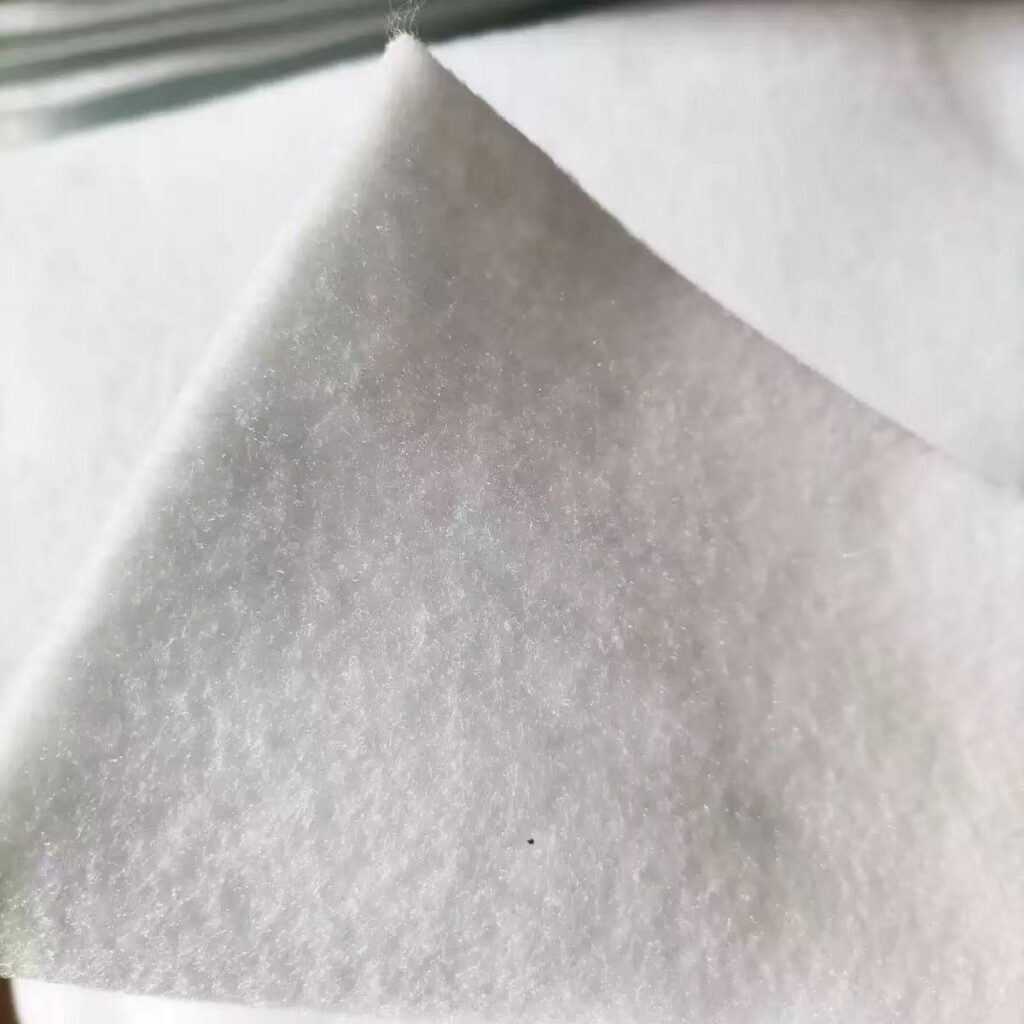
Want a soft sofa but choose a hard, tightly-woven base?
You’ll sit on it once and instantly hate life.
Non-woven bases provide softness, uniform thickness, and cost efficiency.
Non-woven bases are soft, uniform, breathable, and widely used in furniture, automotive interiors, and microfiber synthetic leather.
Non-woven fabrics are made from fibers bonded mechanically or chemically, creating a uniform three-dimensional structure. They provide a soft feel, stable thickness, and excellent bonding with PVC or PU coatings. They are widely used in sofa leather, automotive interior leather, microfiber leather, suede-like materials, and everyday consumer synthetic leather.
Non-woven bases also offer excellent cost performance, making them ideal for high-volume B2B manufacturing. If your product needs comfort, thickness stability, or a smooth surface, this is your go-to option.
How Do I Choose the Best Base Fabric for My Application?
You know the types, but not which one to choose.
Wrong choice = product returns from angry customers.
Match base fabric to your industry’s needs.
Different industries have different performance requirements. Choosing the right base fabric ensures durability, comfort, and cost-efficiency.
Here’s a simplified guide:
| Application | Ideal Base Fabric | Why |
|---|---|---|
| Sofas / Furniture | Non-woven | Soft, thick, cost-effective, stable |
| Automotive Interior | Woven / Non-woven | High stability, can meet fire & aging standards |
| Shoes | Knitted | Flexibility, comfort, bending resistance |
| Bags / Luggage | Woven | Strong, high load-bearing, shape retention |
| Apparel | Knitted | Soft, lightweight, breathable |
At ZD Leather, we help clients choose after evaluating thickness, tensile strength, application, coating type, and environmental standards.
Can I Customize the Base Fabric When Ordering from China?
Standard options don’t match your requirements.
You don’t want your final product to feel “almost right.”
Yes—we customize everything.
We offer full customization of base fabric weight, strength, fiber composition, backing color, and performance specifications.
ZD Leather supports full base fabric customization, including:
GSM / weight (lightweight to heavy-duty)
Polyester or nylon content
Elasticity level
Tensile and tear strength requirements
Backing color customization
Special performance: fire resistance, anti-static, hydrolysis resistance, UV resistance
We also support developing based on your sample, and we recommend always confirming samples before bulk production.
How Does ZD Leather Ensure Base Fabric Quality?
Worried the factory might switch materials?
Sadly… some suppliers do.
We ensure full transparency and sample-based confirmation.
We guarantee consistent quality through strict testing, sample confirmation, and batch traceability.
At ZD Leather, quality control begins with the base fabric. We ensure:
Performance testing: tensile, tearing, peeling strength
Environmental standards upon request (REACH, ROHS, CA65, etc.)
100% sample confirmation before production
Batch traceability
Production strictly according to approved specifications
We believe quality starts from the inside—not just the surface.
Conclusion
Base fabrics are the foundation of synthetic leather performance. Understanding their differences helps you choose the right material for durability, comfort, and cost-effectiveness. Need expert advice? ZD Leather is here to help you customize the perfect solution.
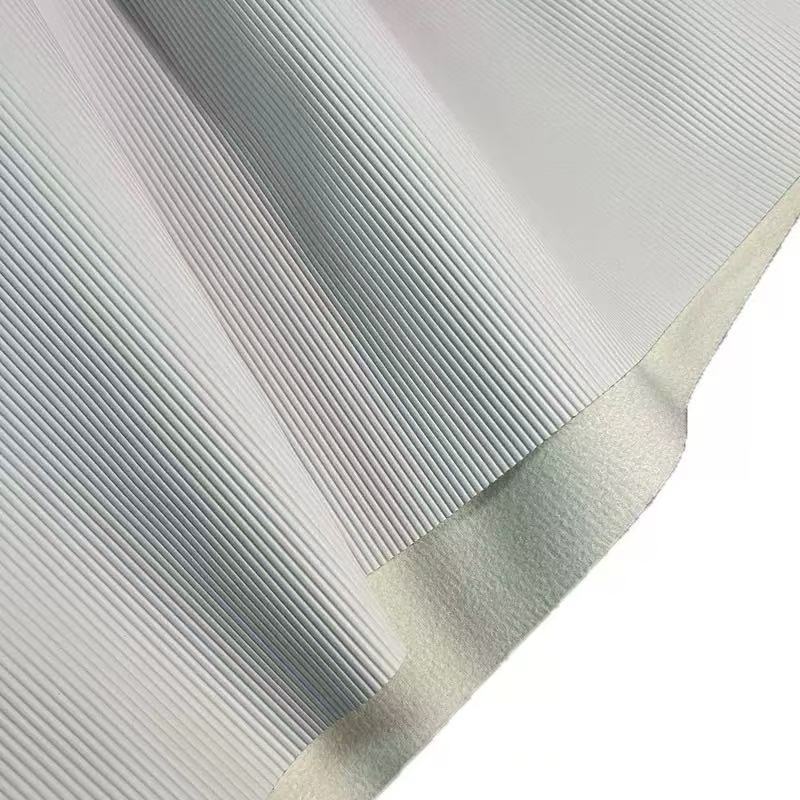
What Affects the Price of Custom Synthetic Leather?
What drives the price of custom synthetic leather? From materials to finishes, this quick guide helps buyers understand true cost factors before placing orders.
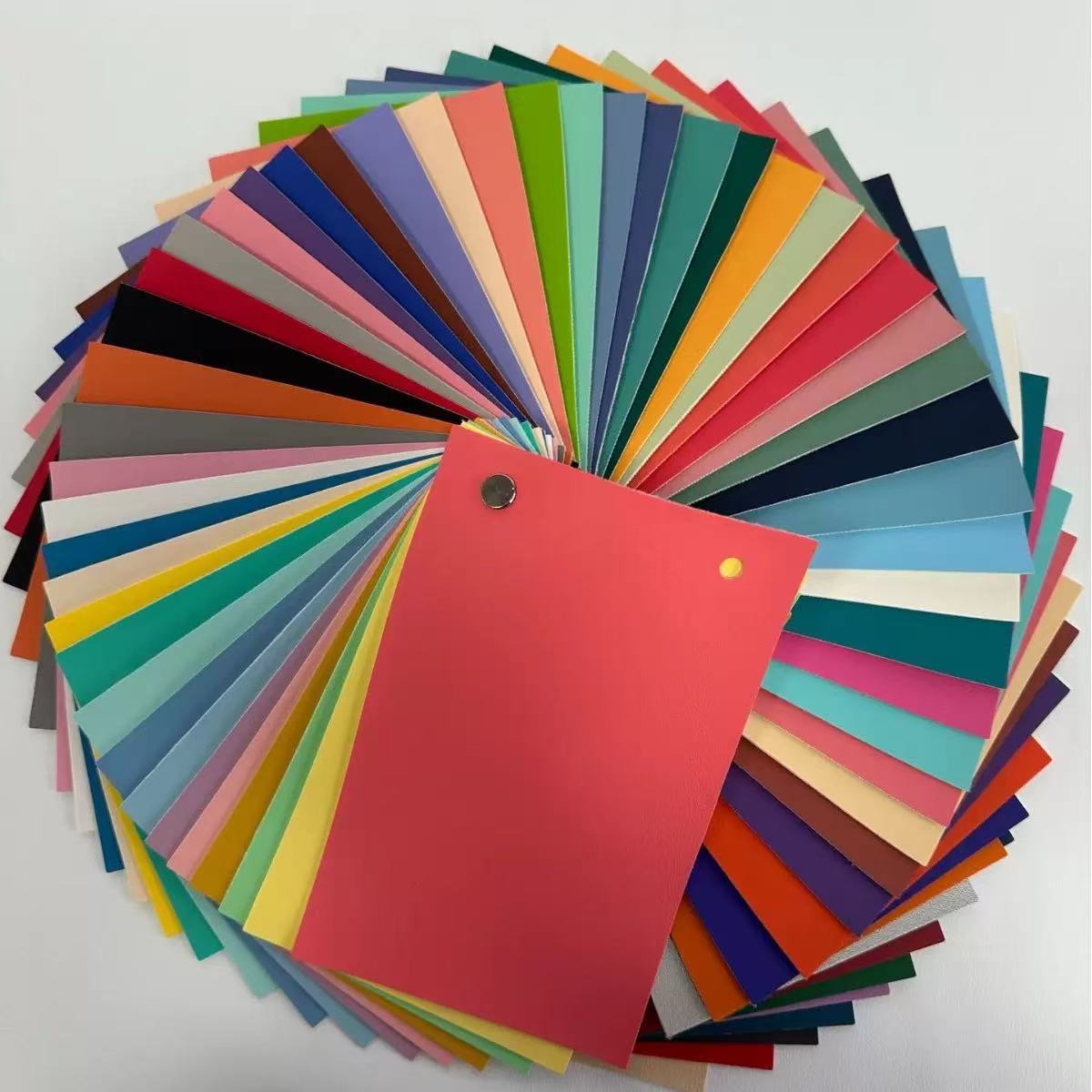
How Is Custom Faux Leather Manufactured Step by Step?
Ever wondered how custom faux leather is made? From fabric to texture, color matching, and quality testing—this step-by-step guide breaks it down clearly for global buyers.
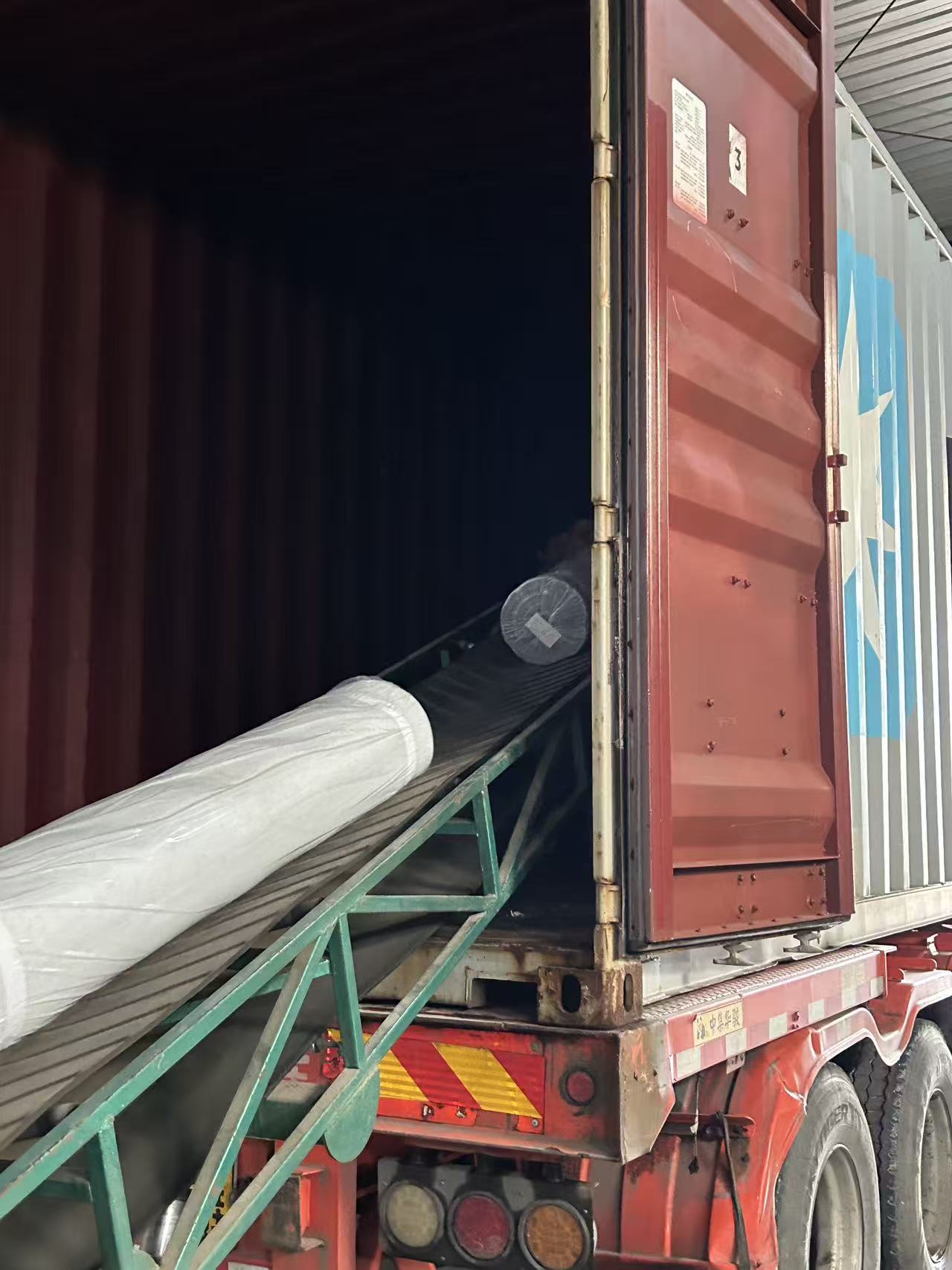
How Can Custom Synthetic Leather from China Be Shipped Worldwide? What Is the Best Method?
This guide explains the best ways to ship custom synthetic leather from China worldwide, comparing sea, air, courier, and LCL options to help buyers choose the safest and most cost-effective method.