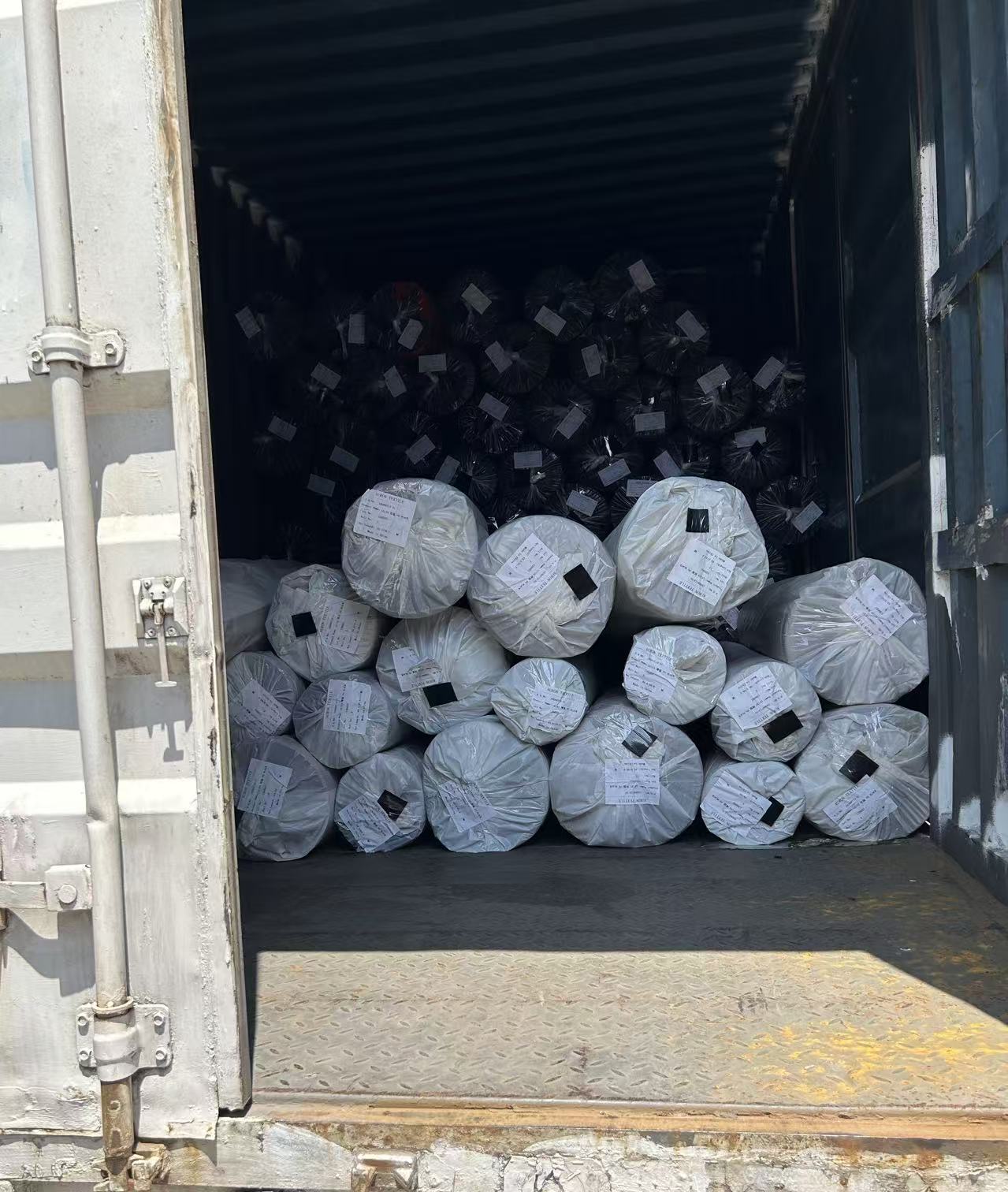
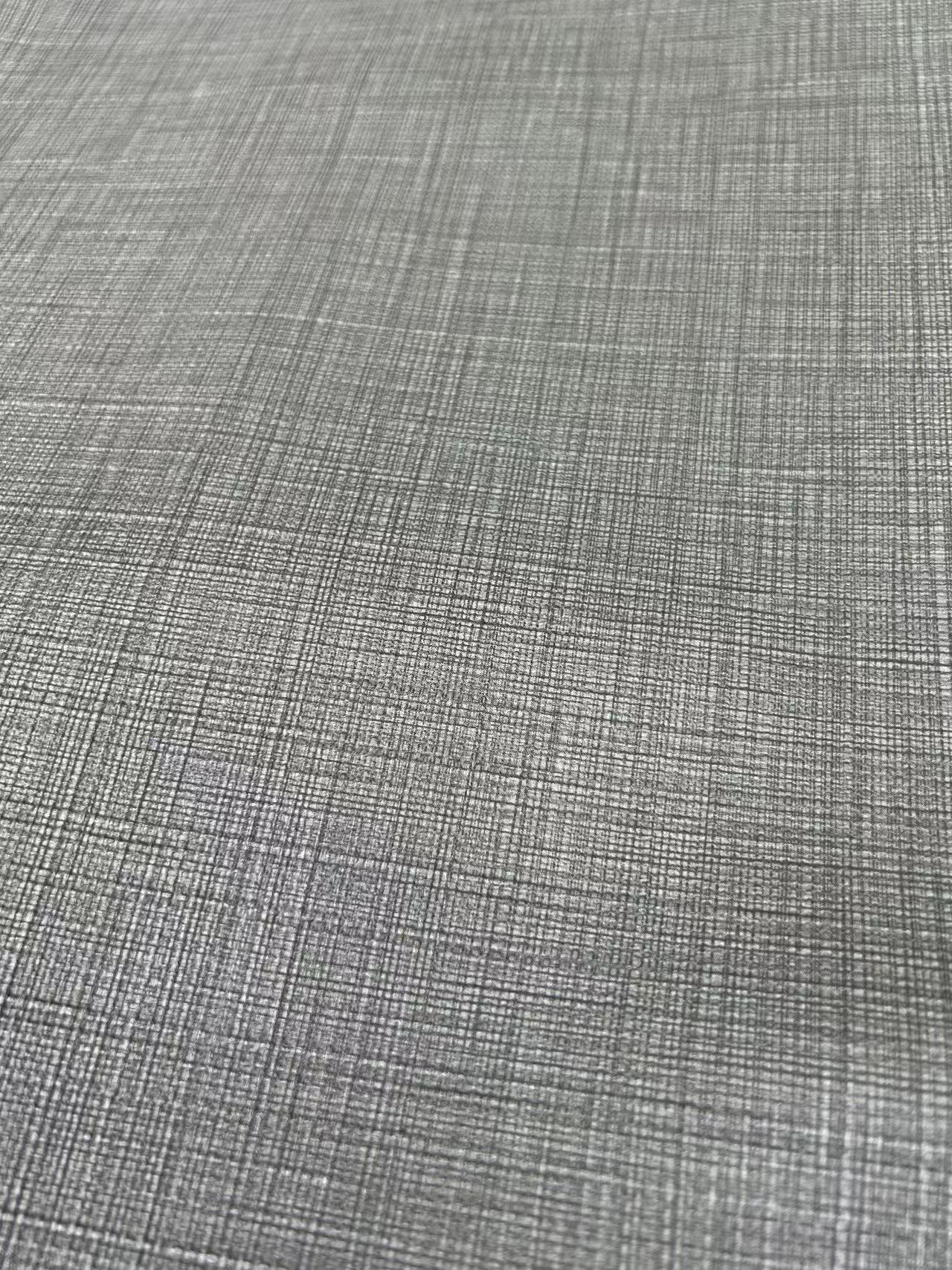
Why Is Proper Storage Important for Artificial Leather?
Artificial leather, whether PU or PVC, is durable—but it’s not invincible. Poor storage can lead to cracks, fading, or unpleasant odors. Too much heat can dry out the coating, while humidity can cause mold and surface stickiness. By controlling storage conditions, you maintain your product’s color, flexibility, and quality over time—and that means fewer losses and happier customers.
Ideal Temperature and Humidity for Artificial Leather Storage
Artificial leather performs best in environments where the temperature stays between 15–25°C and humidity between 40–60%.
Too hot, and the material may soften or warp. Too damp, and mold will love it.
If you’re a manufacturer or distributor, consider using dehumidifiers, air circulators, or humidity monitors in your warehouse. These small precautions prevent costly damage later.
Avoiding Sunlight, Dust, and Pressure Damage
Artificial leather doesn’t like the sun. Direct UV exposure can fade colors and weaken the surface coating over time. Always store rolls in shaded areas and cover them with dust-proof fabric or kraft paper instead of airtight plastic film.
Also, don’t overstack. Excessive weight causes deformation or permanent wrinkles. Keep rolls upright or laid flat on shelves with enough space for airflow.
How to Store PU and PVC Leather Differently
While both PU and PVC are synthetic leathers, they behave differently under environmental stress:
PU Leather: It’s more breathable and flexible but also more sensitive to heat and humidity. Always store it in a well-ventilated area, and never seal it too tightly.
PVC Leather: It’s tougher and more water-resistant, but prolonged sunlight exposure can still cause yellowing. Use UV-resistant wrapping if long-term storage is needed.
👉 Pro tip: Label your rolls by production date and apply the FIFO (First In, First Out) rule. It keeps your stock rotation smooth and prevents old materials from aging in the corner.
Common Mistakes to Avoid
Even experienced buyers sometimes get this wrong. Avoid these classic storage sins:
Placing leather near heaters or sunlight.
Covering rolls with non-breathable plastic, which traps moisture.
Forgetting to inspect stored leather regularly for early signs of mold or sticking layers.
A five-minute monthly inspection can save thousands in losses.
Conclusion
Proper storage isn’t complicated—it’s just about controlling temperature, humidity, and light.
With a few easy habits, your PU and PVC artificial leather will stay fresh, clean, and flexible for years.
If you want professional storage advice or customized material with enhanced UV and mold resistance, contact ZD Leather—we’ve been making and exporting high-quality artificial leather for over 16 years.