
What exactly is digital printing on synthetic leather?
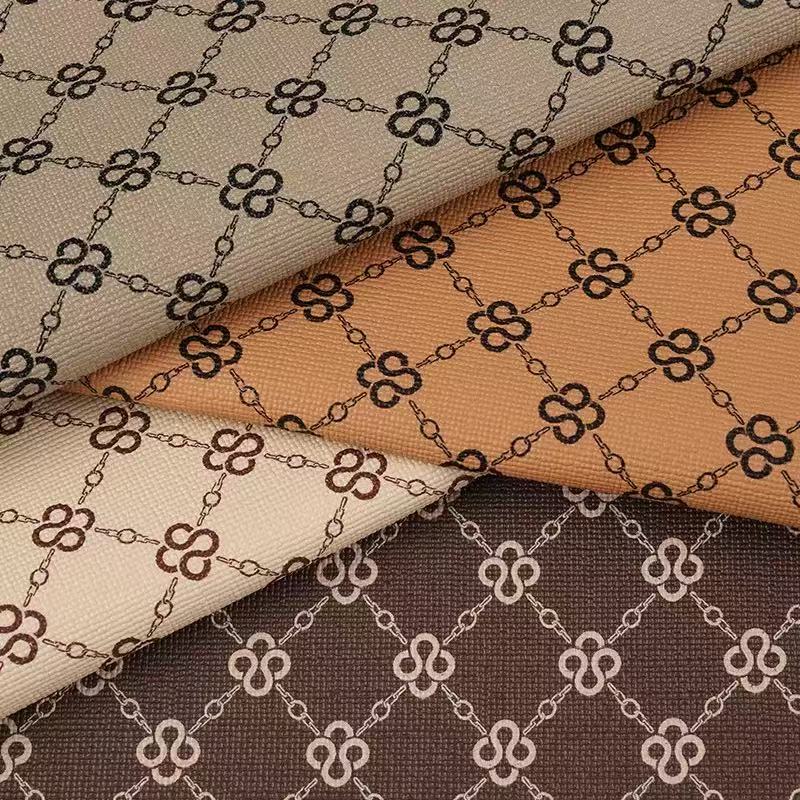
Many buyers think digital printing works like a simple office inkjet.That misunderstanding makes it hard to judge its capability for fashion or furniture projects.Digital printing is an advanced transfer process designed specifically for PU and PVC synthetic leather.
Digital printing applies high-resolution artwork directly onto PU or PVC synthetic leather, producing crisp, vivid, and highly detailed patterns.
Digital printing on synthetic leather uses specialized machinery that transfers high-definition artwork directly onto PU or PVC surfaces. Unlike traditional embossing or rotary printing, it doesn’t rely on metal plates, screens, or molds. Instead, it uses digital files to control the print heads and color application precisely—similar to photo-grade textile printers but adapted for coated surfaces. This means complex gradients, fine details, and multi-color designs are easy to reproduce. Fashion brands use it for custom handbags, small-batch collections, and high-resolution textures. Furniture manufacturers use it for statement pieces, floral motifs, and fabric-like patterns. Whether for bags, shoes, sofas, or décor, digital printing allows “what you design is what you get.”
Why is digital printing better than traditional embossing or transfer printing?
Traditional printing requires plates, molds, and long setup times.A simple design modification can force you to redo everything—and pay again.Digital printing needs no plates, giving unlimited design freedom and faster iteration.
Digital printing offers higher flexibility, lower sampling cost, and faster turnaround compared to traditional embossed or transfer printing.
Traditional synthetic leather printing methods—like roller embossing, screen printing, or transfer film—come with multiple limitations. Anytime you need a new design, you must remake plates, adjust molds, and schedule production line changes. That’s slow and expensive. Digital printing eliminates all of that. It uses digital files, so you can test five patterns in one day instead of waiting weeks. Small corrections, color temperature changes, or scaling adjustments only take minutes. For brands with frequent design updates, seasonal launches, or viral trends to catch, digital printing is dramatically more efficient. You save time, reduce cost, and gain creative freedom that traditional techniques simply can’t match.
How does digital printing improve color accuracy and detail?
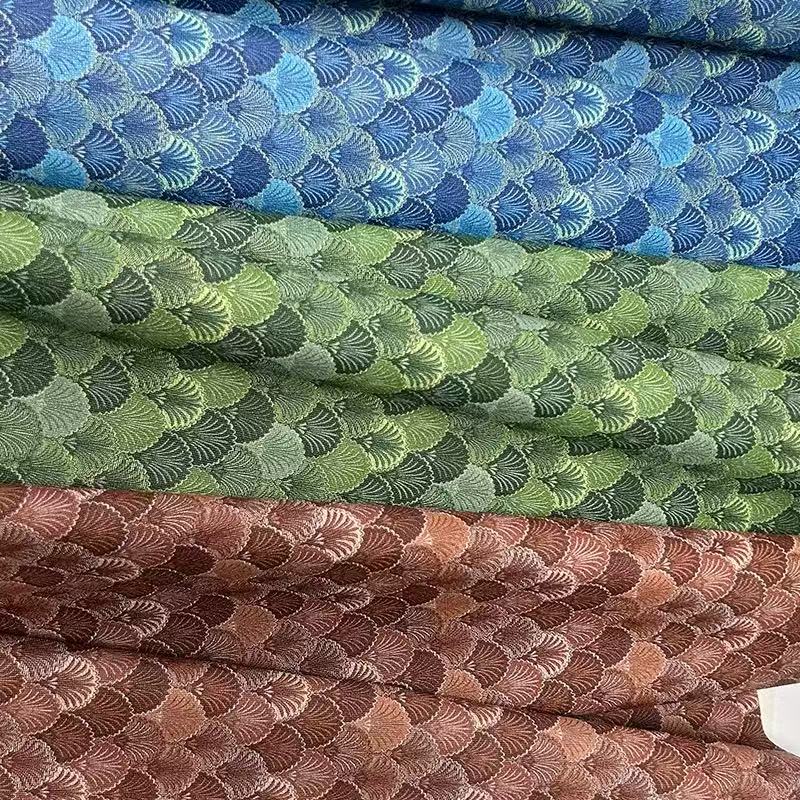
Many buyers worry about color shifts or blurry edges.A tiny color mismatch can ruin a whole sofa set or handbag batch.Digital printing supports DPI-level precision and Pantone calibration.
Digital printing delivers sharp edges, smooth gradients, and reliable color matching across multiple orders.
Color accuracy is one of the strongest advantages of digital printing. Because the design is controlled by software instead of plates, the machine can print extremely fine dots—often above 1200 DPI. This means sharp patterns, photorealistic imaging, and beautifully blended gradients. More importantly, digital printing can be calibrated based on Pantone or custom sample swatches, ensuring consistent results from sample to bulk production. Fashion brands use it for high-detail illustrations, marble effects, textile-like prints, and realistic animal textures. Furniture brands use it for natural woven looks or wood-grain patterns. With proper color management, repeat orders remain accurate, which is crucial for premium products.
Is digital printing suitable for small MOQ orders?
Small-volume buyers fear high minimum order quantities.Traditional printing often requires 500m–1000m per pattern.Digital printing supports much lower MOQs and affordable sampling.
Digital printing eliminates plate costs, making small-batch custom orders far more accessible.
One of the greatest advantages of digital printing is its flexibility for small runs. Because it doesn’t require plate-making or mold preparation, factories can print small quantities without dramatically increasing cost. This is ideal for new designers, seasonal limited editions, or brands testing market reactions. Many suppliers allow low MOQs for digitally printed synthetic leather—sometimes starting at 50m–100m depending on the material and finish. This helps companies reduce inventory risk and maintain variety in their product lines. It also shortens the design-to-market cycle, allowing faster responses to shifting trends.
Is digitally printed synthetic leather durable enough for fashion and furniture?
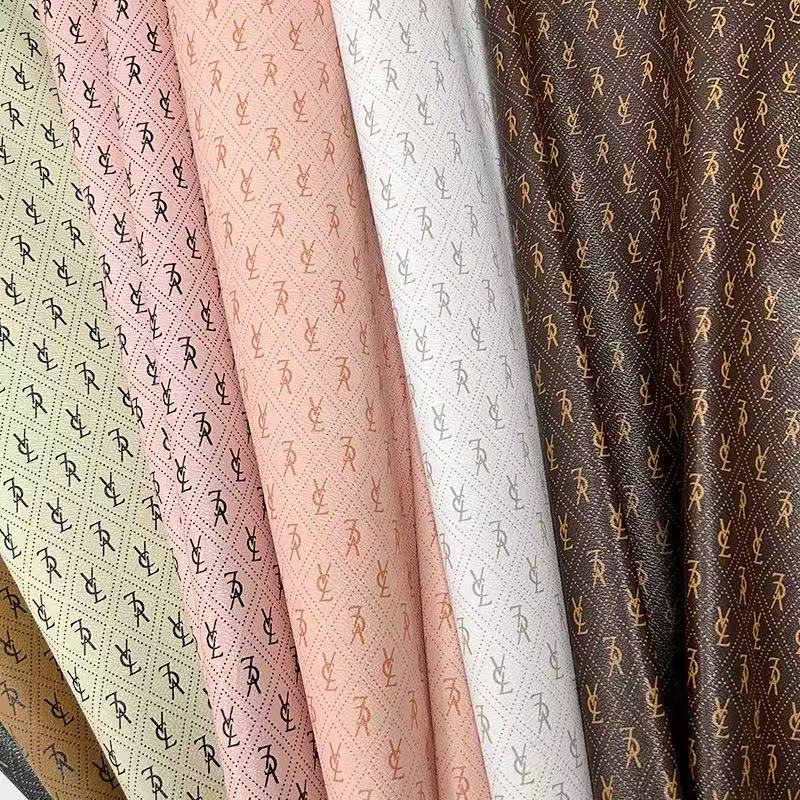
Buyers worry digital prints might scratch or fade easily.No brand wants its bag pattern peeling after one season.Proper top-coating ensures excellent abrasion resistance and color fastness.
Digitally printed PU/PVC can meet high standards for abrasion, flexing, and UV resistance when finished with the right protective layers.
Durability depends on the surface coating—not the printing method itself. After digital printing, the material is sealed with a protective PU or PVC topcoat that provides resistance to scratching, rubbing, and bending. When processed correctly, digitally printed synthetic leather can pass common industry tests such as Martindale abrasion, flexing tests, and colorfastness to light. This makes it suitable for handbags, wallets, sofas, headboards, wall panels, car interiors, and decorative applications. Many factories—including ours—also offer enhanced coatings like anti-scratch, matte-touch, or UV-resistant finishes.
Is digital printing environmentally friendly?
Buyers need products that comply with modern environmental standards. Failing to meet REACH or CPSIA can lead to rejection, fines, or stock loss.Digital printing reduces chemical usage and minimizes waste.
Digital printing generates less chemical wastewater and VOC emissions compared to traditional printing methods.
Digital printing significantly reduces the environmental footprint of designing synthetic leather. Traditional printing relies heavily on solvents, screens, and chemicals. Digital printing uses far fewer auxiliary materials and minimizes ink waste. Many factories now use water-based inks or low-VOC formulas that comply with major international standards—including REACH, RoHS, and California Proposition 65. For brands seeking sustainable material options, digital printing is a modern solution that aligns with global environmental expectations.
Conclusion
Digital printing is transforming synthetic leather by offering faster sampling, richer colors, lower MOQs, and greater design flexibility. For fashion and furniture brands seeking fresh ideas and rapid turnaround, it delivers both creativity and efficiency.
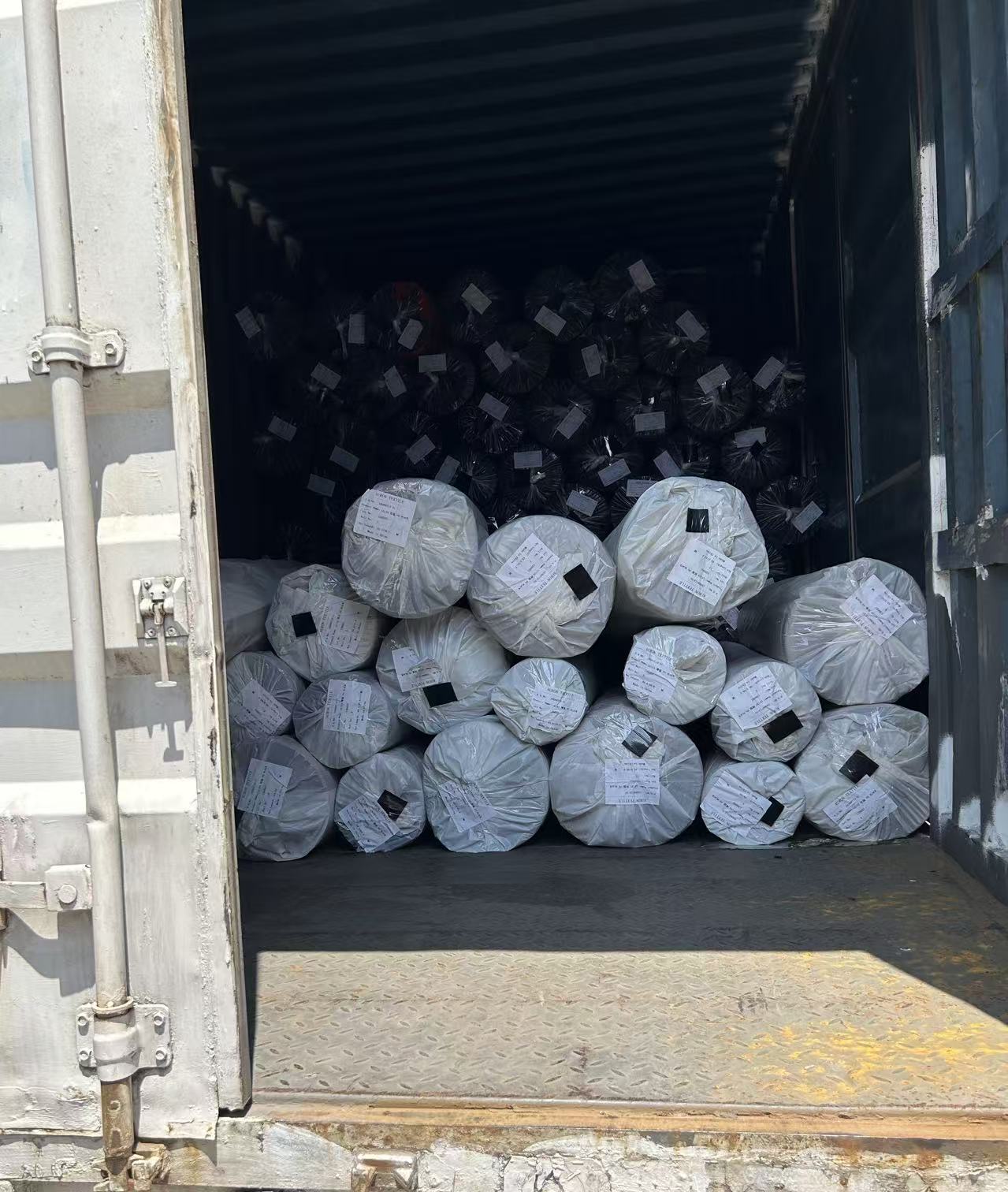
Can you provide special packaging when I import custom synthetic leather from China?
Learn how special packaging for custom synthetic leather can be arranged, including roll length, labels, plastic bags, markings, and shipping requirements.
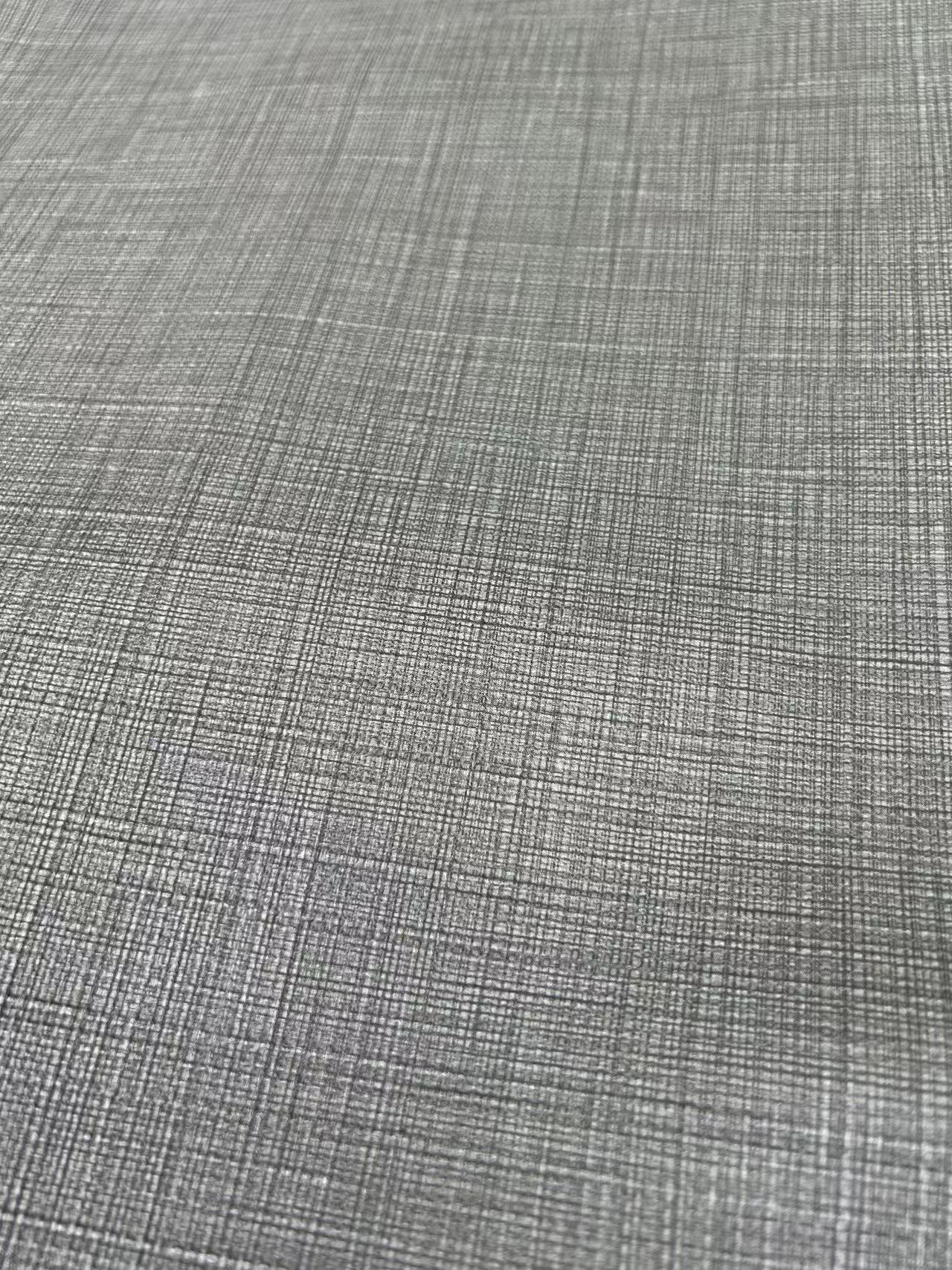
Can You Create a Custom Leather Grain Pattern When Importing Synthetic Leather from China?
Want a unique leather grain for your products? Discover how custom synthetic leather grain patterns are developed from samples using advanced vacuum texture transfer technology.
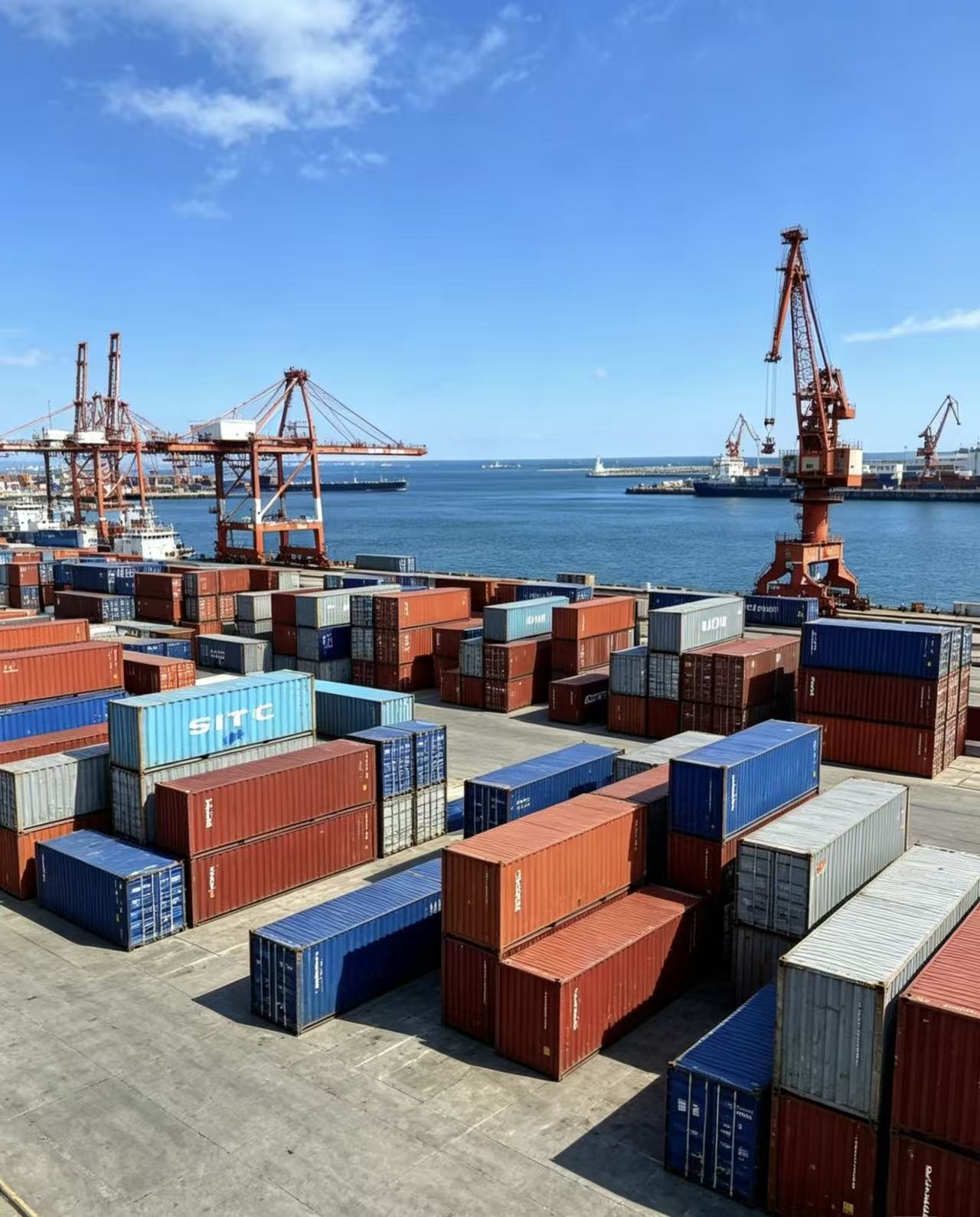
Sea Freight or Air Freight for Synthetic Leather: Which Should You Choose?
Not sure whether to ship synthetic leather by sea or air? Compare costs, transit times, advantages, and practical tips to choose the best shipping method for your business.