
Why Do Raw Materials Affect Synthetic Leather Pricing?
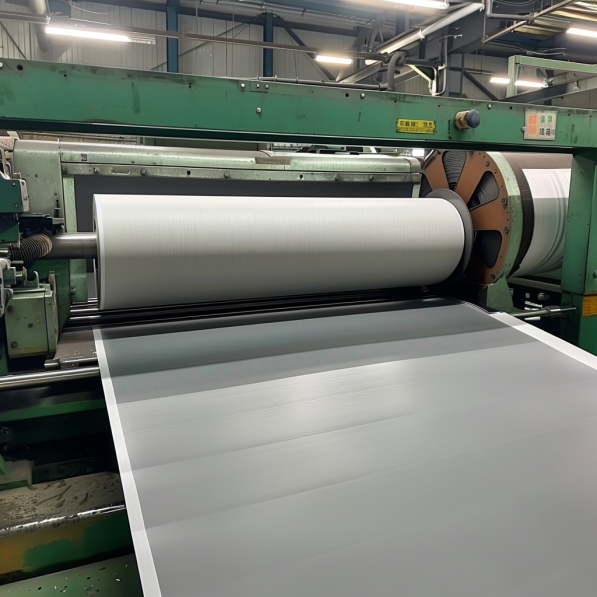
Buyers often wonder why prices change even when the color looks the same. The truth? Different material formulas lead to huge cost differences.
Raw material quality—PVC resin grade, PU resin type, plasticizers, and additives—directly affects durability and price. Higher-grade, eco-friendly formulas cost more but deliver better aging resistance, flexibility, and stability.
Raw materials are the foundation of synthetic leather. PVC resin with higher purity or PU resin with better molecular structure always costs more because they perform better in heat resistance, softness, and environmental stability. Plasticizers (which affect softness), stabilizers (which affect aging resistance), flame-retardant additives, and anti-UV agents all add to cost.
Eco-friendly materials—such as low-VOC formulas or REACH-compliant chemical systems—also raise the price. For B2B buyers like sofa factories, automotive manufacturers, and distributors, choosing better materials can prevent cracking, peeling, and color fading.
So yes—two leathers may look the same, but their internal formulas can be worlds apart, just like instant noodles versus a real chef’s ramen.
How Does Thickness Influence the Price?
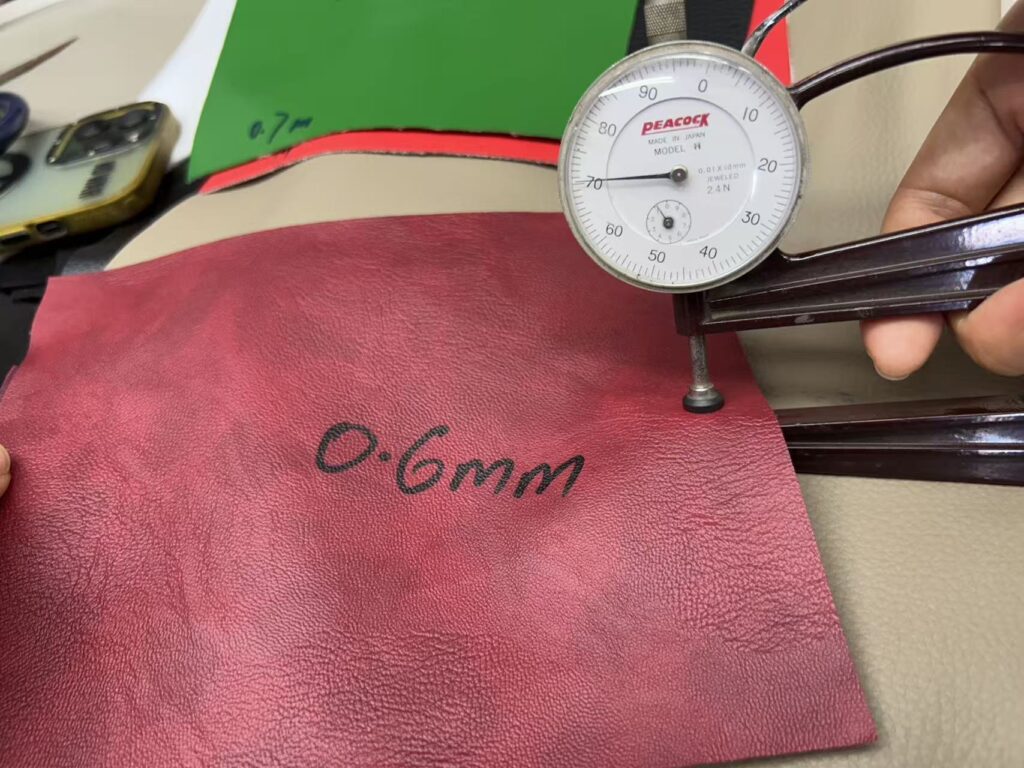
Some buyers ask for “just a little thicker,” but thickness is not free—it directly changes production cost and raw material usage.
Thicker synthetic leather requires more coating layers, more resin, and longer production time. As thickness increases, price rises due to material consumption and manufacturing difficulty.
Thickness affects cost more than most buyers expect. Whether it’s PVC synthetic leather or PU leather, thickness is created through multiple coating or lamination steps. Each additional 0.1 mm means more resin, longer drying time, and sometimes additional machine passes.
For high-thickness projects like belts, furniture edges, or automotive interiors, factories must adjust coating formulas to prevent cracking. That means more labor, slower production, and higher QA requirements.
So when a customer says, “Can you make it 1.5 mm instead of 1.0 mm?” the factory quietly hears: “Please use 30–40% more material and more time.” Thick leather is great—but it can’t be cheap.
Why Do Backing Fabrics Affect the Cost?
Two synthetic leathers may look identical on top, but the backing fabric can turn one into a budget material and the other into a premium product.
Backing fabrics—such as T/C, cotton, microfiber, or non-woven—change durability, tearing strength, and production cost. Stronger or thicker backings significantly increase price.
Backing fabric is the “skeleton” of synthetic leather. A strong base means the leather won’t tear, stretch, or deform. Microfiber backing, for example, gives leather high strength and premium hand-feel, but it is much more expensive than non-woven options.
T/C woven fabrics are common for furniture; knitted fabrics offer flexibility for handbags and garments. Each backing type requires different bonding temperatures, adhesive formulas, and coating techniques, which also affect price.
So if someone asks, “Why is microfiber leather more expensive?”—it’s because the backing alone can cost more than the entire PVC layer.
How Do Surface Treatments Impact Pricing?
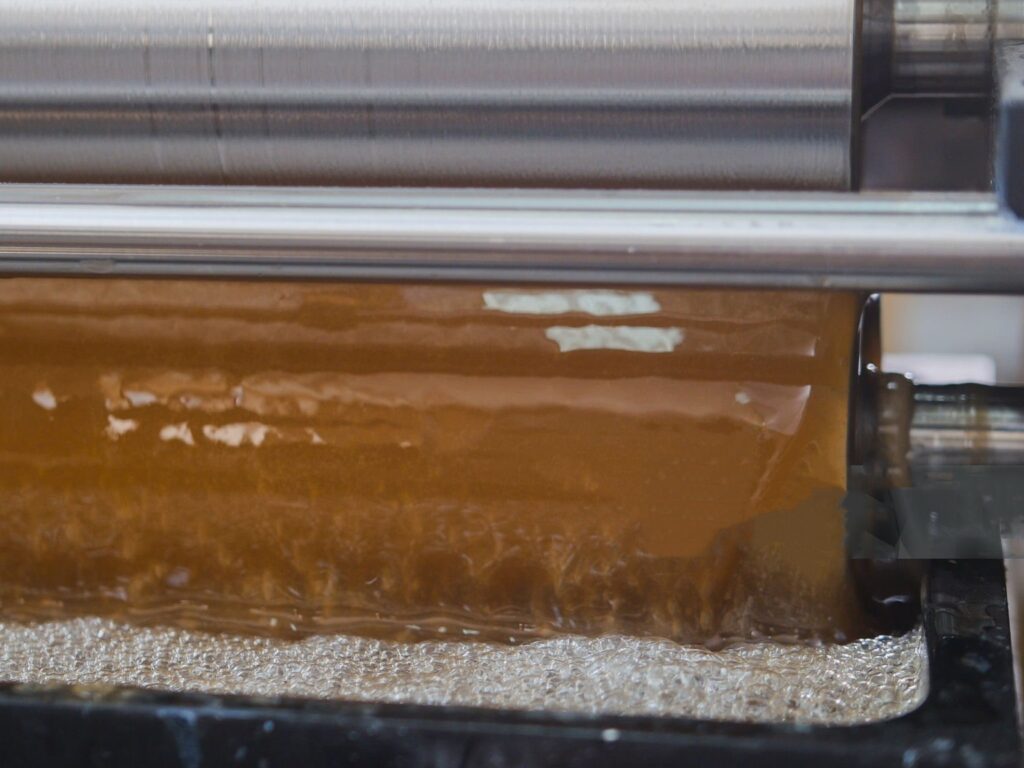
Embossing, printing, and special effects make leather beautiful—but every “wow” effect adds cost.
Embossing plates, glossy/matt finishes, anti-scratch coatings, printing films, and special effects like metallic or soft-touch all influence price based on complexity and process steps.
Surface treatment is where creativity meets cost. Embossing requires steel plates, and custom designs require new plate development—often hundreds of dollars per design. Soft-touch, high-gloss, or anti-scratch coatings require special chemical systems that raise the unit price.
Printing films and release papers also vary widely in cost depending on the visual pattern. Even small requests—like “make it a little shinier”—may require upgrading to a higher-grade resin.
In short: beauty costs money, even for synthetic leather.
How Much Does Order Quantity Affect the Price?
Small orders seem easier, but factories struggle with leftover materials and line setup time.
Larger orders reduce cost through economies of scale. Small orders must cover machine setup, labor, color matching, and leftover chemical waste—so the unit price is higher.
In synthetic leather manufacturing, machine setup takes time and money. Mixing chemicals, adjusting viscosity, calibrating thickness, preparing backing fabrics—all require labor and testing. Whether you order 50 meters or 5,000 meters, setup steps are the same.
Large orders allow factories to buy raw materials in bulk, run machines continuously, and reduce defects. Small orders interrupt production schedules, generate extra waste, and require more manual oversight.
This is why factories like ZD Leather always recommend ordering full-batch quantities whenever possible.
Conclusion
Many factors—materials, backing, thickness, finishing, order size, and logistics—shape synthetic leather pricing. Understanding these helps buyers choose smarter, negotiate confidently, and get the best value from reliable factories like ZD Leather.
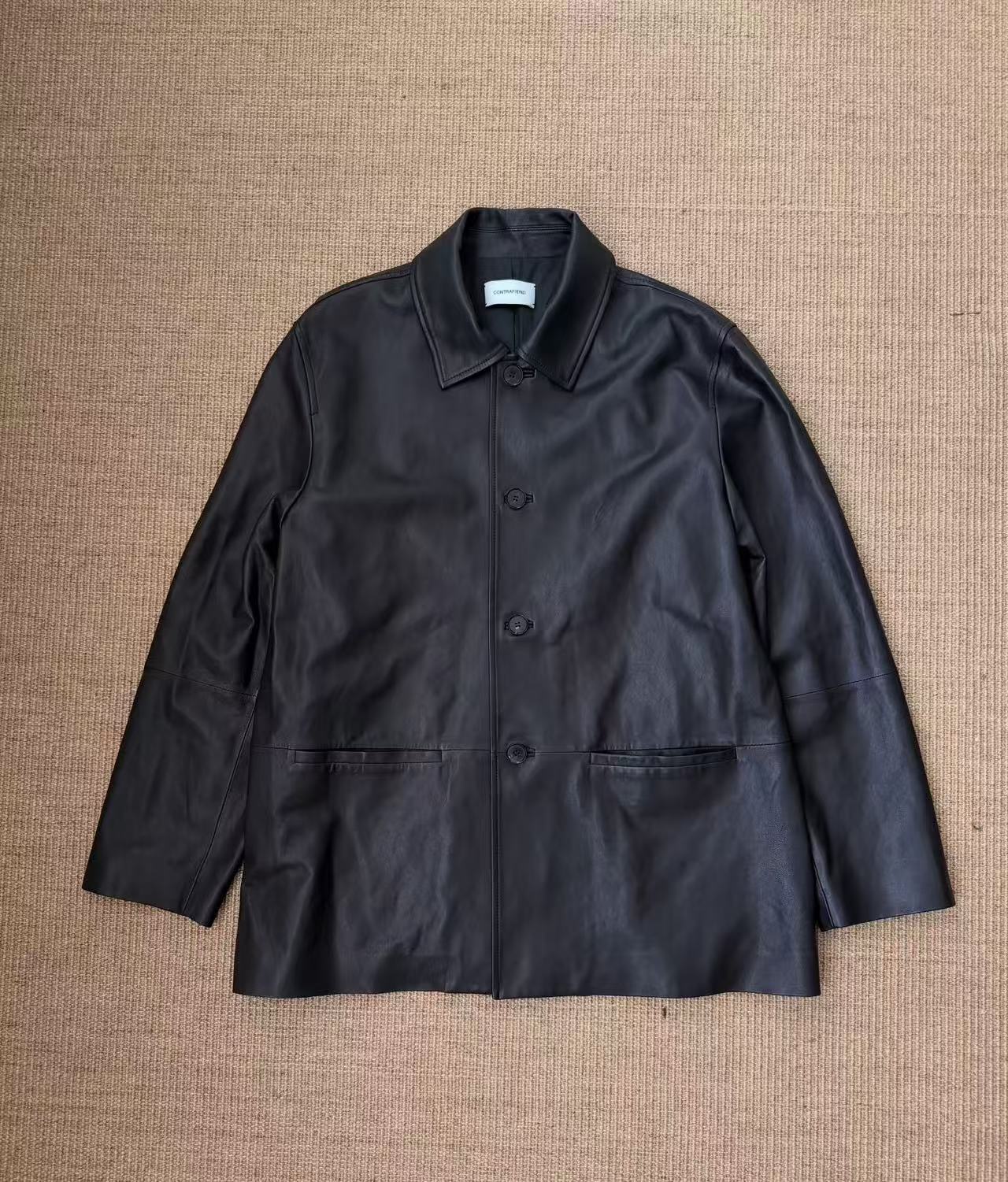
What is garment leather?
Discover what garment leather is and compare PU, PVC, and natural leather. Learn how comfort, breathability, durability, and cost affect your material choice.
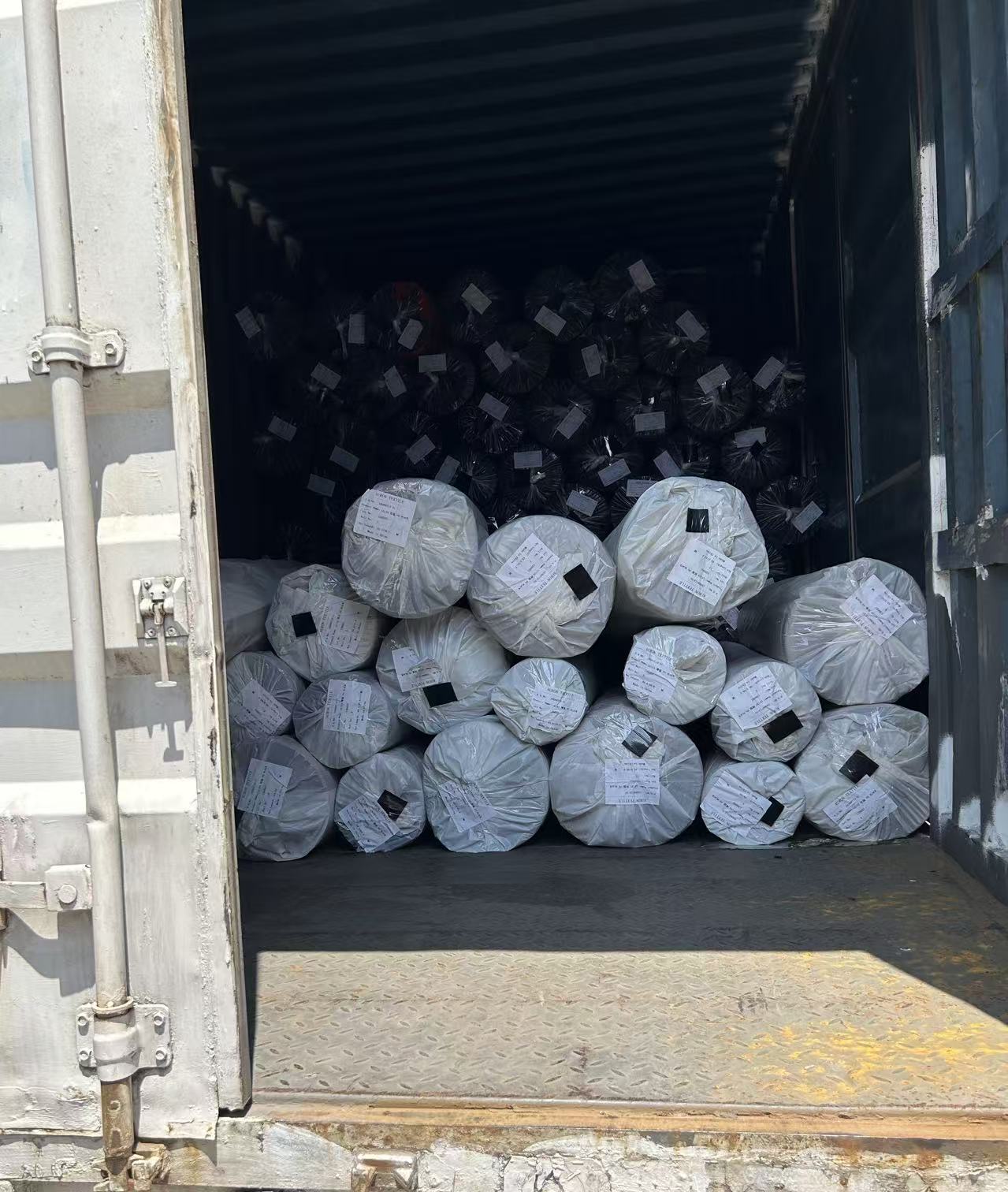
Can you provide special packaging when I import custom synthetic leather from China?
Learn how special packaging for custom synthetic leather can be arranged, including roll length, labels, plastic bags, markings, and shipping requirements.
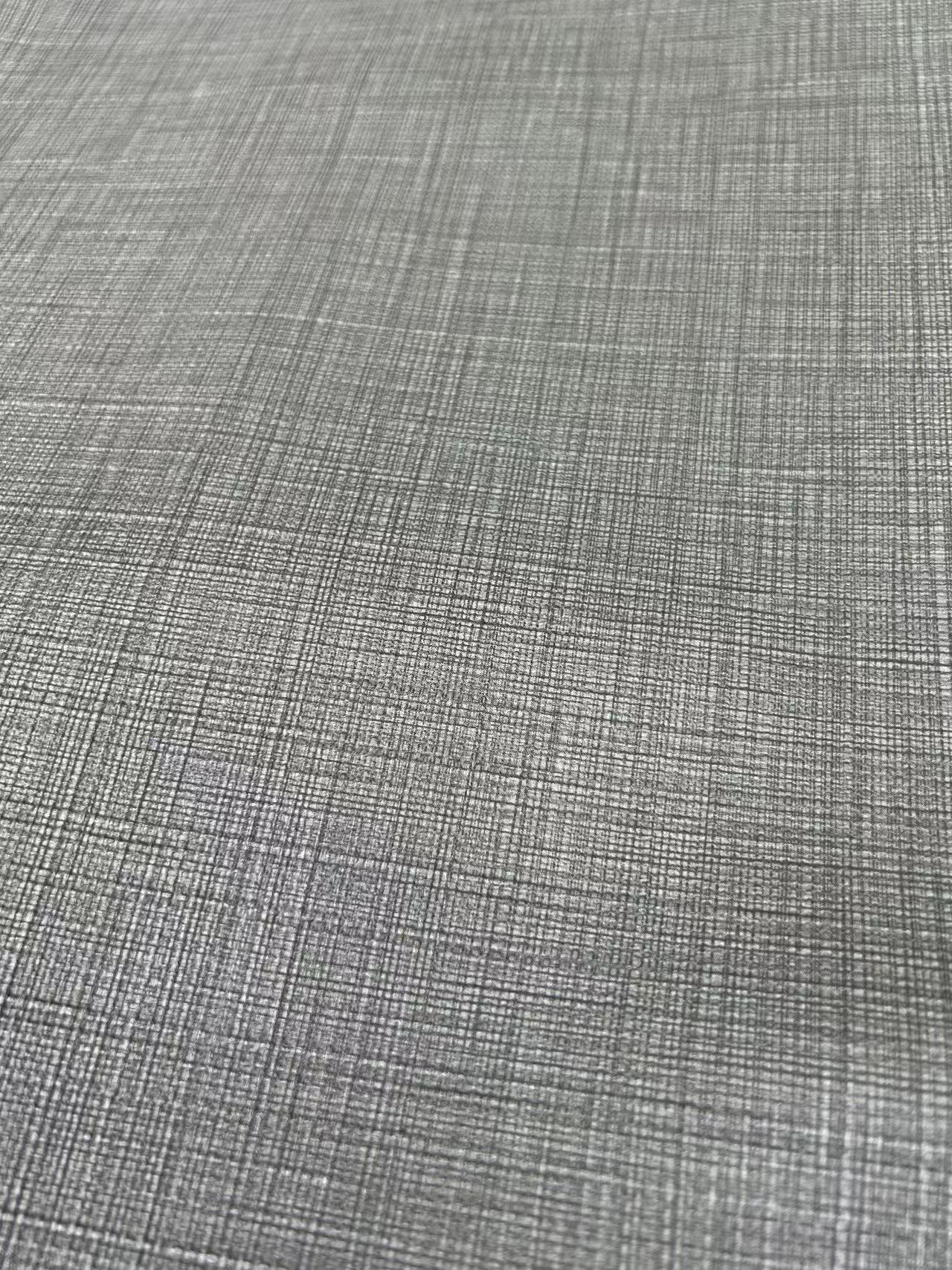
Can You Create a Custom Leather Grain Pattern When Importing Synthetic Leather from China?
Want a unique leather grain for your products? Discover how custom synthetic leather grain patterns are developed from samples using advanced vacuum texture transfer technology.