
What Performance Does Synthetic Leather Need for Bags and Backpacks?
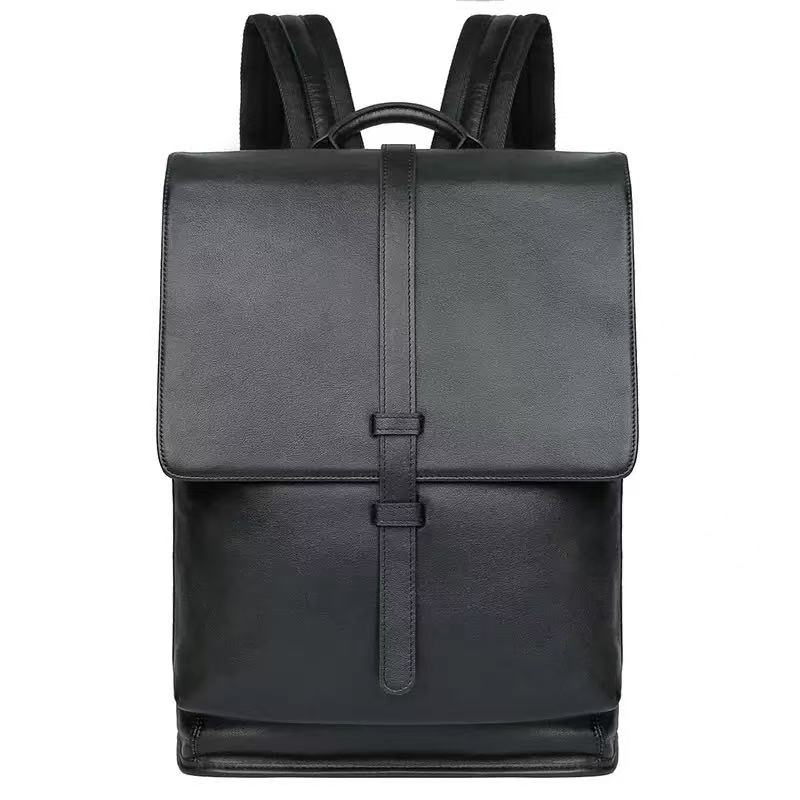
Bags are pulled, scratched, folded, and sometimes overstuffed. Weak materials fail quickly. Choosing the right synthetic leather prevents early damage and unhappy buyers.
Synthetic leather for bags must offer abrasion resistance, tear strength, flexibility, and water resistance to survive daily use.
Unlike sofas, bags and backpacks live a rougher life. They’re dragged across floors, squeezed into overhead bins, and stretched far beyond their comfort zone. That’s why synthetic leather used for bags must focus on performance first, not just appearance.
Key requirements include strong abrasion resistance to prevent surface wear, good tear strength to avoid seam failure, and enough flexibility so the material doesn’t crack when folded repeatedly. Water resistance is also essential—bags meet rain, spills, and sometimes coffee accidents.
High-quality synthetic leather offers consistent thickness, stable backing fabrics, and predictable behavior during cutting and sewing. For manufacturers, this means smoother production. For brands, it means fewer warranty claims. For end users, it simply means a bag that lasts longer than one travel season.
Is PVC or PU Synthetic Leather Better for Bags?
Buyers often get stuck choosing between PVC and PU. One seems tougher, the other softer. Picking the wrong one creates cost or quality problems.
PVC synthetic leather offers durability and cost control, while PU artificial leather provides softness and a more premium hand feel.
Both PVC and PU synthetic leather are widely used in bags—but they serve different purposes.
PVC artificial leather is known for its excellent durability, water resistance, and stable pricing. It’s commonly used for backpacks, travel bags, tool bags, and school bags where strength matters more than softness. It also handles structured designs well and keeps shape under heavy loads.
PU synthetic leather, on the other hand, feels softer and more flexible. It’s often chosen for fashion handbags, laptop sleeves, and lightweight backpacks where comfort and appearance are priorities.
There’s no universal “better” choice—only the better choice for your product. Experienced suppliers like ZD Leather help buyers match the material to real usage, not just catalog photos.
How Do Thickness and Backing Affect Bag Quality?
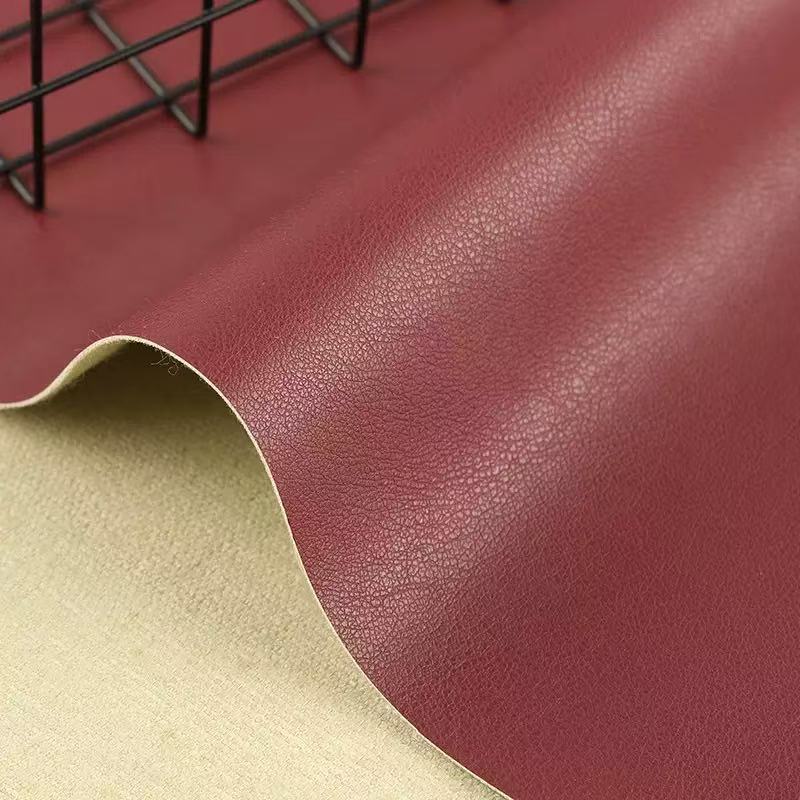
A bag may look great at first, but poor structure shows up fast. Wrong thickness or backing leads to sagging, wrinkles, and unhappy customers.
Thickness and backing fabric determine bag stiffness, strength, and long-term shape retention.
Thickness plays a bigger role than many buyers expect. For bags, common ranges are 0.8–1.2mm, depending on structure and design. Too thin, and the bag loses shape. Too thick, and sewing becomes difficult.
Backing is just as important. Woven, non-woven, or microfiber backings affect tear resistance, stretch control, and overall durability. A strong backing keeps seams intact and prevents deformation over time.
This is where custom artificial leather becomes valuable. Instead of adjusting your design to available stock, the material is adjusted to your product. That’s how professional bag brands maintain consistent quality across collections.
Why Does Customization Matter More Than Stock Leather?
Stock materials are quick, but rarely perfect. Color shifts, texture mismatches, and unstable supply create hidden risks.
Custom synthetic leather ensures stable color, texture, thickness, and batch consistency for growing bag brands.
Stock leather may work for small trials, but it becomes risky as volume grows. Colors change between batches. Textures disappear. Thickness varies just enough to cause production headaches.
Custom synthetic leather solves this by locking in specifications—color, grain, gloss, thickness, and backing—before mass production begins. For wholesalers and brand owners, this consistency protects brand identity and simplifies sourcing.
At ZD Leather, customization means producing material based on real bag requirements, not generic standards. The result? Fewer surprises, smoother production, and materials that feel “designed for the bag,” not borrowed from another product category.
What Certifications Should Synthetic Leather for Bags Meet?
Export markets demand proof. Missing or fake certifications can delay shipments and damage trust.
Synthetic and faux leather for bags should meet REACH, RoHS, and OEKO-TEX requirements for global compliance.
For bags sold internationally, compliance isn’t optional. Certifications like REACH and RoHS control harmful substances, while OEKO-TEX Standard 100 ensures safety for skin contact—important for backpacks and daily-use bags.
High-quality faux leather today is produced with low-VOC processes and tested by third-party labs. This protects brands from regulatory risk and reassures end users.
Reliable suppliers provide batch-specific test reports, not recycled PDFs. This level of transparency is essential for long-term partnerships and smooth customs clearance.
How Do You Choose the Right Synthetic Leather Supplier?
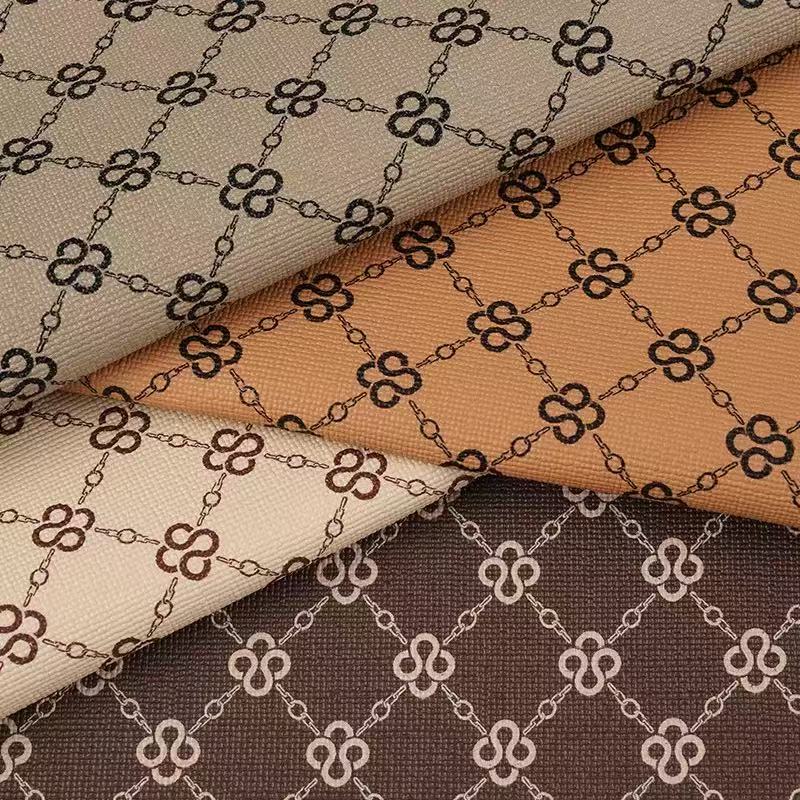
Many sourcing problems don’t start with material—they start with suppliers. Poor communication and unclear specs cause delays and losses.
Choose suppliers that support customization, provide real testing, and understand bag production requirements.
A good supplier does more than quote prices. They ask the right questions: bag type, usage, target market, and durability expectations. They offer samples, explain options clearly, and communicate efficiently.
For B2B buyers like Mark Chen, reliability matters as much as price. ZD Leather supports custom PVC and PU synthetic leather with consistent quality, environmental compliance, and stable delivery—so buyers can focus on selling, not troubleshooting materials.
Conclusion
The best synthetic leather for bags depends on performance, structure, customization, and compliance. By choosing the right material—and the right supplier—you reduce risk, protect your brand, and deliver bags that truly last.
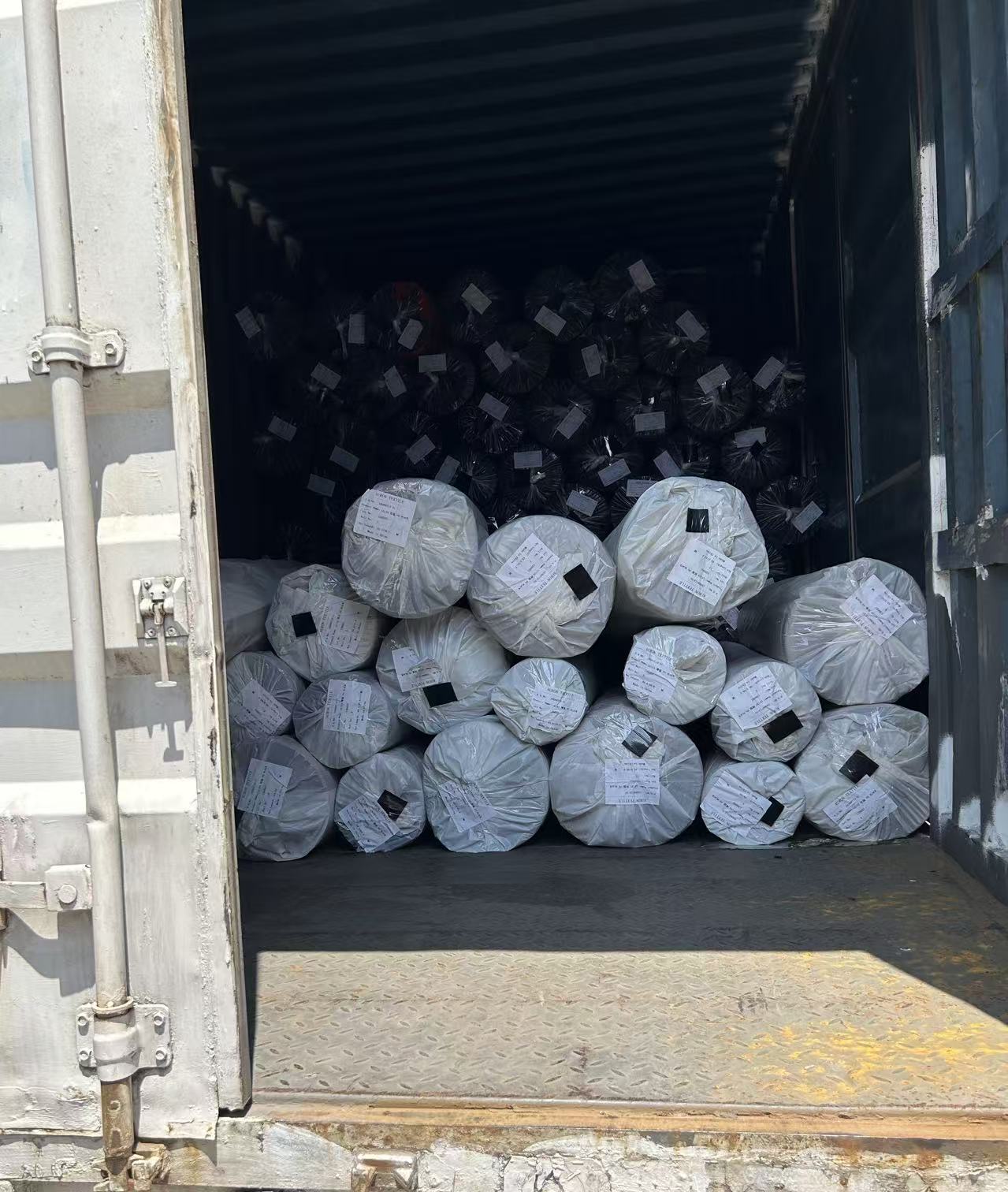
Can you provide special packaging when I import custom synthetic leather from China?
Learn how special packaging for custom synthetic leather can be arranged, including roll length, labels, plastic bags, markings, and shipping requirements.
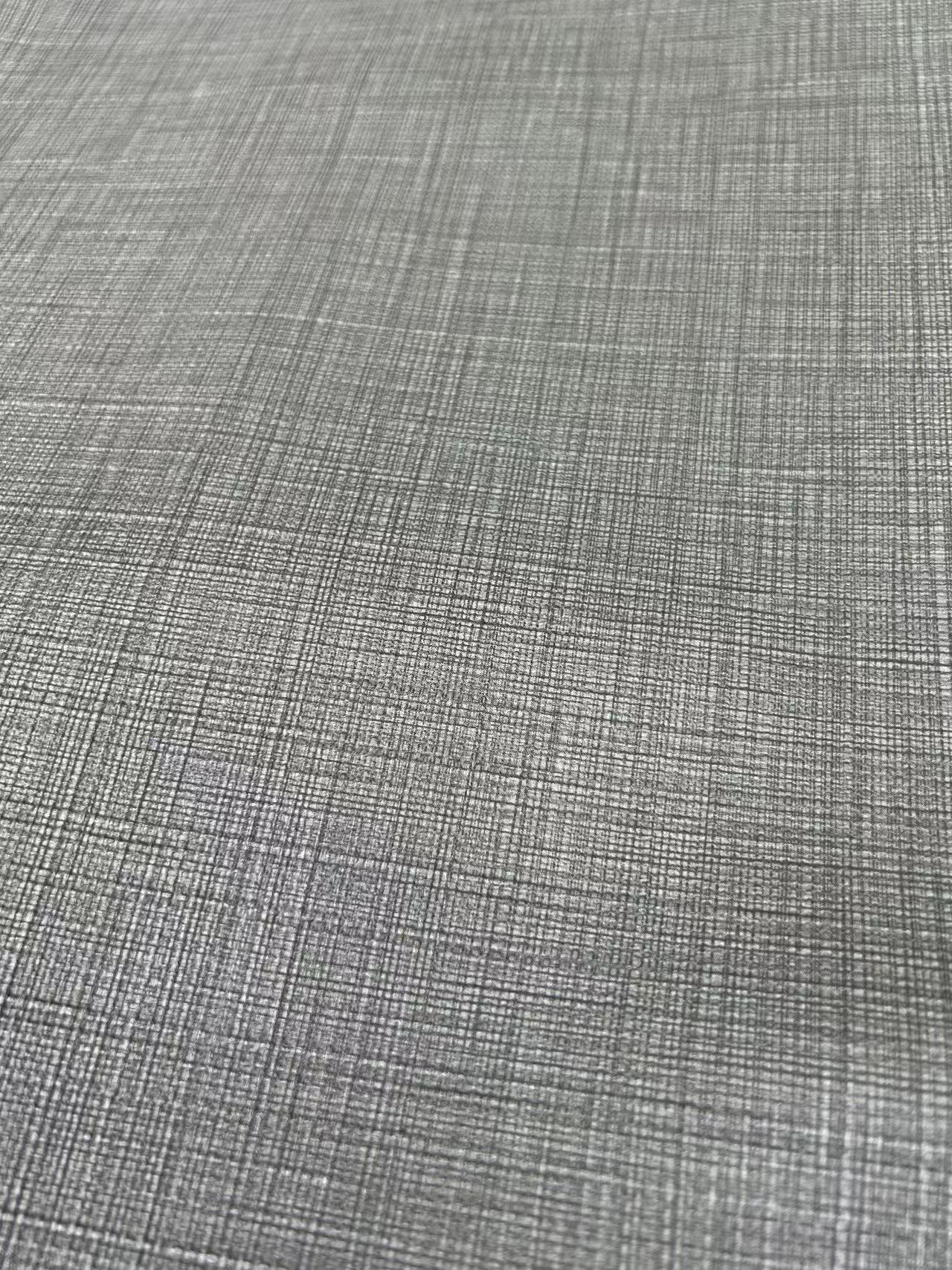
Can You Create a Custom Leather Grain Pattern When Importing Synthetic Leather from China?
Want a unique leather grain for your products? Discover how custom synthetic leather grain patterns are developed from samples using advanced vacuum texture transfer technology.
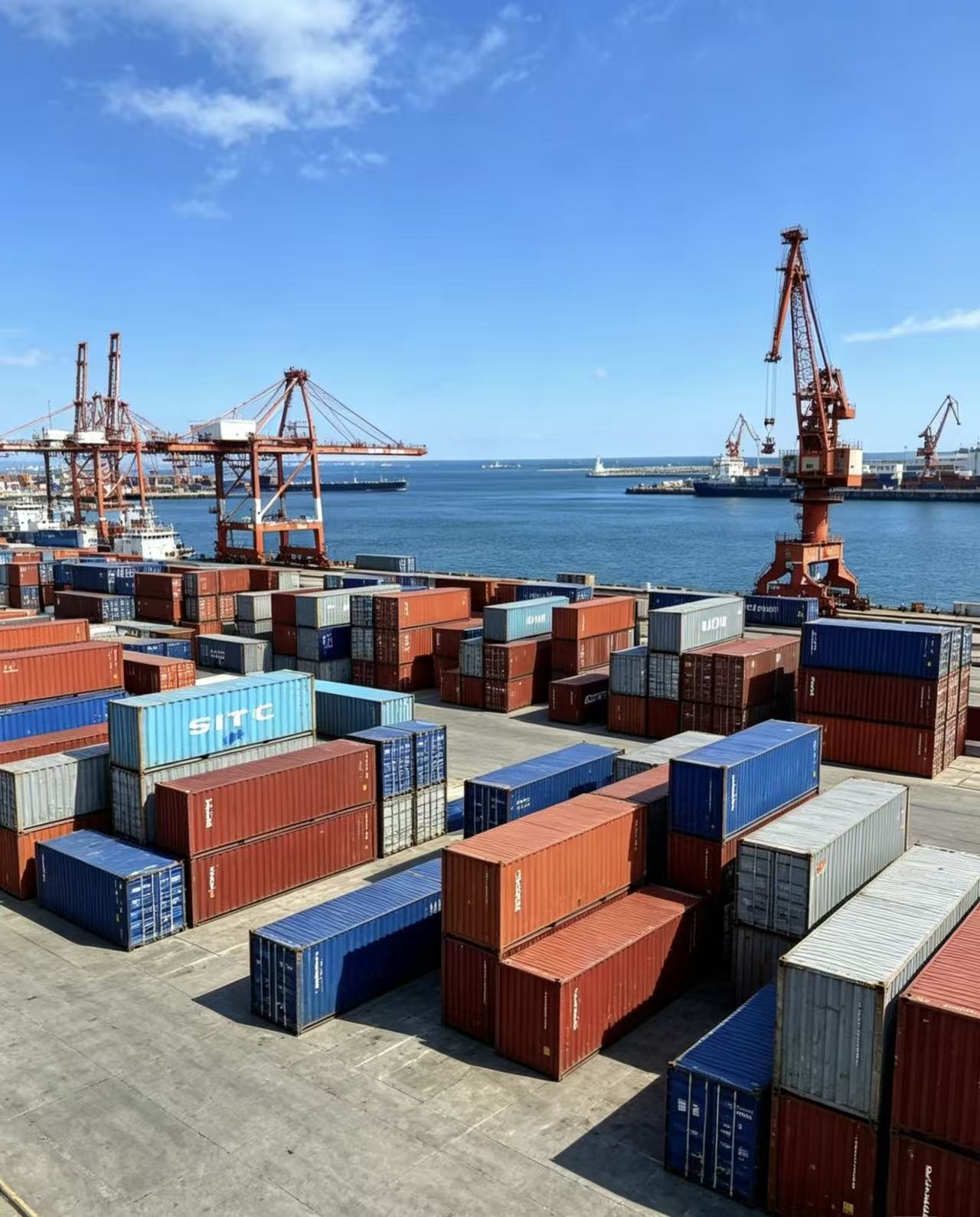
Sea Freight or Air Freight for Synthetic Leather: Which Should You Choose?
Not sure whether to ship synthetic leather by sea or air? Compare costs, transit times, advantages, and practical tips to choose the best shipping method for your business.