Why Does a Synthetic Leather Sample Often Use a Different Formula Than Bulk Orders?
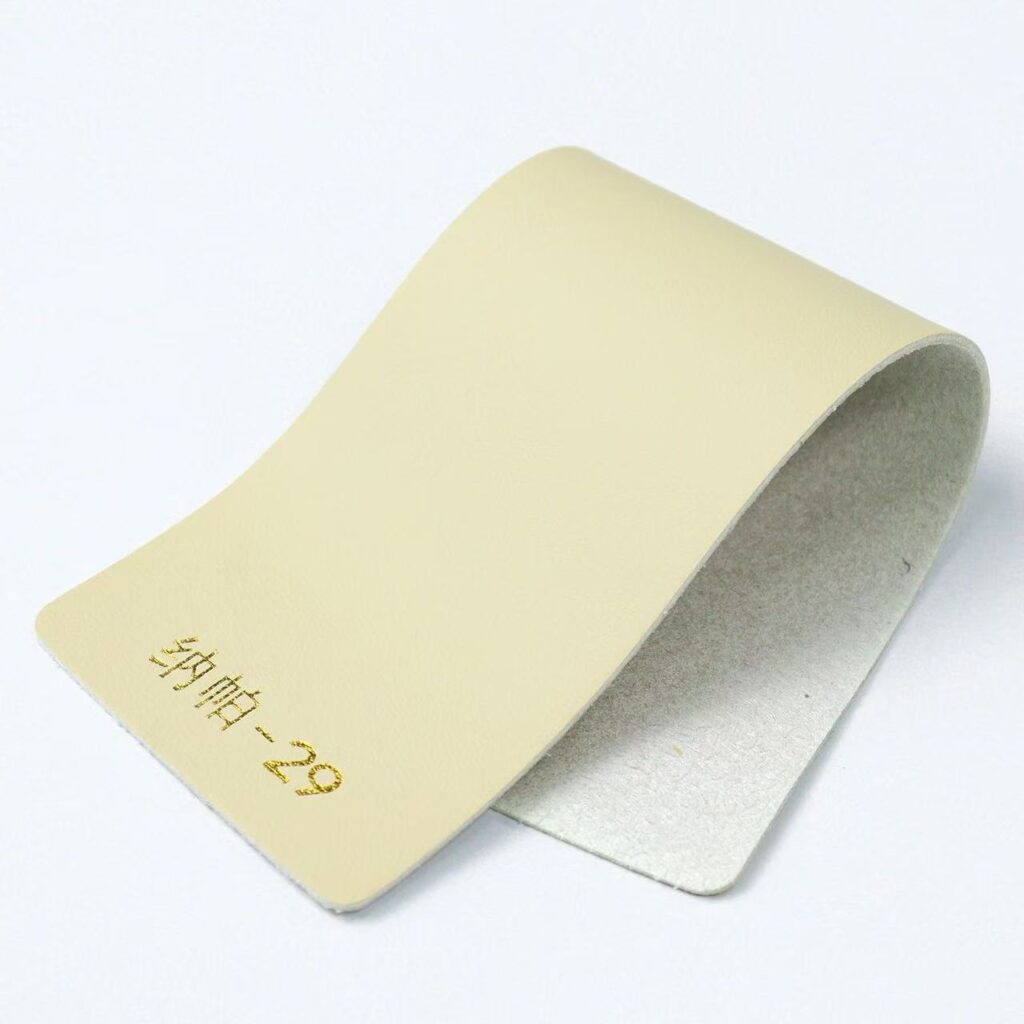
Samples feel great, look perfect, and smell fine. Then bulk orders arrive—and something feels “off.” The hidden reason is often the formula itself.
Synthetic leather samples often use presentation-focused formulas, while bulk production formulas prioritize stability, cost control, and repeatability.
Here’s something we’ve seen many times in real projects:
sample formulas and bulk formulas are not always the same.
During sample development, manufacturers focus on appearance—softness, color accuracy, surface feel. This is normal. At this stage, small adjustments are easy, materials are flexible, and cost pressure is low.
Bulk production is different. Once orders scale up, formulas must be stable, repeatable, and cost-controlled. Raw material batches change, machines run longer hours, and even small inconsistencies can multiply into visible problems.
This is why cheap synthetic leather samples are especially risky. To win attention, some suppliers use “demo-level” formulas that look excellent but cannot be reproduced reliably at scale. The sample passes—but the formula collapses under real production conditions.
In our experience at ZD Leather, reliable suppliers design samples with bulk feasibility in mind, not just short-term visual appeal.
What Production Differences Exist Between Sample Making and Bulk Manufacturing?

If the machine changes, the result changes. Many buyers don’t realize samples and bulk orders are often made on completely different equipment.
Sample production and bulk manufacturing use different machines, directly affecting thickness consistency, surface texture, and physical performance.
Sample synthetic leather is often produced on small test lines or laboratory equipment. These machines allow slow speeds, manual adjustments, and fine control—perfect for development.
Bulk production uses continuous industrial lines. Speed increases. Tension changes. Temperature zones must stay stable for hours, not minutes.
We’ve seen cases where a sample’s thickness tolerance was perfect, but bulk production showed visible variation. Not because of bad intention—but because the buyer assumed sample results would transfer directly to a high-speed line.
Surface embossing, coating adhesion, and even gloss level can shift once production moves to full-scale equipment. That’s why professional manufacturers always test process compatibility, not just sample appearance.
A sample can tell you what’s possible. Only production planning tells you what’s repeatable.
Why Can a Perfect Sample Still Fail Long-Term Performance Tests?
The sample looks fine today. The problem shows up months later—after shipping, storage, or real-world use. This is where most disputes begin.
Synthetic leather samples cannot fully predict long-term performance such as aging resistance, abrasion durability, odor stability, and climate tolerance.
A synthetic leather sample is tested in a controlled moment. Bulk materials must survive time, distance, and environment.
We’ve seen samples pass initial abrasion tests but fail after extended use. Others developed odor issues after container shipping. Some stiffened after temperature changes during overseas transport.
These problems don’t show up in short-term sample checks. They appear when materials face humidity, heat, compression, and time—all realities of global trade.
This is why experienced buyers don’t ask, “Does the sample look good?”
They ask, “Has this formula been proven in bulk export conditions?”
At ZD Leather, we focus on aging tests, abrasion stability, and VOC control specifically because samples alone cannot reveal these risks.
Conclusion
A synthetic leather sample is a reference—not a promise. Knowing what samples cannot reveal helps buyers avoid costly mistakes that only appear after bulk production begins.
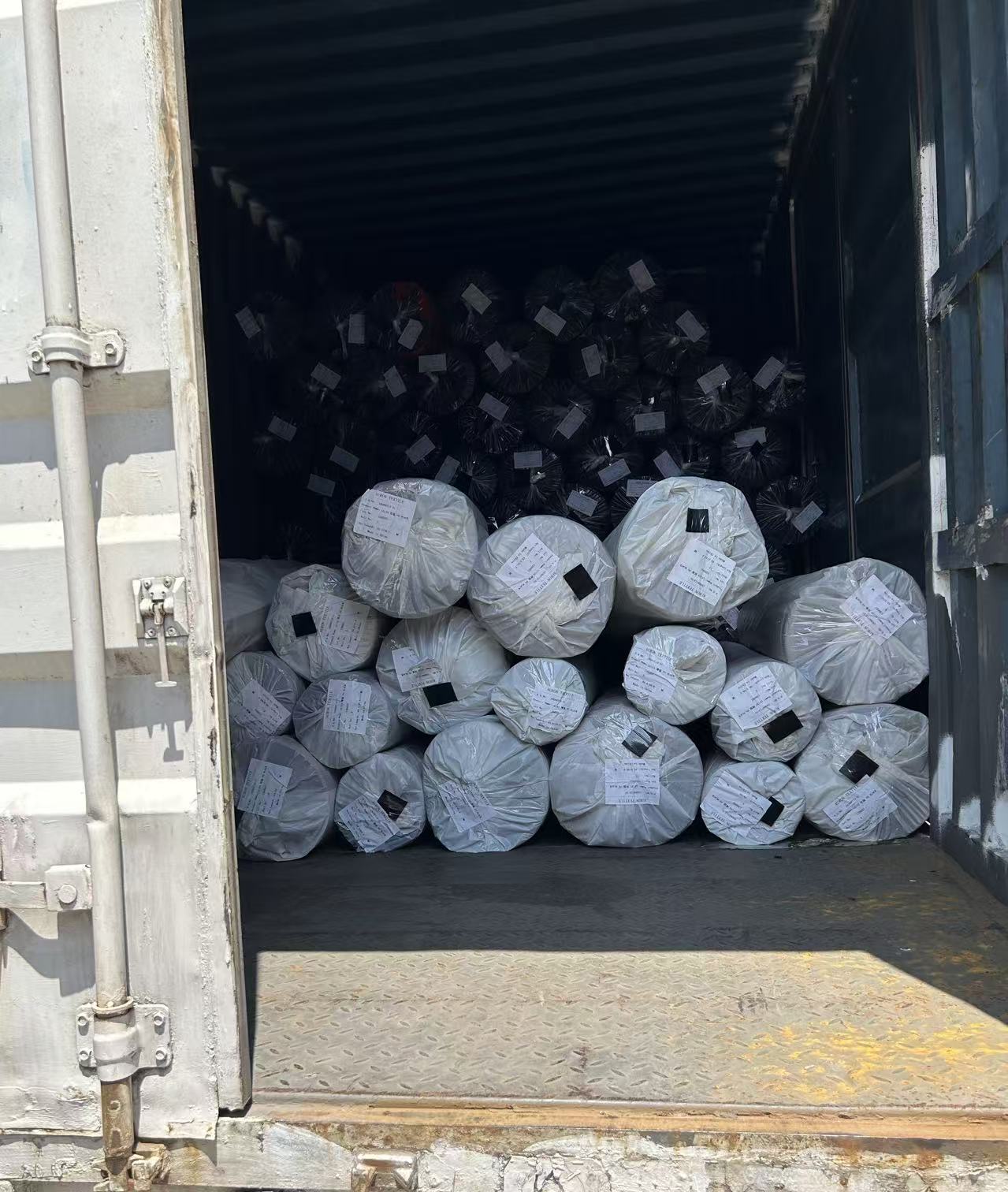
Can you provide special packaging when I import custom synthetic leather from China?
Learn how special packaging for custom synthetic leather can be arranged, including roll length, labels, plastic bags, markings, and shipping requirements.
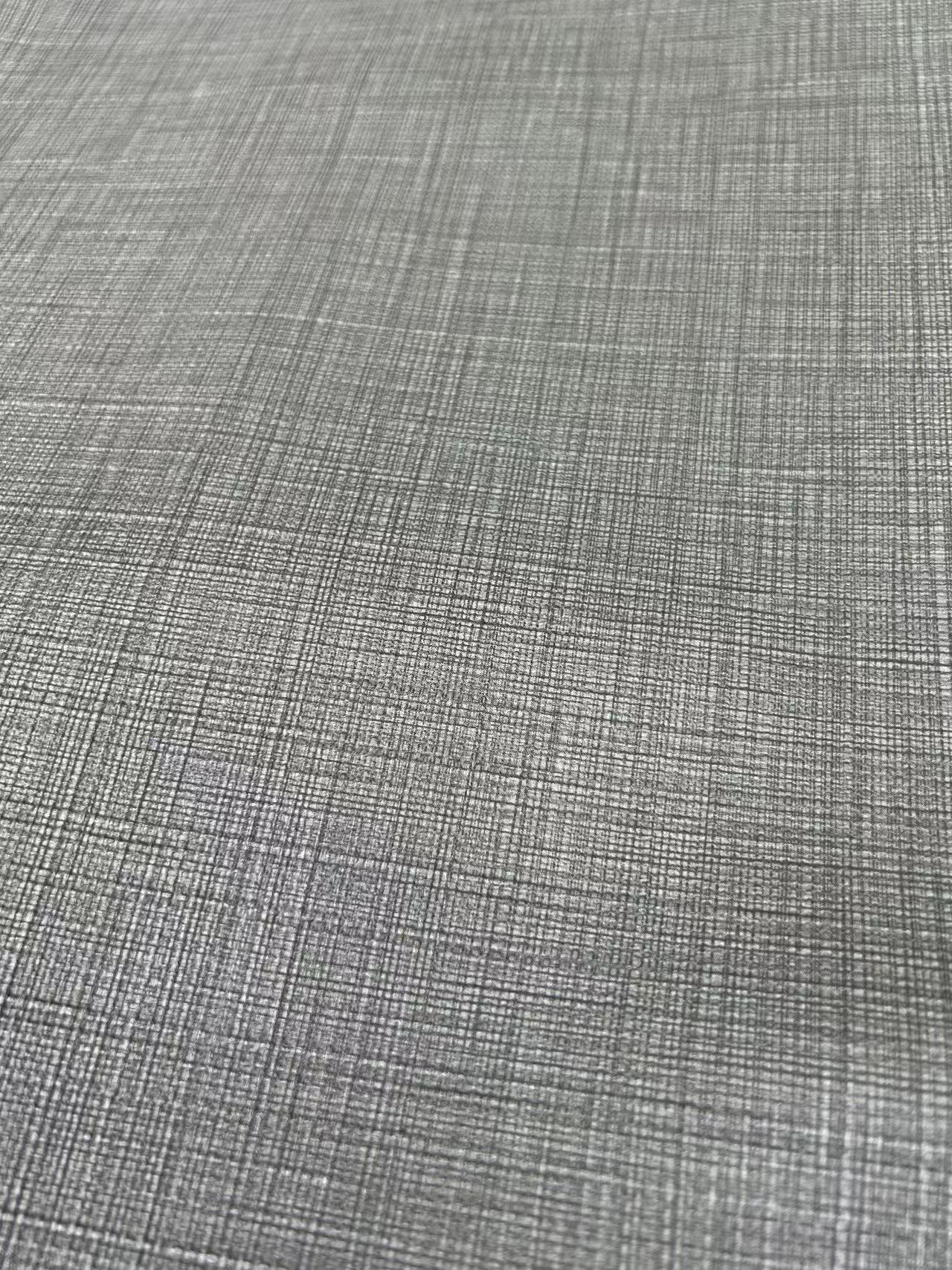
Can You Create a Custom Leather Grain Pattern When Importing Synthetic Leather from China?
Want a unique leather grain for your products? Discover how custom synthetic leather grain patterns are developed from samples using advanced vacuum texture transfer technology.
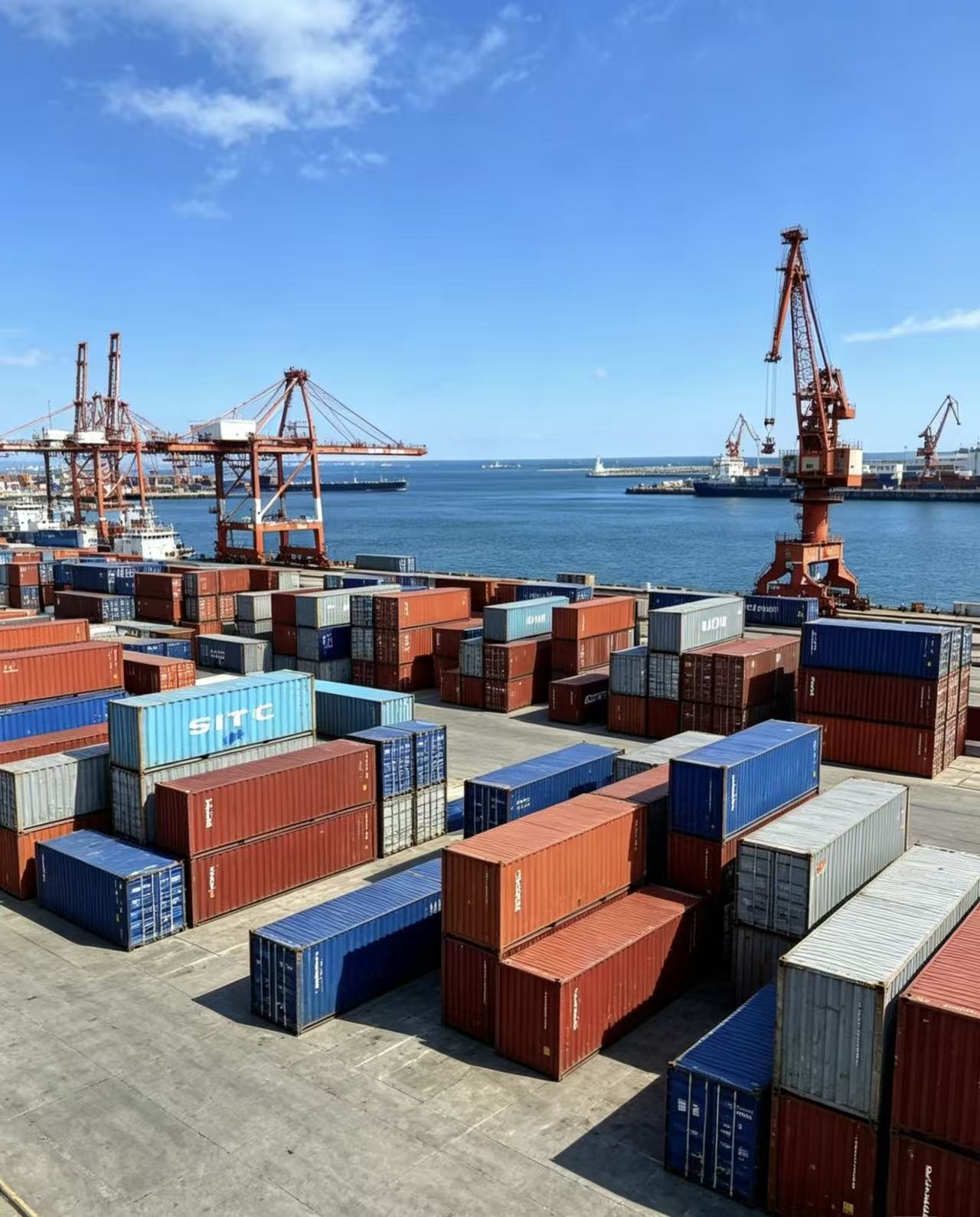
Sea Freight or Air Freight for Synthetic Leather: Which Should You Choose?
Not sure whether to ship synthetic leather by sea or air? Compare costs, transit times, advantages, and practical tips to choose the best shipping method for your business.