
Are Buyers Comparing Faux Leather Prices Without Matching Specifications?
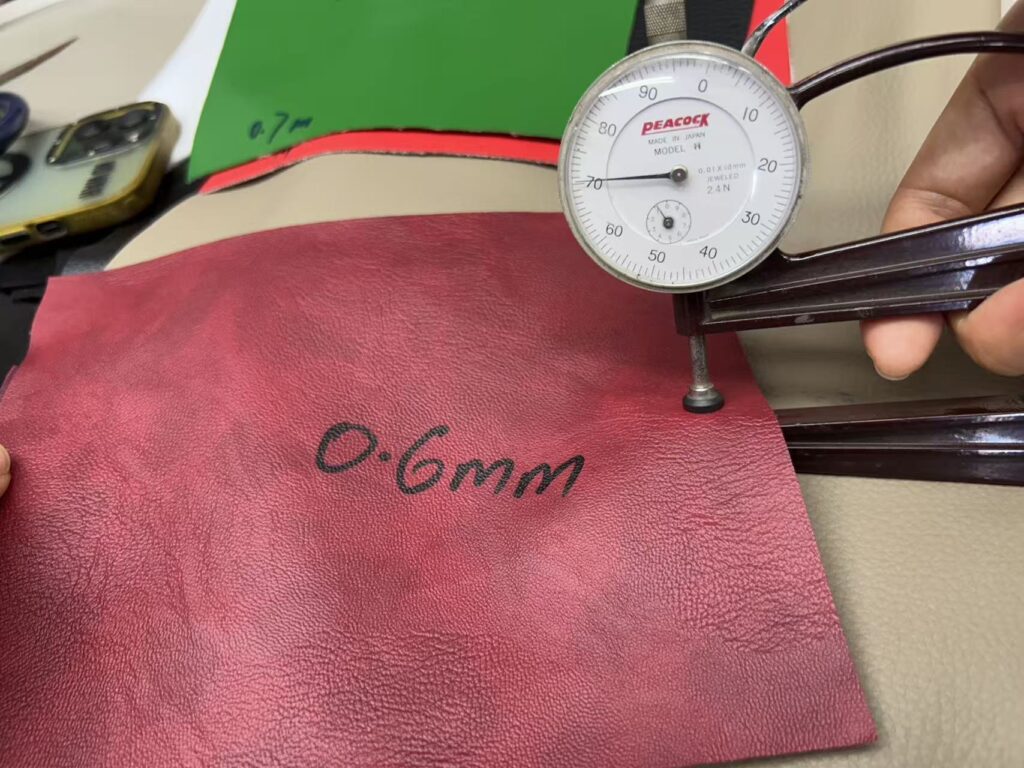
Comparing prices feels simple, but ignoring specifications turns that simplicity into risk. When faux leather specs don’t match, price comparisons become meaningless and misleading.
Faux leather prices can only be compared accurately when thickness, coating formulation, backing fabric, and surface treatment are identical. Without matching specifications, price differences reflect material structure—not supplier pricing.
In real sourcing situations, we often see buyers request multiple quotes for “the same faux leather” while providing only photos or a target price. However, materials that look similar may differ significantly in PVC or PU layer formulation, coating weight, or base fabric construction. Even small variations in these parameters change material cost and performance. Without aligning specifications first, price comparisons do not reflect true value.
Why Thickness and Backing Fabric Change Synthetic Leather Costs More Than Expected
Many buyers assume thickness is a minor detail. In reality, thickness and backing fabric are two of the strongest cost drivers in synthetic leather manufacturing.
Increasing synthetic leather thickness or upgrading backing fabric raises material consumption, production time, and performance capability—directly affecting price and durability.
A 0.1 mm increase in thickness does not translate into a simple incremental cost. Thicker synthetic leather requires more resin, longer curing time, and stronger base fabric to maintain stability. Likewise, woven and non-woven backings differ greatly in tensile strength, dimensional stability, and lifespan. These structural elements determine whether faux leather performs reliably in —making them far more important than surface appearance alone.
How End Use Is Ignored When Comparing Faux Leather Prices
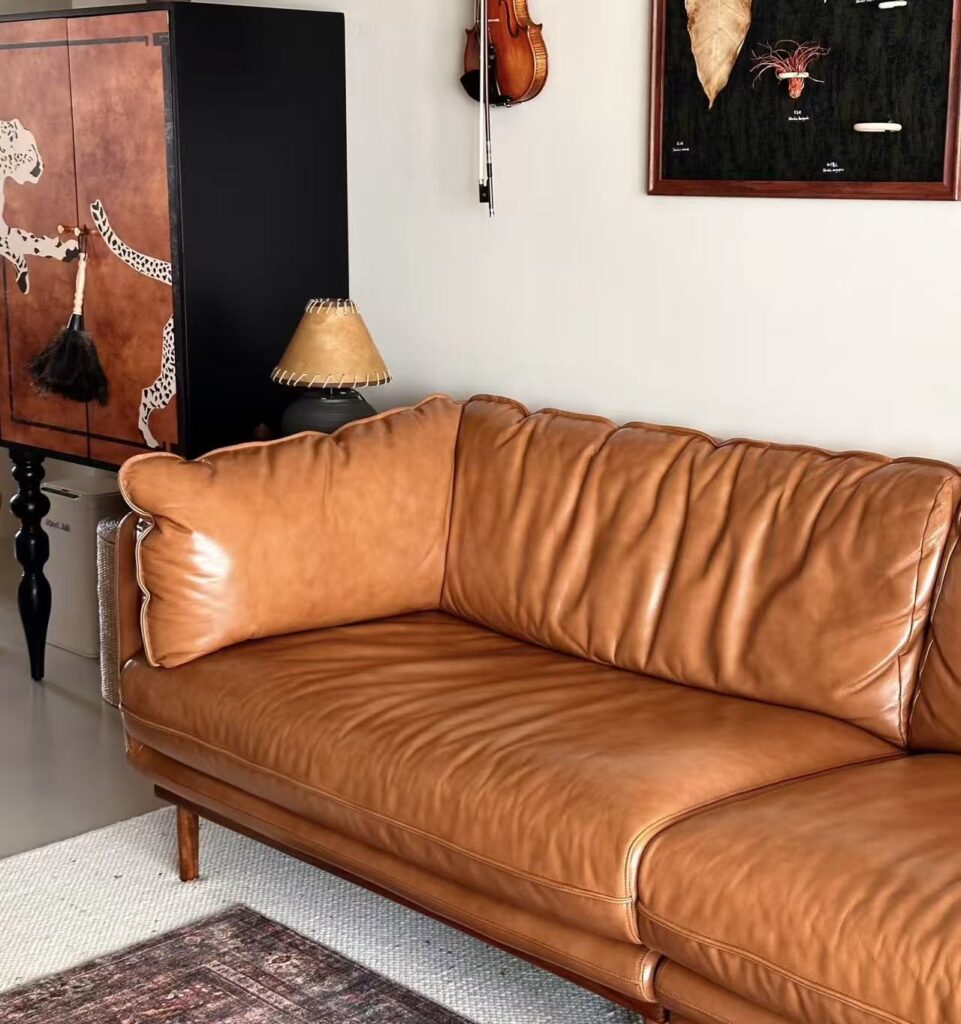
When end use is unclear, price comparisons lose context. Faux leather designed for one application may fail quickly in another, regardless of initial cost savings.
End use defines performance standards. Faux leather for sofas, automotive interiors, or bags requires different formulations, testing criteria, and cost structures.
Furniture upholstery demands abrasion resistance and long-term flexibility. Automotive applications require stricter aging, temperature, and emission standards. Bag materials prioritize fold resistance and surface finish. Quoting or comparing prices without clarifying end use often results in unsuitable material selection. This is why professional factories evaluate application requirements before confirming any meaningful price.
Why the Cheapest Faux Leather Often Becomes the Most Expensive Choice
Low prices attract attention, but hidden costs surface later. When material performance fails, savings disappear quickly.
Cheap faux leather often leads to higher total cost due to product returns, rework, customer complaints, and supply replacement delays.
From a factory perspective, we see issues arise after bulk production: cracking, delamination, odor complaints, or premature wear. These problems force buyers to change suppliers, remake products, or miss selling seasons. What appeared to be a cost advantage becomes a loss in time, reputation, and logistics. Evaluating price without performance context shifts risk from the supplier directly onto the buyer.
Conclusion
Faux leather prices should never be compared in isolation. Only when specifications, thickness, backing fabric, and end use are aligned does price reflect true value. In synthetic leather sourcing, correct comparison protects both cost and outcome.
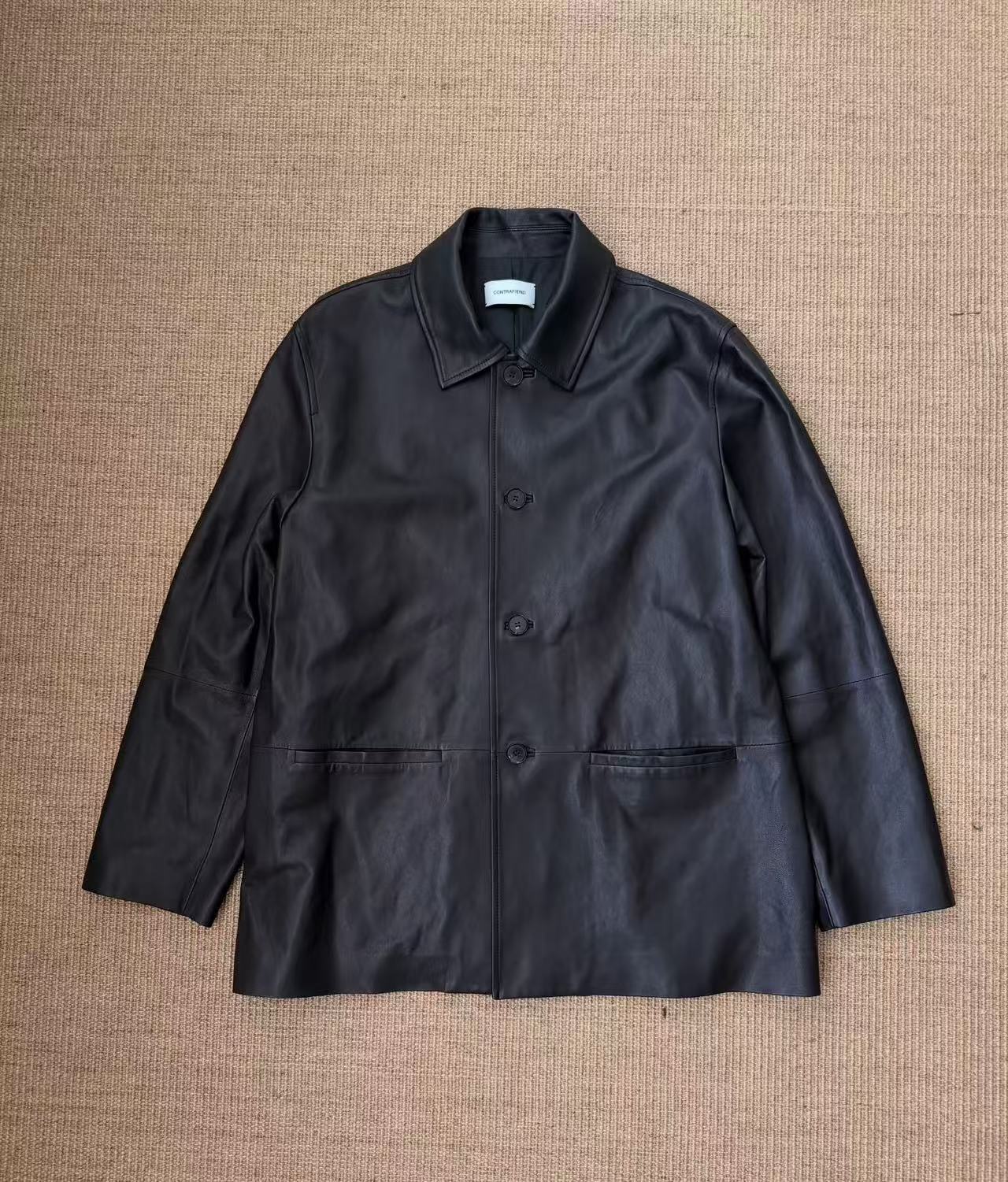
What is garment leather?
Discover what garment leather is and compare PU, PVC, and natural leather. Learn how comfort, breathability, durability, and cost affect your material choice.
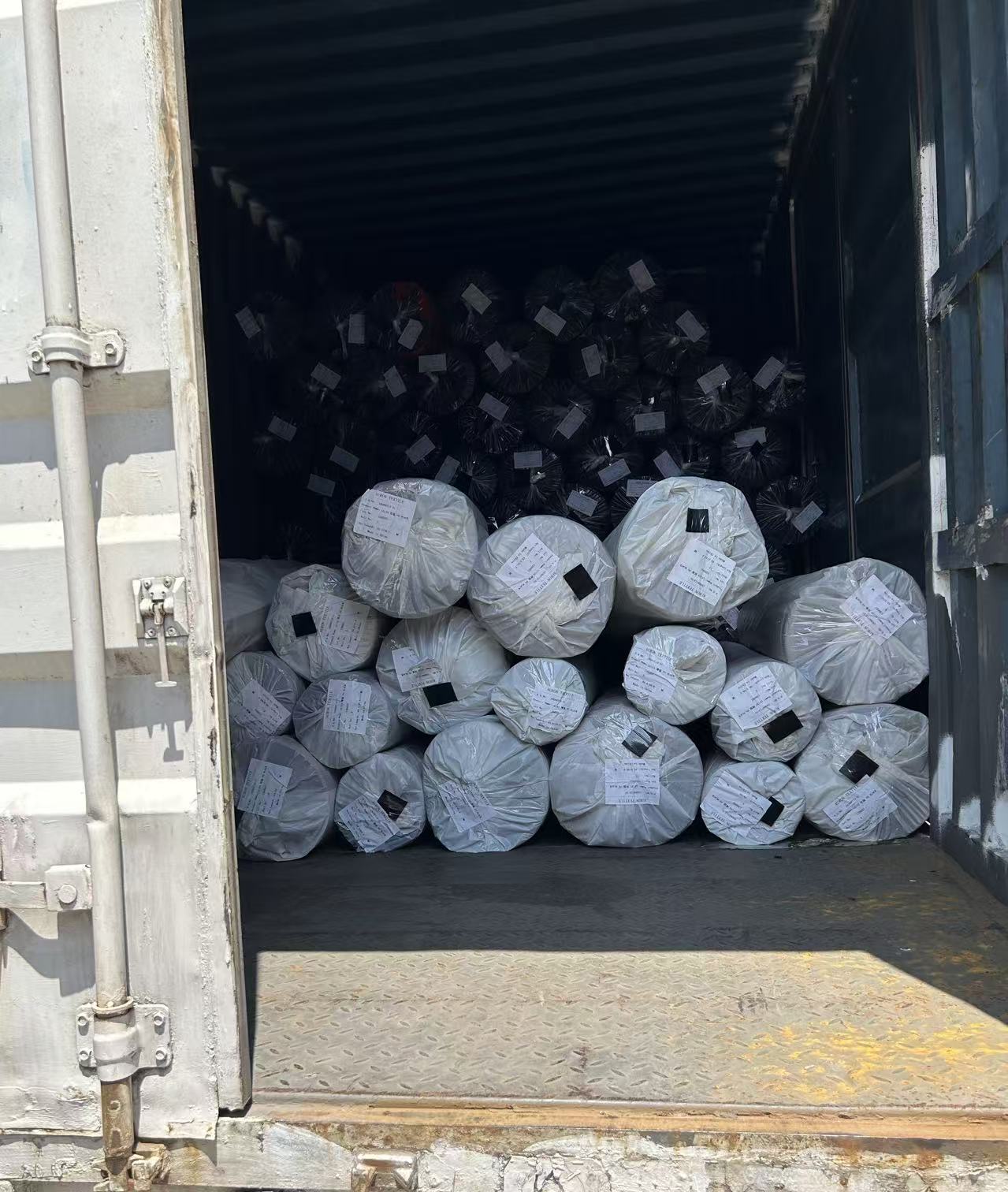
Can you provide special packaging when I import custom synthetic leather from China?
Learn how special packaging for custom synthetic leather can be arranged, including roll length, labels, plastic bags, markings, and shipping requirements.
Can You Create a Custom Leather Grain Pattern When Importing Synthetic Leather from China?
Want a unique leather grain for your products? Discover how custom synthetic leather grain patterns are developed from samples using advanced vacuum texture transfer technology.