
What Makes Artificial Leather Suitable for Public Transport Seating and Headrests?

Public seating takes a beating—daily passengers, dirt, oils, and heat. Materials that can’t handle this will age fast and look worse.
Headrests especially are up close and personal. Sweat, skin oils, and hair products make this spot a cleaning nightmare if the material isn’t right.
Artificial leather is smooth, non-porous, and built for daily abuse—ideal for high-use areas like seats and head panels.
Artificial leather resists dirt, sweat, and scuffs—making it perfect for both transit seats and headrests.
Artificial leather upholstery has what trains and planes need: It’s tough enough for long journeys and soft enough for heads to rest on. Headrests? No problem. A quick wipe, and it’s clean again. This material saves maintenance time and keeps interiors looking sharp.
Is Artificial Leather Easy to Maintain in Mass Transit?
Fabric seats may feel comfy, but when ketchup or coffee strikes—yikes.
Maintenance teams don’t have time to shampoo 300 seats a week.
Artificial leather is wipe-and-go. It’s stain-resistant, water-resistant, and saves big on upkeep.
Transit companies love artificial leather because it’s fast to clean and resistant to daily messes.
In a busy environment like a train or airplane, upholstery needs to clean up fast. Artificial leather just takes a cloth and some mild cleaner. That’s it. No soaking, no drying, no headaches. And bonus: it still looks sleek and fresh.
How Does Artificial Leather Ensure Passenger Safety?
Fires are rare, but when they happen, materials need to delay flame spread.
Using flammable or uncertified material can violate regulations and endanger passengers.
Artificial leather can be made flame-retardant and certified to meet transit standards like FAR 25.853 or EN 45545.
With proper certification, artificial leather meets fire safety rules for aviation and rail interiors.
Many artificial leather products today are built to meet international safety standards. Whether it’s a plane cabin or a train coach, your synthetic leather seating will be safe, compliant, and worry-free.
Can Artificial Leather Be Customized for Design and Comfort?

Passengers don’t want to sit on something that looks like it came from a 1980s bus.
Cheap or outdated upholstery materials give the wrong impression—and poor comfort doesn’t help either.
Artificial leather comes in endless textures, colors, and finishes—and can feel as luxurious as genuine leather.
Artificial leather offers modern design flexibility to match your brand’s identity and seating comfort.
Want sleek black vegan leather for business class? Or maybe bold red panels for your city express line? Artificial leather can do both—and more. Matte, glossy, grainy, perforated—you name it. Comfort meets creativity.
Why Do Airlines and Train Companies Prefer Artificial Leather?
Real leather is expensive and hard to maintain. Fabrics stain easily and wear out.
High maintenance = high cost. And uncomfortable or ugly seating? Passengers notice.
Artificial leather checks all the boxes: affordable, stylish, durable, easy to clean, and safe.
Airlines and railway companies choose artificial leather upholstery because it balances comfort, cost, safety, and design.
It’s no wonder artificial leather is dominating the transit world. You get the high-end look without the high-end cost, it’s easier to clean than fabric, and it lasts longer. Plus, with safety ratings and custom design options, it’s a win-win for everyone.
Conclusion Paragraph
From seat backs to headrests, artificial leather delivers the durability, safety, and style public transport demands. For airlines and railways seeking comfort, performance, and cleanable surfaces, it’s the smart and stylish upholstery solution.
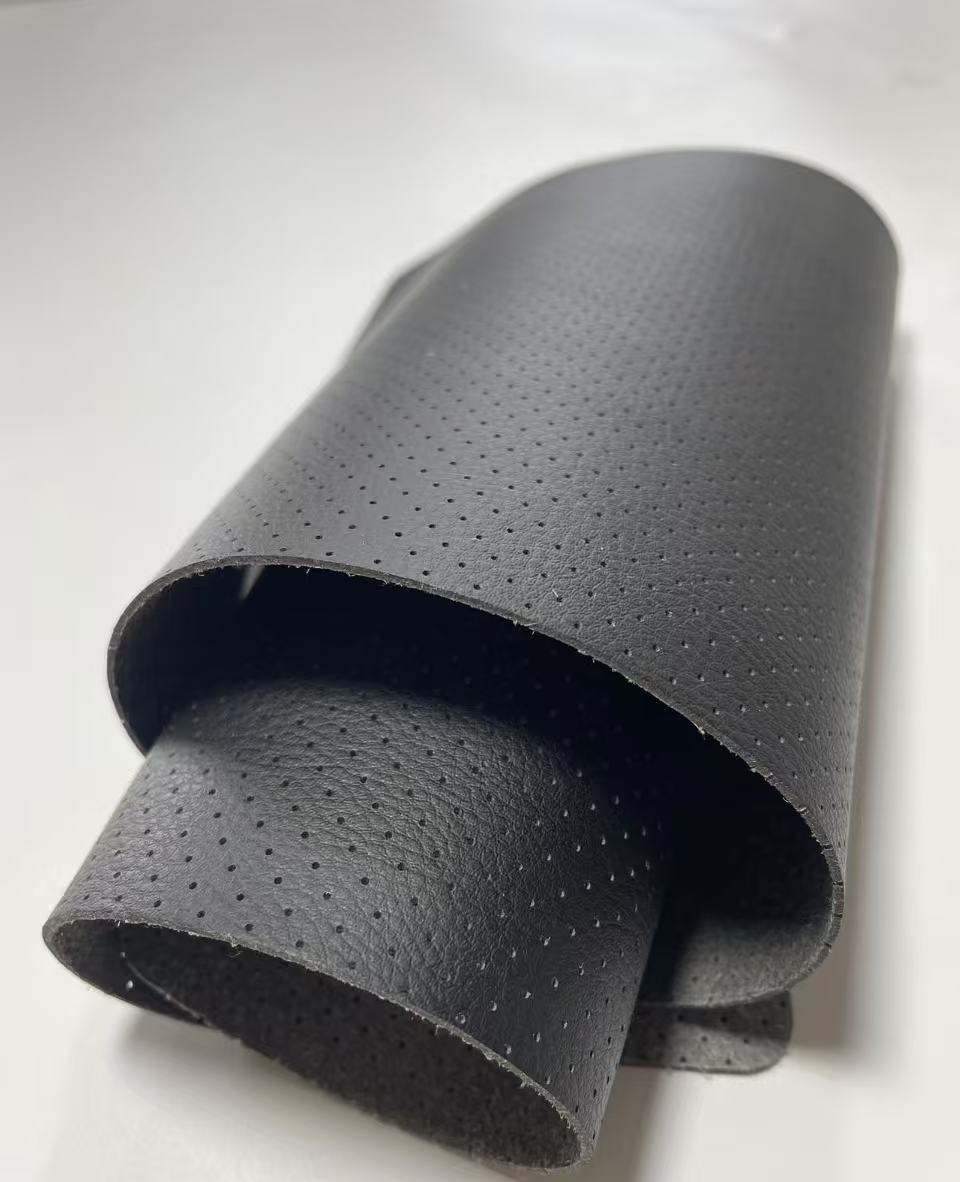
Why Can Two Synthetic Leathers With the Same Specifications Perform Very Differently?
Synthetic leather with the same specifications can still perform differently. This article explains the hidden factors behind performance gaps and how buyers can ensure consistent quality.
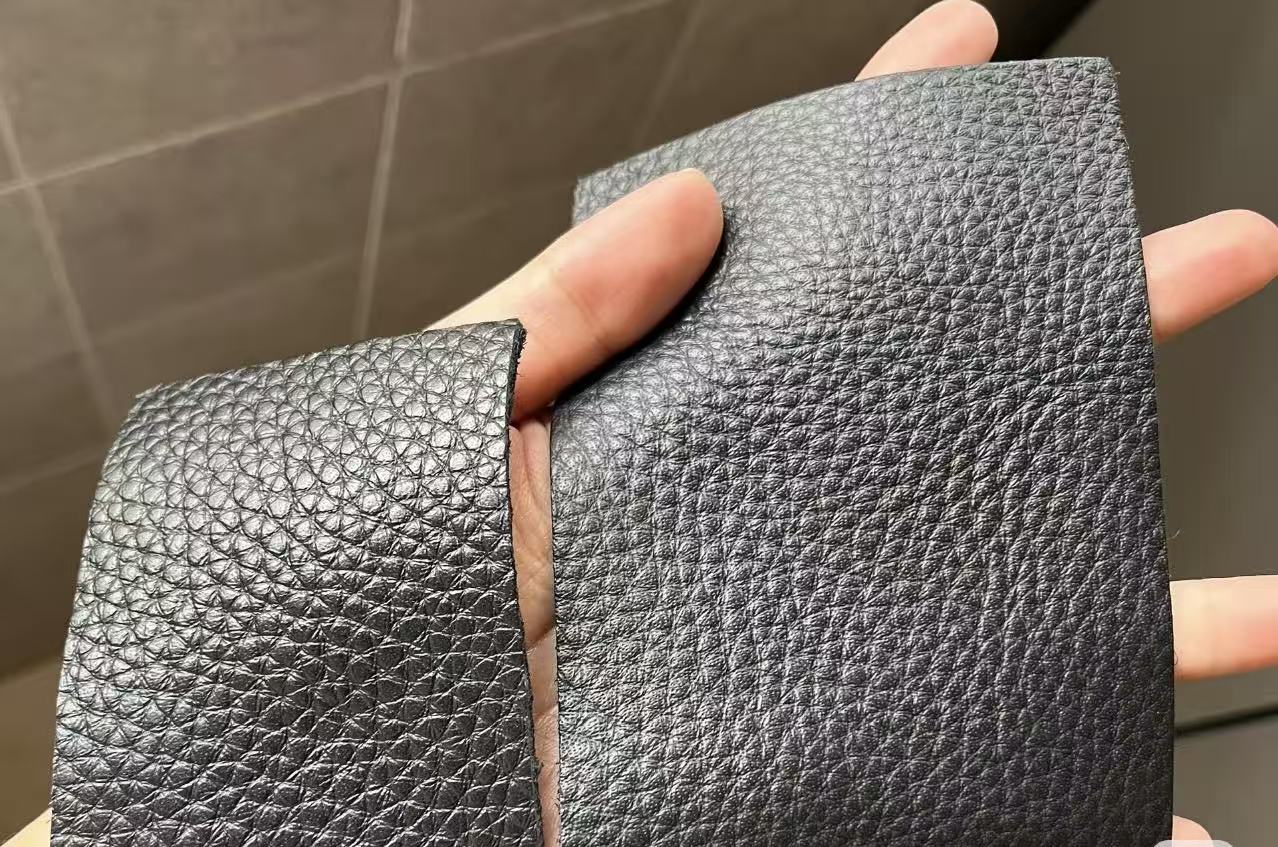
Why Does Synthetic Leather Quality Vary Between Batches?
Synthetic leather quality can vary between batches due to materials, production, and supplier control. This guide explains the causes and how buyers can ensure consistent quality.
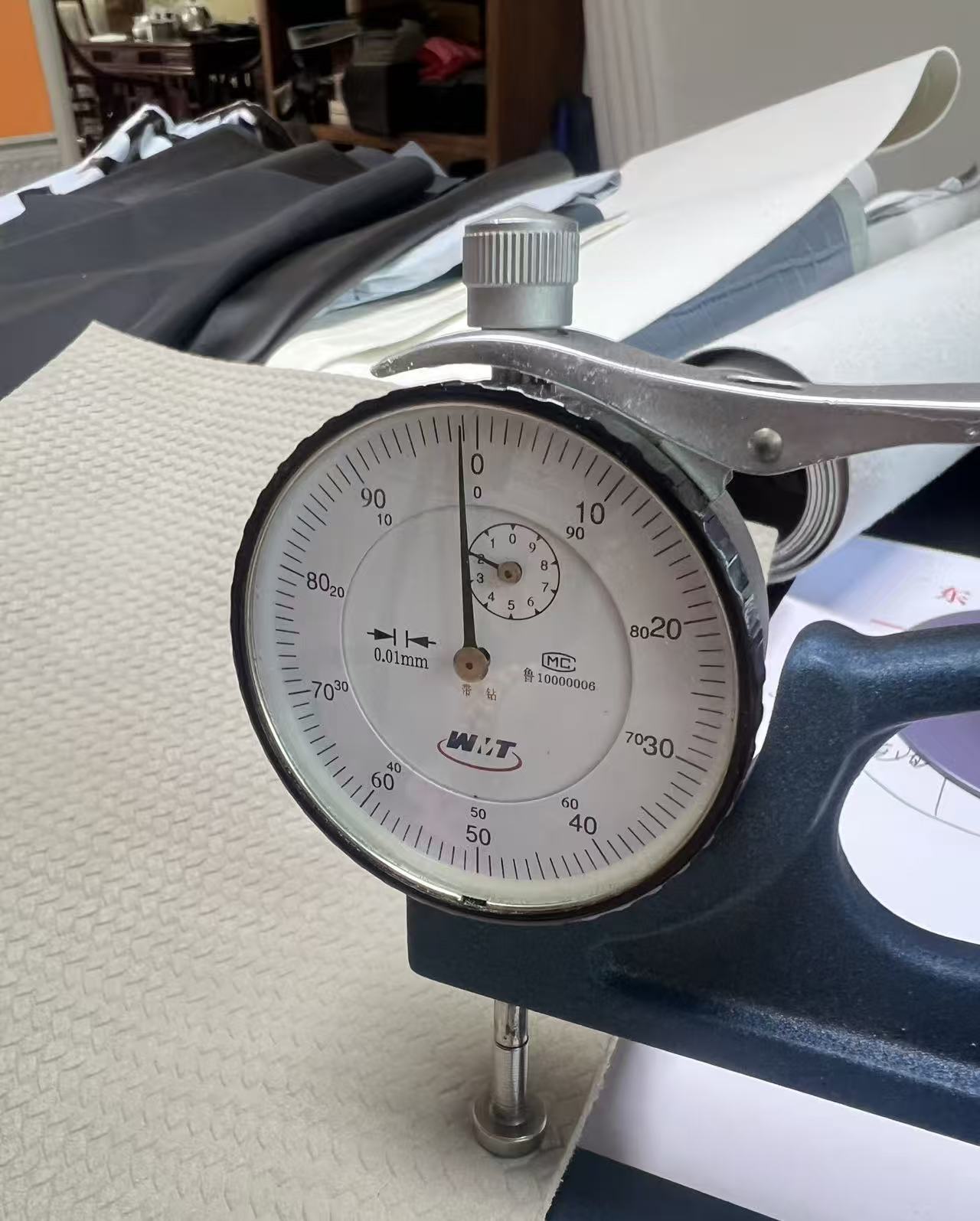
Does Thickness Really Decide Faux Leather Quality (And What Matters More)?
Many buyers assume thicker faux leather means better quality. This article explains why thickness alone is not enough and what really determines synthetic leather performance.