
What Is Artificial Leather Made Of?
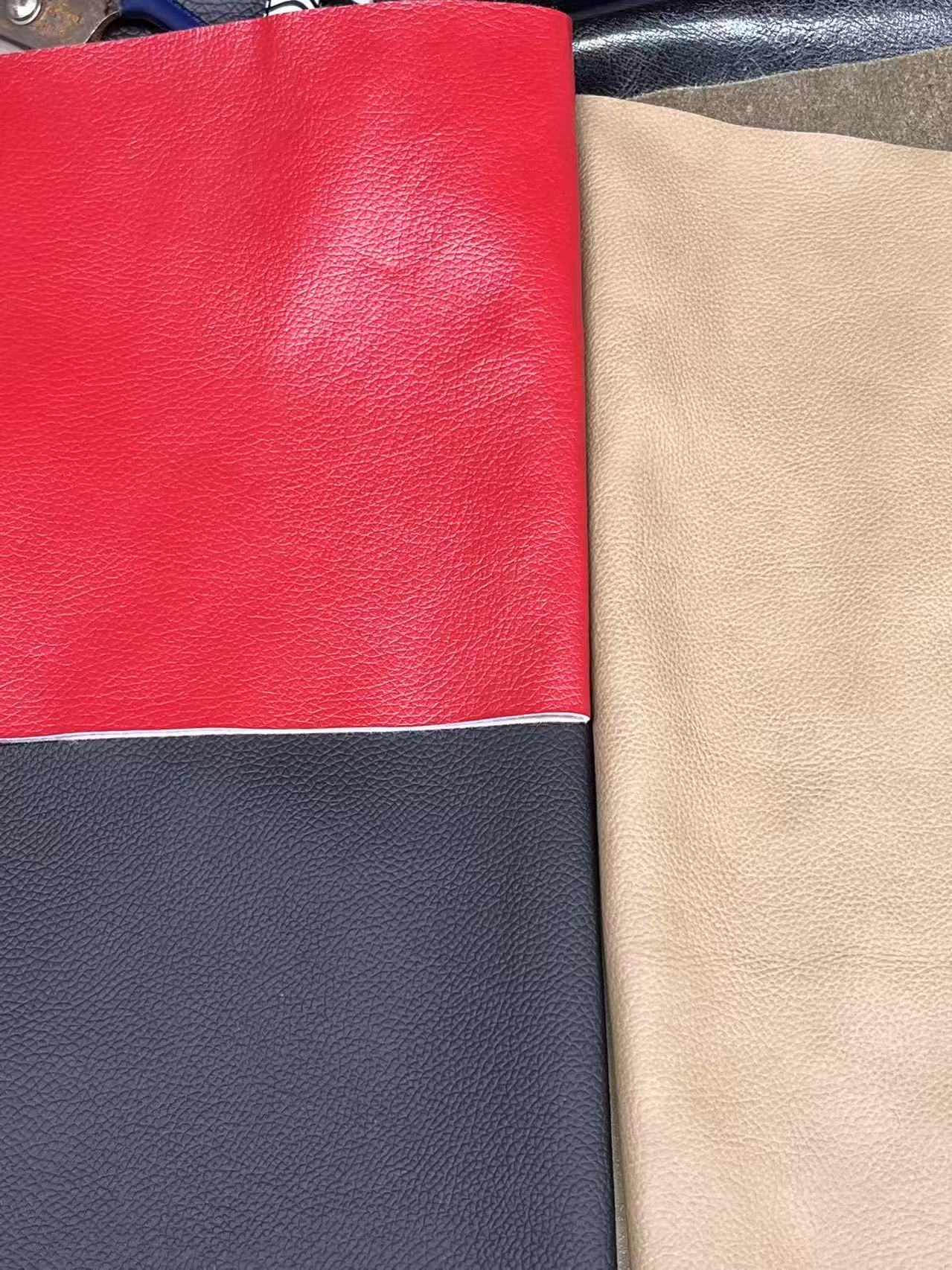
Not knowing the base material of artificial leather might lead to unrealistic expectations about its feel or performance.
Some may think it’s just plastic—too stiff or low-end—without realizing its true range of quality and uses.
Understand the layered structure of artificial leather and its adaptability across industries.
Artificial leather is made from PVC or PU layered over a fabric base—offering durability, water resistance, and cost efficiency.
Artificial leather, also known as synthetic leather, is made by applying a polyurethane (PU) or polyvinyl chloride (PVC) coating to a fabric base such as woven, knitted, or non-woven cloth. It’s a practical, customizable alternative to real leather, widely used in furniture, automotive, fashion, and packaging. It doesn’t contain animal products and comes in endless finishes—from matte to glossy, textured to smooth.
What Is Microfiber Leather Made Of?
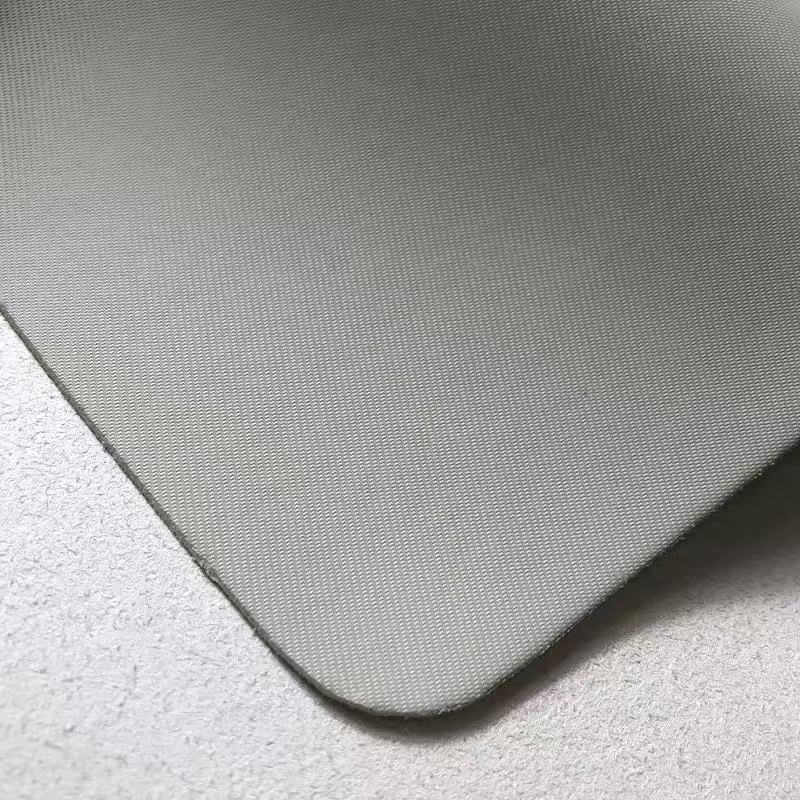
Confusing microfiber with standard PU may cause customers to miss its high-performance benefits.
Without understanding its structure, you might overlook its superior breathability, resilience, and premium feel.
Learn how microfiber leather is engineered to resemble real leather inside and out.
Microfiber leather is made by bonding ultra-fine synthetic fibers in a 3D network and coating them with PU—offering superior strength and breathability.
Microfiber leather (also known as microfiber synthetic leather or “超纤革”) is a high-end artificial leather. It is made by forming a dense three-dimensional network of superfine fibers (through carding, needle-punching or hydroentangling), which is then impregnated with high-performance polyurethane using a wet process. The result is a material that closely mimics the structure and feel of natural leather, with excellent durability, softness, and dimensional stability. It’s the preferred choice for premium shoes, bags, automotive interiors, and sports goods.
What Are the Key Differences Between Artificial Leather and Microfiber Leather?
Misunderstanding these differences may affect material selection for specific applications like shoes or furniture.
Choosing the wrong leather could mean unhappy customers or higher production costs.
Compare features side-by-side to understand which suits your needs better.
Microfiber leather is stronger, more breathable, and feels more like real leather; artificial leather is more economical and widely used in various industries.
| Feature | Artificial Leather | Microfiber Leather |
|---|---|---|
| Material Base | PU/PVC + fabric | Superfine fiber + PU |
| Texture | Varies, less breathable | Feels like real leather, breathable |
| Durability | Good for general use | Excellent, longer lasting |
| Application | Furniture, auto seats, fashion | Premium shoes, high-end interiors |
| Cost | Affordable | Higher price point |
Artificial leather is great for cost-effective, mass-market needs. Microfiber leather, however, is for buyers looking for premium quality and leather-like performance.
Which Material Is More Durable?
Durability impacts lifespan and value; picking the wrong one can mean higher replacement costs.
A cracked bag handle or peeled sofa cover isn’t a good look for any brand.
Choose based on expected use intensity and lifespan requirements.
Microfiber leather generally lasts longer and resists wear better, especially in high-use applications.
Artificial leather can last for several years with good care, especially in low to medium-use environments. However, microfiber leather typically outperforms it in wear resistance, flex endurance, and environmental stability—making it the go-to for products under stress, such as sports gear, premium automotive interiors, or frequently handled handbags.
Which One Should You Choose for Your Business?
Without application-specific guidance, customers may overpay or underperform with the wrong choice.
It’s easy to end up with overkill—or worse, underperformance—if the application isn’t matched properly.
Match the material to your product, budget, and brand positioning.
Choose artificial leather for budget-friendly versatility, and microfiber leather for high-end products demanding superior texture and performance.
If you’re manufacturing high-end goods or products with a strong sustainability or luxury angle, microfiber leather is a great choice. For broader use—like furniture, packaging, or lower-cost footwear—artificial leather offers excellent value. ZD Leather supplies both options and helps match material to your exact product needs.
Conclusion
Both artificial leather and microfiber leather offer value in their own ways. Knowing the differences helps you choose smart—whether you want affordability or luxury-grade performance.
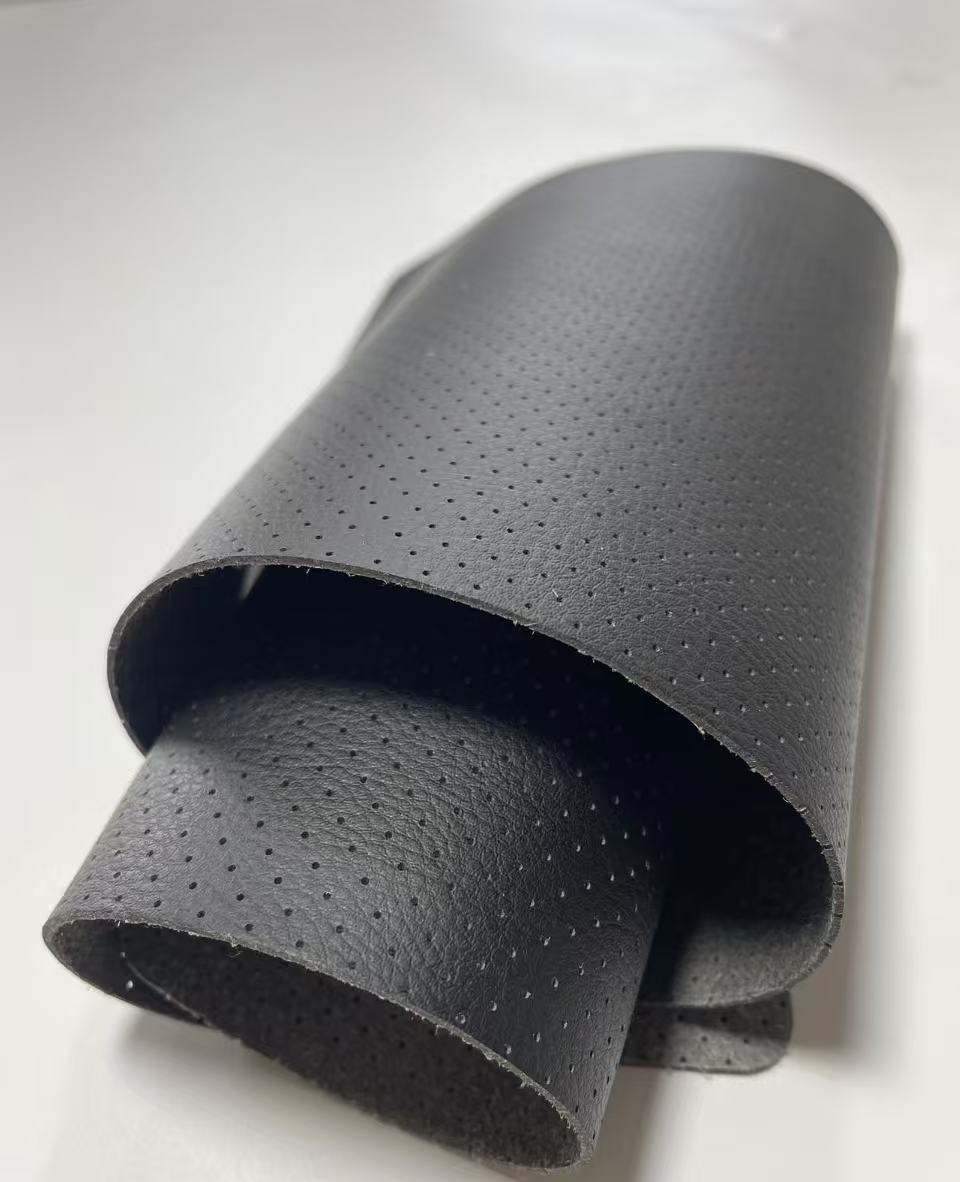
Why Can Two Synthetic Leathers With the Same Specifications Perform Very Differently?
Synthetic leather with the same specifications can still perform differently. This article explains the hidden factors behind performance gaps and how buyers can ensure consistent quality.
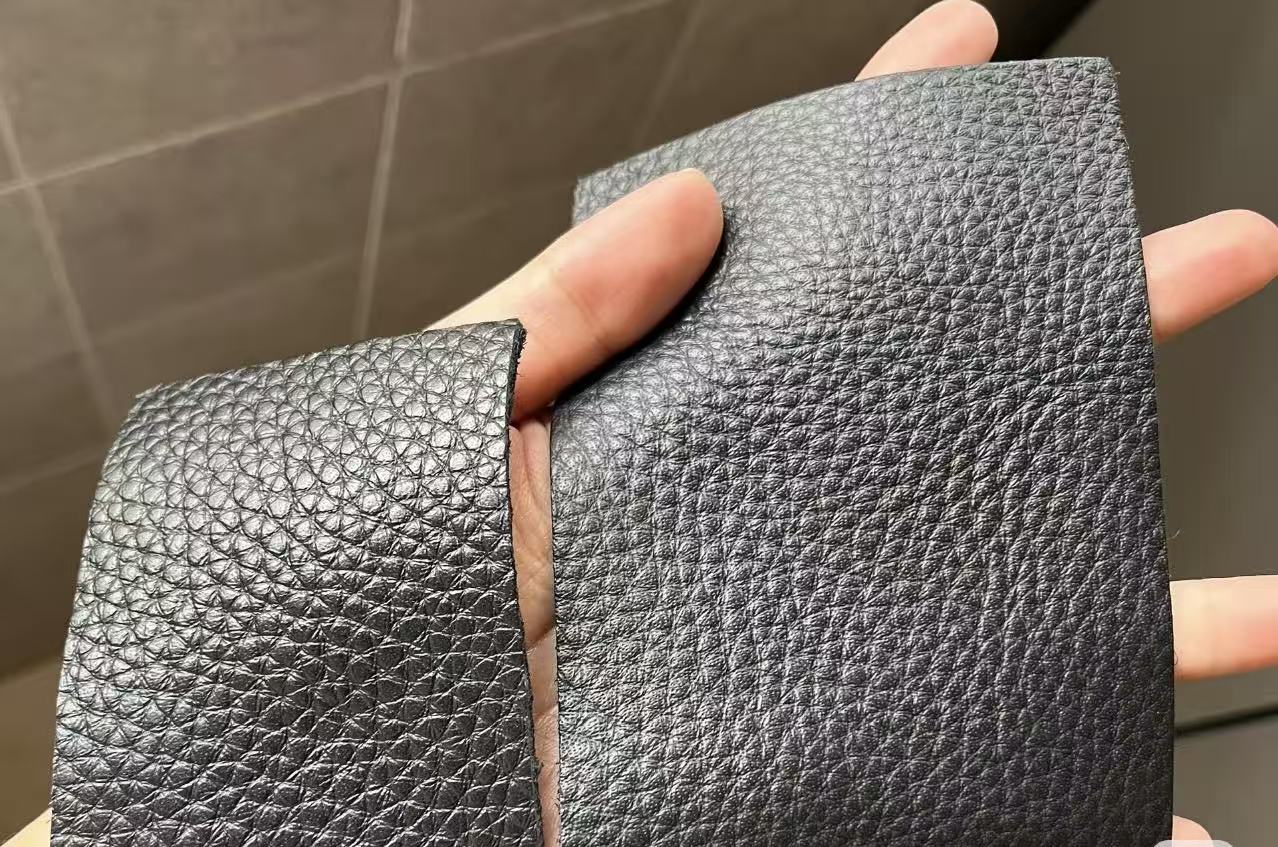
Why Does Synthetic Leather Quality Vary Between Batches?
Synthetic leather quality can vary between batches due to materials, production, and supplier control. This guide explains the causes and how buyers can ensure consistent quality.
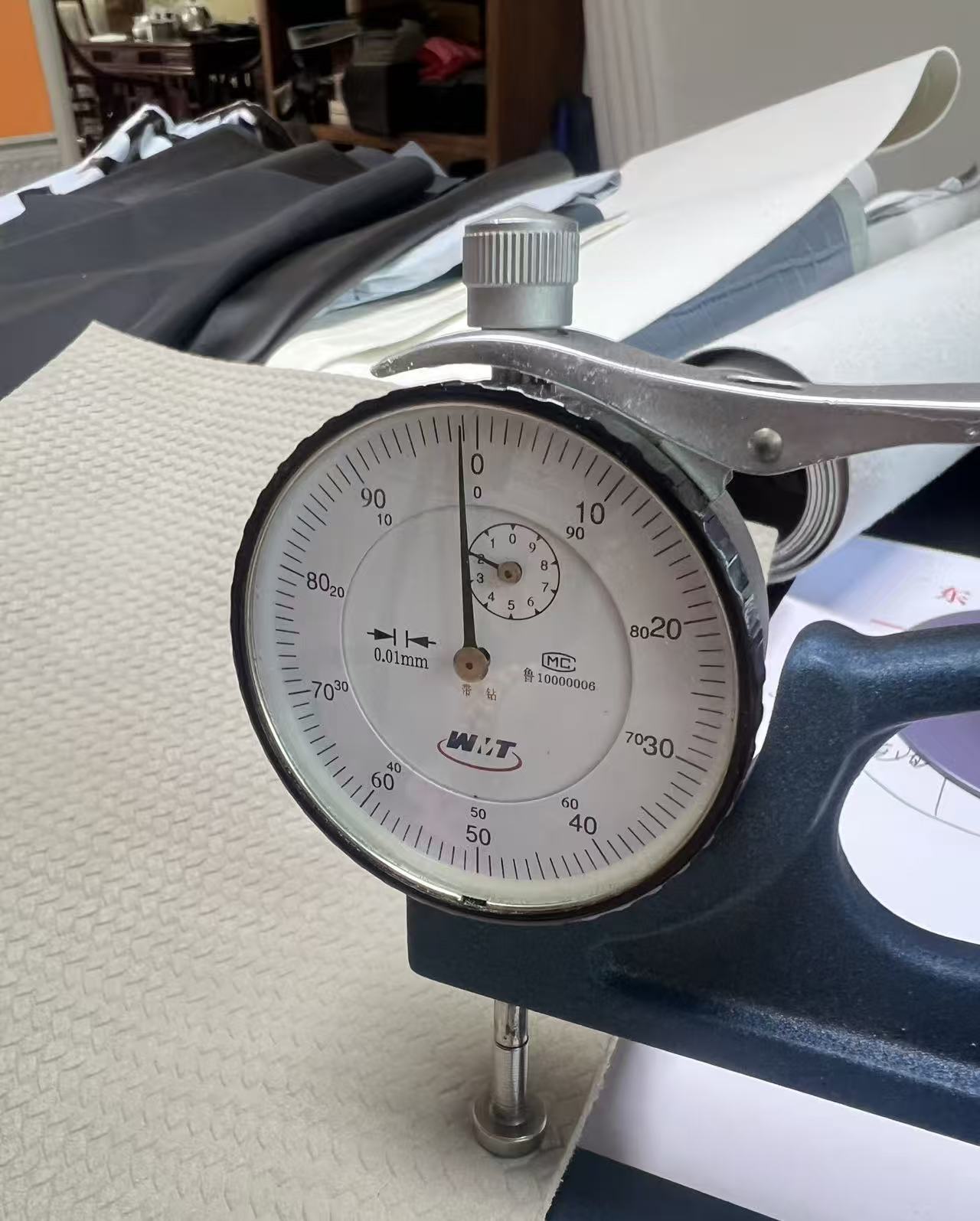
Does Thickness Really Decide Faux Leather Quality (And What Matters More)?
Many buyers assume thicker faux leather means better quality. This article explains why thickness alone is not enough and what really determines synthetic leather performance.