
What Does Abrasion Resistance Really Measure?
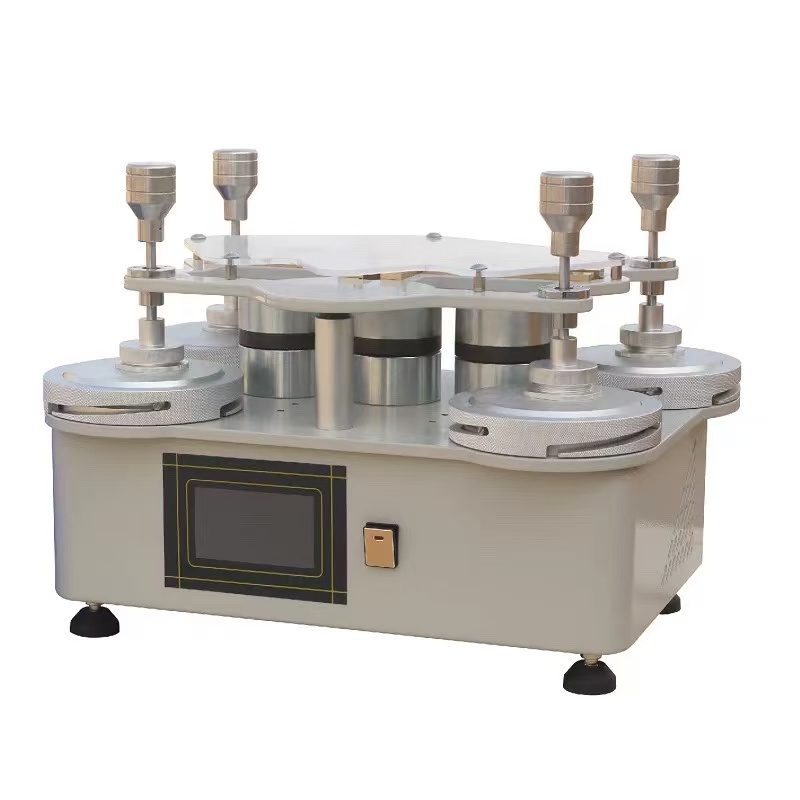
You’ve probably seen abrasion test results—but what do they actually mean?
Abrasion resistance measures how well faux leather withstands repeated friction, often tested using methods like Martindale cycles.
In simple terms, abrasion resistance tells you how long a material can survive rubbing before it starts to wear.
The most common test is the Martindale test, where a fabric or synthetic leather sample is rubbed repeatedly under controlled pressure. The result is shown as a number of cycles.
Higher cycles mean better resistance—but only in a controlled lab environment.
And that’s an important detail. Real-world use is rarely that controlled.
Does Higher Abrasion Resistance Always Mean Better Quality?
It’s tempting to think: higher number = better material. But that’s not always true.
Extremely high abrasion resistance can reduce softness and comfort, making the material less suitable for seating.
To increase abrasion resistance, manufacturers often adjust the coating formulation.
The result? A tougher surface—but sometimes also a stiffer one.
For furniture, especially sofas, comfort matters. A material that feels too hard may not be ideal, even if it lasts longer.
There’s also the cost factor. Pushing for very high abrasion resistance usually increases production cost.
So the real question is not “What’s the highest number?” but “What’s the right balance?”
How Much Abrasion Resistance Is Enough for Different Applications?
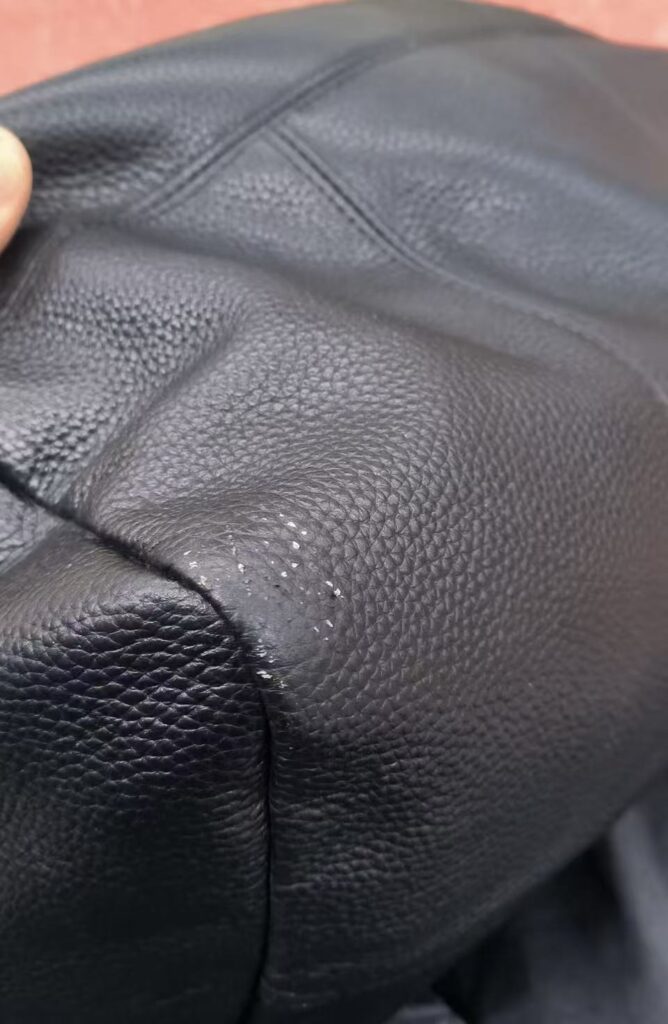
Not all furniture faces the same level of wear—so why use the same standard?
Residential furniture requires lower abrasion resistance than high-traffic commercial environments like hotels, restaurants, or public seating.
For residential sofas, moderate abrasion resistance is usually enough. Daily use is relatively light and predictable.
But in commercial settings—think hotel lobbies, restaurants, or waiting areas—the situation changes completely.
Here, materials face constant use from different users, often with less care.
In these cases, higher abrasion resistance becomes essential.
Matching the material to the environment is the smartest approach.
What Other Factors Affect Real-World Durability?
Here’s where things get interesting: abrasion resistance is only one piece of the puzzle.
Real durability depends on coating quality, backing strength, and production consistency—not just abrasion test results.
Two artificial leather materials can have similar abrasion test results but perform very differently in real use.
Why?
Because durability also depends on how well the layers are bonded, how stable the coating is, and how consistent the production process is.
If the coating is uneven, wear becomes uneven. If the bonding is weak, peeling can occur.
This is why focusing only on one number can be misleading.
PU vs PVC: Which Offers Better Abrasion Resistance?
When it comes to abrasion resistance, not all synthetic leather types behave the same.
PVC leather typically provides higher abrasion resistance, while PU leather offers better softness and comfort.
PVC leather is known for its durability. It handles heavy use well, which is why it’s often used in commercial furniture.
PU leather, on the other hand, is softer and more comfortable, making it a popular choice for residential applications.
So which should you choose?
If your project involves high-traffic areas, PVC is often the safer option. If comfort is the priority, PU may be the better fit.
Again, it’s about balance—not extremes.
How Do Manufacturers Ensure Consistent Abrasion Performance?
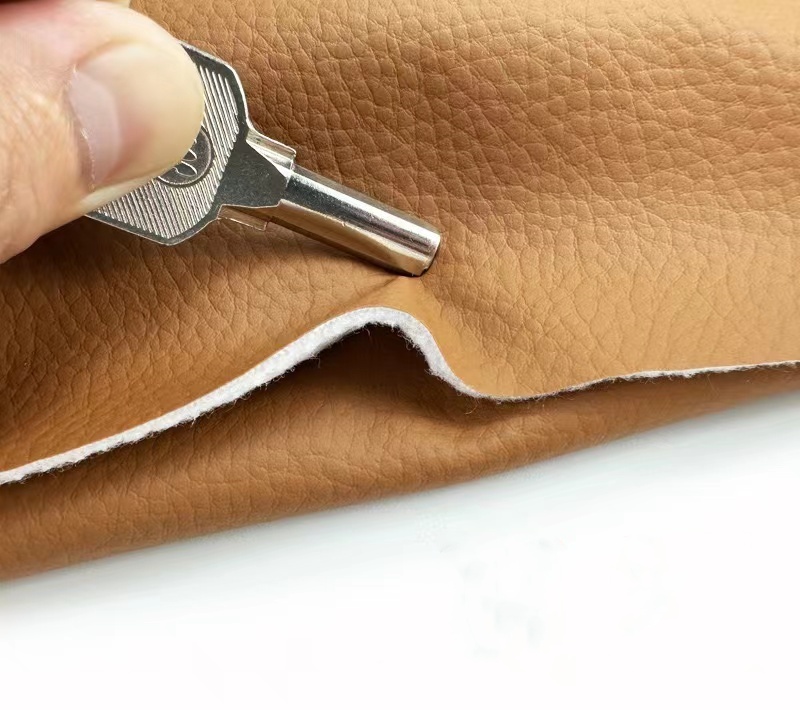
Even the best specs don’t matter if they can’t be repeated consistently.
Consistent abrasion performance depends on stable coating processes, controlled production, and strict quality monitoring.
At the manufacturing level, consistency is everything.
Abrasion resistance can vary from batch to batch if production is not well controlled. Factors like coating thickness, formulation stability, and curing conditions all play a role.
At ZD Leather, we focus on process control and batch consistency, ensuring that performance remains stable across orders.
Because for buyers, consistency is just as important as performance.
How Can Buyers Avoid Over-Specifying Abrasion Requirements?
Asking for the highest possible abrasion resistance may seem safe—but it can backfire.
Choosing the right level of abrasion resistance based on actual use can reduce costs while maintaining performance.
Over-specifying leads to unnecessary costs—and sometimes compromises comfort.
Instead of aiming for the highest number, buyers should focus on what their application truly requires.
A well-matched material performs better than an over-engineered one.
Working with an experienced supplier helps define the right balance, avoiding both underperformance and overpaying.
Conclusion
Abrasion resistance matters—but it’s not everything.
The key is choosing the right level for your application, not the highest possible number. Get that balance right, and your furniture will perform exactly as expected.
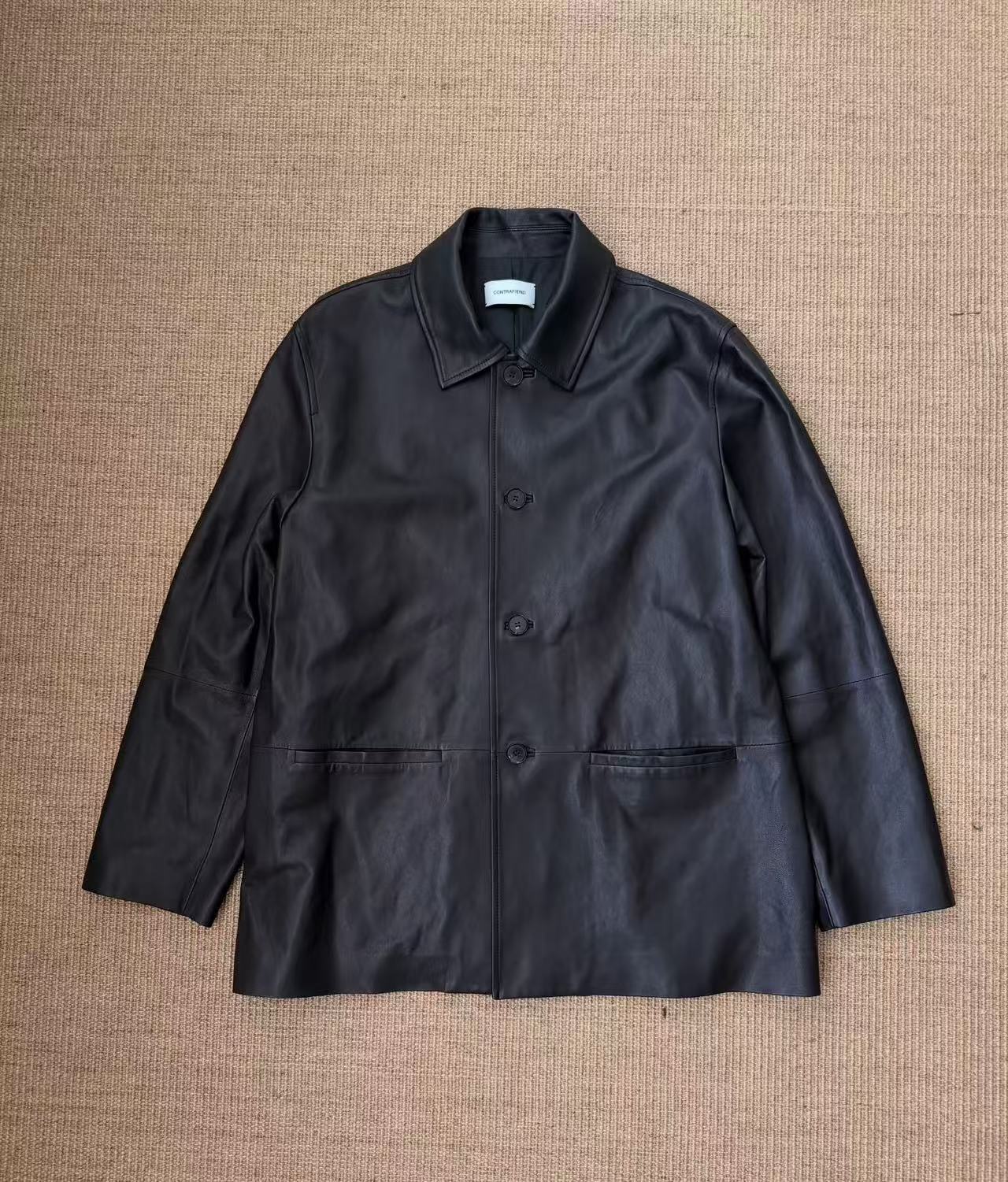
What is garment leather?
Discover what garment leather is and compare PU, PVC, and natural leather. Learn how comfort, breathability, durability, and cost affect your material choice.
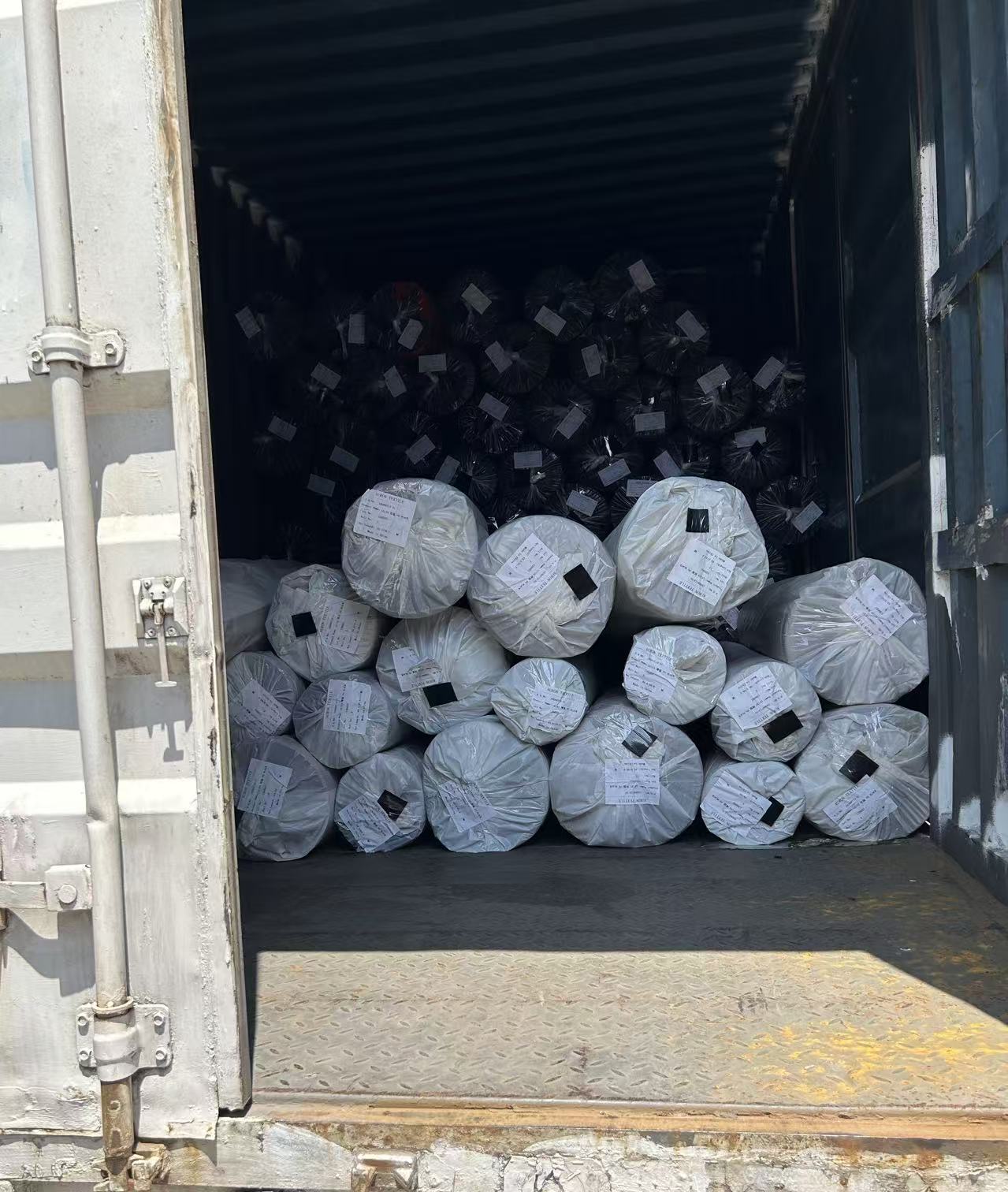
Can you provide special packaging when I import custom synthetic leather from China?
Learn how special packaging for custom synthetic leather can be arranged, including roll length, labels, plastic bags, markings, and shipping requirements.
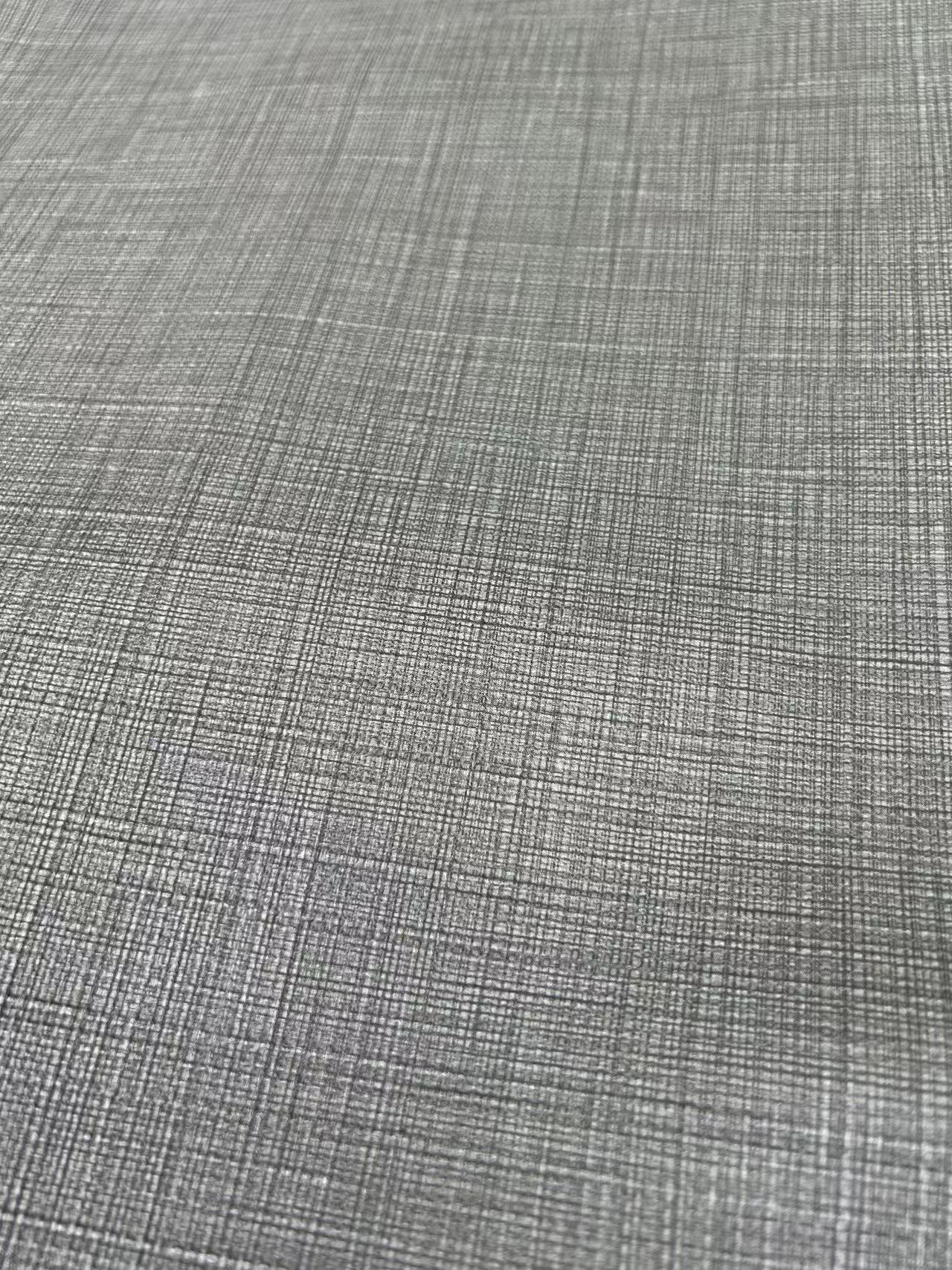
Can You Create a Custom Leather Grain Pattern When Importing Synthetic Leather from China?
Want a unique leather grain for your products? Discover how custom synthetic leather grain patterns are developed from samples using advanced vacuum texture transfer technology.