
What Are Antioxidants and How Do They Protect Artificial Leather?

Artificial leather materials like PVC and PU can react with oxygen in the air, causing discoloration, stiffness, and cracking over time.
Without antioxidant protection, that sleek sofa surface can turn dull, brittle, and old-looking long before its time.
Antioxidants work like anti-aging cream for leather—they capture free radicals before they can harm the polymer chains. This stops the oxidation process and keeps the leather soft and flexible.
How Do Light Stabilizers Improve UV Resistance?

Sunlight, especially ultraviolet rays, breaks down chemical bonds in artificial leather, leading to fading, yellowing, and surface cracking.
Outdoor furniture, car seats, and marine leather face this problem daily. Without UV protection, even the best artificial leather won’t last long.
UV stabilizers and HALS (Hindered Amine Light Stabilizers) act like sunscreen. They absorb or neutralize harmful UV rays before they damage the material. This helps maintain color brightness, surface texture, and elasticity for years.
Why Are Antistatic Agents Important in Artificial Leather?
Synthetic materials like PVC easily accumulate static electricity, especially in dry environments or during production.
Static not only attracts dust and lint but can also create sparks—dangerous in factories using flammable materials.
Antistatic agents form a thin conductive layer on the leather surface, reducing charge buildup and helping electricity dissipate safely. The result? Cleaner, safer, and longer-lasting artificial leather.
How Do Anti-Mildew Agents Extend Leather Life?

Warm and humid environments can cause mold and mildew to grow on the leather surface, especially on PU-based materials.
Mold stains the surface, weakens the coating, and gives off an unpleasant odor—hardly ideal for furniture or car interiors.
Anti-mildew agents block bacterial and fungal growth by destroying cell enzymes. They act as a protective barrier that keeps leather fresh and hygienic even in tropical or damp environments.
Real-World Applications: From Furniture to Automotive Interiors
These additives are everywhere—they’re the secret behind your sofa’s lasting shine and your car seat’s smooth feel.
Outdoor furniture: UV stabilizers and antioxidants protect against sunlight and rain.
Automotive interiors: Antistatic and anti-mildew agents keep surfaces clean and fresh.
- Luggage and marine leather: Additives prevent fading, mold, and surface peeling in humid or coastal climates.
Conclusion
Additives may be small, but they’re mighty—keeping artificial leather flexible, vibrant, and long-lasting.
If you can’t decide which type of artificial leather or additive suits your project, feel free to contact ZD Leather. With 15 years of manufacturing experience, we’ll help you choose the most durable and cost-effective solution.
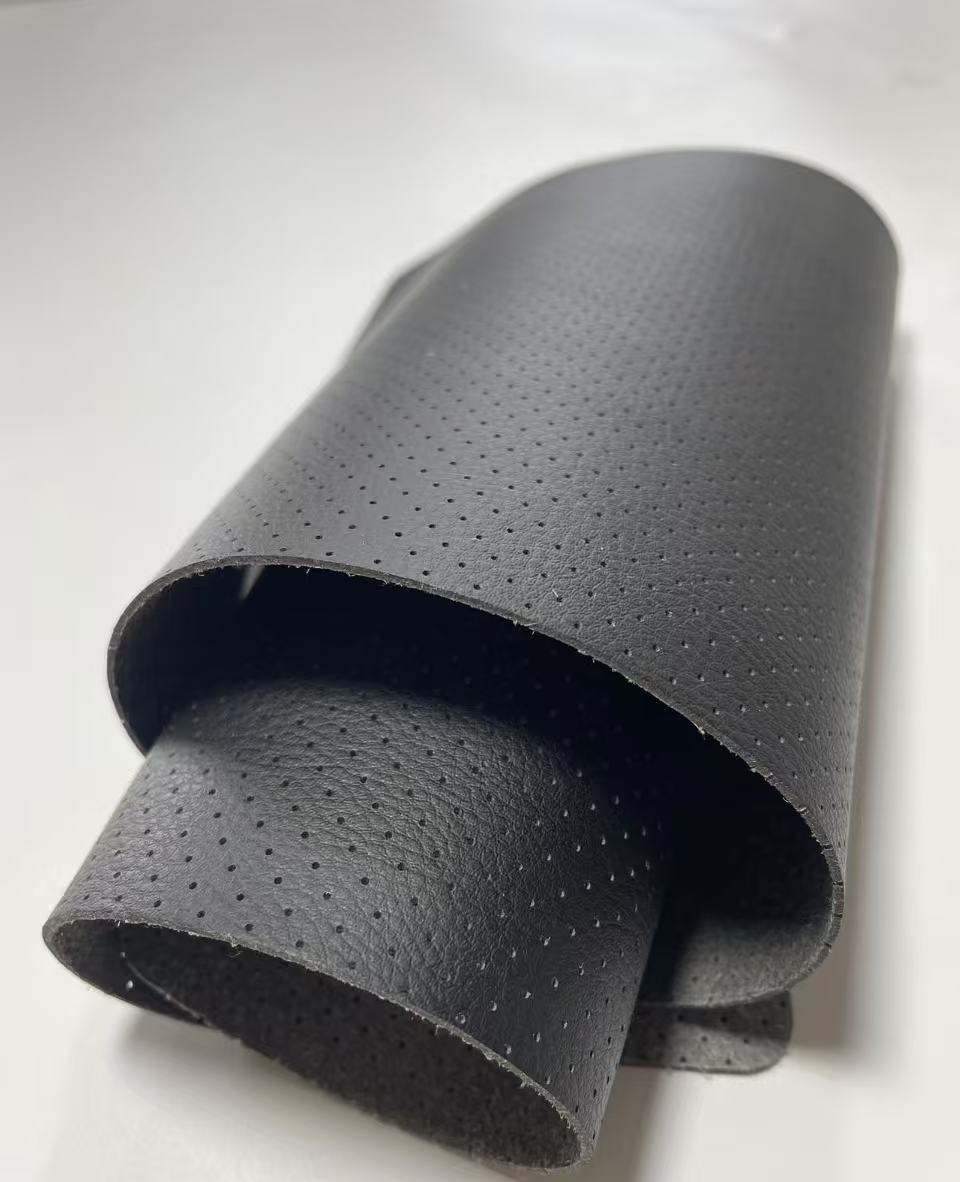
Why Can Two Synthetic Leathers With the Same Specifications Perform Very Differently?
Synthetic leather with the same specifications can still perform differently. This article explains the hidden factors behind performance gaps and how buyers can ensure consistent quality.
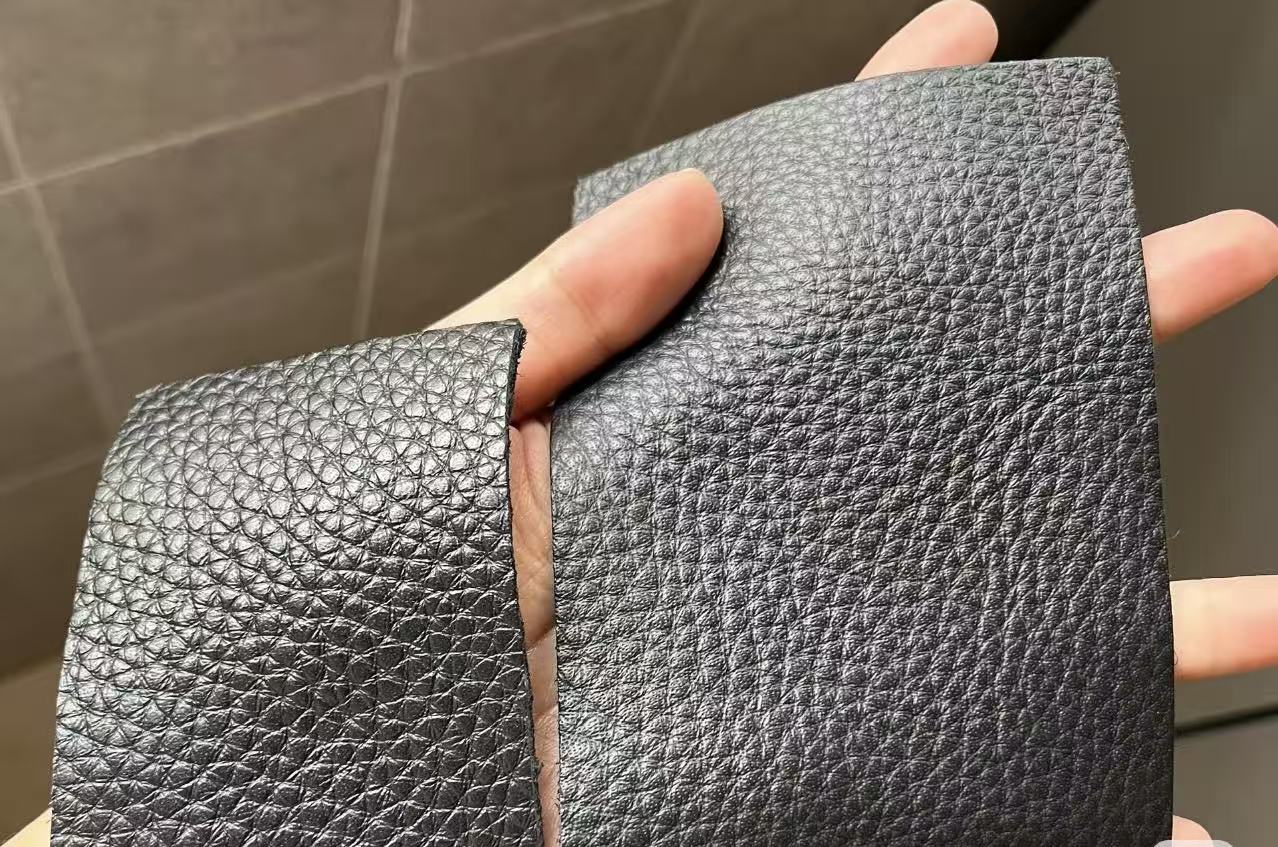
Why Does Synthetic Leather Quality Vary Between Batches?
Synthetic leather quality can vary between batches due to materials, production, and supplier control. This guide explains the causes and how buyers can ensure consistent quality.
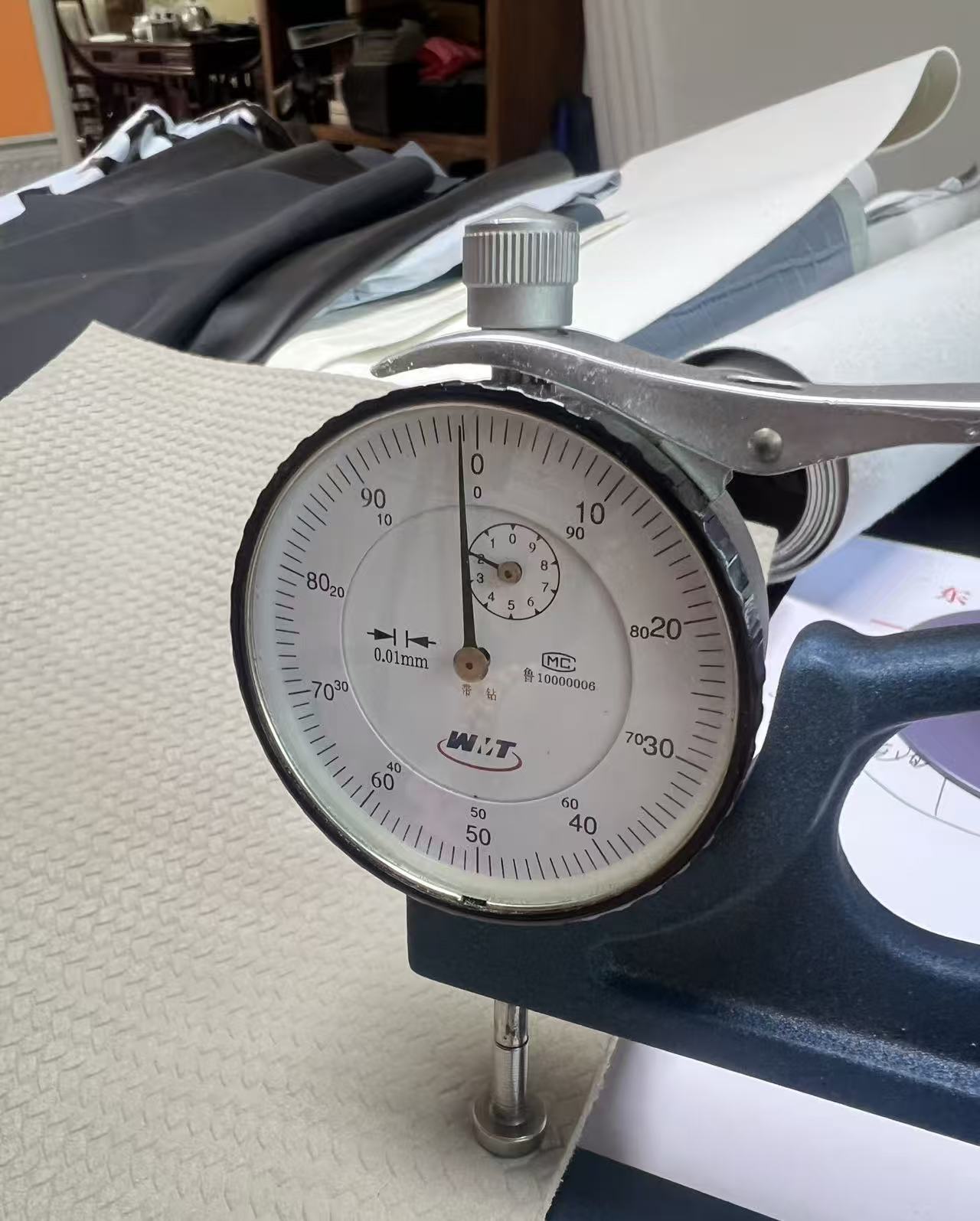
Does Thickness Really Decide Faux Leather Quality (And What Matters More)?
Many buyers assume thicker faux leather means better quality. This article explains why thickness alone is not enough and what really determines synthetic leather performance.