
Why Is Artificial Leather Popular for Shoe Uppers?
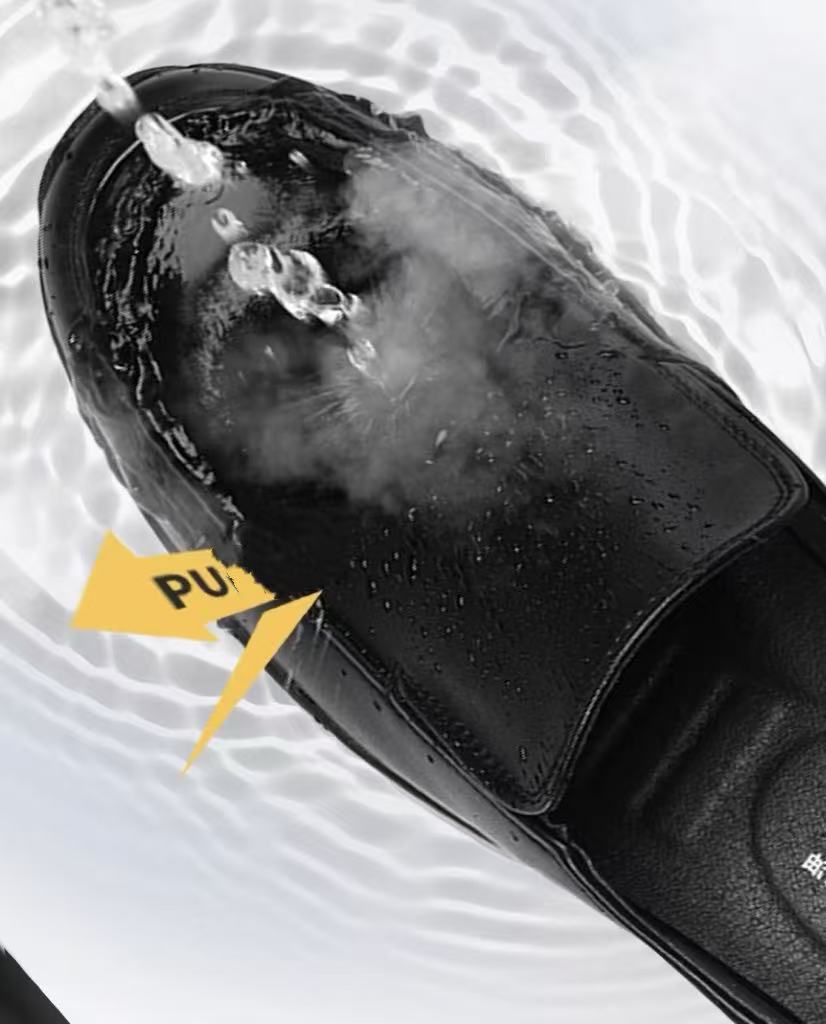
Shoe uppers face wear, water, and constant bending—materials that fail here ruin the entire shoe.
Real leather can be pricey and hard to maintain, while fabrics may lack strength or resistance.
Artificial leather uppers are durable, water-resistant, and fashionable. They withstand daily wear while offering endless textures, colors, and patterns.
Artificial leather uppers are durable, stylish, and water-resistant—perfect for both fashion-forward shoes and tough everyday footwear.
How Is Artificial Leather Used in Shoe Linings?
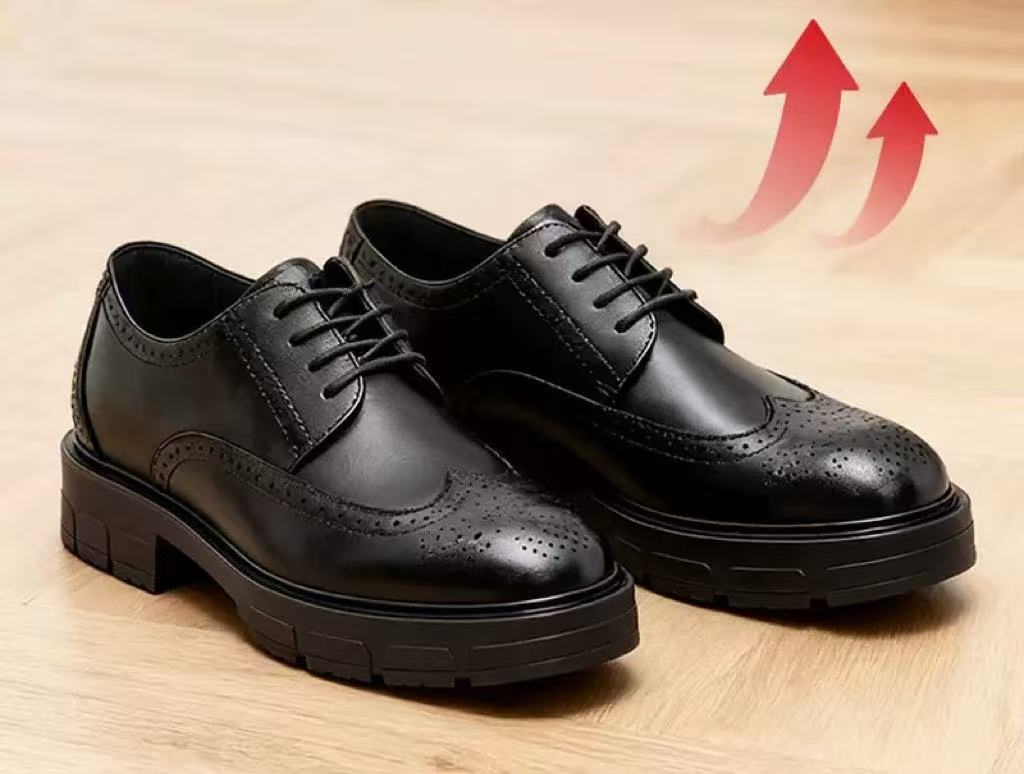
Poor shoe linings trap heat, sweat, and odor, leaving feet uncomfortable.
Even the best-looking shoes fail if they make your feet feel like a sauna.
Artificial leather linings are lightweight, breathable, and soft. They enhance comfort and keep footwear fresh even after long wear.
Artificial leather linings create breathable, comfortable shoes—balancing style with long-lasting freshness.
What Role Does Artificial Leather Play in Insoles?
Insoles often collapse or harden, turning comfortable shoes into painful ones.
No one likes shoes that lose cushioning after just a few weeks.
Artificial leather insoles are cushioned, soft, and resistant to wear. They maintain comfort and durability, making them ideal for casual and formal footwear.
Artificial leather insoles combine softness and durability, keeping shoes comfortable and supportive over time.
How Does Artificial Leather Compare to Real Leather in Footwear?
Consumers often wonder if artificial leather footwear looks cheap or performs poorly.
Real leather is traditional but comes with high costs, maintenance issues, and ethical concerns.
Artificial leather vs real leather shows clear trade-offs: artificial leather shoes are affordable, versatile, and sustainable, without sacrificing appearance.
Artificial leather vs real leather shoes—artificial options are affordable, stylish, and sustainable alternatives for modern footwear.
What Are the Sustainability Advantages of Artificial Leather in Footwear?
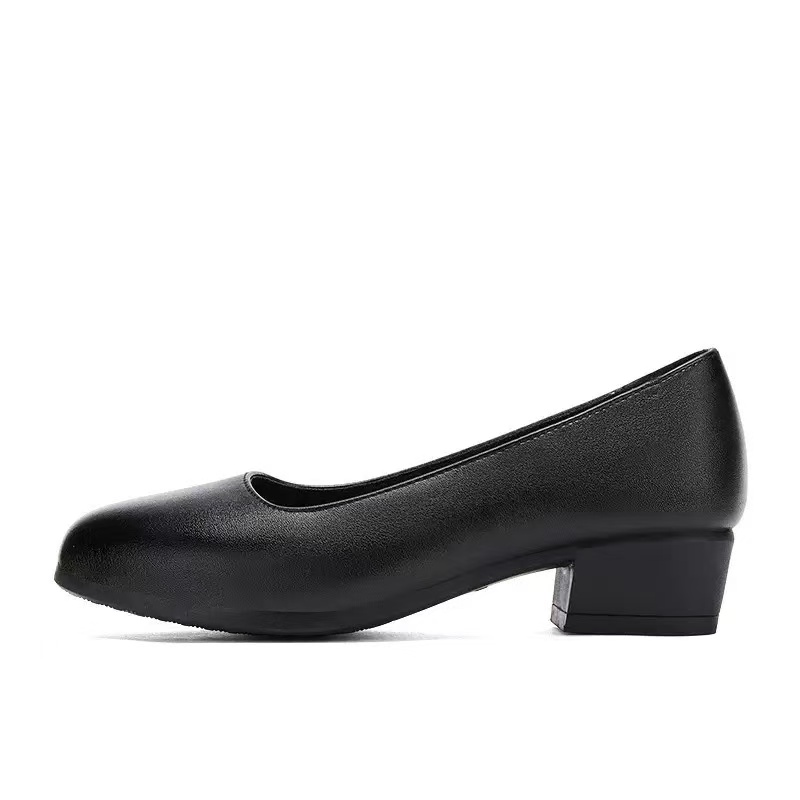
Footwear production has a heavy environmental footprint, especially when using animal-based leather.
Consumers increasingly demand eco-friendly, animal-free materials.
Eco-friendly artificial leather is made with fewer resources and avoids animal products. It’s a sustainable footwear material gaining traction worldwide.
Artificial leather footwear supports sustainability—an eco-friendly, animal-free alternative for modern shoe design.
Conclusion
Artificial leather footwear is more than a cost-effective option—it’s stylish, sustainable, and versatile. From uppers to insoles, artificial leather shoes balance durability, comfort, and eco-friendliness.
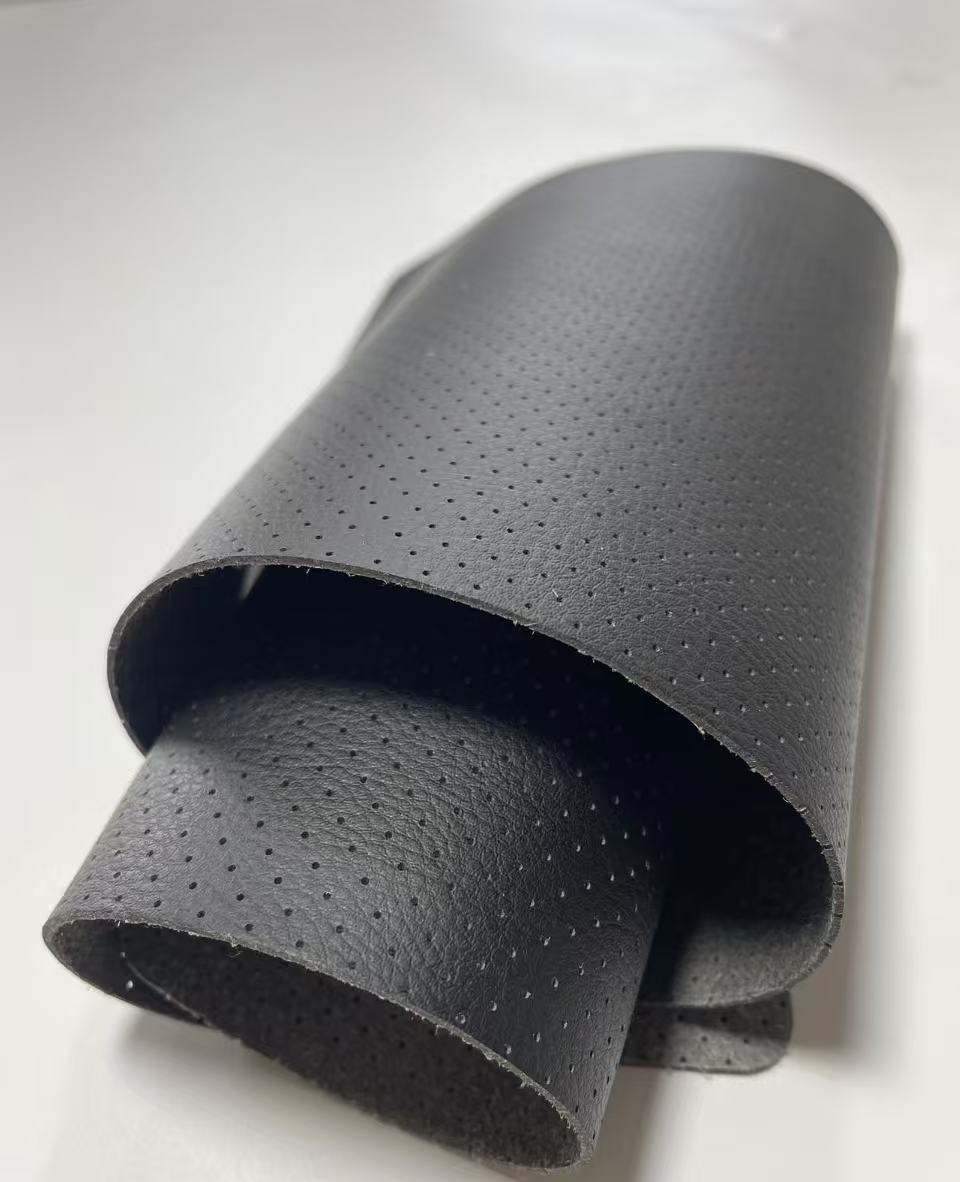
Why Can Two Synthetic Leathers With the Same Specifications Perform Very Differently?
Synthetic leather with the same specifications can still perform differently. This article explains the hidden factors behind performance gaps and how buyers can ensure consistent quality.
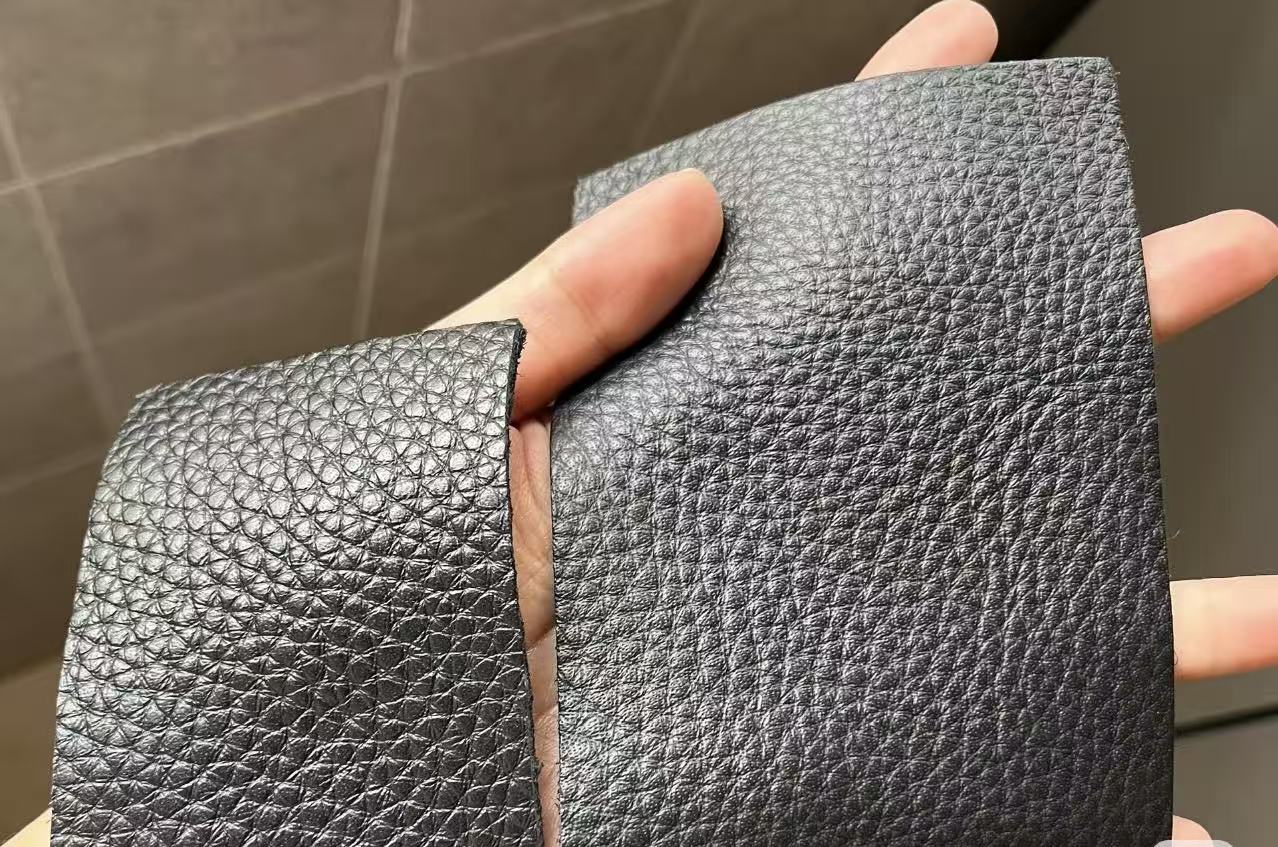
Why Does Synthetic Leather Quality Vary Between Batches?
Synthetic leather quality can vary between batches due to materials, production, and supplier control. This guide explains the causes and how buyers can ensure consistent quality.
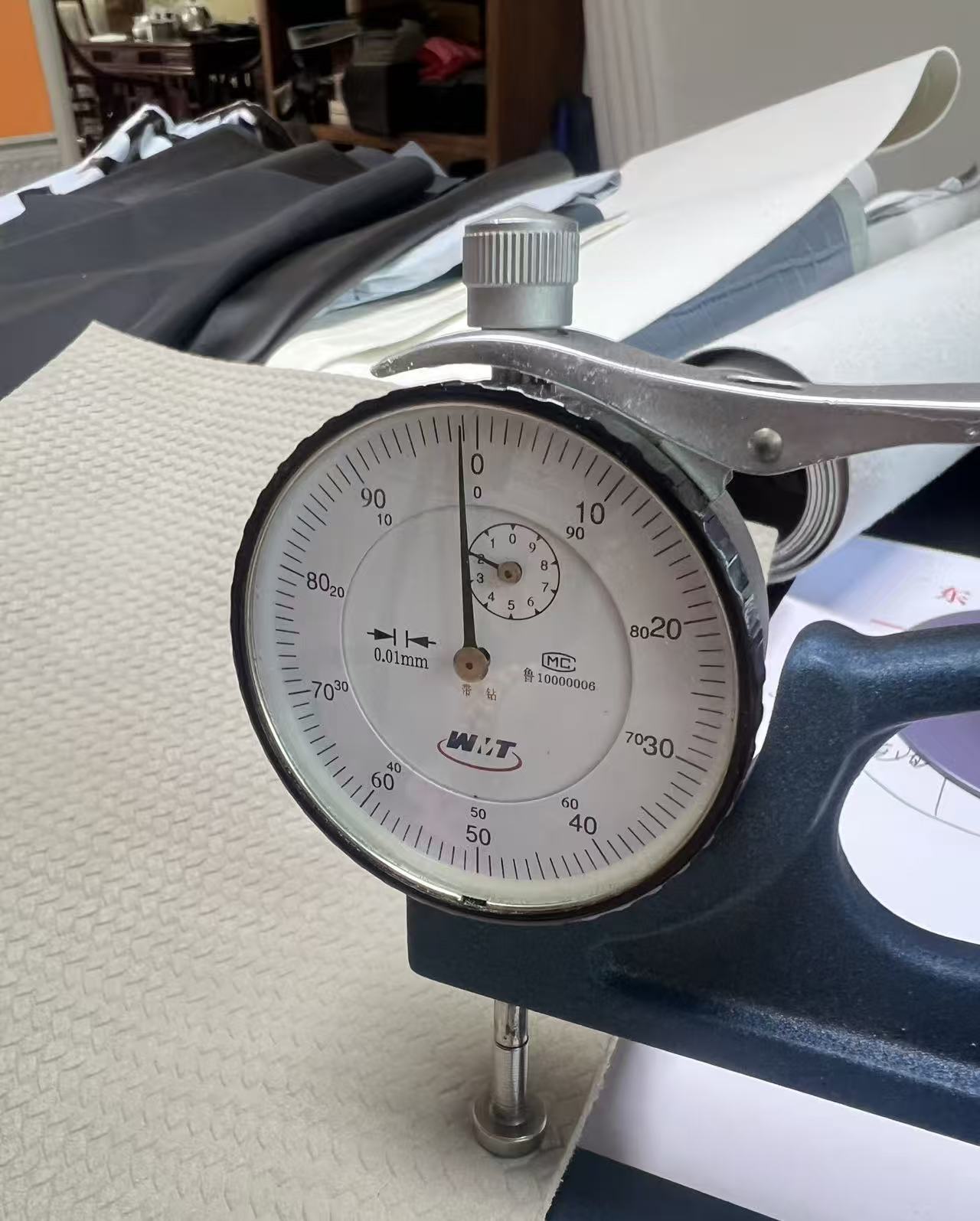
Does Thickness Really Decide Faux Leather Quality (And What Matters More)?
Many buyers assume thicker faux leather means better quality. This article explains why thickness alone is not enough and what really determines synthetic leather performance.