
What Makes Cheap Synthetic Leather Samples Misleading?
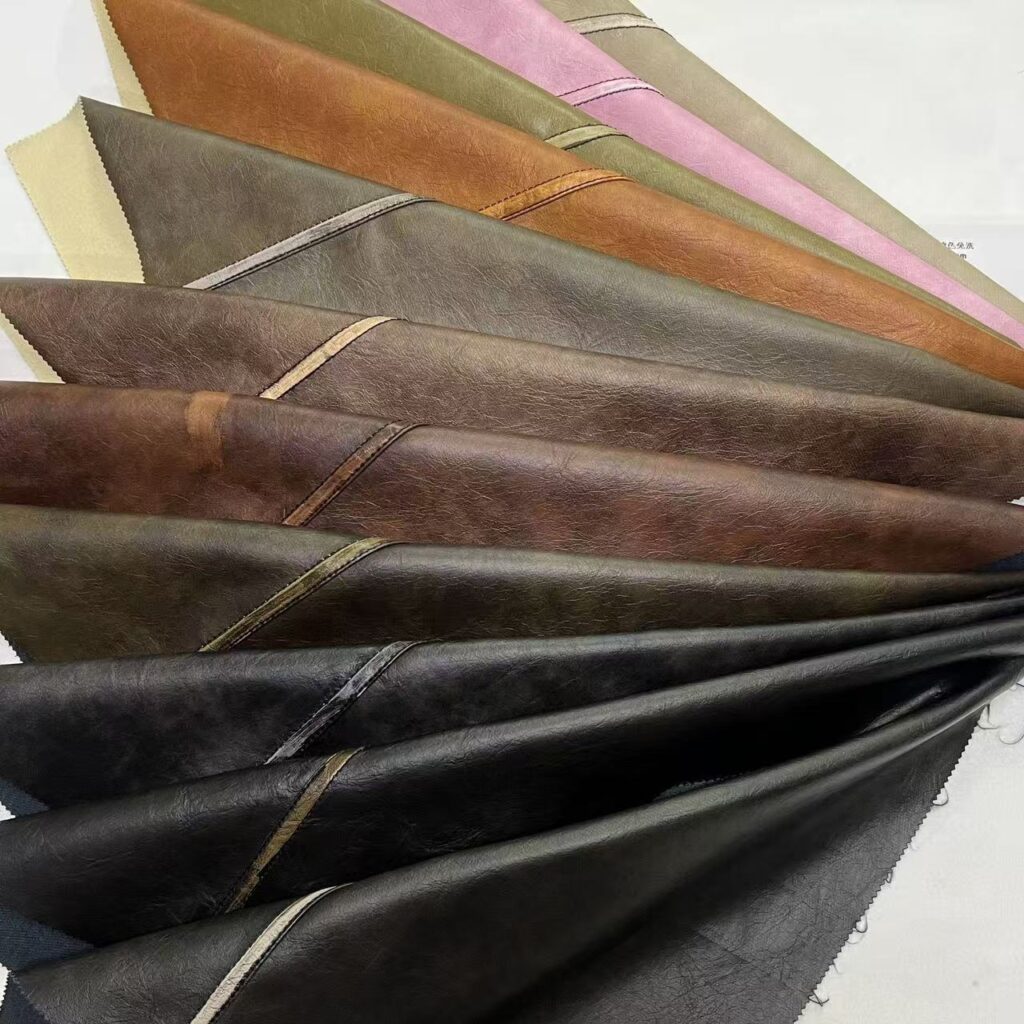
The problem starts when samples are made only to look good, not to perform. This shortcut feels harmless—until bulk production begins.
Many low-cost synthetic leather samples use simplified layers, lighter coatings, or different backing fabrics than real production, creating a false impression of quality.
What we’ve seen:
In our factory, we’ve tested “customer samples” from the market that passed visual checks but failed abrasion and peel strength tests immediately. Why?
Because the sample was made with:
thinner PVC/PU coating
cheaper base fabric
The buyer approved the look, but the structure was never production-grade. When mass production followed real specs, the final product behaved very differently.
Why Do Cheap Samples Cause Quality Disputes Later?
When samples and bulk goods don’t match, trust breaks down fast—and fixing it costs real money.
Quality disputes happen when the approved synthetic leather sample does not reflect actual production materials, processes, or tolerances.
What we’ve seen:
A common dispute sounds like this:
“The bulk synthetic leather doesn’t feel the same as the sample.”
In many cases, both sides are telling the truth. The supplier delivered according to production specs, but the sample was never built on those specs.
Result?
rejected containers
third-party inspections
re-production or discounts
delayed shipments missing sales seasons
All of these costs come after the cheap sample “saved” a few dollars.
How Can Cheap Samples Hide Performance Risks?
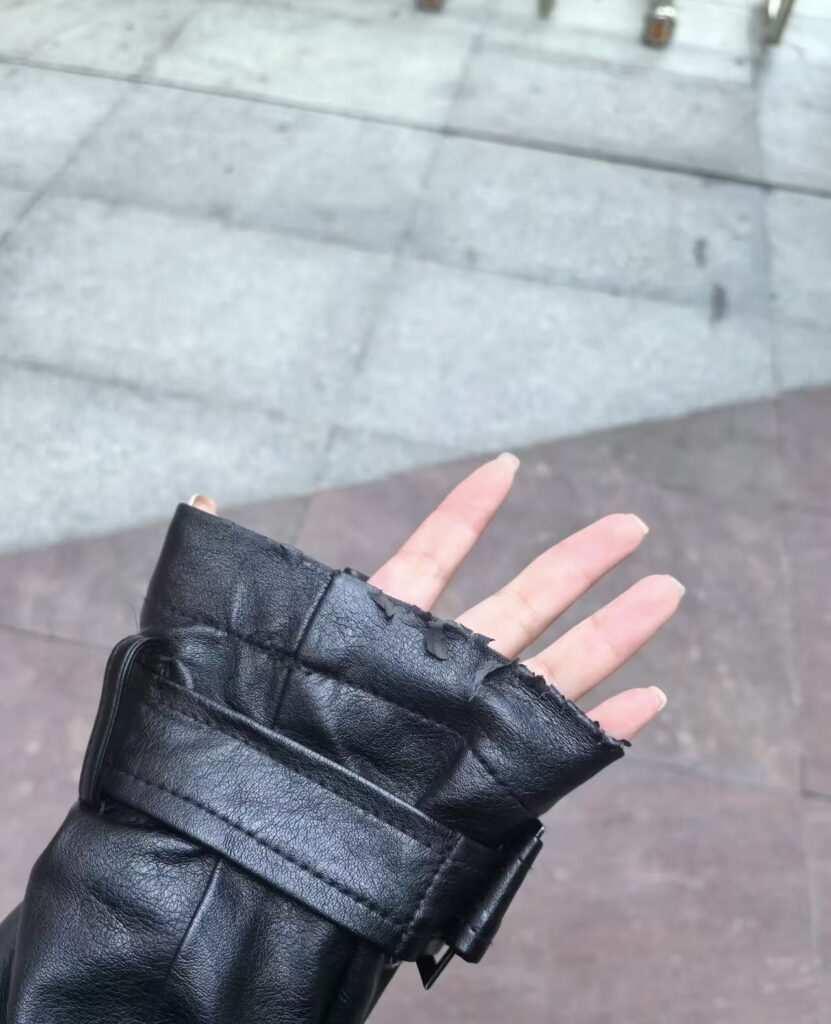
A sample can look perfect and still fail in real use—especially for high-stress applications.
Cheap synthetic leather samples often skip durability testing, masking risks in abrasion resistance, aging, or hydrolysis.
What we’ve seen:
In furniture and automotive seating projects, we’ve seen low-cost samples skip:
abrasion testing (Martindale)
heat aging simulation
plasticizer migration checks
The surface looked fine in the showroom. Six months later?
cracking
color transfer
surface peeling
At that stage, replacing finished products costs far more than upgrading the sample stage ever would have.
What Should a “Real” Synthetic Leather Sample Represent?
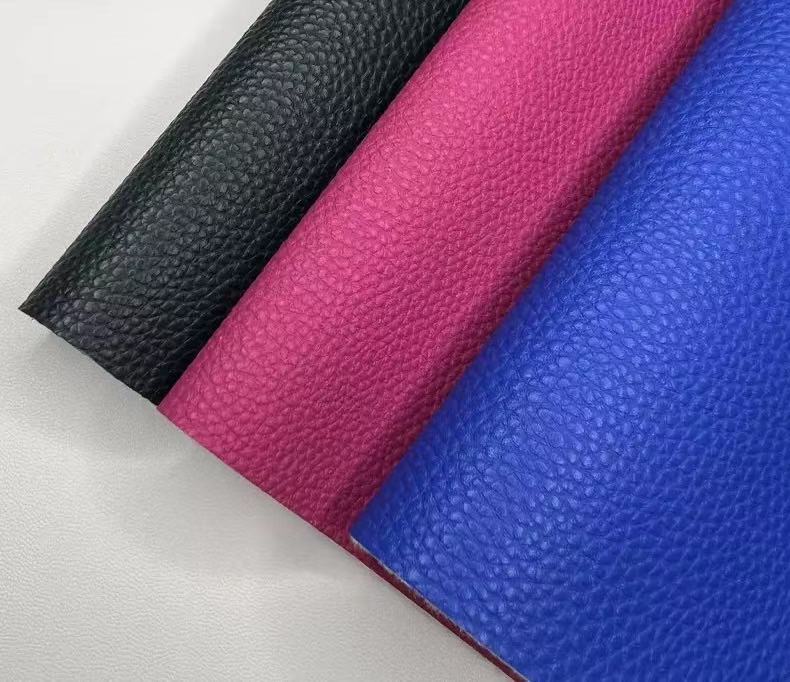
A good sample shouldn’t be cheap—it should be honest.
A reliable synthetic leather sample must use the same structure, materials, and process as bulk production, even if the quantity is small.
How we do it:
When we prepare samples, we treat them as mini production runs, not marketing pieces:
same coating formula
same backing fabric
same thickness tolerance
same surface treatment
Yes, this costs more than a shortcut sample.
But it protects both sides from surprises—and protects the buyer’s brand in the long run.
Conclusion
Cheap synthetic leather samples don’t reduce risk—they postpone it. What you don’t pay at the sample stage often returns as quality failures, disputes, and lost time. In our experience, honest samples are always the cheaper option in the end.
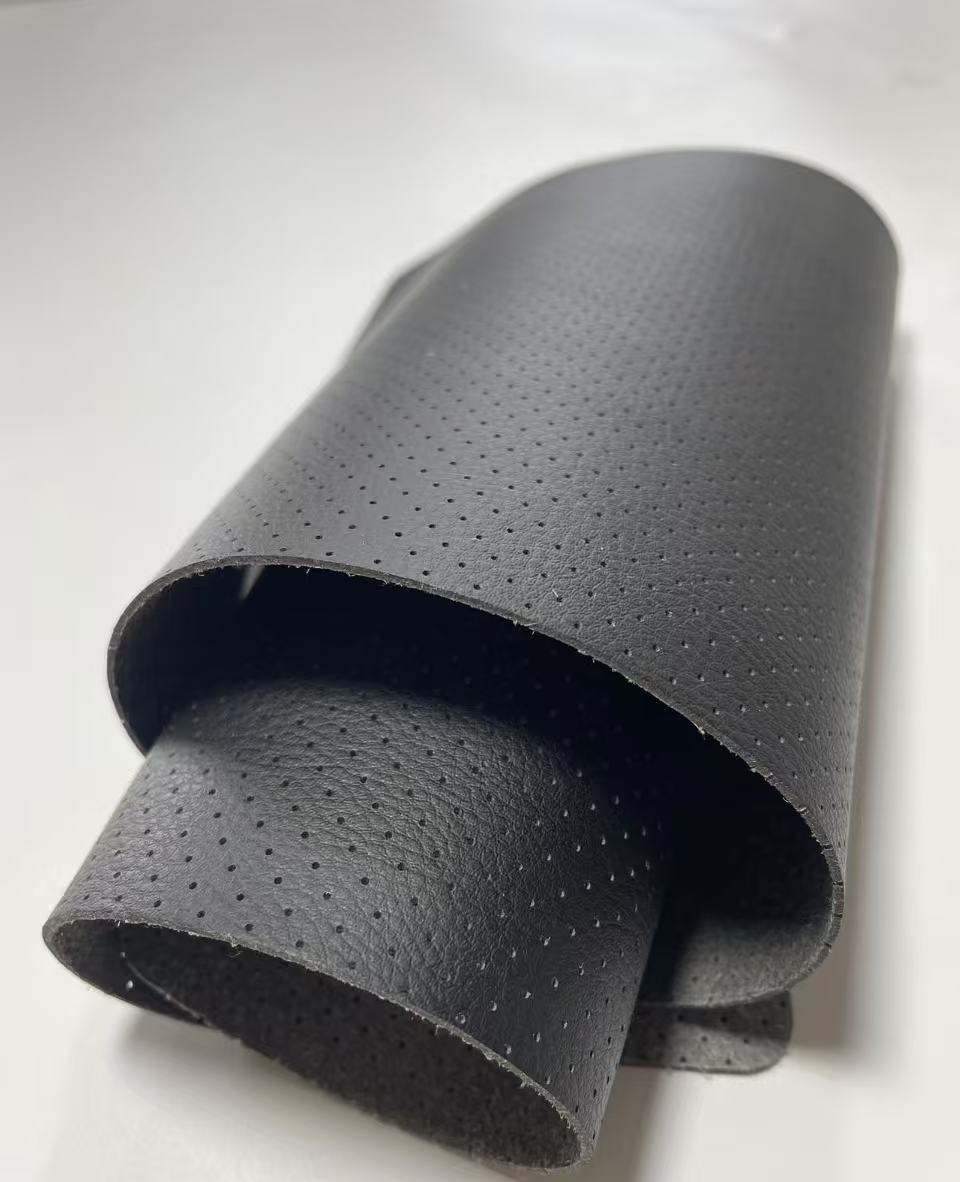
Why Can Two Synthetic Leathers With the Same Specifications Perform Very Differently?
Synthetic leather with the same specifications can still perform differently. This article explains the hidden factors behind performance gaps and how buyers can ensure consistent quality.
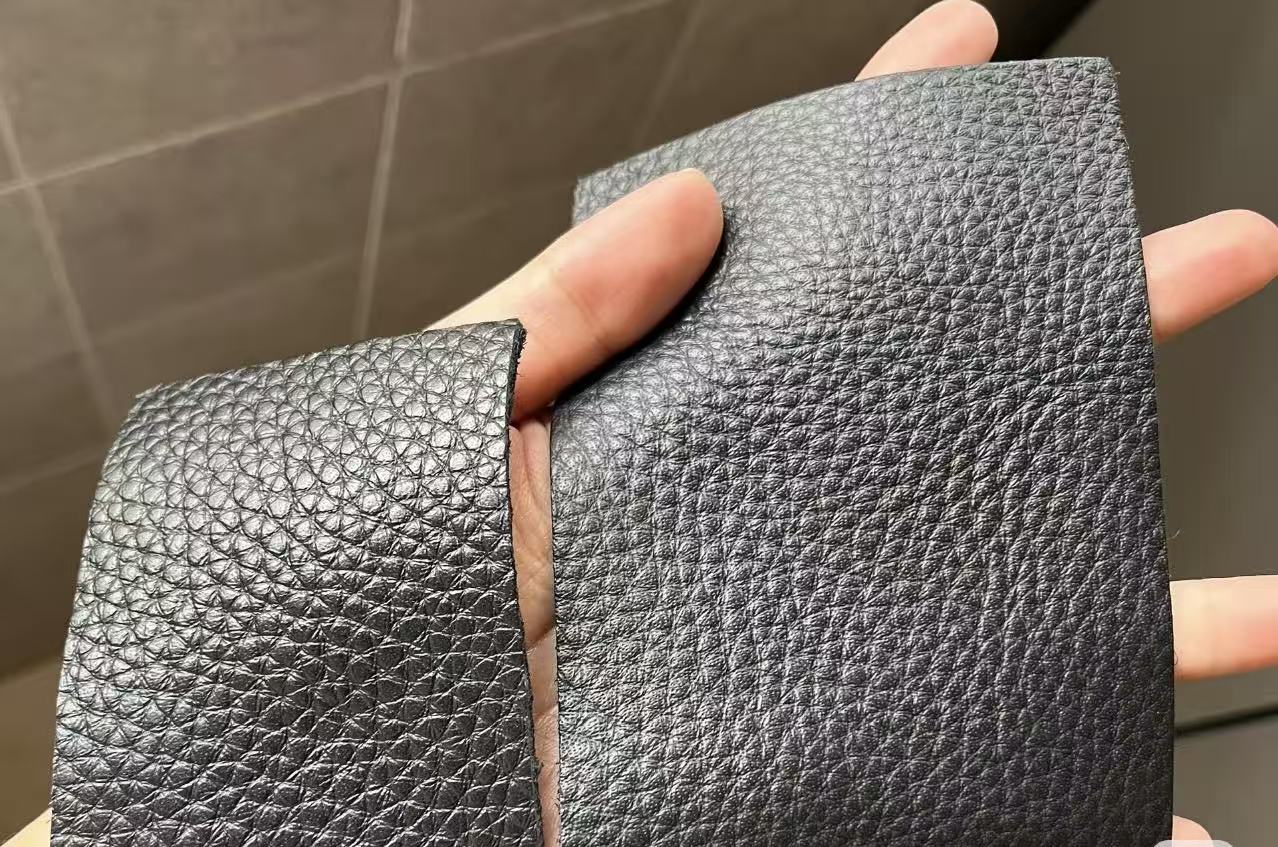
Why Does Synthetic Leather Quality Vary Between Batches?
Synthetic leather quality can vary between batches due to materials, production, and supplier control. This guide explains the causes and how buyers can ensure consistent quality.
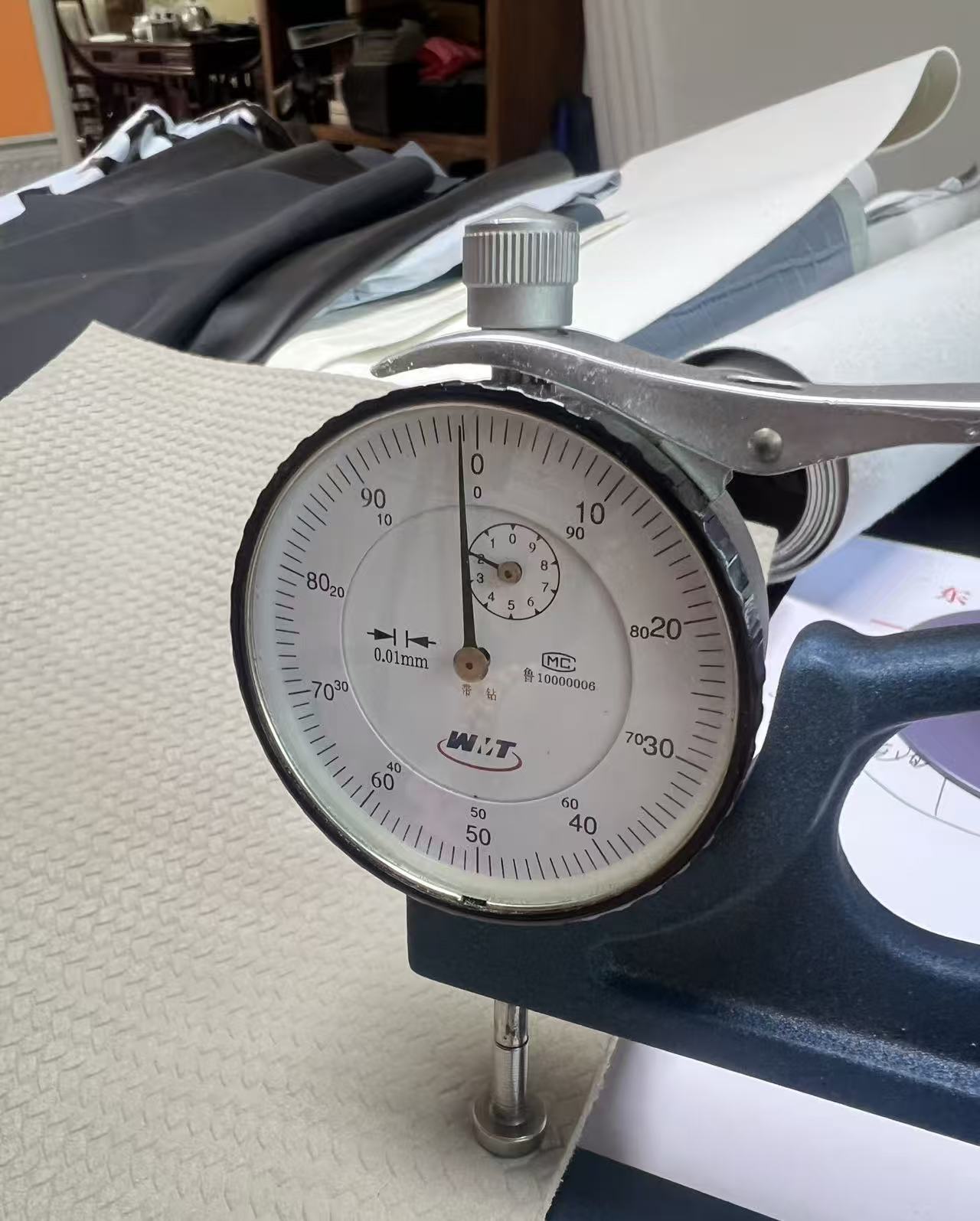
Does Thickness Really Decide Faux Leather Quality (And What Matters More)?
Many buyers assume thicker faux leather means better quality. This article explains why thickness alone is not enough and what really determines synthetic leather performance.