
How Is the Base Fabric Selected for Custom Faux Leather?
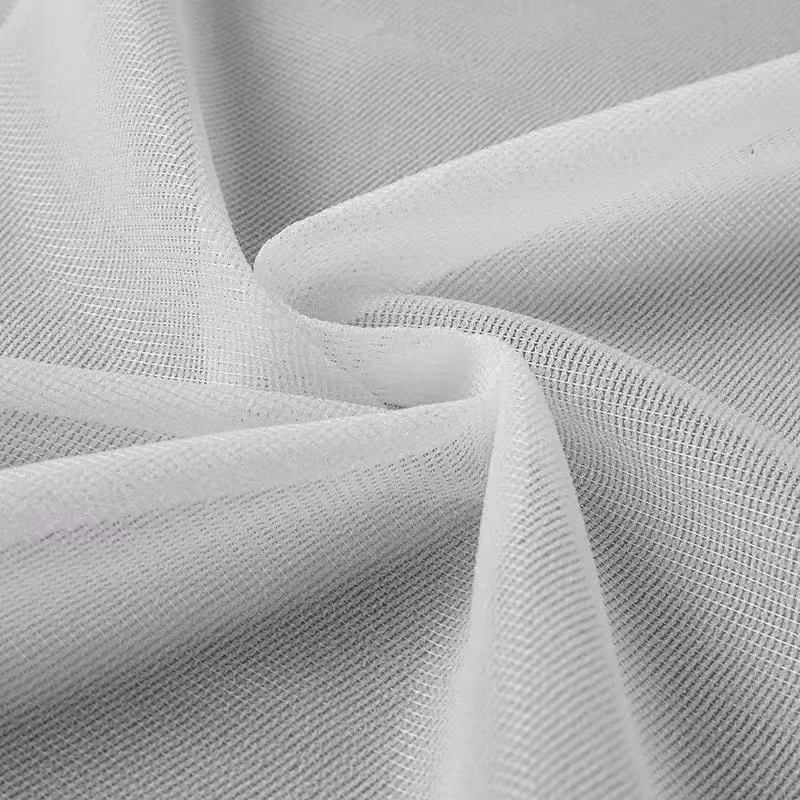
Choosing the wrong base fabric causes weak strength, peeling, and unhappy customers. This stress grows when big orders demand consistency. A suitable base fabric solves most problems before coating even begins.
Base fabrics like polyester, cotton, or non-woven materials are selected based on strength, flexibility, and final usage requirements.
Every piece of faux leather begins with a foundation—the base fabric. Think of it like building a house: you wouldn’t start with a shaky floor, right? The same logic applies here.
Factories choose from several base fabrics, such as polyester, cotton, and non-woven structures. Each material affects flexibility, tear strength, and how the leather behaves once coated. For example, polyester offers strong durability for high-traffic sofas, while cotton blends create a softer, friendlier hand-feel.
Thickness also matters. A thicker base gives the leather more body, while a thinner one keeps it light and flexible. Once the correct fabric is selected, the rest of the process becomes smoother—literally and figuratively.
How Is the PVC/PU Formula Customized?
A generic formula leads to the wrong softness, gloss, or durability. This mismatch becomes worse when the product must match genuine leather. Tailored formulas fix these issues perfectly.
Factories adjust softness, shine, hand-feel, abrasion resistance, aging resistance, flame retardancy, and more to meet each customer’s needs.
The PVC or PU formula is like the “recipe” for your faux leather. Too soft? Too shiny? Too stiff? Blame the recipe. Fortunately, custom formulas let factories adjust almost everything.
If your faux leather needs a matte look for luxury sofas, the formula changes. If you want a glossy finish for bags, that’s another mix. Need high abrasion resistance? Add specific agents. Need flame retardancy for a government project? Adjust the additives. And if you need faux leather that matches genuine leather in color and feel, this is the stage where magic happens.
At ZD Leather, buyers often send genuine leather samples. We analyze the softness, gloss, and texture so the faux leather can match it as closely as possible—saving cost while keeping the visual harmony.
How Are the Layers Coated and Laminated?
Uneven coating causes bubbles, thin spots, and quality complaints. This risk grows with large orders. Controlled multi-layer coating solves these issues.
Faux leather is built layer by layer through coating machines, controlling thickness, speed, temperature, and curing time.
This is where your leather starts looking like… leather. The base fabric travels through a coating machine that applies layers of PVC or PU. These layers can include foam layers, solid layers, or protective topcoats.
Temperature, speed, and blade height decide how thick and uniform each layer will be. Even a minor change—like increasing the speed by 10%—can change the entire texture. That’s why experienced factories guard this part of the process like a family recipe.
After coating, the material enters a long heated tunnel (basically a giant oven) to cure the layers. Once the layers bond perfectly, the faux leather becomes ready for the next step: creating its personality.
How Is Texture Added to Faux Leather?
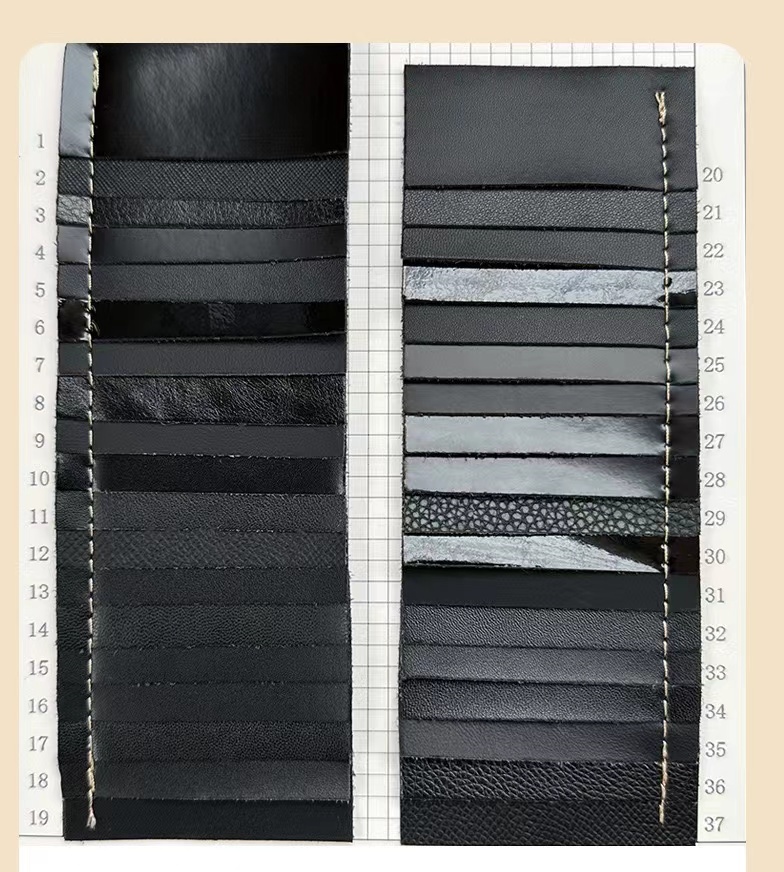
Flat, textureless leather looks cheap and lifeless. Customers worry it won’t match their products. Embossing solves this by giving the material real character.
Texture is added using heated embossing rollers or steel plates that press patterns into the surface.
Embossing is where your faux leather gets its identity. Want litchi grain? No problem. Napa? Easy. Want it to look like the Italian cowhide your customer loves? We can match that too.
Factories use heated embossing rollers or steel plates engraved with patterns. When the leather passes through, the design transfers into the surface. Temperature and pressure ensure the texture stays sharp and consistent.
Custom textures—especially those matching real leather—require custom steel plates. This may add time, but the result is worth it: faux leather that looks almost identical to genuine leather but costs a fraction of the price.
How Are Color and Gloss Carefully Adjusted?
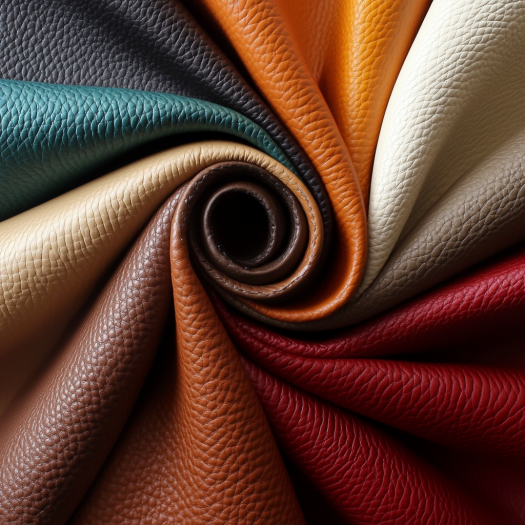
Color differences cause headaches for buyers, especially for large orders. The problem worsens when contrasting with genuine leather. Careful calibration solves this issue.
Factories match colors through lab mixing, small-batch samples, and repeated adjustments for accuracy.
If you’ve ever tried matching paint at a hardware store, you know how hard color matching can be. Now imagine doing it for faux leather—with gloss control added to the challenge.
First, sample formulas are mixed in the lab. Once approved, they’re applied to a small piece of faux leather. If the color needs to match genuine leather, technicians hold both materials side by side under different lighting conditions.
Gloss control is another art. Want shiny? Add more surface resin. Want matte? Adjust the dulling agent. Too shiny and it looks plastic; too matte and it looks dry. The goal is perfect balance.
Once the customer approves the sample, the formula moves to large-scale production.
How Are Quality and Environmental Tests Performed?
Skipping tests leads to complaints—peeling, fading, cracking. Overseas buyers especially fear hidden problems. Strict testing removes these risks.
Faux leather is checked for abrasion resistance, aging, tear strength, and REACH-compliant chemical safety.
Testing may not sound exciting, but it protects your brand—and your sanity. Factories test faux leather for abrasion resistance, tensile strength, anti-yellowing, aging resistance, and hydrolysis.
For many overseas customers, REACH testing is the most important part. No one wants chemical issues showing up at customs.
Good suppliers test small samples before mass production and again during packaging. At ZD Leather, we also keep sample records from each batch so customers can trace any shipment later.
Testing may not be glamorous, but it’s essential for global buyers who want stable, dependable products.
What Happens During Final Inspection and Packaging?
A perfect production process means nothing if rolls arrive damaged. Poor packaging causes complaints. Strong inspection and packaging prevent these problems.
Each roll is inspected for thickness, color consistency, surface defects, and then packed securely.
Before your faux leather starts its journey across the ocean, it goes through a final check. Workers inspect the surface for scratches, color variation, or small defects. Thickness is measured again, and the texture is compared to the approved sample.
Then comes packaging: each roll is wrapped tightly, labeled, and placed inside protective film or woven bags. For long-distance shipping, strong cartons or reinforced packaging ensure the rolls stay clean and round—not squashed like noodles.
After this, the rolls are ready to ship to the USA, Vietnam, Africa, or wherever your factory or warehouse may be.
Conclusion
Custom faux leather goes through a detailed but fascinating journey—from fabric to formula, texture, color, testing, and packaging. With ZD Leather’s 16 years of experience, you get stable quality, accurate customization, and smooth cooperation from sample to shipment.
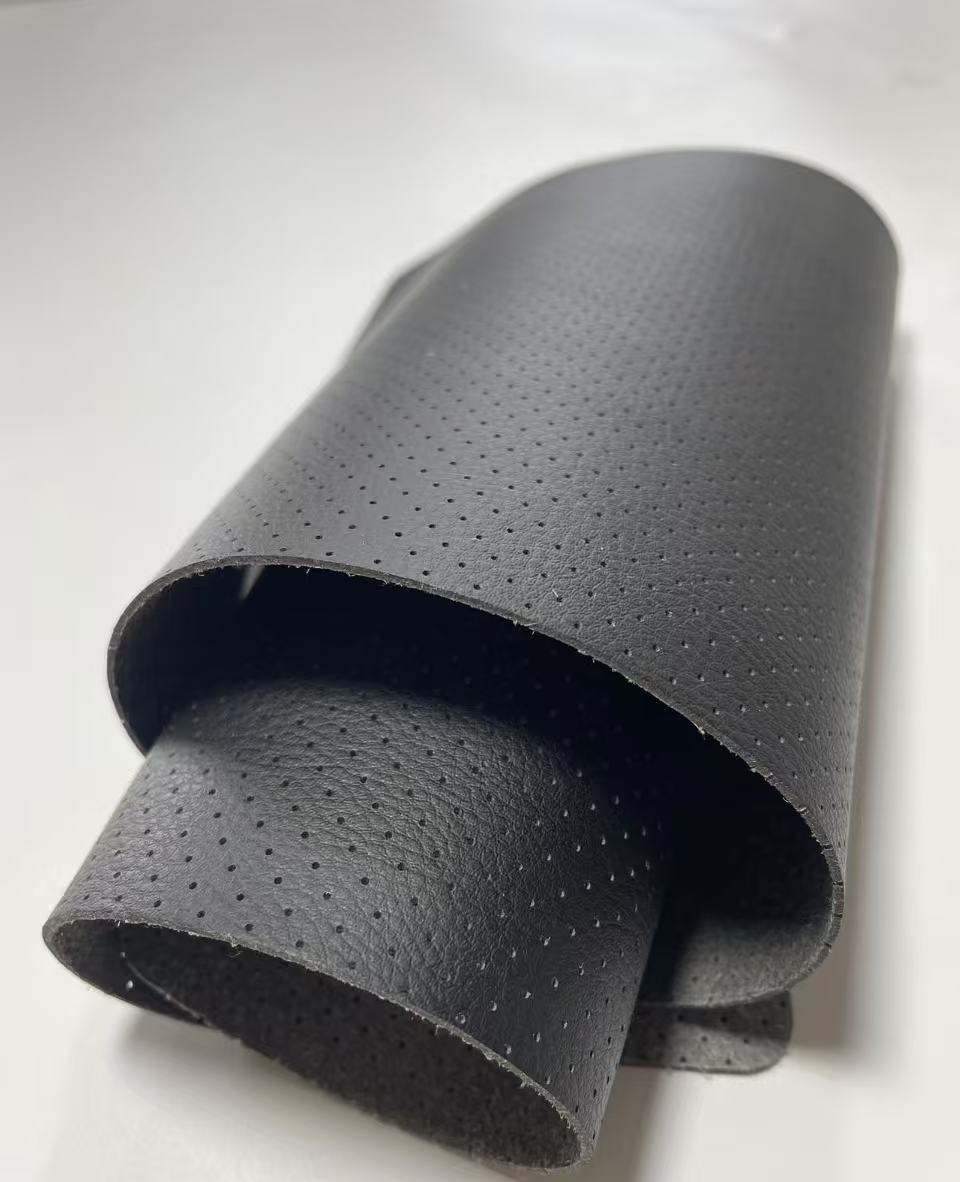
Why Can Two Synthetic Leathers With the Same Specifications Perform Very Differently?
Synthetic leather with the same specifications can still perform differently. This article explains the hidden factors behind performance gaps and how buyers can ensure consistent quality.
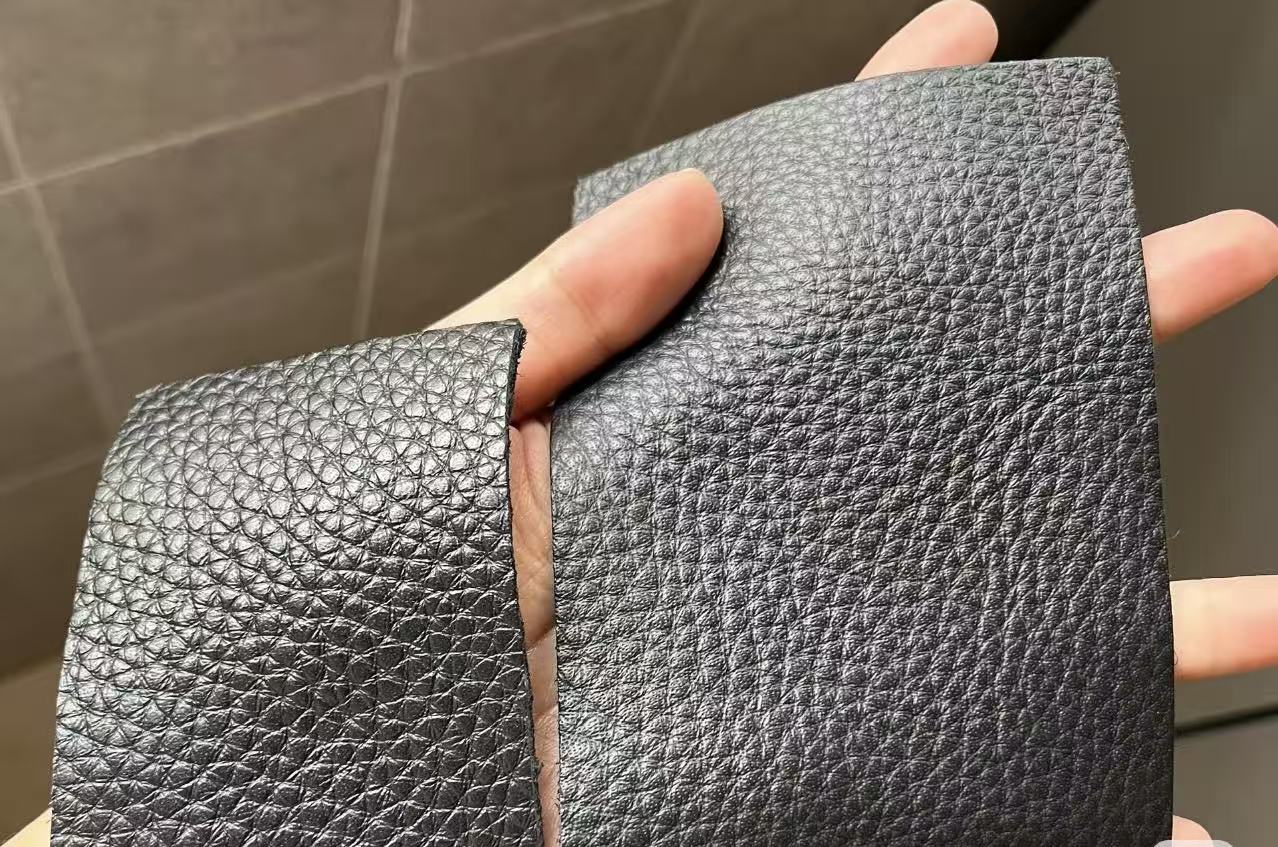
Why Does Synthetic Leather Quality Vary Between Batches?
Synthetic leather quality can vary between batches due to materials, production, and supplier control. This guide explains the causes and how buyers can ensure consistent quality.
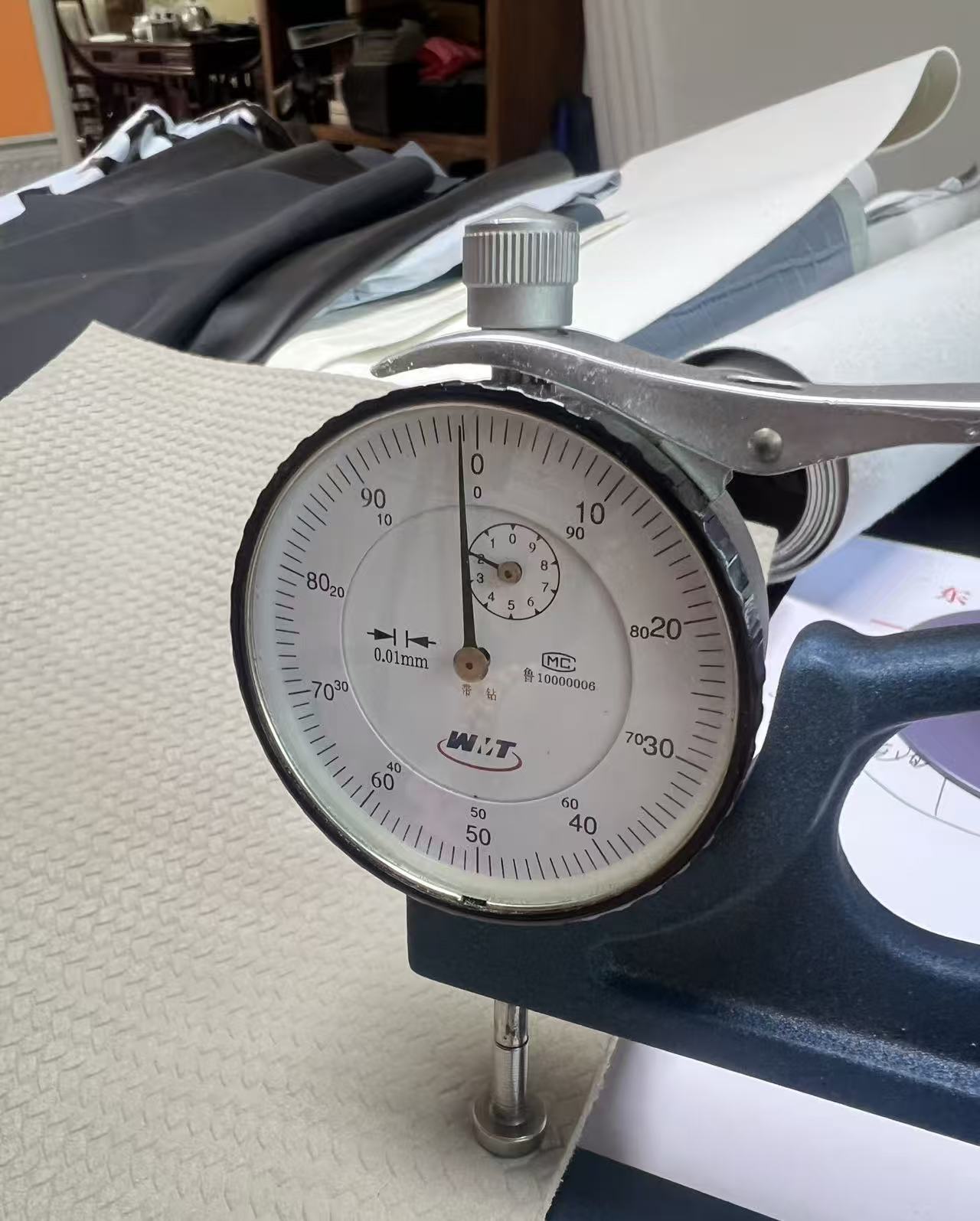
Does Thickness Really Decide Faux Leather Quality (And What Matters More)?
Many buyers assume thicker faux leather means better quality. This article explains why thickness alone is not enough and what really determines synthetic leather performance.