
What Makes Custom Synthetic Leather Different?

Factory buyers often struggle with finding the exact color or texture they want. Stock options look “almost right,” but almost isn’t enough. Custom synthetic leather solves the problem with full control.
Custom synthetic leather allows manufacturers to choose color, texture, thickness, backing fabric, and performance—providing a perfect match for branding, design, and functional needs.
Custom synthetic leather is all about flexibility. Instead of choosing from pre-made rolls, you can decide everything—from the grain pattern to whether the leather should survive a juice spill, pet claws, or a tropical sunbath. This level of control is especially helpful for brands that need consistent aesthetics across large orders, something natural stock leather or standard PVC rolls often struggle with.
Customization also ensures repeatability. When you reorder, you get the exact same shade and texture—not “almost the same” or “kind of similar.” For sofas, cars, bags, and commercial projects, this consistency is gold.
Of course, customization takes more time, and the MOQ might be higher, but for businesses that want a signature look, it’s worth every meter.
Is Standard Stock Leather Still a Good Option?
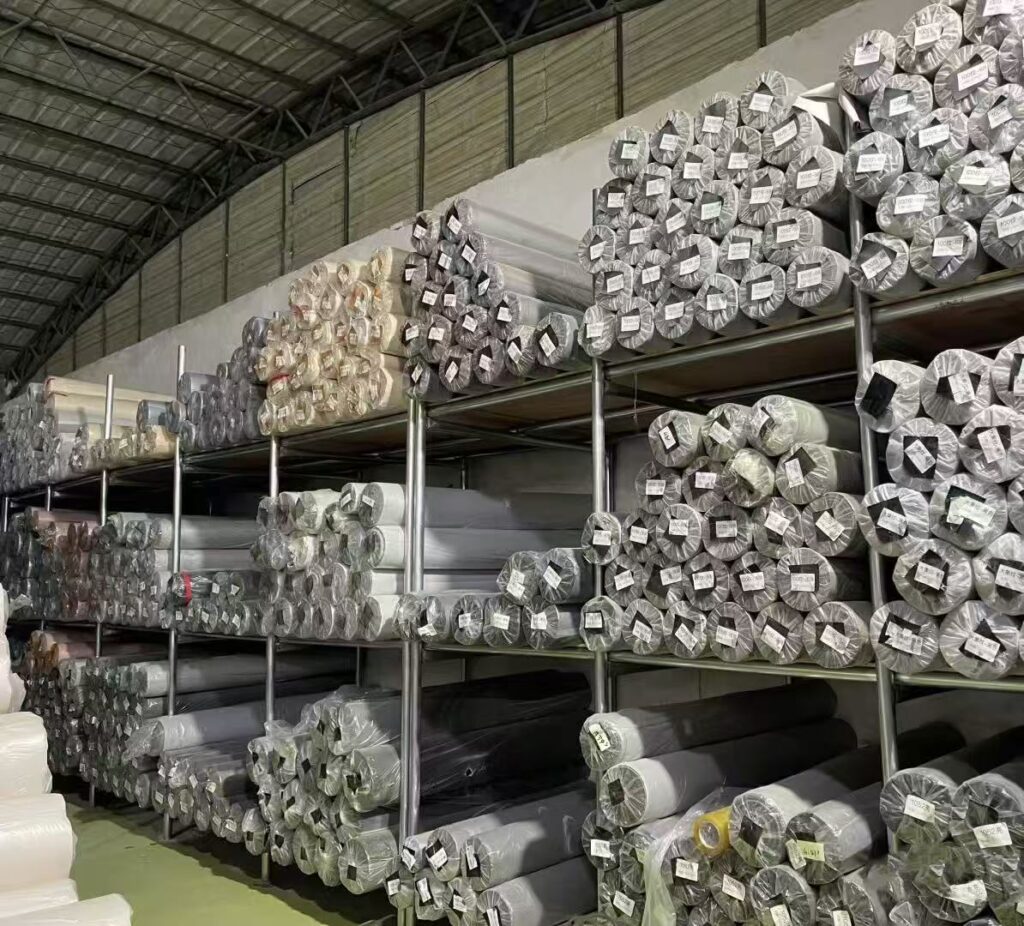
When budgets are tight or deadlines are closer than your next meal, custom production feels slow. Stock leather solves this with ready-to-ship options.
Standard stock synthetic leather offers fast delivery, lower costs, and a wide variety of general-purpose colors and textures suitable for everyday applications.
Stock synthetic leather is the “grab-and-go” solution of the leather world. You browse the available collections, pick your favorite, and boom—it ships. No waiting for production, no tweaking colors, no back-and-forth confirmations.
For projects that don’t require a unique design—like general furniture, small accessories, or short-term commercial use—stock leather provides great value. Many factories keep a wide selection of trendy colors and classic grains, so you can often find something that works well enough.
However, stock options do have limitations. Colors may vary between batches, and once a pattern is discontinued, it’s gone forever. If you need the exact same shade next year? Good luck finding it.
Still, for many buyers, convenience wins over customization.
Which One Is Better for Large Orders?

Bulk buyers worry about color consistency and quality control. Nobody wants 500 meters in five slightly different shades. Custom production eliminates this risk.
For large-volume orders, custom synthetic leather offers better quality consistency and repeatable results, while stock leather may vary between batches.
When you’re ordering hundreds or thousands of meters, consistency becomes the top priority. Custom synthetic leather is produced in a single continuous batch, meaning every roll looks identical—perfect for brands that care about visual harmony.
Stock leather, on the other hand, may come from mixed production batches. Even small variations in color tone or gloss level can become obvious when used on large furniture or automotive interiors. Buyers often find themselves spending extra time sorting, matching, or rejecting rolls.
Custom production also allows for better performance features—like UV protection, fire resistance, waterproof coatings, or anti-scratch finishes—making it the more reliable choice for demanding applications. For big projects, custom leather isn’t just better; it’s the safest option.
Which One Is More Cost-Effective?
Many buyers believe custom means “expensive,” but that’s not always true. Hidden costs in stock leather—like sorting defects or handling mismatches—can add up.
Custom synthetic leather offers better long-term cost efficiency for brands needing consistency, while stock leather costs less upfront for smaller or simple projects.
Yes, custom synthetic leather usually costs more per meter—but only at first glance. When you factor in fewer defects, better consistency, and reduced rework, the long-term cost may actually be lower.
For example, if you’re producing a full sofa line, even a slight color mismatch could lead to returned products or wasted material. Custom production prevents these headaches entirely.
On the other hand, if you just need 20–50 meters for a small run or prototype, stock options are clearly more economical. Less waiting, fewer requirements, and more flexibility.
Think of it this way: custom is like ordering a tailored suit, while stock leather is buying something off the rack. Both are useful—just for different situations.
Conclusion
Custom synthetic leather wins when you need consistency, branding, or performance. Stock leather wins for budget and speed. The “better” choice depends on your project’s priorities—design freedom or convenience.
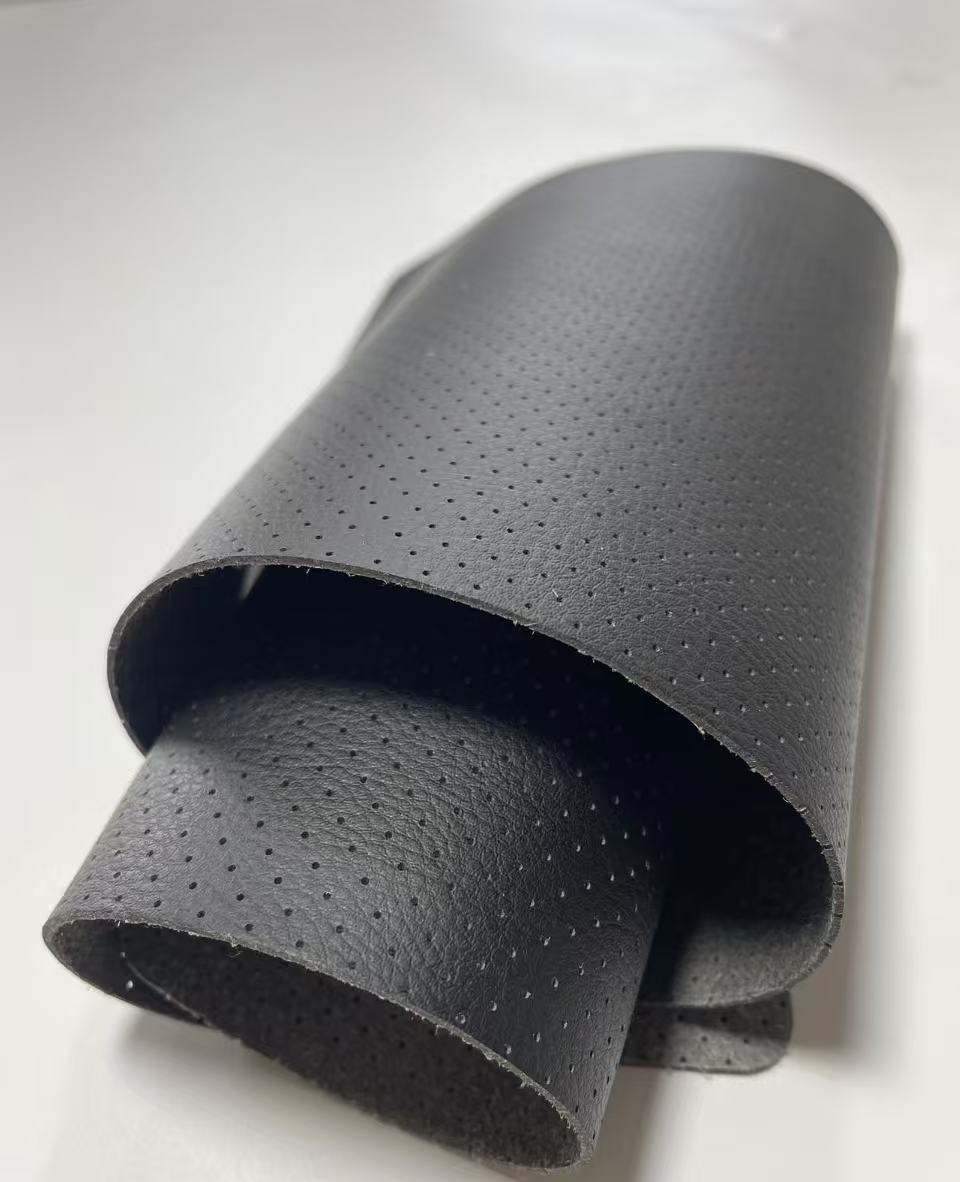
Why Can Two Synthetic Leathers With the Same Specifications Perform Very Differently?
Synthetic leather with the same specifications can still perform differently. This article explains the hidden factors behind performance gaps and how buyers can ensure consistent quality.
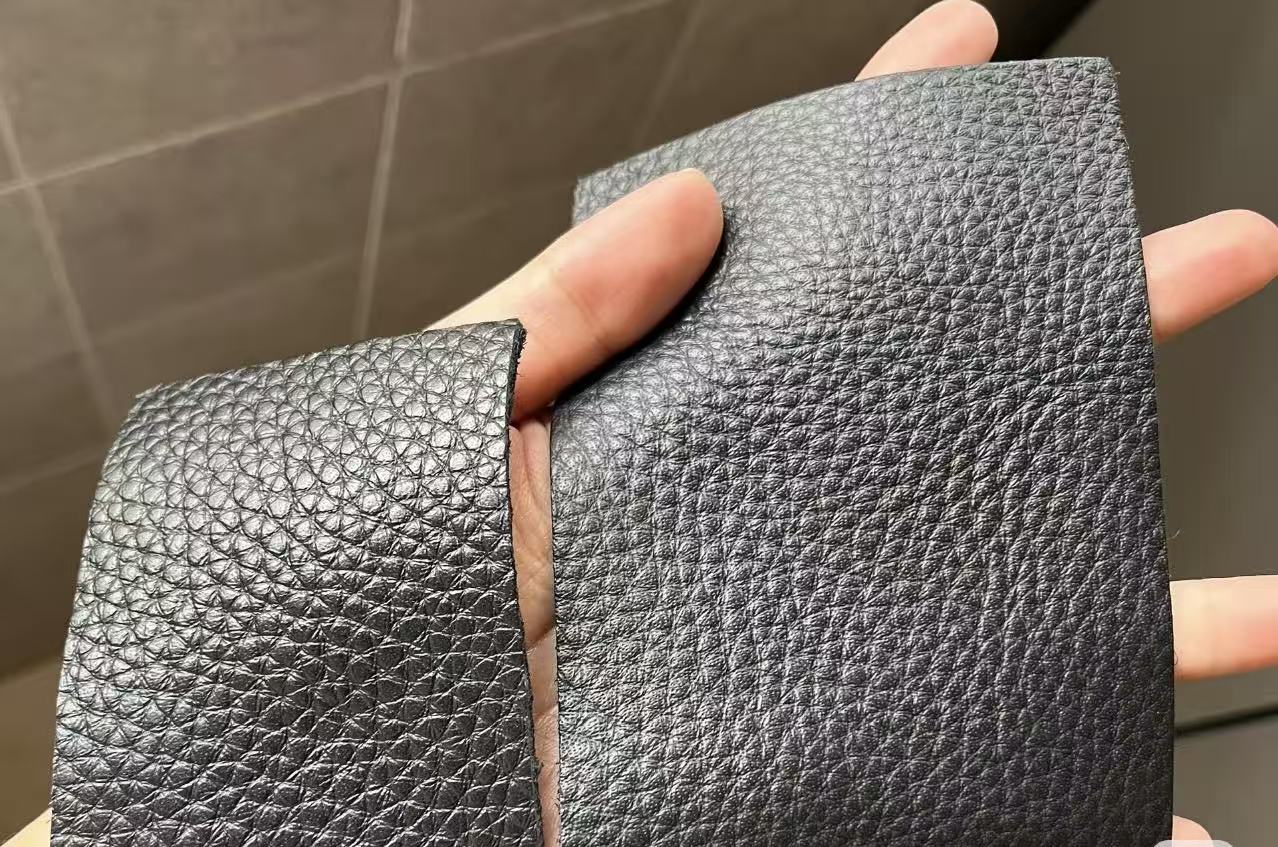
Why Does Synthetic Leather Quality Vary Between Batches?
Synthetic leather quality can vary between batches due to materials, production, and supplier control. This guide explains the causes and how buyers can ensure consistent quality.
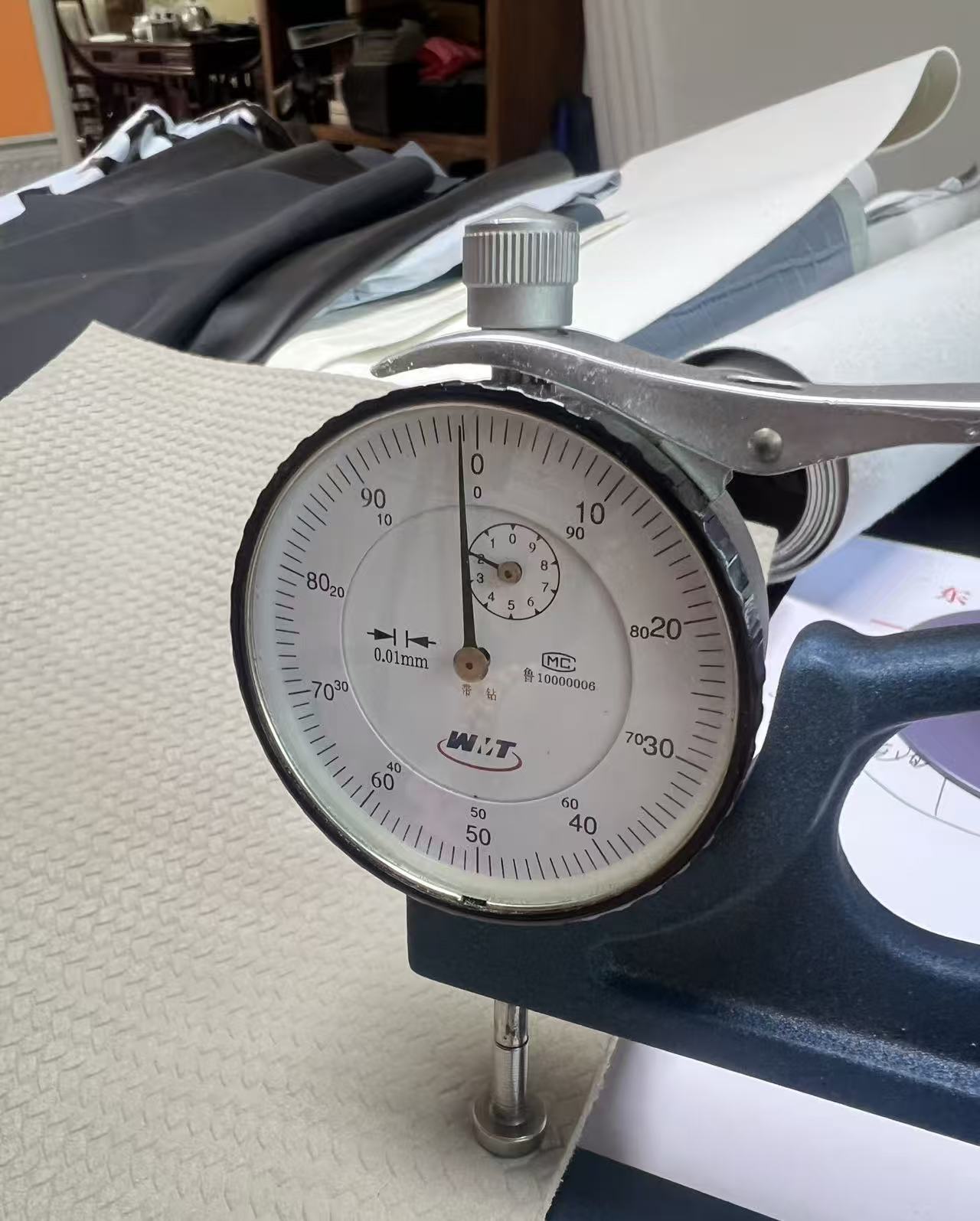
Does Thickness Really Decide Faux Leather Quality (And What Matters More)?
Many buyers assume thicker faux leather means better quality. This article explains why thickness alone is not enough and what really determines synthetic leather performance.