
Why Can’t a “Perfect-Looking” Sample Represent Bulk Production?

Buyers often assume a sample equals a promise.
The problem is that many samples are made under special, non-repeatable conditions.
We start by questioning how that sample was produced.
A synthetic leather sample can look flawless, but without scalable formulas, it often fails during continuous bulk production.
In our experience, many samples are produced using display-grade formulas. These formulas prioritize appearance over stability. Production speed is slower, coating loss is ignored, and yield rates are not calculated.
When moved to real production lines, problems appear: uneven thickness, unstable coating adhesion, or color shifts across rolls. We have seen samples approved in minutes lead to full-container rejections later—not because the supplier lied, but because the sample was never designed for scale.
What Are the First Three “Hidden Signals” We Check in a Sample?
Hand feel can be misleading.
Visual texture can be adjusted.
Data, however, cannot be disguised.
Before approving any synthetic leather sample, we check thickness tolerance, coating adhesion, and base fabric stability.
First, we measure thickness tolerance, not just average thickness. Large deviations signal unstable coating control.
Second, we test coating adhesion, especially after bending and abrasion. Weak bonding usually worsens during mass production.
Third, we evaluate base fabric stability. If the fabric stretches or shrinks inconsistently, no surface finish can save the final product. These three indicators tell us whether a sample can survive real production pressure.
Why Do We Always “Scale Up” Sample Testing Before Approval?

Small samples pass easily.
Continuous production exposes real weaknesses.
Skipping scale tests is where low-cost samples cut corners.
Scale testing reveals production risks that small synthetic leather samples simply cannot show.
We always test samples in continuous production scenarios. This includes checking roll-to-roll consistency, surface uniformity, and color stability over length.
Many issues—such as gloss variation, coating streaks, or batch inconsistency—only appear after dozens or hundreds of meters. Cheap samples often skip this step entirely, which is why problems surface only after shipment.
How Do We Decide a Sample Is Ready for Bulk Production?
We don’t chase perfect samples.
We chase controllable outcomes.
Our approval logic is practical, not emotional.
A good synthetic leather sample is not the most attractive one, but the most repeatable one.
We approve samples based on repeatability, cost sustainability, and end-use suitability.
A sample that looks amazing but requires unstable raw materials or unrealistic process conditions is rejected. Whether for sofas, automotive seats, or bags, the sample must perform consistently under real production constraints. That is what protects both us and our customers.
Conclusion
A sample is not an answer—evaluation logic is.
That is why we would rather slow down approval than let customers pay later for rework, delays, or failed bulk production.
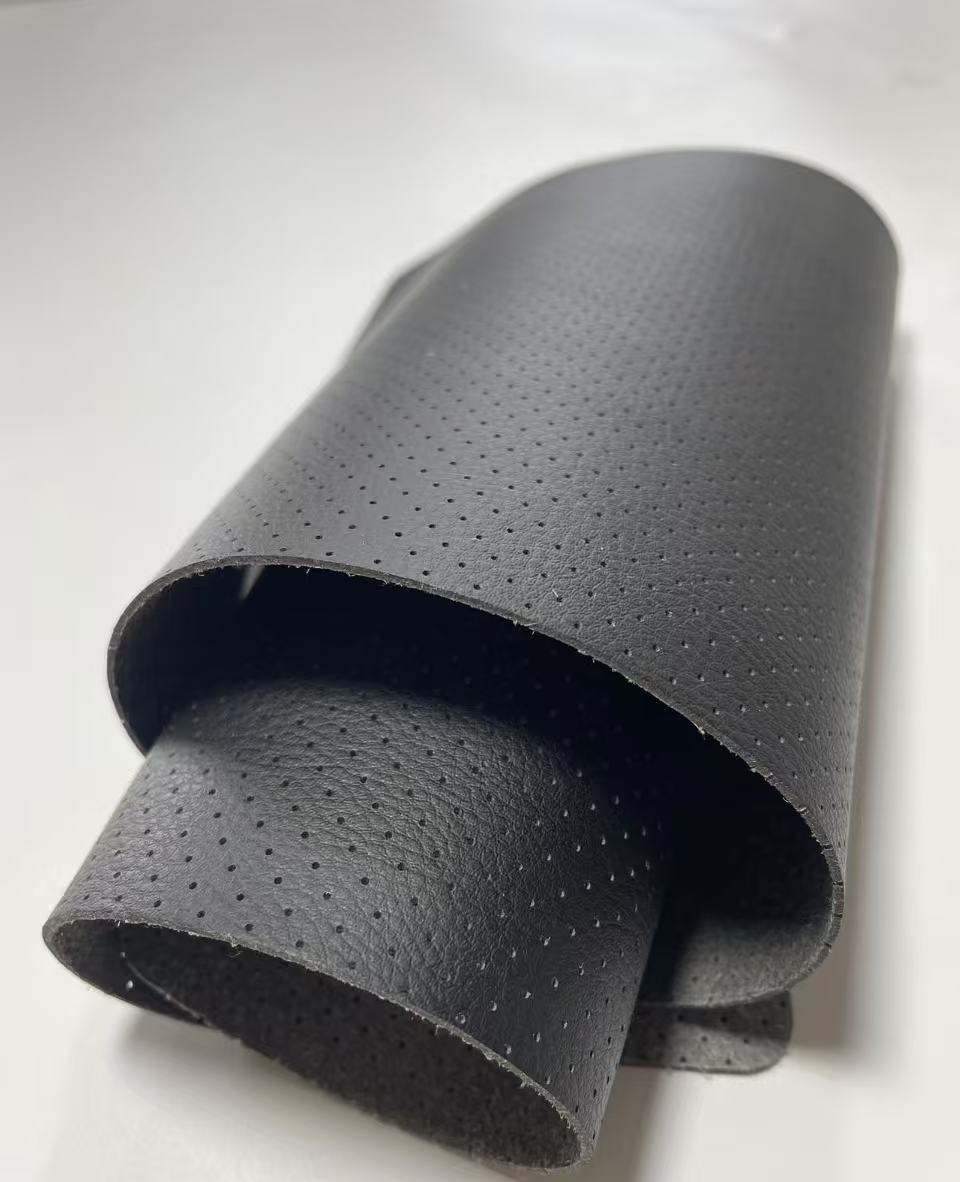
Why Can Two Synthetic Leathers With the Same Specifications Perform Very Differently?
Synthetic leather with the same specifications can still perform differently. This article explains the hidden factors behind performance gaps and how buyers can ensure consistent quality.
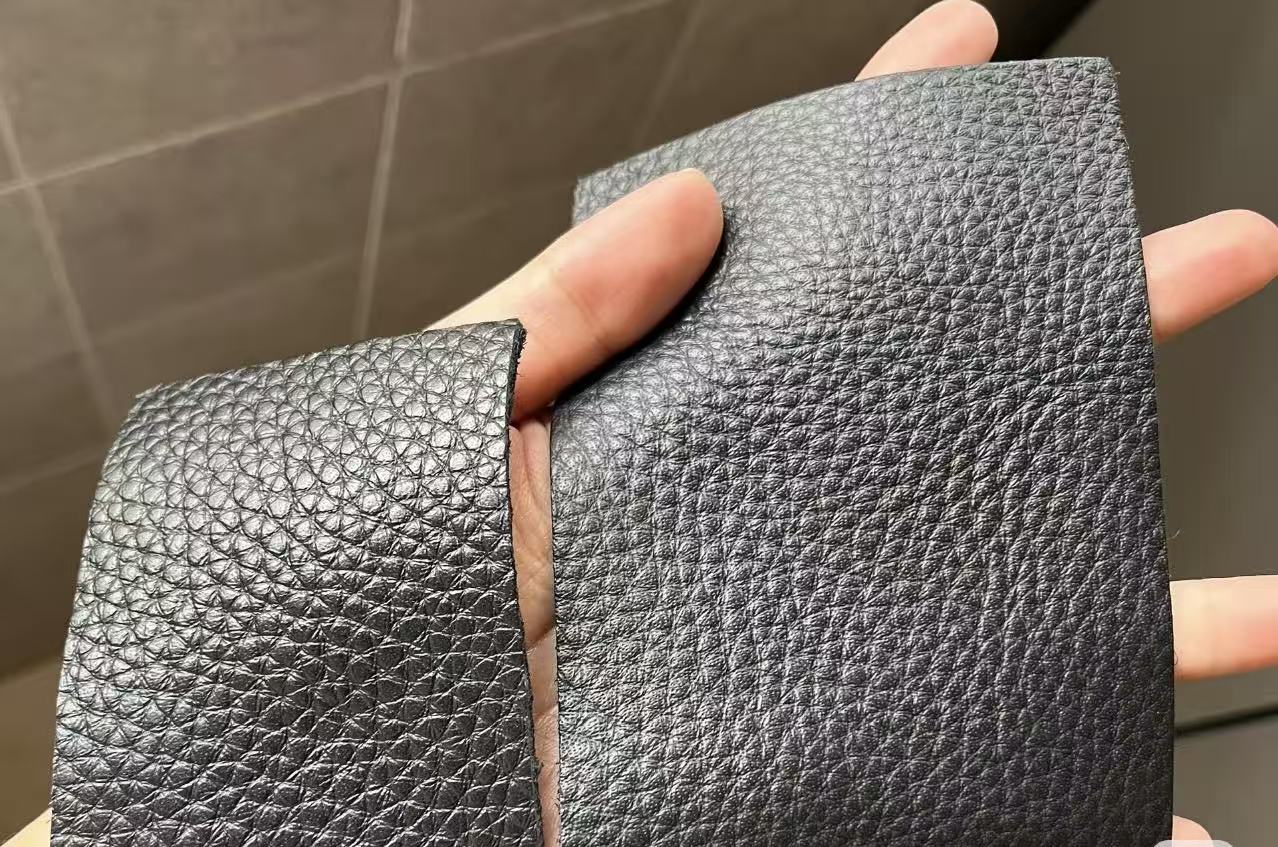
Why Does Synthetic Leather Quality Vary Between Batches?
Synthetic leather quality can vary between batches due to materials, production, and supplier control. This guide explains the causes and how buyers can ensure consistent quality.
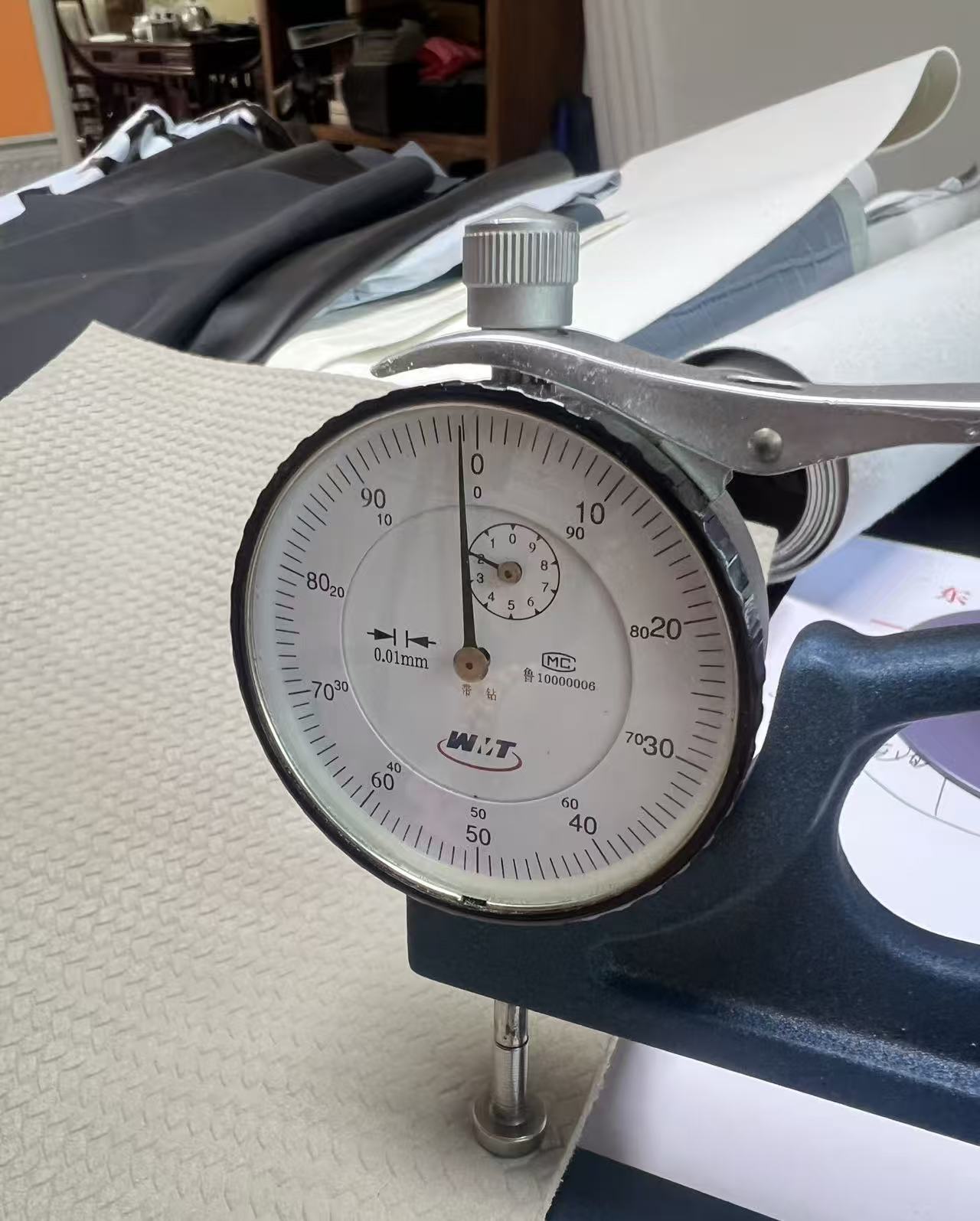
Does Thickness Really Decide Faux Leather Quality (And What Matters More)?
Many buyers assume thicker faux leather means better quality. This article explains why thickness alone is not enough and what really determines synthetic leather performance.