
What Do “Specifications” Really Include—and What Do They Miss?
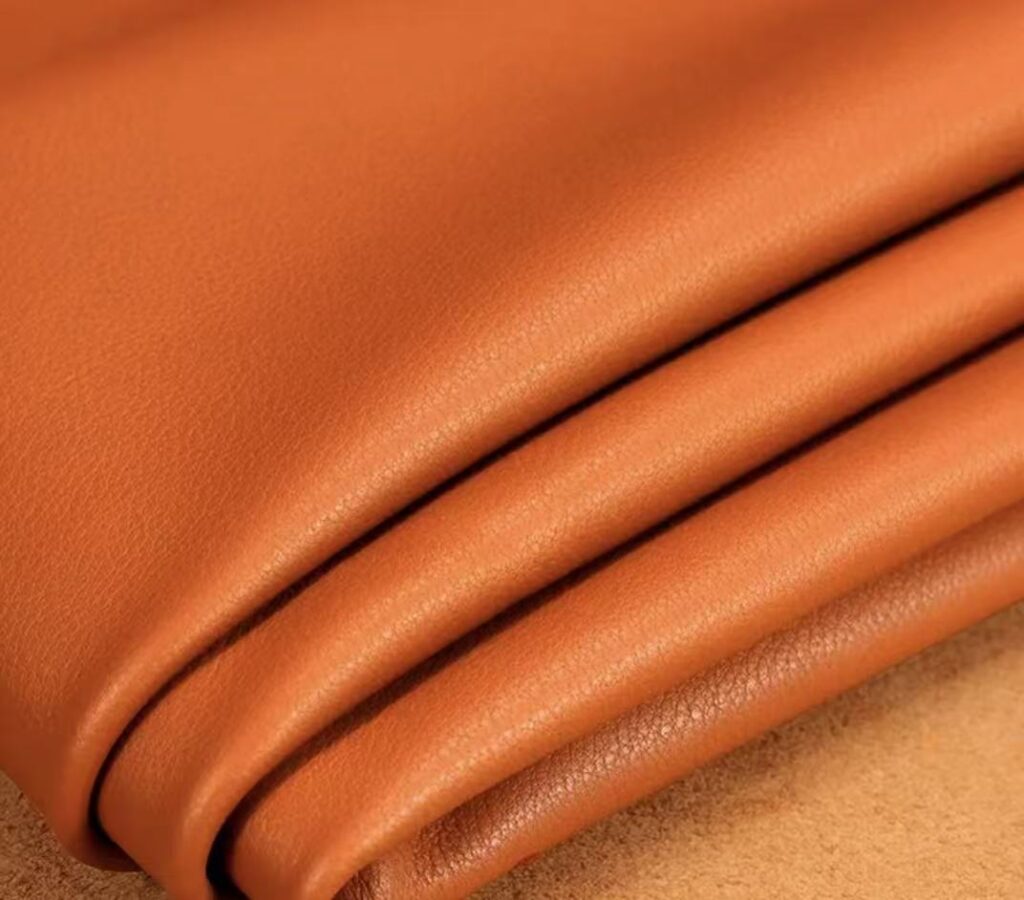
Most buyers rely heavily on specification sheets. The problem? Specs look complete, but they often hide critical performance factors.
Thickness, backing, and surface finish are visible specifications, but internal structure and formulation details are usually not included.
Specifications are useful—but limited.
They typically include thickness, backing fabric type, color, and surface texture. These are easy to measure and compare. But what about what’s inside?
Things like foam density, layer bonding strength, and internal structure are rarely listed. Yet these are exactly what determine durability, flexibility, and long-term performance.
In simple terms: specs tell you what it looks like, not how it behaves.
How Do Formulation and Additives Affect Performance?
Two materials can look identical on paper—but their “recipes” can be completely different.
Plasticizers, stabilizers, and UV additives directly influence flexibility, durability, and resistance to aging.
Synthetic leather is a chemical product, not just a physical one.
Plasticizers control softness and flexibility. Stabilizers affect heat resistance. UV additives determine how well the material holds up under sunlight.
Here’s the catch: these ingredients don’t usually appear in the spec sheet.
Some manufacturers reduce additive content to cut costs. The result? The leather may look fine at first, but cracks, hardens, or fades much faster.
It’s like two cars with the same exterior—but one has a much better engine.
Why Does Production Quality Make Such a Big Difference?

Even with the same materials and formula, poor production control can ruin everything.
Coating uniformity, foaming stability, and bonding strength all directly affect real-world performance.
Production is where theory becomes reality.
If the coating is uneven, some areas wear out faster. If foaming is unstable, the softness varies across the surface. Weak bonding between layers can lead to peeling or delamination.
These are not “spec problems”—they are execution problems.
That’s why two products with identical specs can behave very differently in actual use.
A good factory doesn’t just follow a formula—it controls every step consistently.
Can Testing Standards and Quality Control Affect Results?
Here’s a tricky one: even test results can be misleading.
Different testing methods, conditions, and tolerances can produce very different results—even for similar materials.
Not all test reports are created equal.
Different countries and factories use different testing standards. Some test under ideal conditions, while real-world use is much harsher.
And yes—some reports look better than reality.
If a supplier lacks strict quality control or relies on unreliable certifications, the specs you receive may not reflect actual performance.
This is why experienced buyers don’t just read reports—they verify them.
How Can Buyers Avoid This “Same Specs, Different Performance” Problem?
If you rely only on specs, you’re taking a risk. Smart buyers go one step further.
Evaluating physical samples, defining performance standards, and working with reliable suppliers are key to ensuring consistent results.
Want to avoid surprises? Build a simple system.
Start with a physical sample—not just a datasheet. Test it under real conditions if possible. Define what matters: abrasion resistance, flexibility, tensile strength, color fastness.
Don’t rush into large orders. Start small, validate performance, then scale up.
Most importantly, work with suppliers who are consistent—not just competitive on price.
At ZD Leather, we support customers with sample confirmation, clear specifications, and stable production control, helping reduce the risk of “same specs, different results.”
Conclusion
Specifications are just the starting point—not the final answer. Real performance comes from formulation, production, and quality control.
If you want consistent results, focus on the supplier behind the specs—not just the numbers on paper.

Why Does Synthetic Leather Quality Vary Between Batches?
Synthetic leather quality can vary between batches due to materials, production, and supplier control. This guide explains the causes and how buyers can ensure consistent quality.
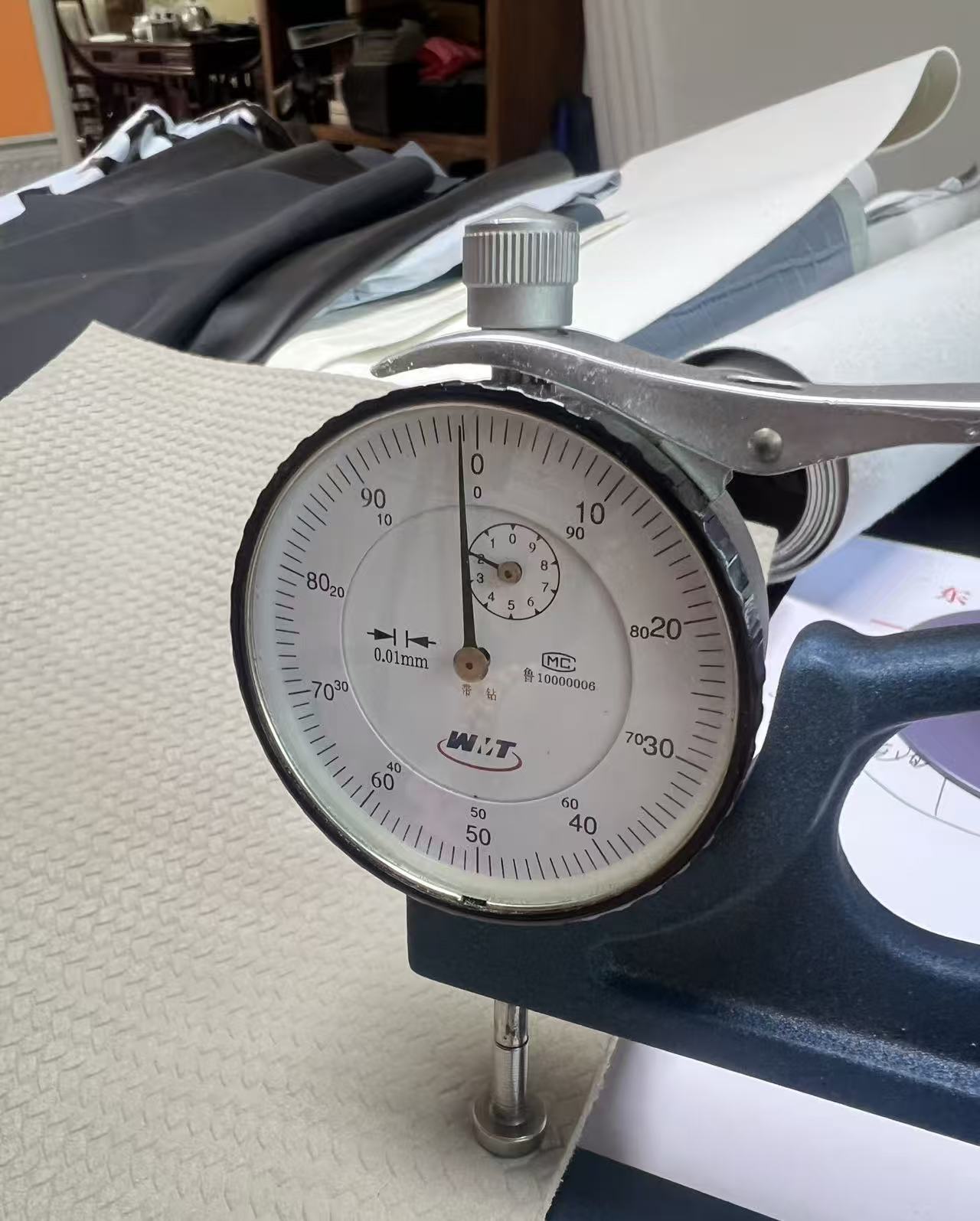
Does Thickness Really Decide Faux Leather Quality (And What Matters More)?
Many buyers assume thicker faux leather means better quality. This article explains why thickness alone is not enough and what really determines synthetic leather performance.
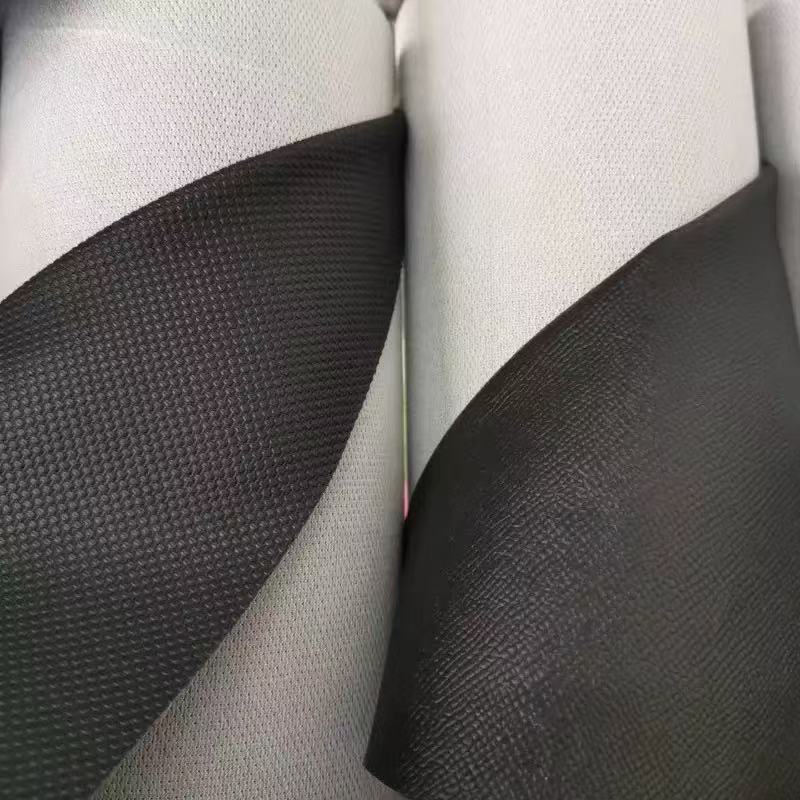
How Do We Help Buyers Decide Between PVC and PU Leather for Different Projects?
Choosing between PVC and PU leather can be confusing. This article explains how to select the right synthetic leather based on application, durability, cost, and performance.