
Why Do Buyers Often Assume Thicker Faux Leather Means Better Quality?
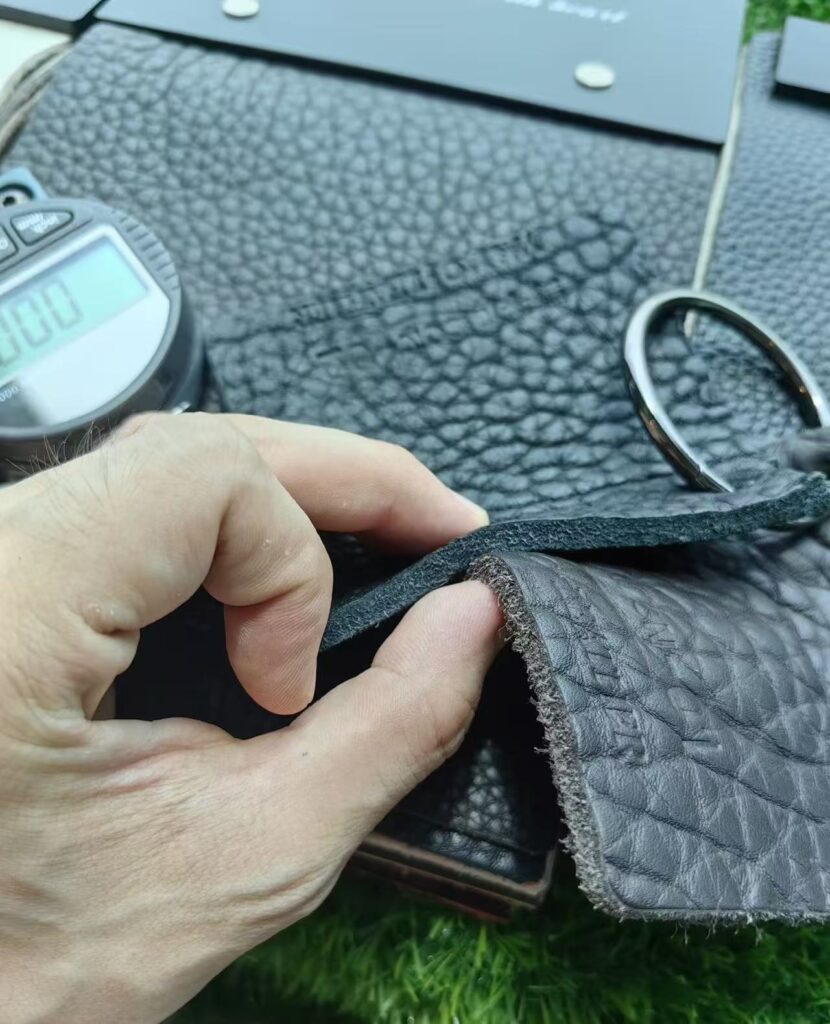
Thickness is easy to measure and compare.So buyers naturally use it as a quality indicator.But this shortcut can be misleading.
Many buyers associate thicker faux leather with higher durability, but this assumption does not always reflect real performance.
In real sourcing situations, thickness is often the first specification discussed because it is simple, visible, and easy to compare across suppliers. A thicker material feels more solid in hand and is often perceived as stronger or more durable.
We’ve seen many buyers use thickness as a quick way to judge value, especially when comparing prices. Some suppliers also emphasize thickness because it is an easy selling point.
However, this approach ignores how the material is constructed. Thickness alone does not reveal whether the coating is stable, whether the layers bond properly, or whether the material will perform consistently over time.
Why Can Thicker Synthetic Leather Still Perform Poorly?
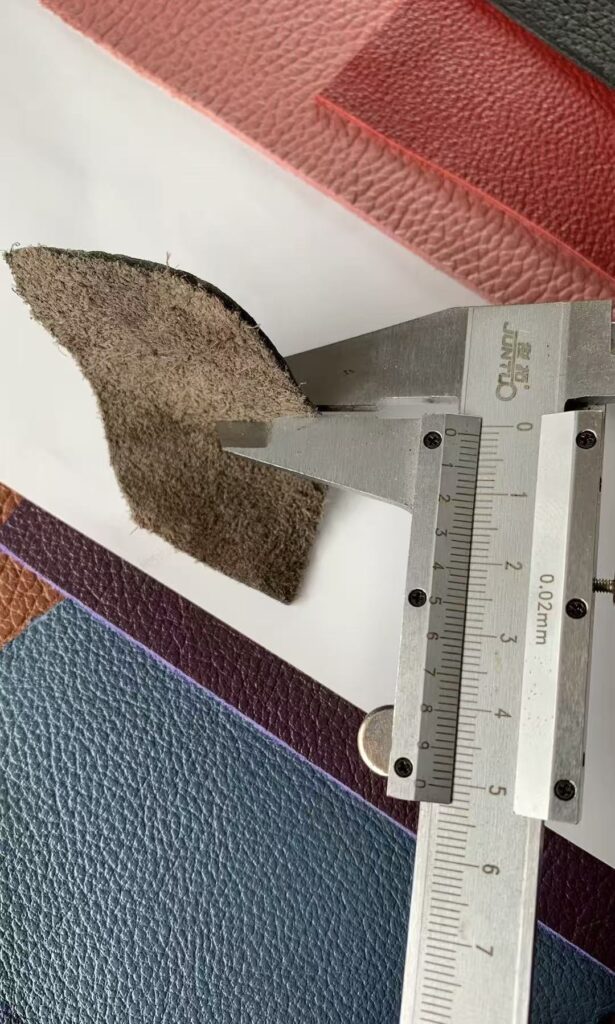
A thicker sample may look more reliable.But real performance depends on internal structure.Poor formulation can still cause failure.
Even thick synthetic leather can fail if coating quality, adhesion, or base material structure is not properly controlled.
From our production experience, we have seen cases where thick materials cracked, peeled, or lost flexibility after short-term use. These issues are rarely related to thickness itself.
Instead, they are often caused by weak coating formulations, poor adhesion between layers, or unstable backing fabrics. If these internal factors are not properly controlled, increasing thickness simply adds bulk without improving performance.
Even thick synthetic leather can fail if coating quality, adhesion, or base material structure is not properly controlled.
From our production experience, we have seen cases where thick materials cracked, peeled, or lost flexibility after short-term use. These issues are rarely related to thickness itself.
Instead, they are often caused by weak coating formulations, poor adhesion between layers, or unstable backing fabrics. If these internal factors are not properly controlled, increasing thickness simply adds bulk without improving performance.
What Actually Determines Synthetic Leather Quality?
Thickness gives only partial information.Buyers need to look deeper into the material.Key structural factors define real quality.
Coating formulation, backing fabric, adhesion strength, and production consistency are the key factors that determine synthetic leather quality.
From our perspective as a manufacturer, real quality comes from how the synthetic leather is engineered and controlled during production.
The coating formulation determines flexibility, durability, and resistance to wear. The backing fabric affects strength, stability, and performance during processing.
Adhesion between layers is critical. If the bonding is weak, the material may peel or delaminate under stress. Production consistency also plays a major role, as stable processes ensure that every batch performs the same way.
These factors are not always visible in a sample, but they define how the material behaves in real applications over time.
How Do We Recommend the Right Thickness for Different Applications?
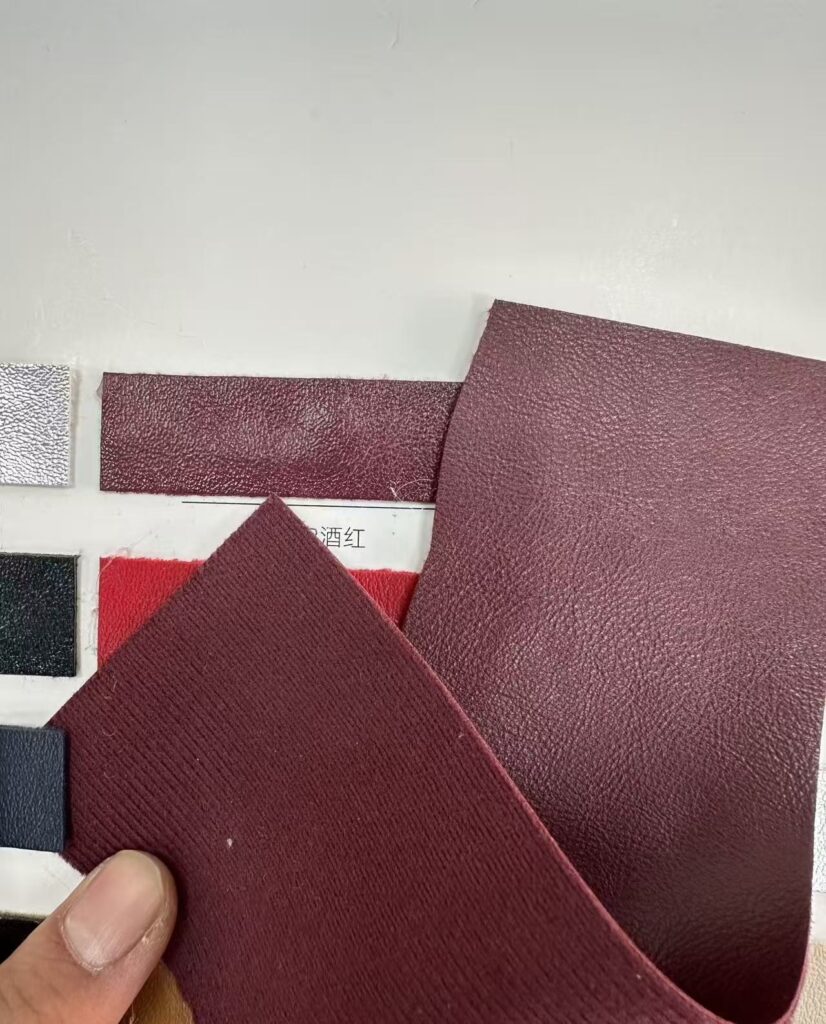
Choosing the thickest option feels safer.But it may not suit the actual application.The right thickness depends on use.
We recommend thickness based on application requirements such as sofas, bags, automotive use, and commercial seating—not by choosing the thickest option.
In practice, we always start with the application. For sofa upholstery, thickness must balance durability and flexibility to ensure comfort and ease of processing.
For bags, lighter and more flexible materials are often preferred, where excessive thickness may reduce usability. In automotive applications, thickness must align with performance standards such as wear resistance and temperature stability.
For commercial seating, durability is critical, but the structure still needs to support long-term use without becoming too rigid.
By matching thickness to the application rather than maximizing it, buyers can achieve better performance, lower cost, and more reliable production outcomes.
Conclusion
Thickness alone does not define faux leather quality. Real performance depends on structure, formulation, and consistency. Choosing the right material means selecting what fits the application—not simply what feels thicker.
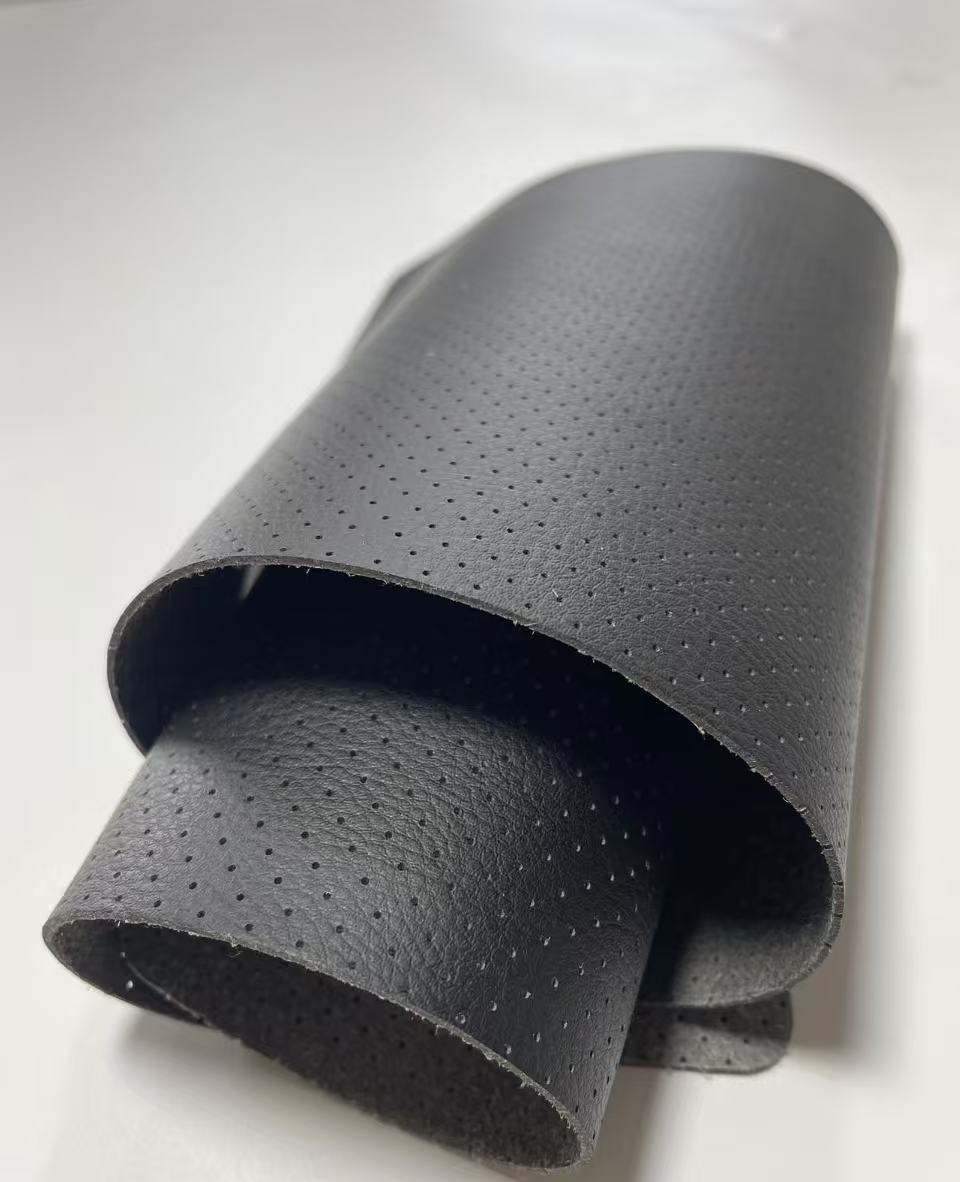
Why Can Two Synthetic Leathers With the Same Specifications Perform Very Differently?
Synthetic leather with the same specifications can still perform differently. This article explains the hidden factors behind performance gaps and how buyers can ensure consistent quality.
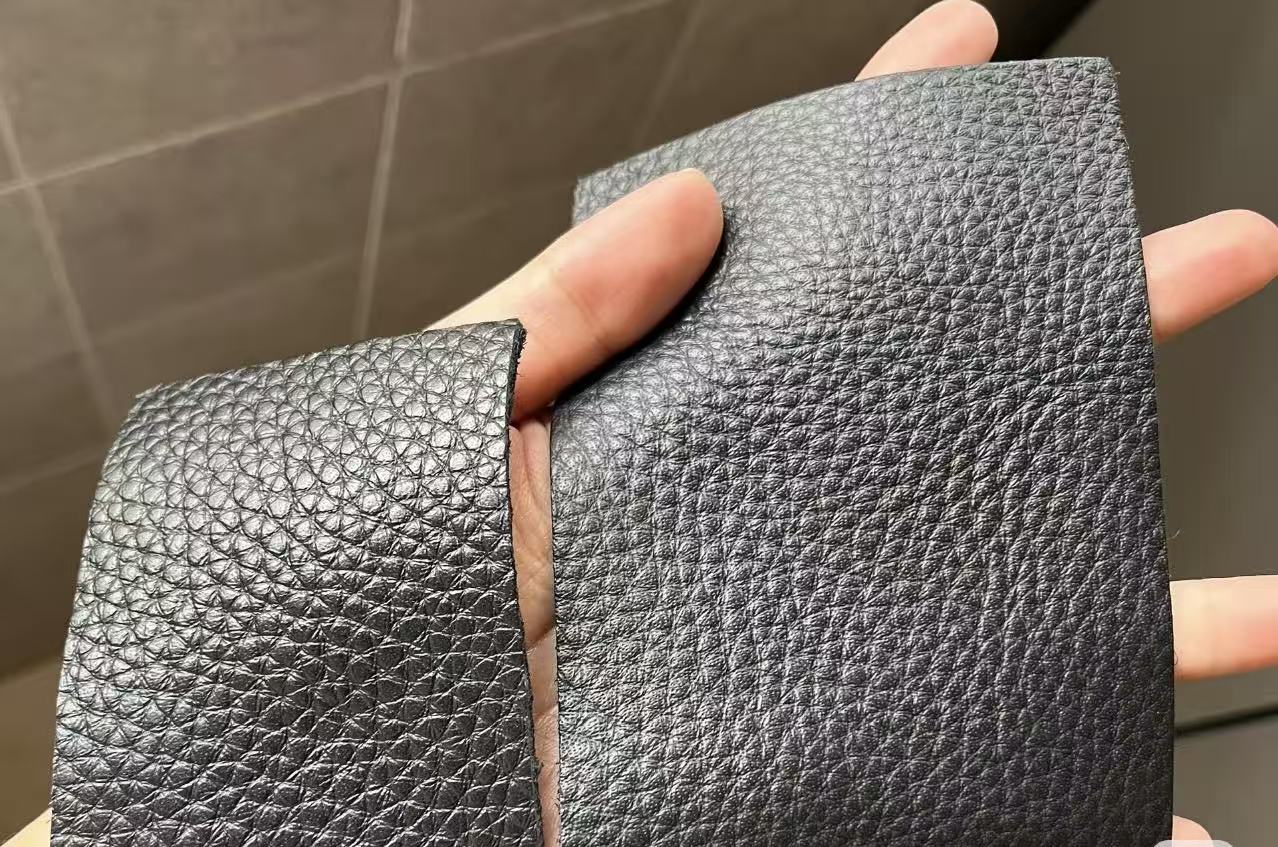
Why Does Synthetic Leather Quality Vary Between Batches?
Synthetic leather quality can vary between batches due to materials, production, and supplier control. This guide explains the causes and how buyers can ensure consistent quality.
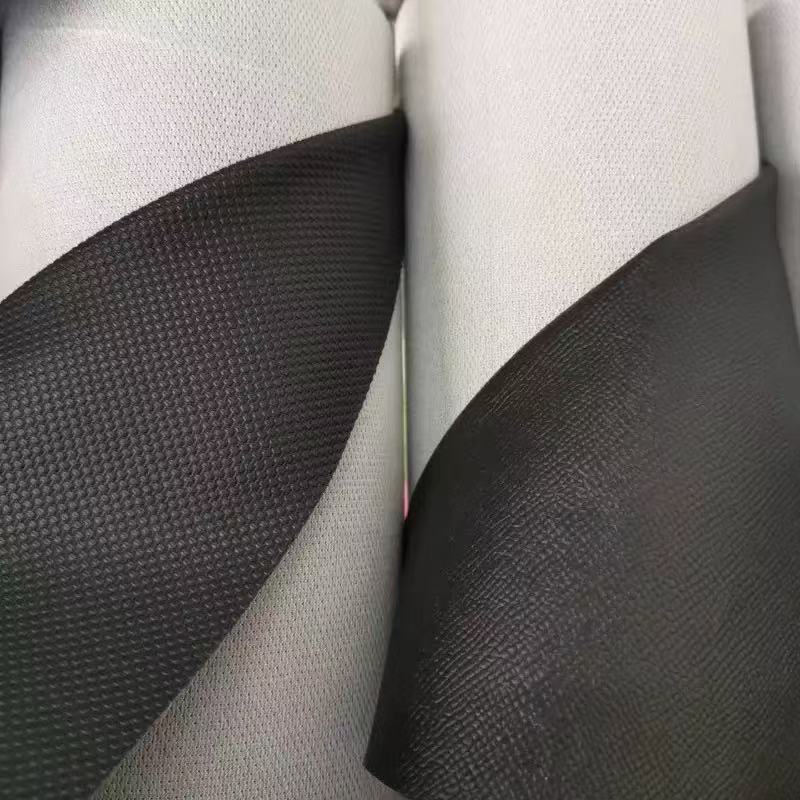
How Do We Help Buyers Decide Between PVC and PU Leather for Different Projects?
Choosing between PVC and PU leather can be confusing. This article explains how to select the right synthetic leather based on application, durability, cost, and performance.