
What Determines the Lifespan of Synthetic Leather?
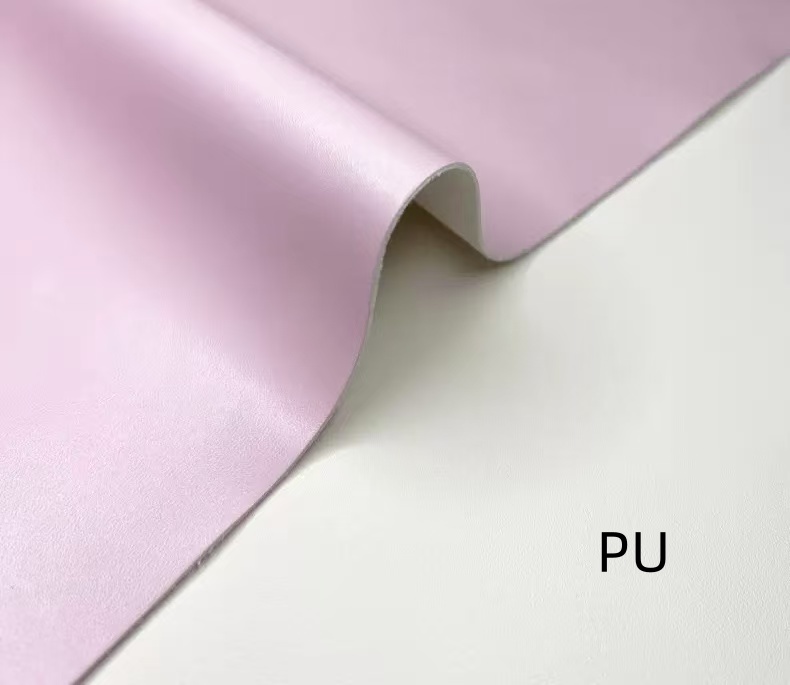
The lifespan of synthetic leather depends mainly on three factors:
Base material (PU or PVC)
Production process
Usage and care environment
High-quality PU vs PVC leather durability differs slightly — PU leather offers better softness and flexibility, while PVC leather provides superior water resistance and outdoor strength.
PU Leather vs PVC Leather: Which Lasts Longer?
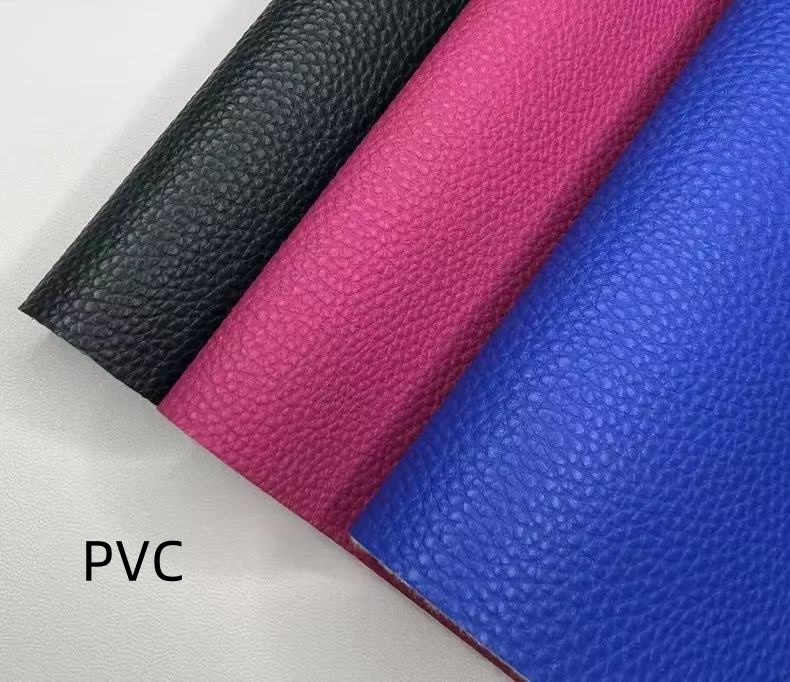
In general, PU leather lasts about 3–5 years under normal indoor use, while PVC leather can last up to 8–10 years, especially for waterproof PVC leather for outdoor furniture.
The key difference lies in coating thickness and resistance to UV and humidity — areas where PVC has the edge.
How to Extend the Lifespan of Synthetic Leather
To get the most out of your investment:
Keep it clean — Regularly wipe surfaces using mild soap. See our guide on how to clean synthetic leather.
Avoid direct sunlight — UV exposure can dry and fade the surface.
Store it properly — Learn about synthetic leather storage conditions to prevent cracking.
Choose quality material — Always request durability test reports (abrasion, peel strength, UV resistance) before buying.
The Role of Quality Testing

If you’re sourcing from manufacturers, ensure they perform quality inspection standards for artificial leather before shipment.
ZD Leather provides professional testing reports and follows strict QC procedures to guarantee product consistency and durability.
Conclusion
When treated well, synthetic leather can easily last 5–10 years, offering an ideal balance of cost, appearance, and performance.
If you’re unsure which material to choose, feel free to contact ZD Leather — with over 16 years of manufacturing experience, we’ll help you select the best option for your needs.
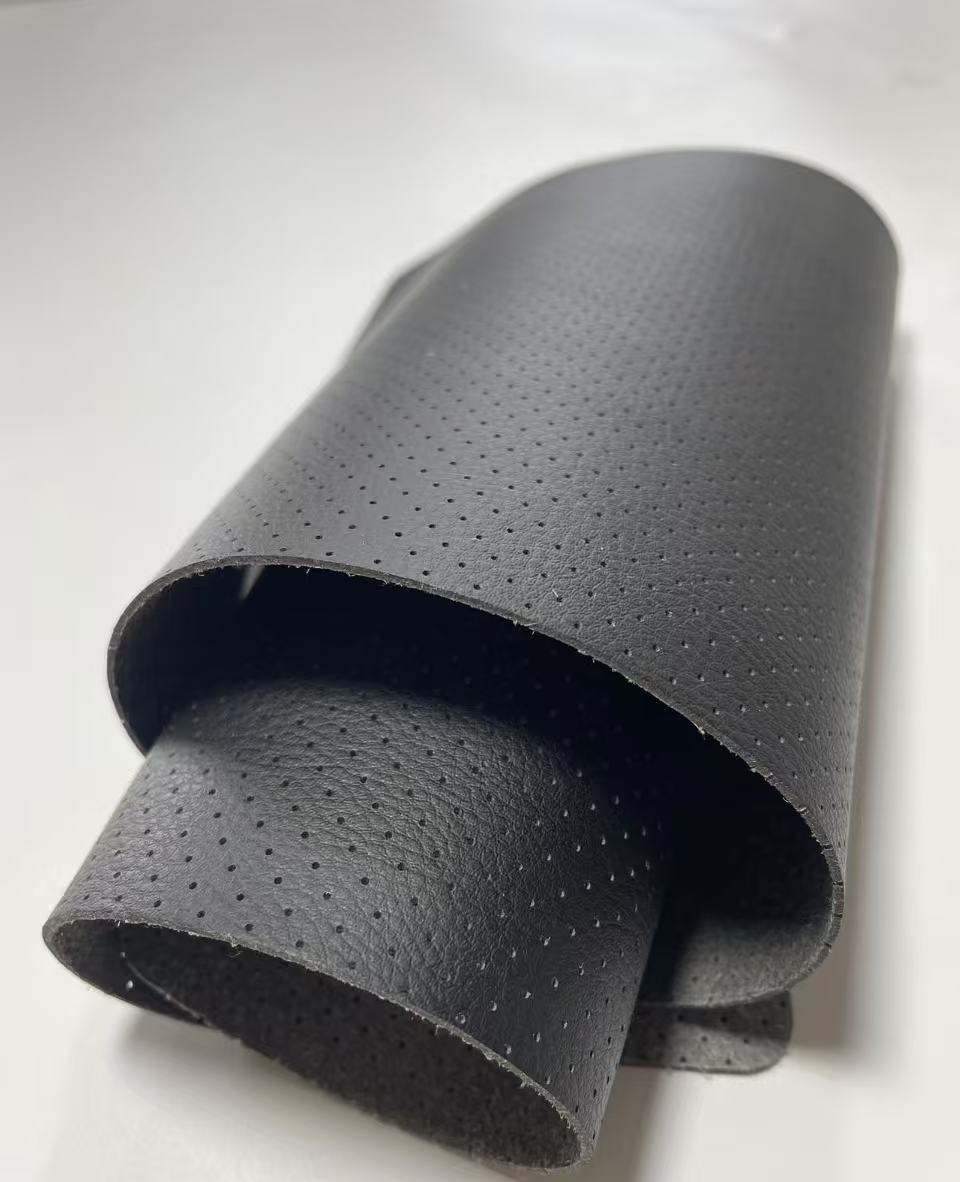
Why Can Two Synthetic Leathers With the Same Specifications Perform Very Differently?
Synthetic leather with the same specifications can still perform differently. This article explains the hidden factors behind performance gaps and how buyers can ensure consistent quality.
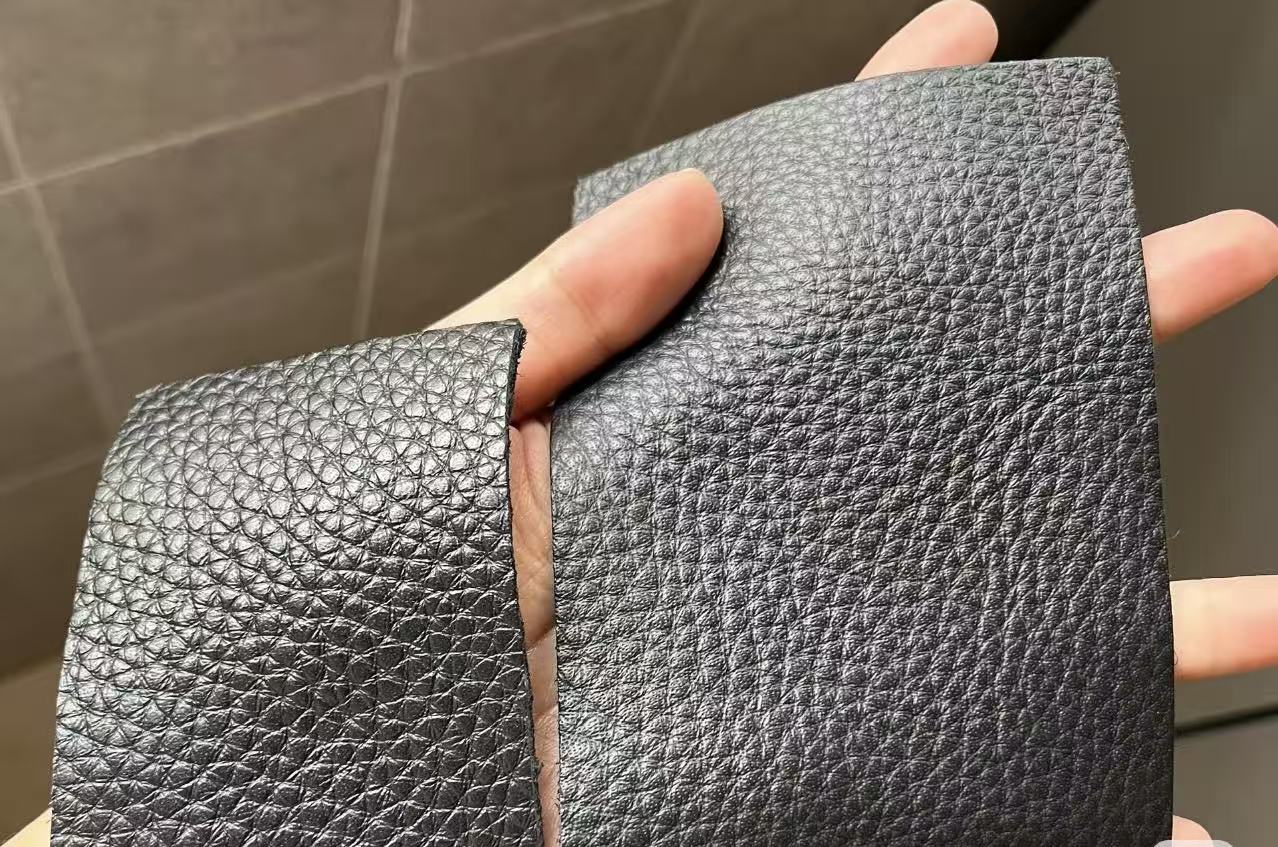
Why Does Synthetic Leather Quality Vary Between Batches?
Synthetic leather quality can vary between batches due to materials, production, and supplier control. This guide explains the causes and how buyers can ensure consistent quality.
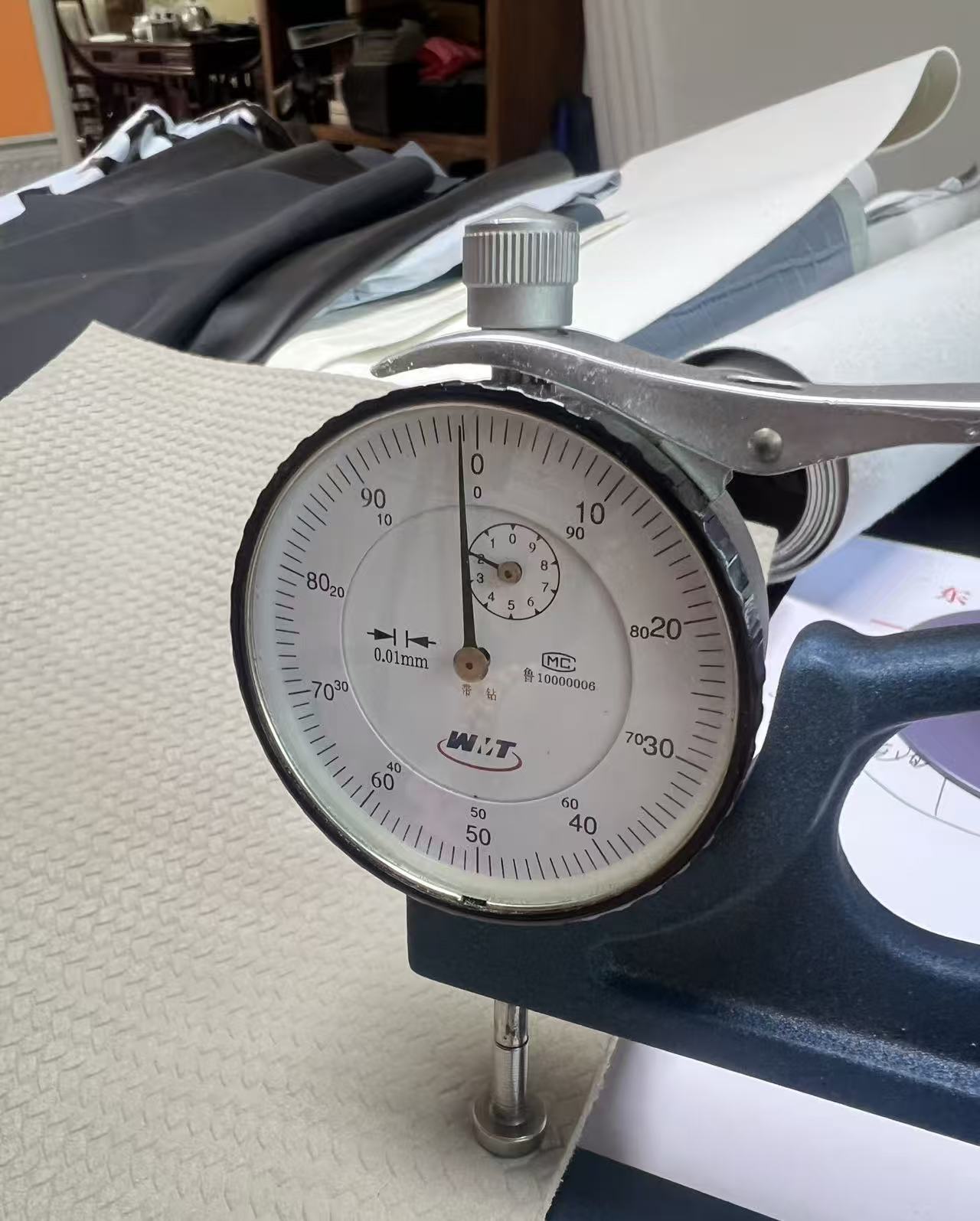
Does Thickness Really Decide Faux Leather Quality (And What Matters More)?
Many buyers assume thicker faux leather means better quality. This article explains why thickness alone is not enough and what really determines synthetic leather performance.