
Why Thickness and Texture Matter in Custom Synthetic Leather
When buyers import custom synthetic leather from China, two details often decide success—thickness and texture. These factors influence not only how your final product looks but also how it performs over time.
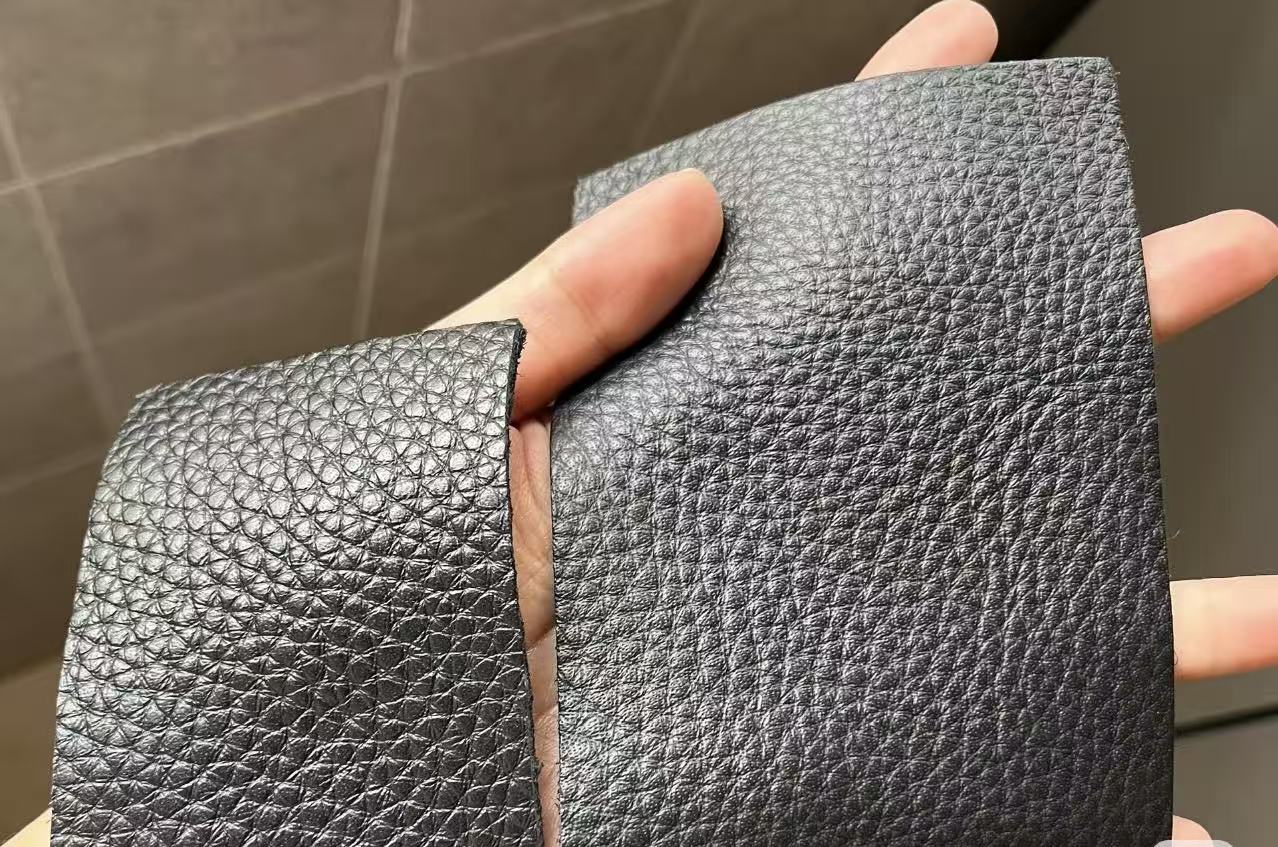
Texture gives leather its identity—grainy for a rugged style, smooth for elegance—while thickness affects flexibility, grip, and longevity.
👉 Learn more in our guide on What Is Synthetic Leather?
Understanding Synthetic Leather Thickness Standards
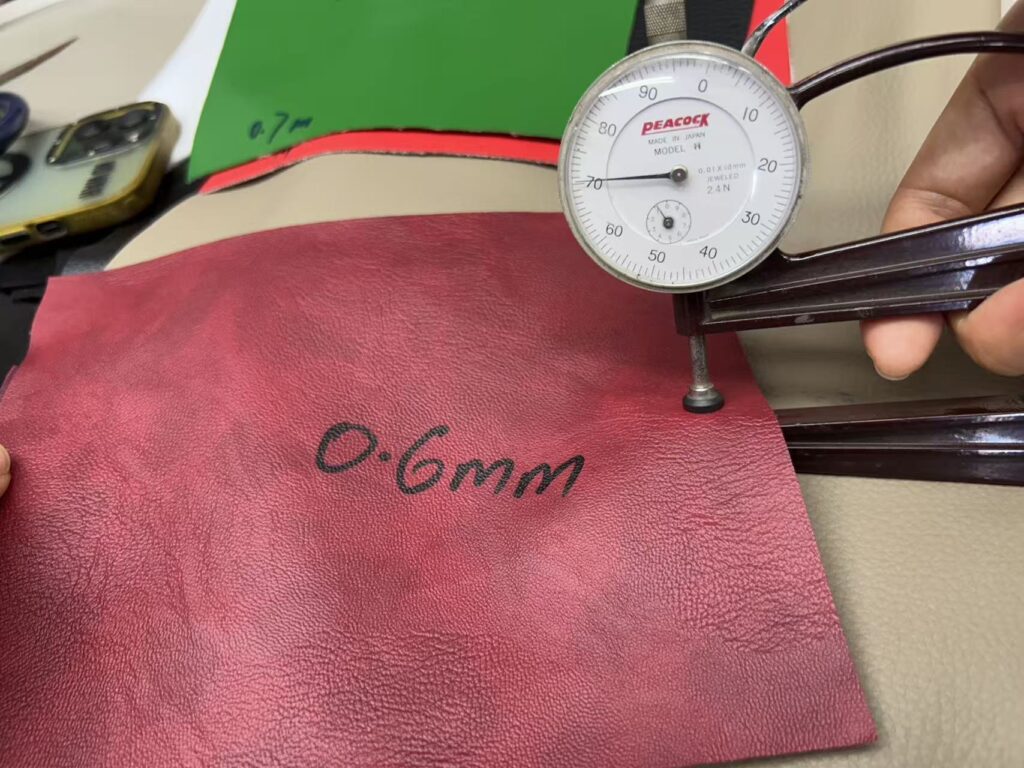
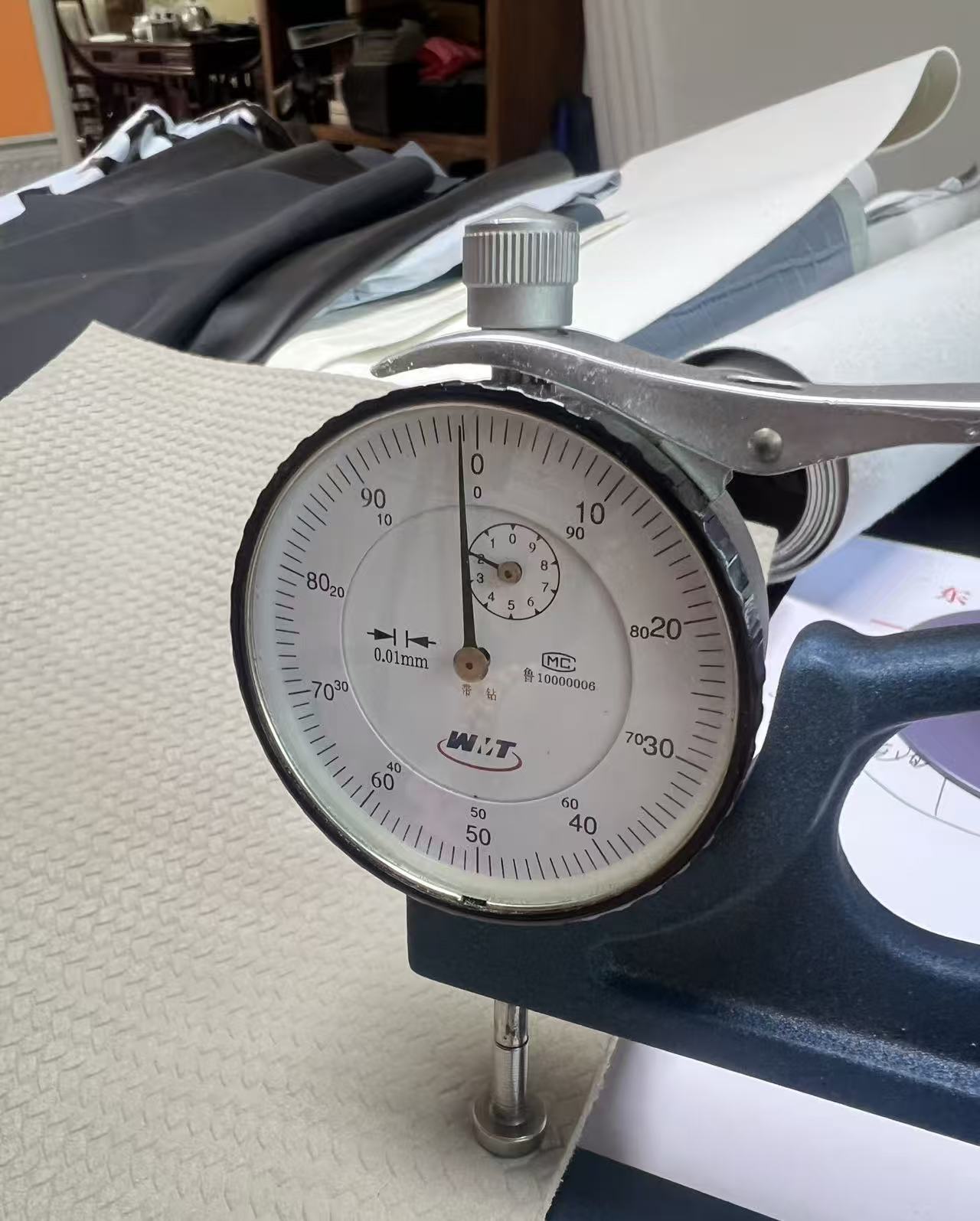
Synthetic leather thickness typically ranges from 0.6mm to 1.5mm, depending on the application.
Sofa leather: 1.0–1.2mm, soft and comfortable
Footwear leather: 0.8–1.0mm, flexible yet strong
Bag leather: 0.9–1.3mm, firm and durable
Automotive leather: 1.1–1.4mm, heat-resistant and strong
Thicker leather is sturdier but less flexible; thinner leather is softer but wears faster. Choosing the right balance helps ensure performance and comfort.
👉 Explore our Furniture PVC Leather Collection
How to Choose the Right Thickness for Your Product
Ask yourself: What’s the main purpose of my leather?
For sofas: Go for mid-thick, soft leather that resists wrinkles.
For bags: Choose firmer leather that holds shape.
For shoes: Look for strength and elasticity.
At ZD Leather, we produce customized thicknesses based on your needs—whether you want an ultra-soft 0.7mm feel or a structured 1.3mm build.
How to Choose the Right Surface Texture
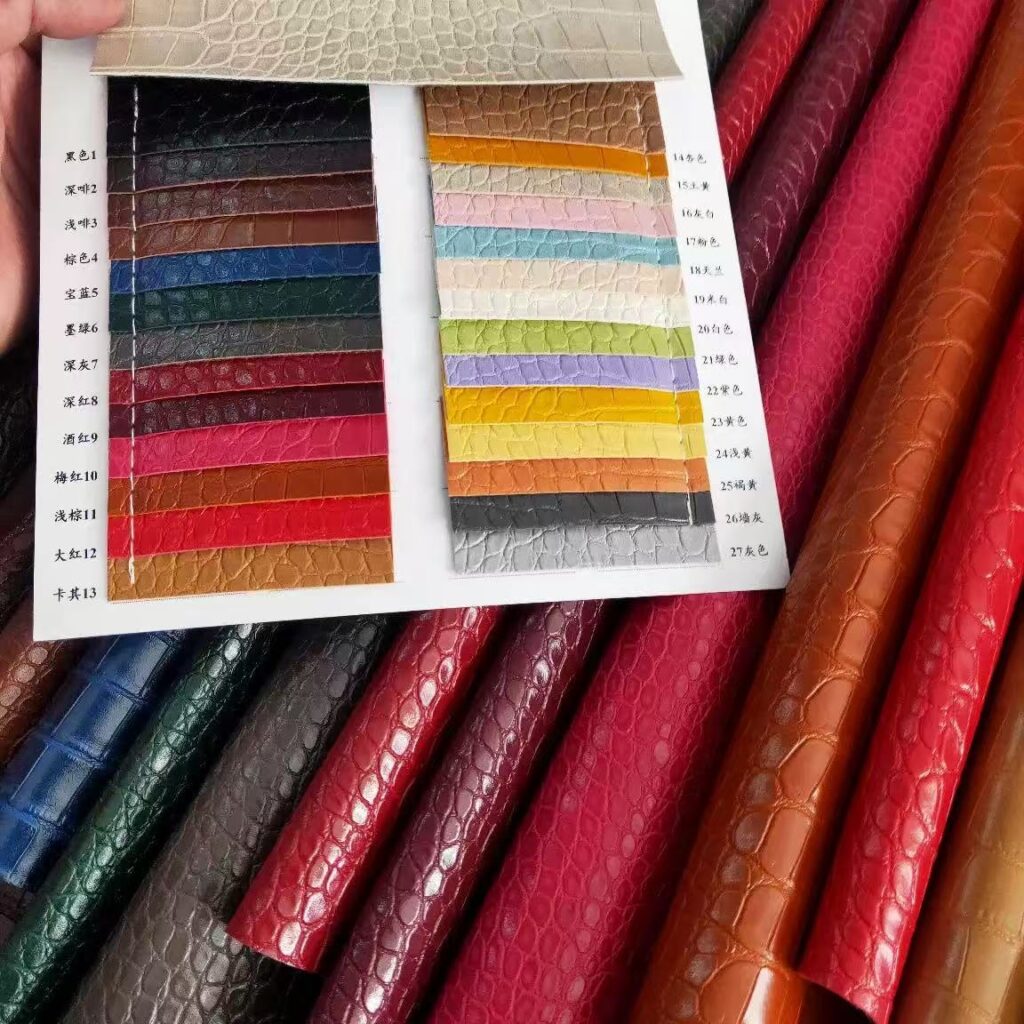
Texture defines emotion. Do you want sleek elegance or natural grain charm? Common surface options include:
Smooth texture: modern and minimalistic.
Litchi or Nappa grain: classic, natural look.
Suede or velvet-touch: soft, premium feel.
Each texture changes how light reflects off the surface and how users perceive quality.
👉 See our article on The Role of Surface Texture in Artificial Leather Design
PU vs PVC: How Material Affects Texture and Thickness
PU leather is known for softness and a natural hand-feel, ideal for high-end bags or shoes.
PVC leather, on the other hand, offers superior durability and water resistance—perfect for furniture or outdoor use.
Modern technology ensures both materials meet international environmental standards and safety requirements.
👉 Compare in detail: PVC Leather VS PU Leather: Which One Is Right for Your Needs?
Customization Options at ZD Leather
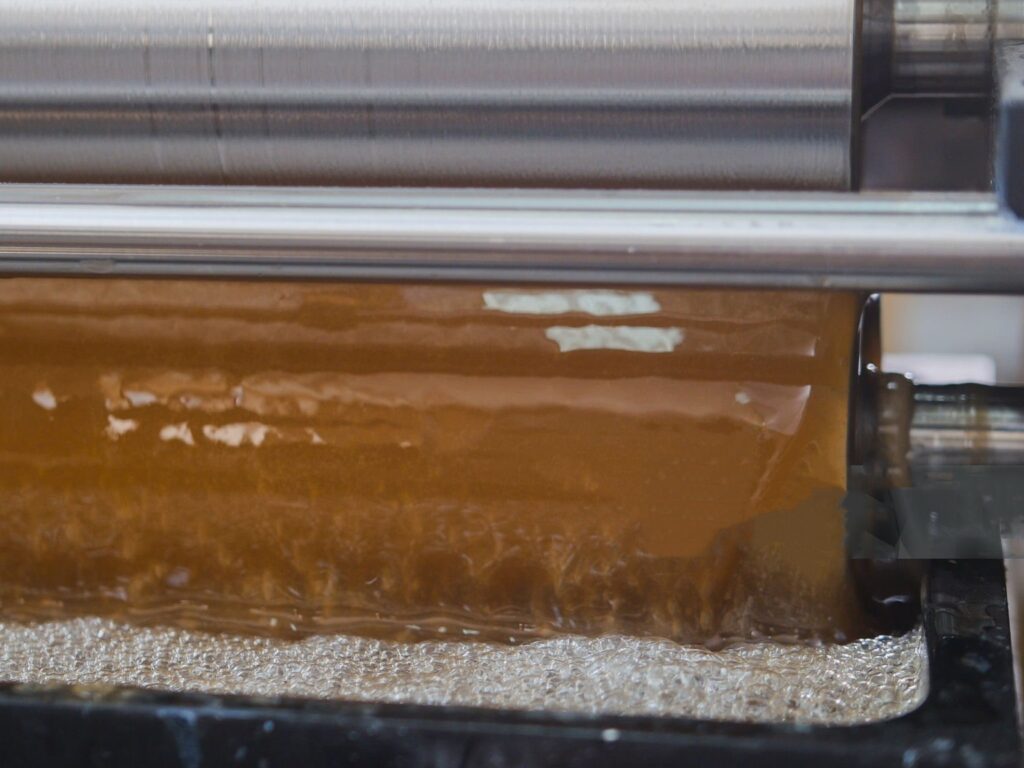
At ZD Leather, customization is our strength. We can:
Adjust thickness (0.5mm–1.5mm) to match your product’s needs.
Reproduce textures from genuine leather samples.
Offer color matching, UV resistance, flame retardancy, and anti-static options.
Our materials undergo tests for abrasion resistance, peeling strength, and fold endurance to ensure top quality.
Final Tips for Import Buyers
Before confirming bulk production, always request a sample.
This helps verify that the leather’s thickness, texture, and color consistency meet your expectations.
ZD Leather supports both large-scale orders and small-batch custom runs, ensuring every shipment matches your brand’s quality standards.
Conclusion
Choosing the right thickness and texture is like tailoring a suit—it defines the style, comfort, and longevity of your product.
If you’re unsure which combination fits your design, contact ZD Leather. With 16 years of manufacturing experience, we’ll recommend the best synthetic leather for your project—beautiful, durable, and made for your brand.
Why Can Two Synthetic Leathers With the Same Specifications Perform Very Differently?
Synthetic leather with the same specifications can still perform differently. This article explains the hidden factors behind performance gaps and how buyers can ensure consistent quality.
Why Does Synthetic Leather Quality Vary Between Batches?
Synthetic leather quality can vary between batches due to materials, production, and supplier control. This guide explains the causes and how buyers can ensure consistent quality.
Does Thickness Really Decide Faux Leather Quality (And What Matters More)?
Many buyers assume thicker faux leather means better quality. This article explains why thickness alone is not enough and what really determines synthetic leather performance.