
What Does “Eco-Friendly Synthetic Leather” Really Mean?

Many buyers worry that “synthetic” means “polluting.”
Maybe you’ve heard that PVC uses harmful chemicals or PU creates waste during production.
In reality, reputable manufacturers like ZD Leather use raw materials that comply with EU REACH and US environmental standards, ensuring the finished leather is non-toxic, low-VOC, and safe for daily use.
Is PU Leather or PVC Leather More Eco-Friendly?
You’ve seen both terms on catalogs — but which is greener?
It’s confusing when both claim to be “eco leather.”
PU leather generally has a slight advantage in sustainability because it can be made with water-based or solvent-free resins. However, PVC leather from certified factories like ZD Leather also meets international eco standards when using modern plasticizers and stabilizers.
Why Does Synthetic Leather Sometimes Smell?
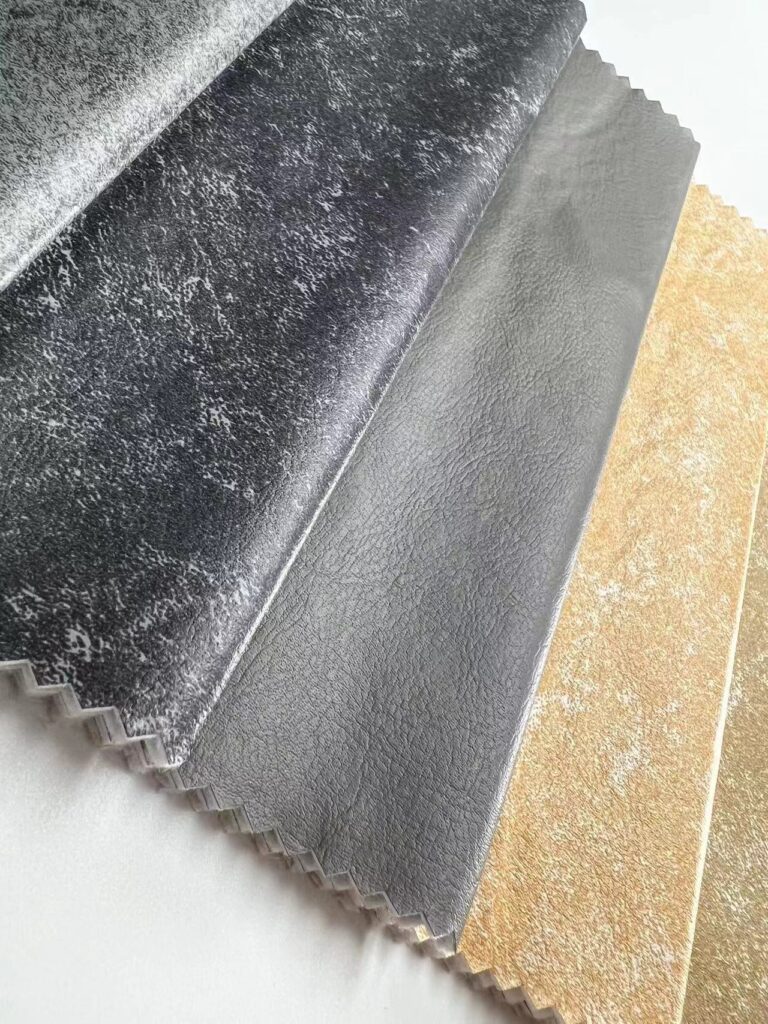
Some customers associate synthetic leather with that “factory smell.”
You open a new bag or sofa and — whoosh — it smells like chemicals!
That odor usually comes from volatile compounds in low-quality materials. At ZD Leather, we use low-VOC formulations and advanced curing techniques to eliminate unpleasant odors. The result? Your leather smells as neutral as your morning coffee mug.
Can I Request Specific Environmental Standards for My Custom Leather?
Not all markets follow the same rules.
Your EU buyer might ask for REACH compliance, while your U.S. client wants Prop 65 certification.
That’s why we always recommend communicating your environmental requirements before production. We can customize the formulation, color, and performance to meet your specific regional standards — whether for Europe, the U.S., or other markets.
Conclusion
Synthetic leather doesn’t have to be toxic or smelly — not when it’s made right. At ZD Leather, we combine eco-certified materials with low-odor technology to give you leather that’s kind to people, products, and the planet.
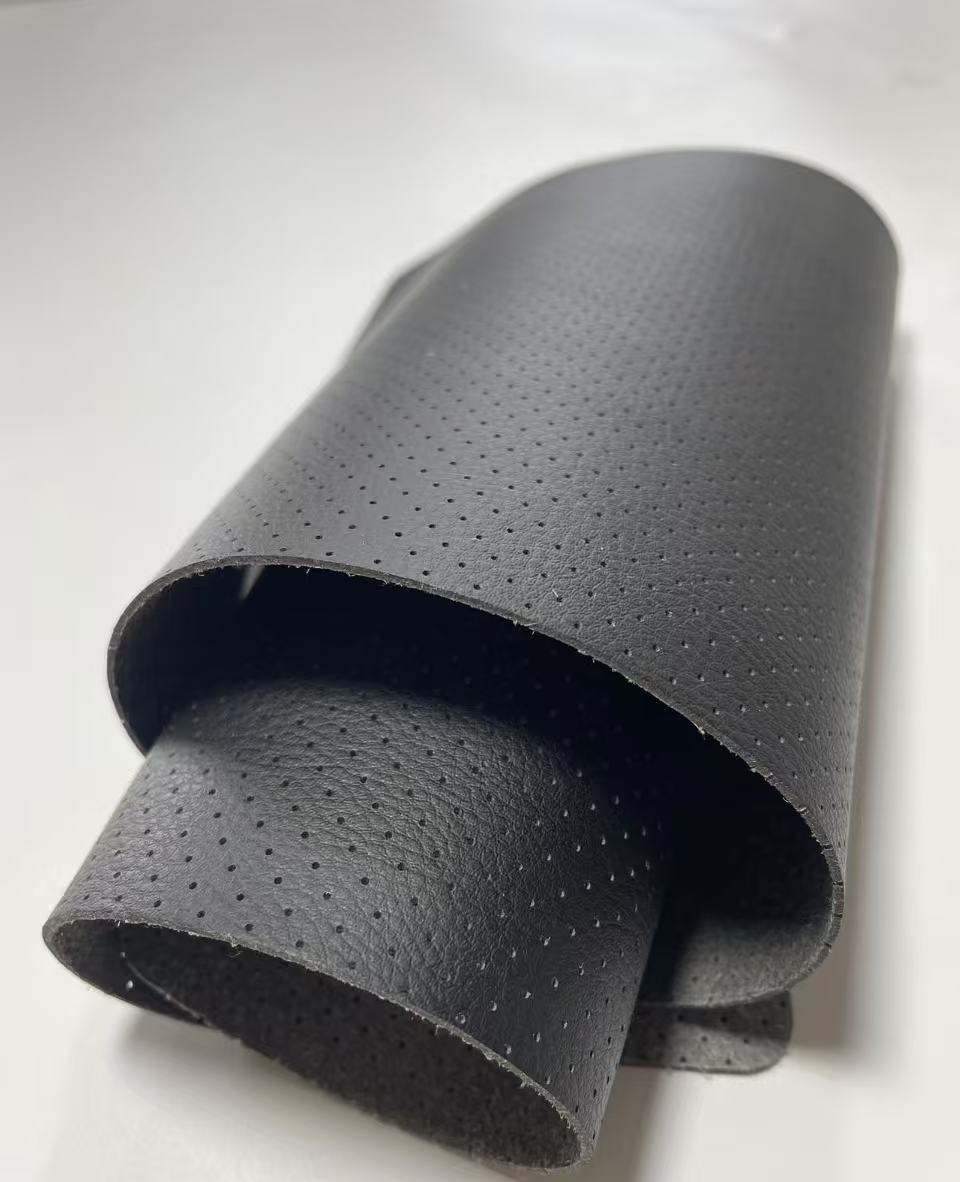
Why Can Two Synthetic Leathers With the Same Specifications Perform Very Differently?
Synthetic leather with the same specifications can still perform differently. This article explains the hidden factors behind performance gaps and how buyers can ensure consistent quality.
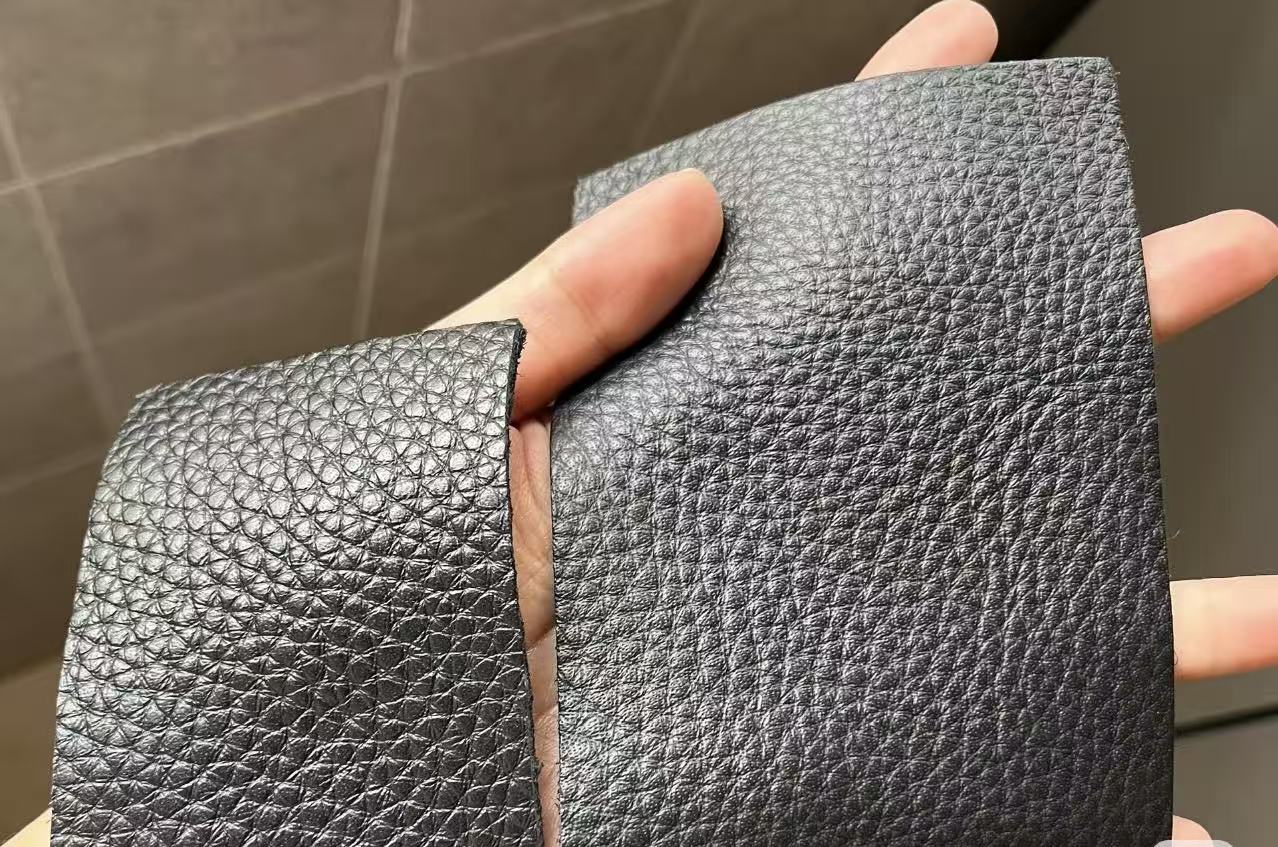
Why Does Synthetic Leather Quality Vary Between Batches?
Synthetic leather quality can vary between batches due to materials, production, and supplier control. This guide explains the causes and how buyers can ensure consistent quality.
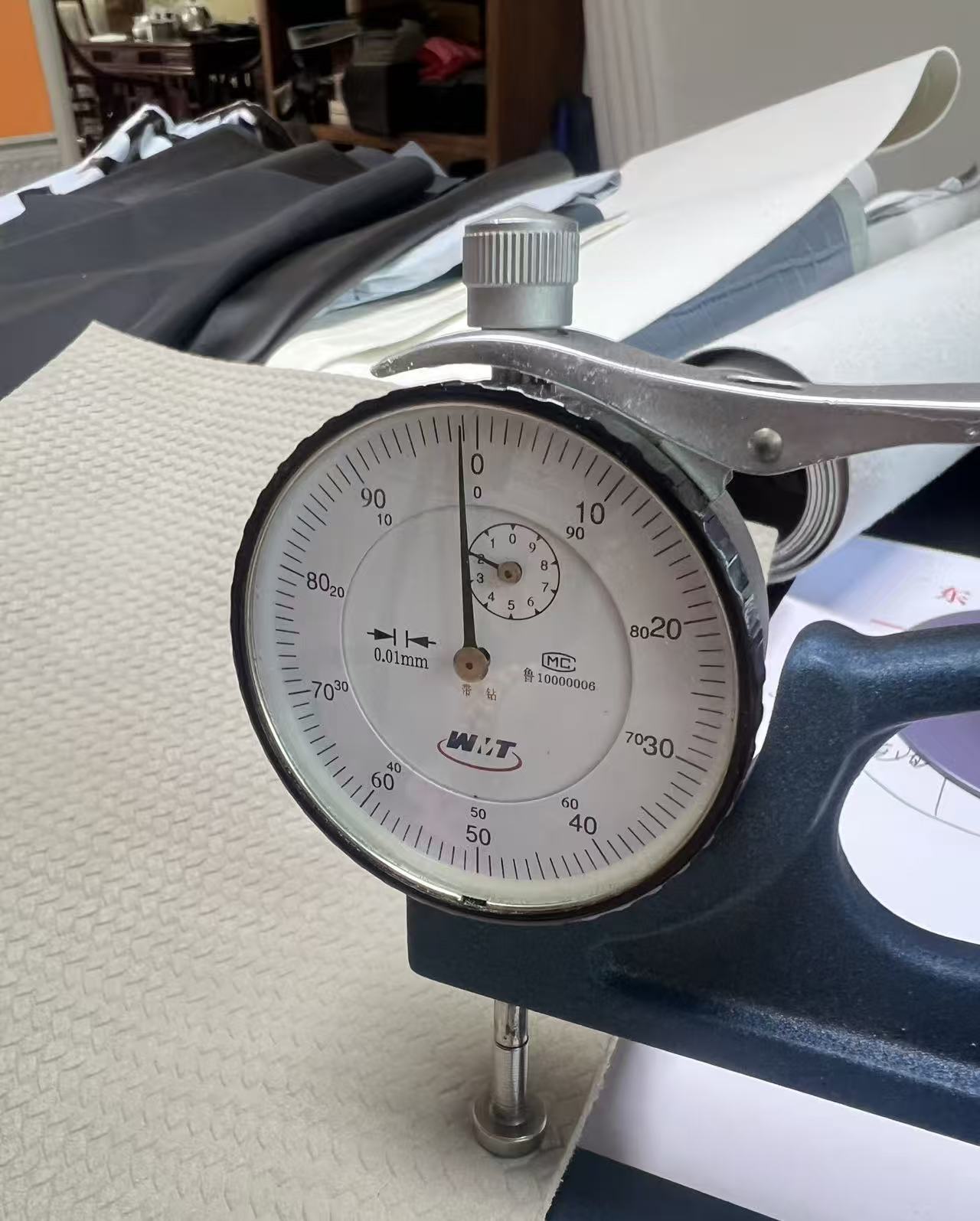
Does Thickness Really Decide Faux Leather Quality (And What Matters More)?
Many buyers assume thicker faux leather means better quality. This article explains why thickness alone is not enough and what really determines synthetic leather performance.