
Why Do Premium Sofa Brands Combine Faux Leather with Genuine Leather?
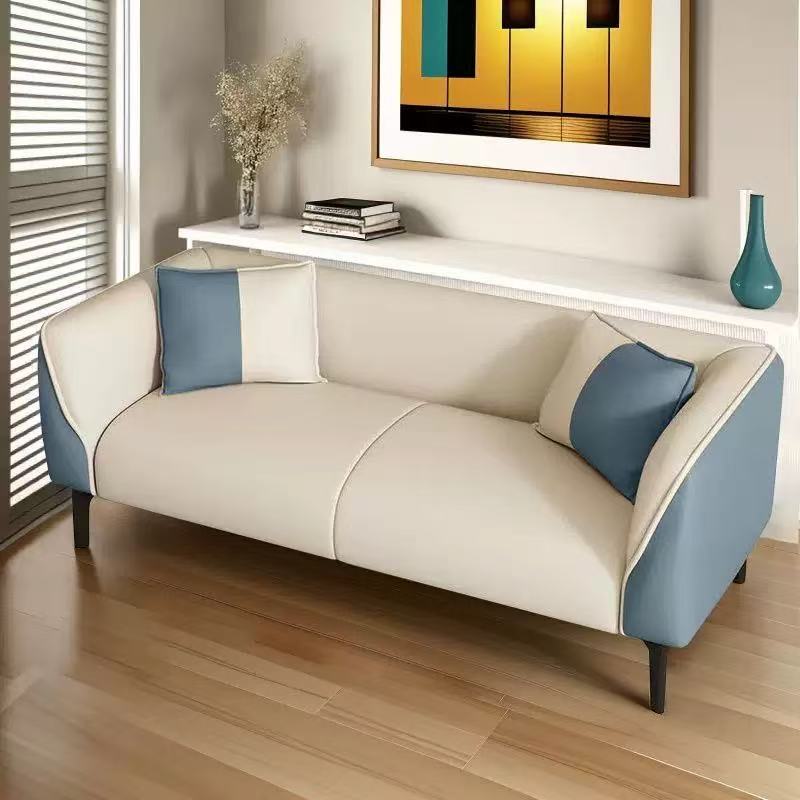
High-end sofas require luxury appearance.But using genuine leather everywhere can significantly increase cost.Combining materials offers a practical balance.
Many premium sofa brands use genuine leather on contact areas and synthetic leather on non-contact areas to balance cost, durability, and visual consistency.
In the furniture industry, mixing genuine leather and faux leather is a common and practical solution. Genuine leather is often used on seating surfaces, armrests, and other areas where customers frequently touch the material. These areas benefit most from the natural feel and prestige of real leather.
Meanwhile, high-quality synthetic leather can be applied to less exposed sections such as sofa sides, back panels, or lower structures. When properly matched, these areas look visually consistent with genuine leather while helping brands control overall product cost.
For sofa manufacturers and material buyers, this strategy allows them to maintain a premium appearance without making the final product prohibitively expensive.
How Do We Replicate Genuine Leather Texture in Faux Leather?
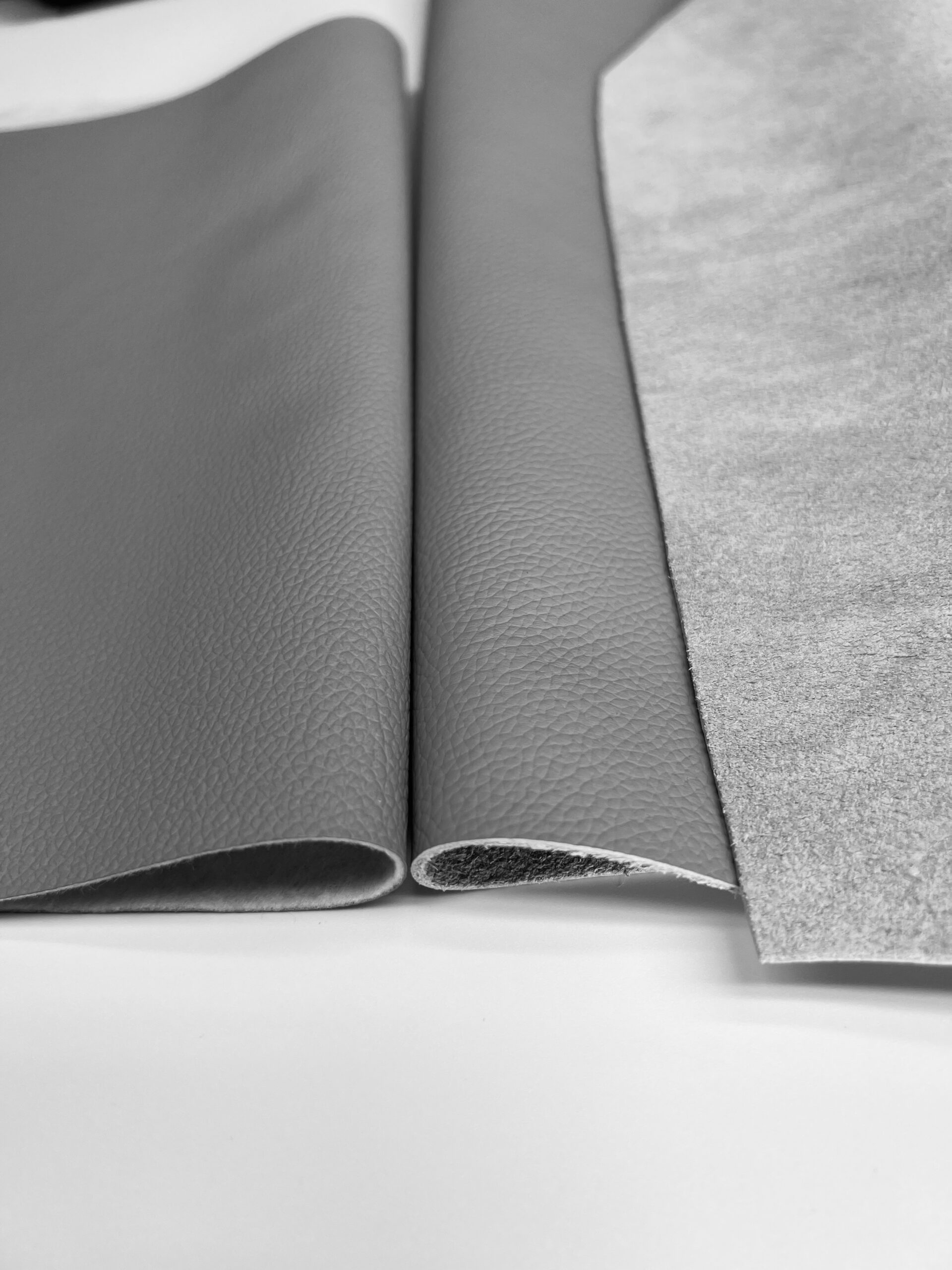
Texture differences are easy to notice.If grain patterns look artificial, the sofa immediately appears lower quality.Accurate texture replication becomes essential.
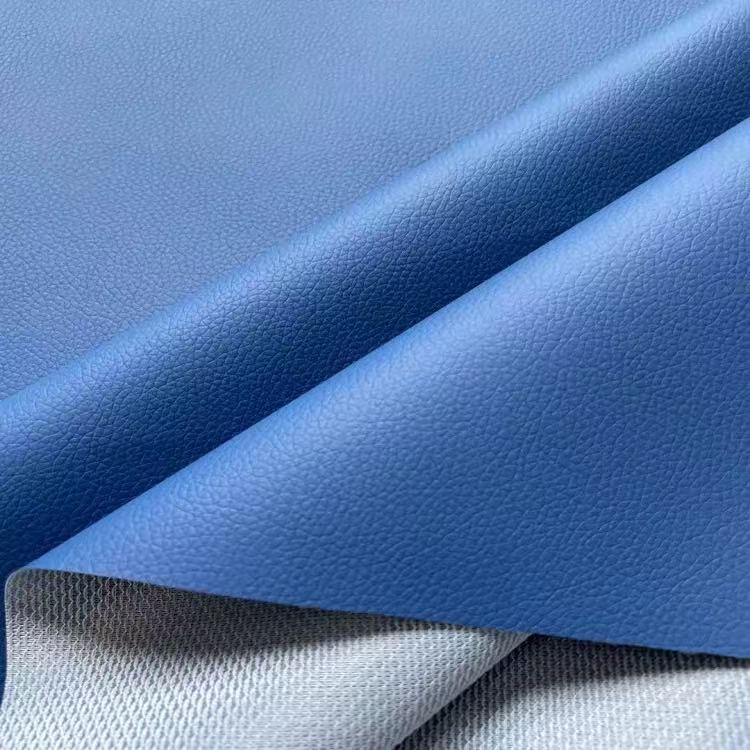
Embossing technology allows faux leather to replicate natural leather grain patterns, helping synthetic leather visually align with genuine leather upholstery.
At the factory level, replicating genuine leather texture begins with selecting the right embossing plates. Natural leather grains have irregular depth, subtle variations, and organic patterns that must be reproduced carefully.
Modern PVC and PU synthetic leather manufacturing allows these textures to be recreated through controlled embossing processes. By adjusting pressure, temperature, and plate design, the grain pattern can closely resemble natural leather surfaces.
The goal is not to create a perfectly uniform texture. Instead, slight irregularity helps the material look more natural and authentic, especially when combined with suitable surface finishing.
How Do We Match Color and Surface Feel to Genuine Leather?
Color mismatch is one of the most common problems.
Even small differences become obvious on finished sofas.Precise color control is therefore critical.
Color calibration, coating formulation, and gloss control help synthetic leather achieve visual consistency with genuine leather in sofa upholstery.
Matching color requires more than simply selecting a similar shade. Genuine leather reflects light differently depending on surface finish, pigment absorption, and grain structure.
To match these effects, synthetic leather production carefully adjusts pigment formulas, coating layers, and gloss levels. Matte, semi-matte, or slightly textured finishes may be chosen depending on the target leather style.
During development, samples are often compared directly against genuine leather under multiple lighting conditions to ensure the final material blends naturally in real furniture settings.
How Do We Ensure Faux Leather Works Well in Sofa Production?

Visual similarity alone is not enough.If the material behaves poorly during production, manufacturers face delays and defects.
Production compatibility must also be considered.
For sofa manufacturing, faux leather must provide flexibility, sewing stability, and durability to ensure efficient production and long-lasting furniture performance.
High-end sofa production lines require materials that sew smoothly, maintain dimensional stability, and resist cracking or wrinkling during assembly.
Synthetic leather must therefore balance softness with structural strength. Proper backing fabrics, coating thickness, and flexibility ensure the material performs well during cutting, stitching, and upholstery processes.
When these characteristics are optimized, faux leather not only matches genuine leather visually but also supports efficient sofa manufacturing and consistent product quality.
Conclusion
Successfully matching faux leather with genuine leather requires careful control of texture, color, thickness, and production compatibility. With the right development process, synthetic leather can integrate seamlessly into premium sofa designs while helping brands manage cost and maintain quality.
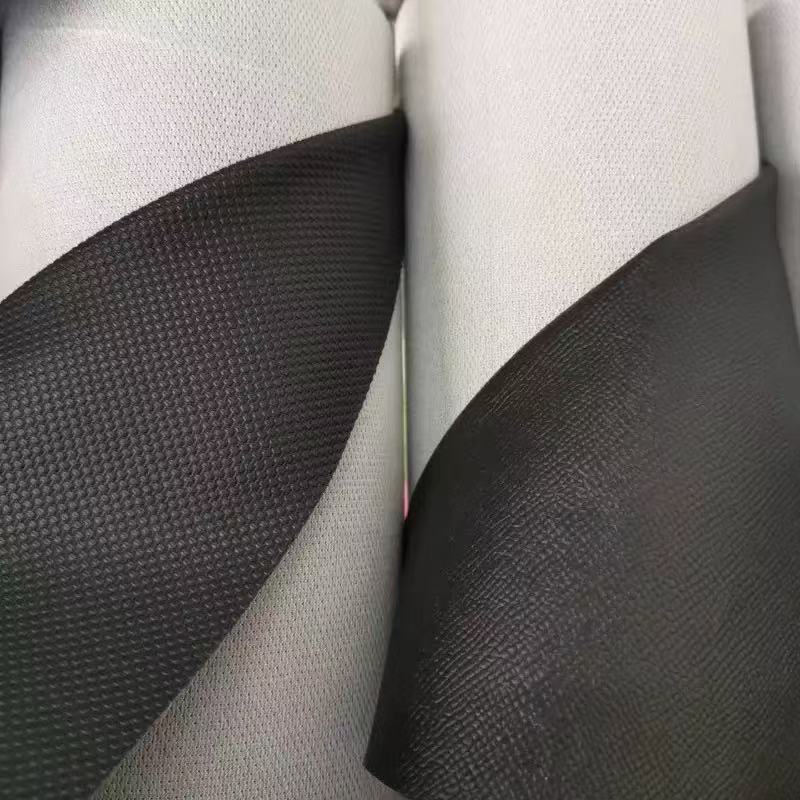
How Do We Help Buyers Decide Between PVC and PU Leather for Different Projects?
Choosing between PVC and PU leather can be confusing. This article explains how to select the right synthetic leather based on application, durability, cost, and performance.
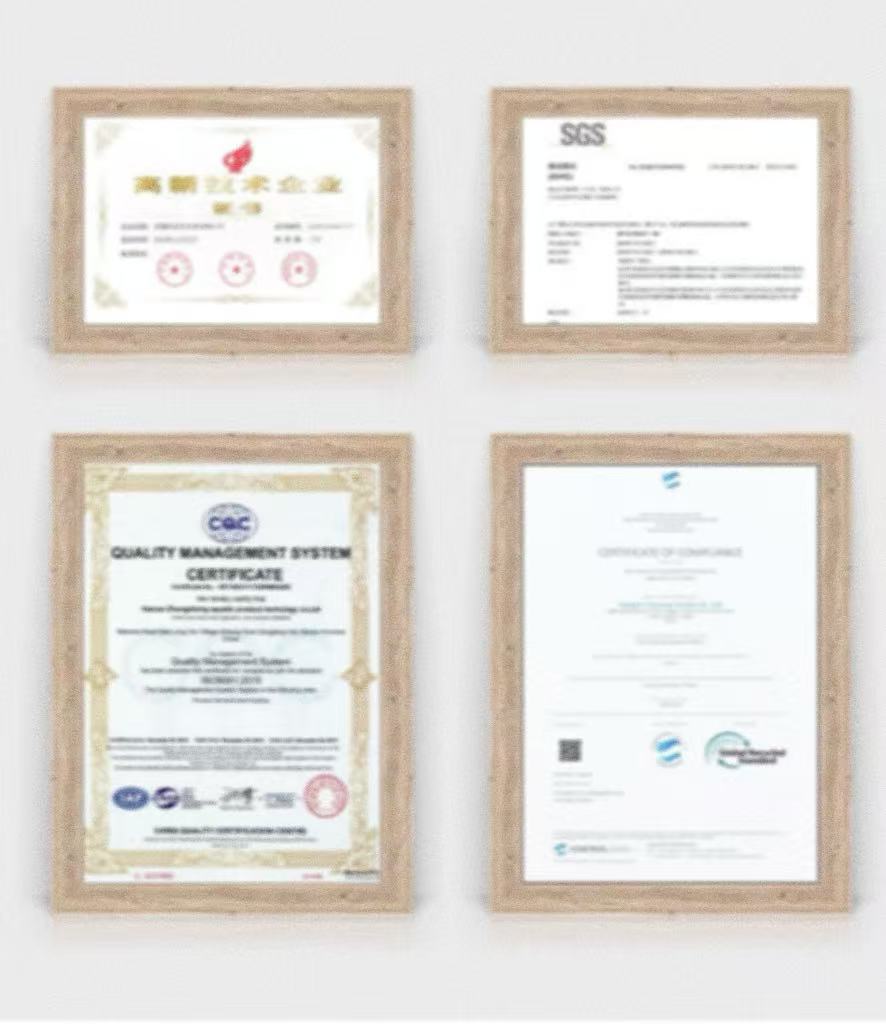
Why Do Some Synthetic Leather Certificates Look Valid but Mean Nothing?
Some synthetic leather certificates look professional but may not reflect real product quality. This article explains common issues and how buyers can verify reports to avoid sourcing risks.
What Do Most Buyers Misjudge When Comparing Faux Leather Prices?
Many buyers misjudge faux leather prices by comparing numbers instead of specifications. This article explains how thickness, backing fabric, and end use determine real synthetic leather value.