
What Are PU and PVC Leather Made Of?
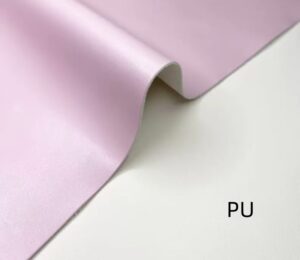
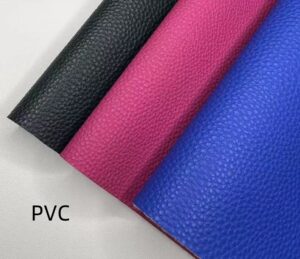
Many buyers confuse PU and PVC leather, assuming they’re the same.
This confusion can lead to choosing the wrong material—too soft, too rigid, or not durable enough for your target market.
Understanding their composition helps you make informed sourcing decisions.
PU (polyurethane) leather is made by coating a base fabric—usually polyester—with a layer of polyurethane. The result is a soft, flexible, and breathable synthetic leather that closely mimics genuine leather’s feel.
PVC (polyvinyl chloride) leather, on the other hand, is made by applying a PVC layer to fabric with added plasticizers for flexibility. This gives PVC leather a sturdier and glossier finish, making it ideal for structured handbags and travel accessories.
How Do PU and PVC Leather Differ in Appearance and Feel?
A bag’s texture and look define its market appeal.
A wrong texture could make your luxury collection look cheap—or your budget line feel too soft.
Knowing the tactile and visual differences ensures your designs align with brand positioning.
PU leather mimics natural leather grain, making it ideal for handbags that emphasize elegance and comfort. PVC leather’s surface is slightly stiffer and shinier, giving it a polished, high-fashion edge—great for tote bags, luggage, or statement pieces.
Which Material Is More Durable?

Durability can make or break a product line—especially for everyday bags.
Poor durability leads to peeling, cracking, and bad reviews.
Choose based on intended use and customer expectations.
PVC leather withstands heavy use, moisture, and abrasion, making it perfect for travel bags, backpacks, and structured handbags. PU leather, though slightly less tough, is still durable enough for casual or fashion handbags where aesthetics come first.
How Do They Perform in Cost and Production Efficiency?
Material choice affects pricing, profit margins, and production flexibility.
Choosing a material that’s too costly or slow to produce can cut into profits.
Evaluate cost efficiency and production ease.
PVC leather’s simpler production process allows manufacturers to offer lower minimum order quantities and faster delivery times. PU leather requires more complex coating and finishing, but yields a softer, premium feel that can justify a higher retail price.
Which Material Is More Eco-Friendly?

As eco-conscious consumers rise, sustainability matters more than ever.
Ignoring eco-trends can make your brand seem outdated or irresponsible.
Understand how today’s synthetic leather materials meet modern environmental standards.
Thanks to advances in technology, both PU leather and PVC leather are produced using low-emission, non-toxic, and REACH-compliant materials. Modern formulations avoid harmful plasticizers and heavy metals, ensuring safety for both users and the environment. Whether you choose PU or PVC, today’s synthetic leather can be a sustainable and responsible option for your brand.
Which Leather Is Easier to Maintain?
Customers want good looks without the hassle.
Difficult maintenance discourages repeat purchases.
Pick materials that balance beauty with convenience.
PVC leather is highly water-resistant and easy to clean, while PU leather needs gentler care to prevent surface wear.
PVC leather can be wiped clean with a damp cloth—ideal for travel or outdoor use. PU leather, though more delicate, maintains its look with light cleaning and conditioning. For busy lifestyles or humid climates, PVC may be the more practical choice.
Which One Fits Your Brand Best?

Material misalignment can blur your brand image.
If your bag feels too stiff or too soft for your market, you risk confusing your audience.
Match your material to your brand’s identity and target buyer.
Choose PU for fashion-forward or eco-conscious collections; choose PVC for structured, budget-friendly, or high-volume designs.
PU leather appeals to brands focusing on elegance, sustainability, and premium quality. PVC leather suits brands prioritizing durability, structure, and affordability. Many bag manufacturers even mix both—using PU for main panels and PVC for reinforcements or interiors.
Conclusion
PU and PVC leather both bring style, durability, and affordability to bag design. PU shines with its soft, eco-friendly appeal, while PVC offers unbeatable strength and value.
If you’re unsure which to choose, contact ZD Leather. With 15 years of expertise, we’ll help you find the perfect material solution for your brand.
Why Can Two Synthetic Leathers With the Same Specifications Perform Very Differently?
Synthetic leather with the same specifications can still perform differently. This article explains the hidden factors behind performance gaps and how buyers can ensure consistent quality.
Why Does Synthetic Leather Quality Vary Between Batches?
Synthetic leather quality can vary between batches due to materials, production, and supplier control. This guide explains the causes and how buyers can ensure consistent quality.
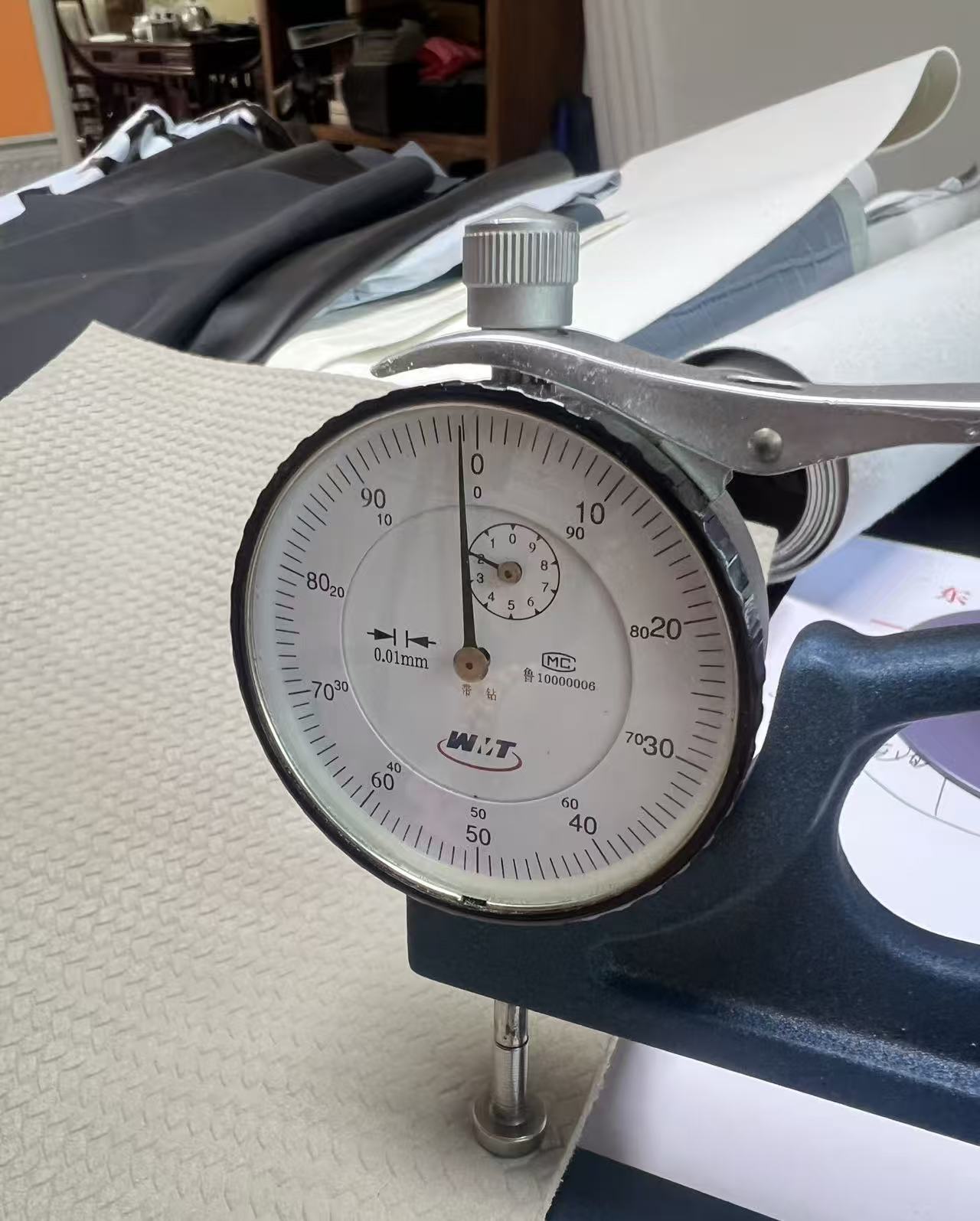
Does Thickness Really Decide Faux Leather Quality (And What Matters More)?
Many buyers assume thicker faux leather means better quality. This article explains why thickness alone is not enough and what really determines synthetic leather performance.