
Why Can Synthetic Leather That Looks the Same Have Very Different Prices?
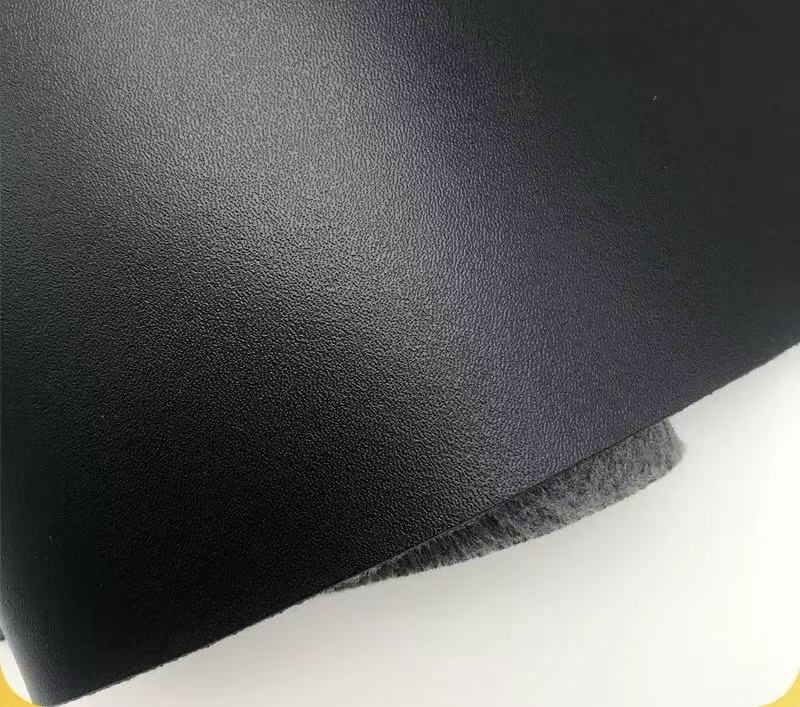
Many buyers assume similar thickness and texture mean similar cost. In reality, end use changes everything. Pricing by appearance alone is where problems quietly begin.
Synthetic leather with similar appearance can have completely different cost structures depending on how and where it will be used.
From our experience, this is one of the most common misunderstandings in synthetic leather sourcing. Two materials may both be 1.2 mm thick, look smooth, and feel similar by hand—but their internal structure can be very different.
For example, synthetic leather used for sofas must handle long-term pressure, repeated friction, and shape recovery. For bags, flexibility and fold resistance matter more. Automotive seating requires even stricter standards for abrasion, aging, and temperature stability. Each application demands different base fabrics, coating formulas, plasticizers, and production controls.
We’ve seen buyers compare prices without mentioning end use, only to realize later that the quoted material cannot meet real-world performance needs. The price wasn’t “wrong”—the assumptions were. That’s why we never treat appearance as a pricing reference. End use defines the cost, not the surface.
Where Do Things Go Wrong If We Quote Without Knowing the End Use?

Buyers think the price is agreed. Suppliers think requirements are basic. This gap grows quietly until it becomes an expensive problem.
Most quality disputes in bulk orders start with incorrect assumptions made at the quotation stage.
When end-use details are missing, any quotation is built on the lowest reasonable assumption. That might work for a sample—but rarely for bulk production.
We’ve seen cases where synthetic leather was quoted for light-duty use, then later expected to perform in high-traffic commercial furniture. To meet the real requirement, changes were needed: stronger backing fabric, higher coating weight, tighter tolerance control. All of these affect cost.
At that point, buyers feel the price has changed, while manufacturers feel the requirement has changed. Neither side intended conflict, but the damage is done. In extreme cases, we’ve seen entire shipments delayed or rejected because performance expectations were never aligned at the start.
This is exactly why we slow down before quoting. It’s not to complicate things—it’s to avoid silent risks turning into visible losses.
What End-Use Information Do We Always Confirm Before Quoting?
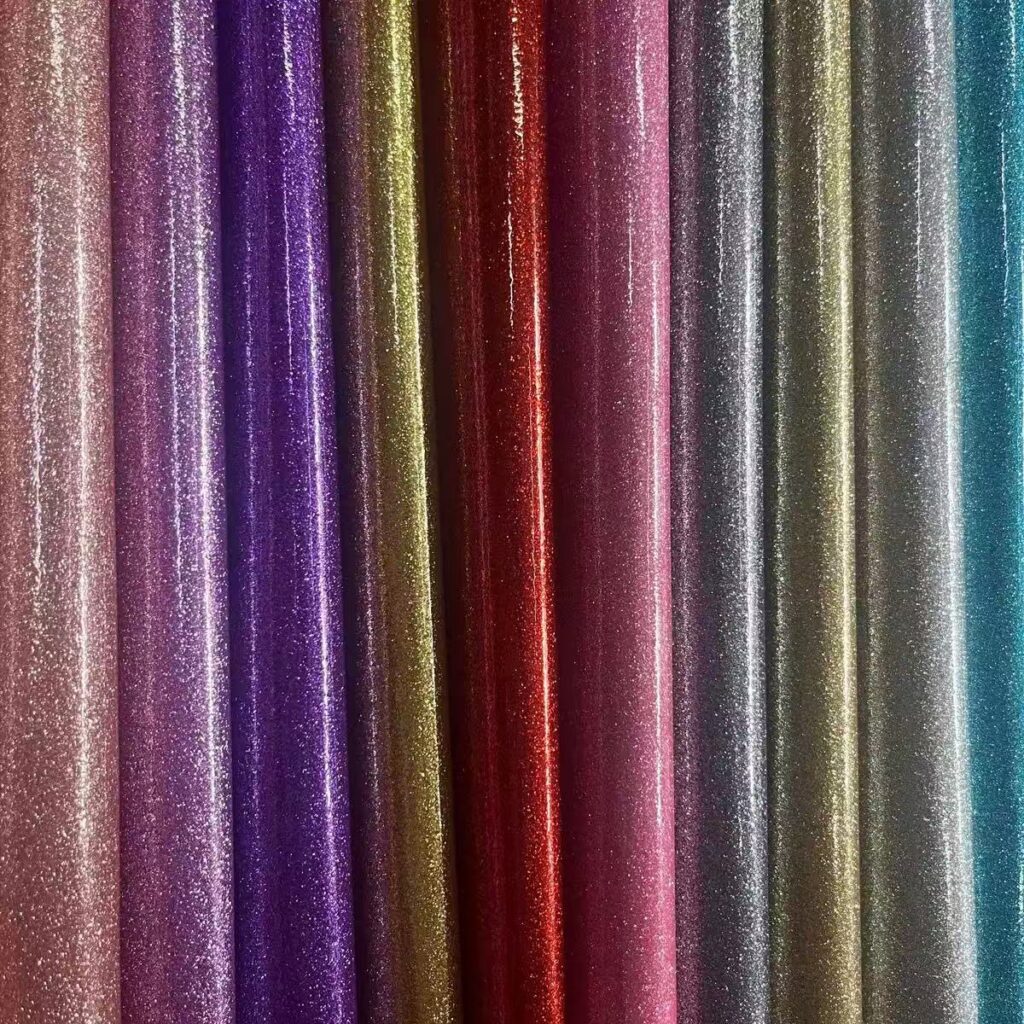
We don’t need long documents. We just need the right information. These few details decide whether a price will work—or fail.
End-use details define performance standards, material structure, and the real cost of synthetic leather.
Before providing any quotation, we focus on a small but critical set of questions that directly affect cost and production stability.
First, the application: sofa upholstery, automotive seating, bags, or commercial interiors all require different performance levels. Second, usage intensity: home use is very different from hotels, offices, or public spaces. Third, environment: temperature, humidity, and long-term pressure matter more than many buyers expect.
We also ask about certification needs, such as REACH, California Proposition 65, or flame-retardant standards. These requirements affect material selection and testing costs.
By clarifying these points early, we can design synthetic leather that fits the real job—not just the sample stage. This approach saves time, avoids re-quoting, and prevents surprises during bulk production.
From Our Experience, Which Buyers Get the Smoothest Pricing Process?
The best buyers aren’t the most technical. They’re the clearest about how the material will be used.
Clear end-use communication leads to faster quotes, fewer revisions, and more stable bulk production.
After years of working with international buyers, we’ve noticed a clear pattern. Projects move fastest—and with the least friction—when buyers clearly explain their end use from the start.
These buyers don’t necessarily know every technical term. But they know where the synthetic leather will be used, how often, and under what conditions. That clarity allows us to recommend the right structure, control costs realistically, and avoid over-engineering or under-performing materials.
As a result, samples pass more smoothly, bulk production stays consistent, and long-term cooperation becomes easier. In contrast, vague requests often lead to repeated revisions, delays, and frustration on both sides.
In our view, knowing your end use is not a technical skill—it’s a sourcing advantage.
Conclusion
Synthetic leather pricing isn’t about quoting fast—it’s about quoting right. By understanding end use first, we help buyers avoid hidden costs, unstable quality, and unnecessary disputes before bulk production even begins.
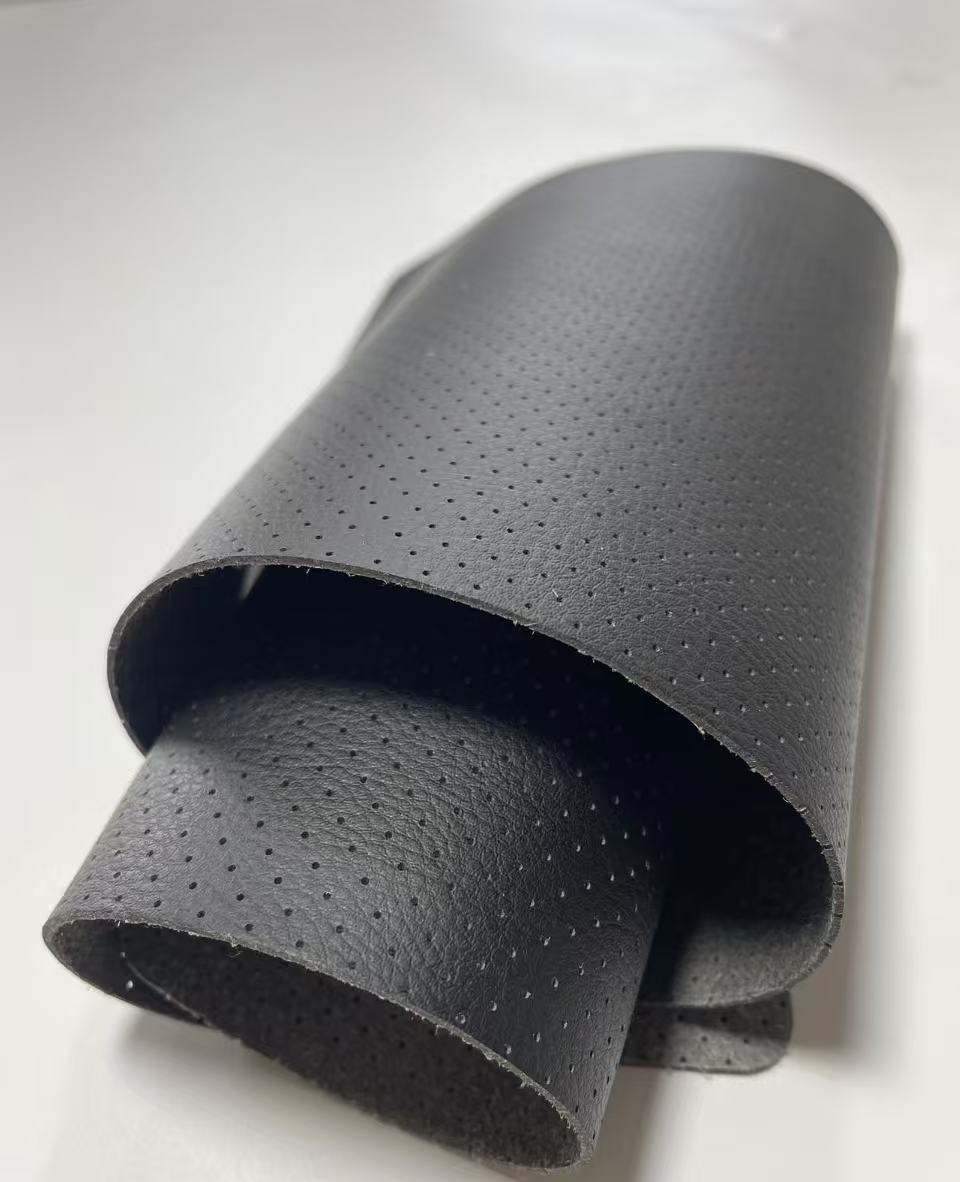
Why Can Two Synthetic Leathers With the Same Specifications Perform Very Differently?
Synthetic leather with the same specifications can still perform differently. This article explains the hidden factors behind performance gaps and how buyers can ensure consistent quality.

Why Does Synthetic Leather Quality Vary Between Batches?
Synthetic leather quality can vary between batches due to materials, production, and supplier control. This guide explains the causes and how buyers can ensure consistent quality.
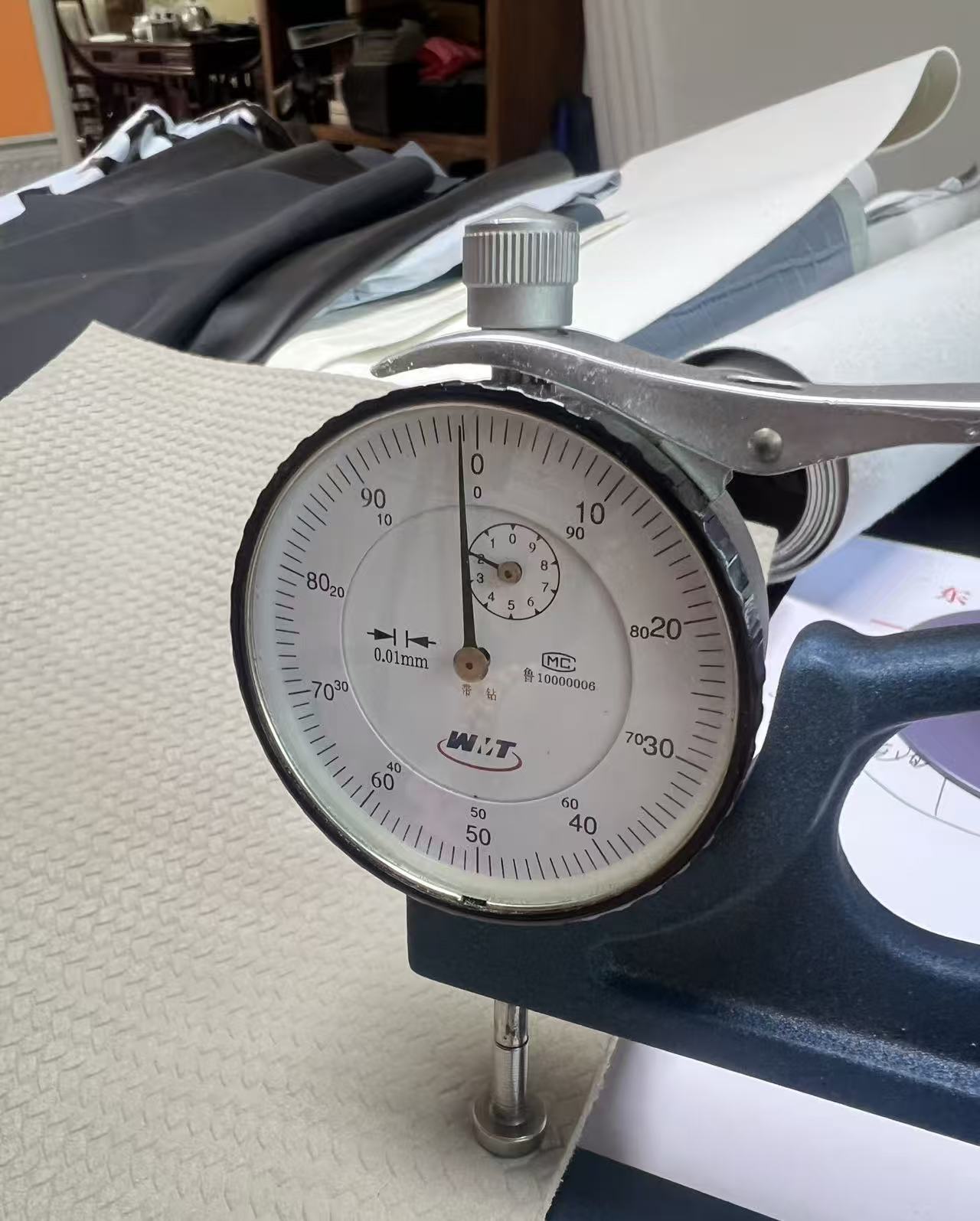
Does Thickness Really Decide Faux Leather Quality (And What Matters More)?
Many buyers assume thicker faux leather means better quality. This article explains why thickness alone is not enough and what really determines synthetic leather performance.