
What materials qualify as garment leather?
Many believe “leather” only refers to natural animal hides, but this view is outdated. Modern garment leather includes natural options as well as synthetic ones like PU leather and PVC leather.
Garment leather is characterized by flexibility, comfort, and durability. Synthetic alternatives are built specifically to maximize these factors at reduced costs without sacrificing the look and feel of traditional leather.PU and PVC excel in flexibility for garment applications, making them ideal for high-demand markets.
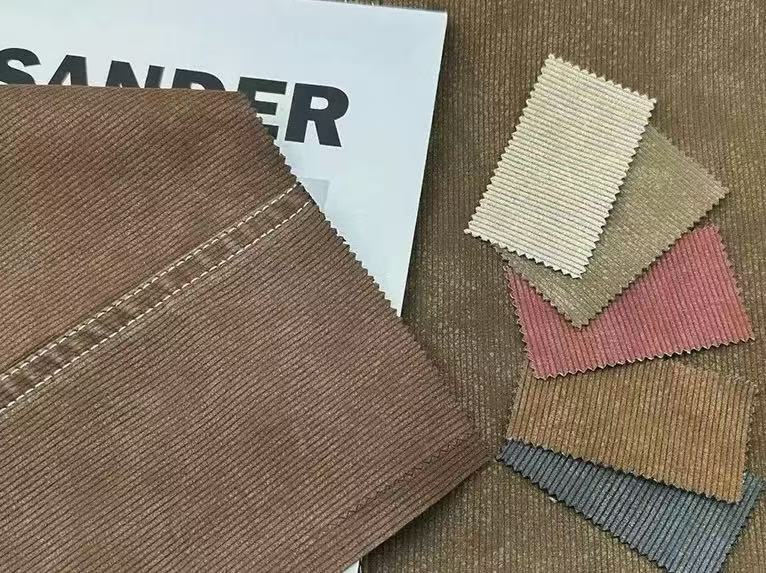
When you’re sourcing garment leather, start by asking: What qualities do I need for my specific application? For example:
– If you’re producing light jackets or dresses, PU leather’s softness and breathability are hard to beat.
– PVC leather fits well for high-durability items that need resistance to moisture, like rain-resistant outerwear.
Both materials mimic the visual appeal of natural leather but come with performance enhancements, including better resistance to scratches or environmental damage.
Is PU better than PVC for garment leather?
Buyers often ask whether PU or PVC is better for garments. Here’s the truth: Neither is inherently better—it depends entirely on your end use and customer expectations.
PU leather is softer, more breathable, and well-suited for wearable, lightweight garments, whereas PVC offers greater robustness, making it more suitable for items exposed to harsh outdoor conditions or high usage.For clothing that requires comfort and a closer resemblance to natural leather, PU holds the edge.
Some key differences between PU and PVC:
– PU leather: Ideal for close-to-skin contact and breathable garments.
– PVC leather: Better for protective layers and humid environments due to its resistance.
Quick Comparison Table
| Feature | PU Garment Leather | PVC Garment Leather |
|---|---|---|
| Feel & Softness | Softer and more comfortable | Firmer and less flexible |
| Breathability | Generally more breathable | Limited breathability |
| Flexibility | Flexible and easy to wear | Less flexible |
| Durability | Good for everyday garments | Excellent durability |
| Water Resistance | Good | Excellent |
| Appearance | Smooth and more leather-like | Can offer a wide range of textures and finishes |
| Best For | Jackets, skirts, fashion garments, and clothing requiring a soft feel | Durable garments, rainwear, protective clothing, and designs requiring water resistance |
When choosing between PU and PVC for garments, consider your usage. For garments worn often, PU is the preferred choice. If ruggedness matters more, go for PVC.
Are synthetic leathers uncomfortable compared to natural leather?
Comfort concerns about synthetic leather are widespread, but outdated. Synthetic leathers like PU are now engineered to replicate comfort features of natural leather, often surpassing it in wearability.
Modern PU garments are breathable, lightweight, and even stretchable for improved mobility. Additionally, advancements in synthetic leather technologies allow materials to wick moisture and maintain temperature balance.
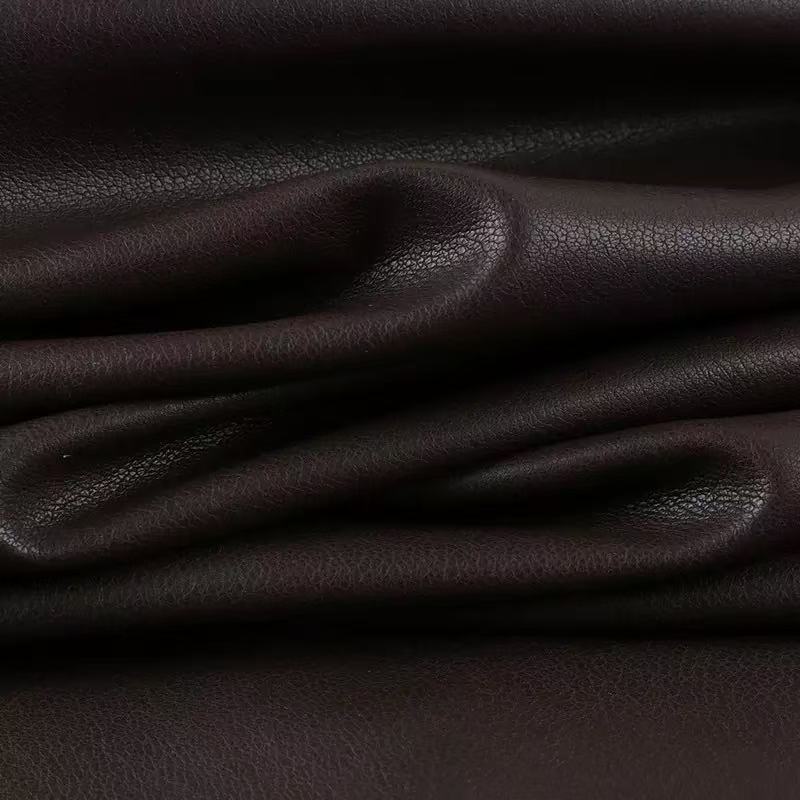
Here’s why PU leather excels in comfort:
1. Faux pores in PU replicate the breathability of natural leather.
2. Stretchy foundations allow better movement.
3. Recent innovations deliver sweat-wicking surfaces for hotter climates.
From my experience, local buyers always seem skeptical about synthetic leather comfort—that is, until they try wearing a PU jacket for themselves. Many are shocked by how indistinguishable it feels compared to genuine leather.
Is synthetic leather a cheaper and less durable option?
There’s a persistent myth that synthetic leather is “cheap but fragile.” This oversimplification ignores critical advancements in material science that have made PU and PVC excellent long-term investments.Synthetic leathers for garments are cost-effective and durable, standing up to wear and tear as required for active use.
PU leather, for example, offers comparable durability over time to natural hides and even outperforms leather in specific conditions such as exposure to humidity. Likewise, PVC leather is known for almost impervious water resistance, ensuring safety against material degradation.
Cost vs. Durability Comparison
| Material Type | Cost Level | Durability & Lifespan | Maintenance |
|---|---|---|---|
| Natural Leather | Highest | Long-lasting with proper care | Requires regular care and maintenance |
| PU Leather | Moderate | Good durability for everyday garments | Easy to maintain |
| PVC Leather | Lower | Excellent resistance to moisture and environmental wear | Easy to clean and maintain |
When you factor in maintenance costs and shelf longevity, synthetic options save budget-conscious garment leather buyers a great deal. While natural leather may have timeless appeal, PU and PVC are industry leaders for functionality and endurance at scale.
Conclusion
Garment leather includes both natural and synthetic materials like PU and PVC, each offering distinct benefits for specific applications. [Synthetic leather excels in cost efficiency, comfort, and durability, making it a valuable alternative to natural hides](https://expafol.com/en/natural-leather-vs-synthetic-leather/)[^7]. **Evaluate these options carefully to make smart sourcing decisions that meet your market’s needs.**
Ready to explore synthetic garment leather options? Let’s help you find the perfect fit for your next production run!
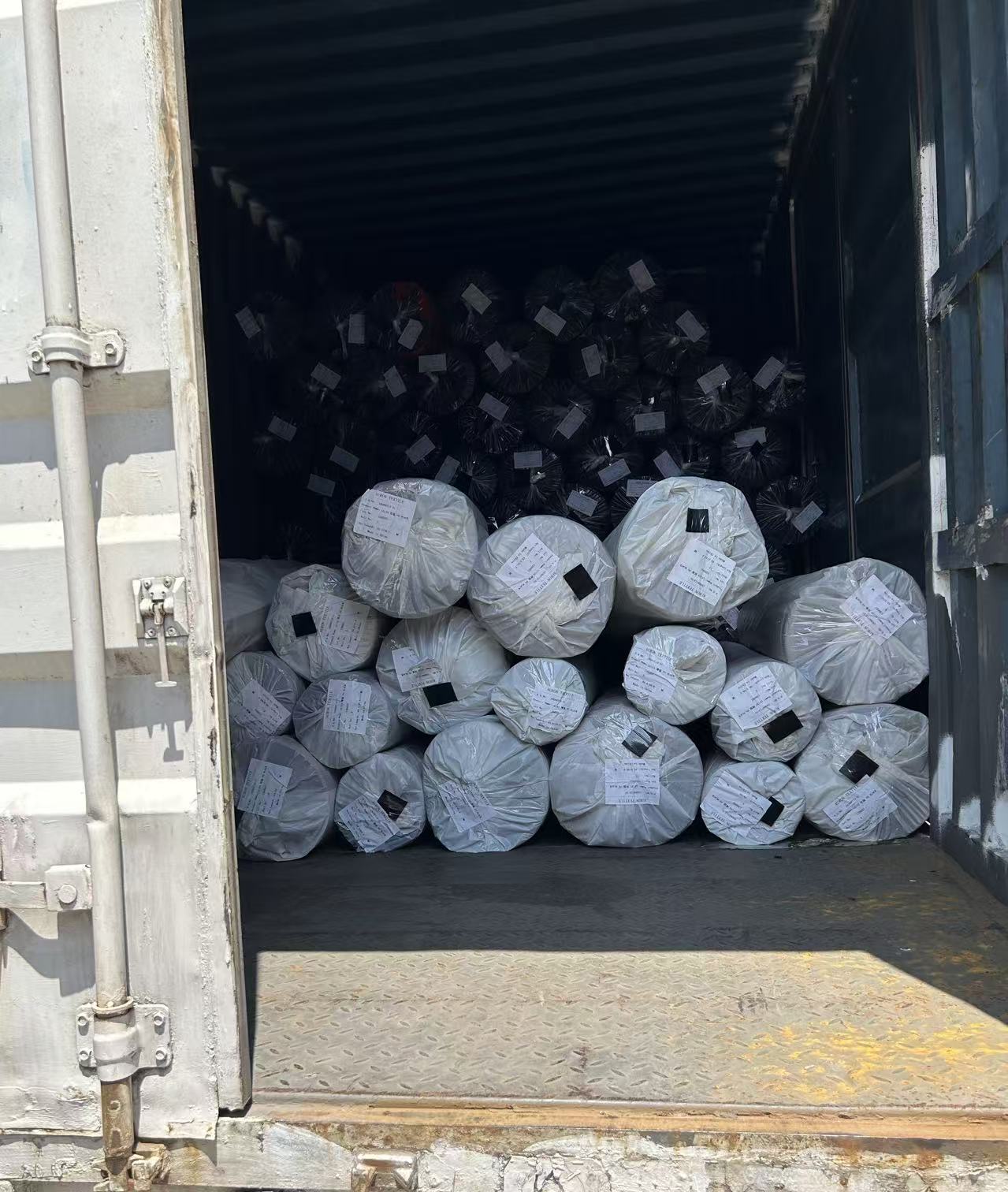
Can you provide special packaging when I import custom synthetic leather from China?
Learn how special packaging for custom synthetic leather can be arranged, including roll length, labels, plastic bags, markings, and shipping requirements.
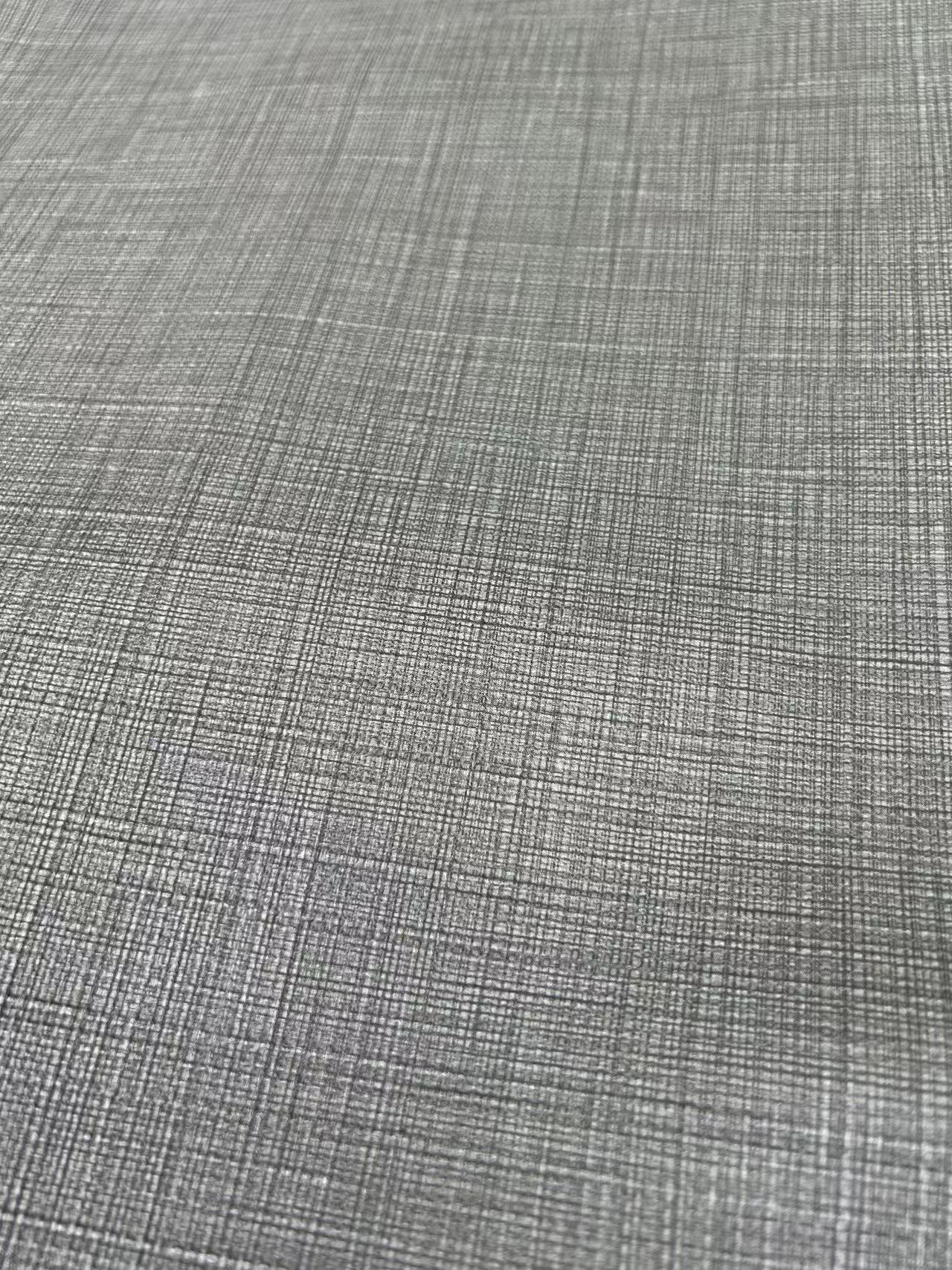
Can You Create a Custom Leather Grain Pattern When Importing Synthetic Leather from China?
Want a unique leather grain for your products? Discover how custom synthetic leather grain patterns are developed from samples using advanced vacuum texture transfer technology.

Sea Freight or Air Freight for Synthetic Leather: Which Should You Choose?
Not sure whether to ship synthetic leather by sea or air? Compare costs, transit times, advantages, and practical tips to choose the best shipping method for your business.