
Why Is Abrasion Resistance Important in Artificial Leather Quality Tests?
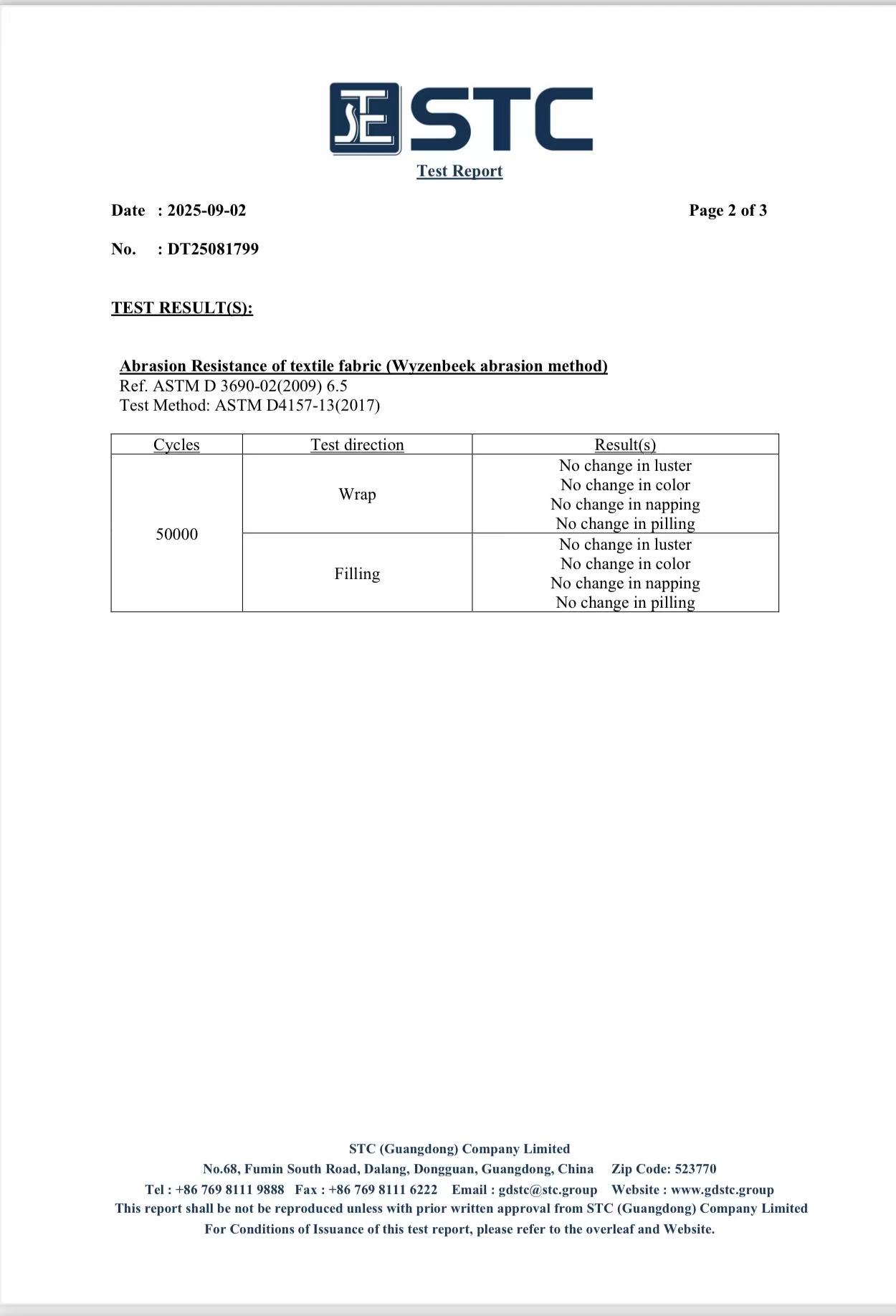
Low wear resistance means your artificial leather will quickly lose its look.
Imagine a sofa that looks worn after only a few months. That’s what happens without abrasion resistance testing.
The abrasion resistance test checks how well the surface withstands rubbing, ensuring long-term durability.
Abrasion resistance is tested with methods like the Martindale test or Taber abrasion test, proving the artificial leather’s ability to resist daily wear and tear.
How Does Flex Resistance Prove Leather Durability?
Artificial leather that cracks when bent is a disaster for furniture, shoes, and car seats.
A bag handle or car seat with surface cracks ruins both quality and brand reputation.
The flex resistance test simulates repeated bending, proving the material’s flexibility and crack resistance.
Flex resistance testing shows how well artificial leather survives constant folding, making it essential for shoes, upholstery, and automotive interiors.
What Does Peel Strength Reveal About Artificial Leather?
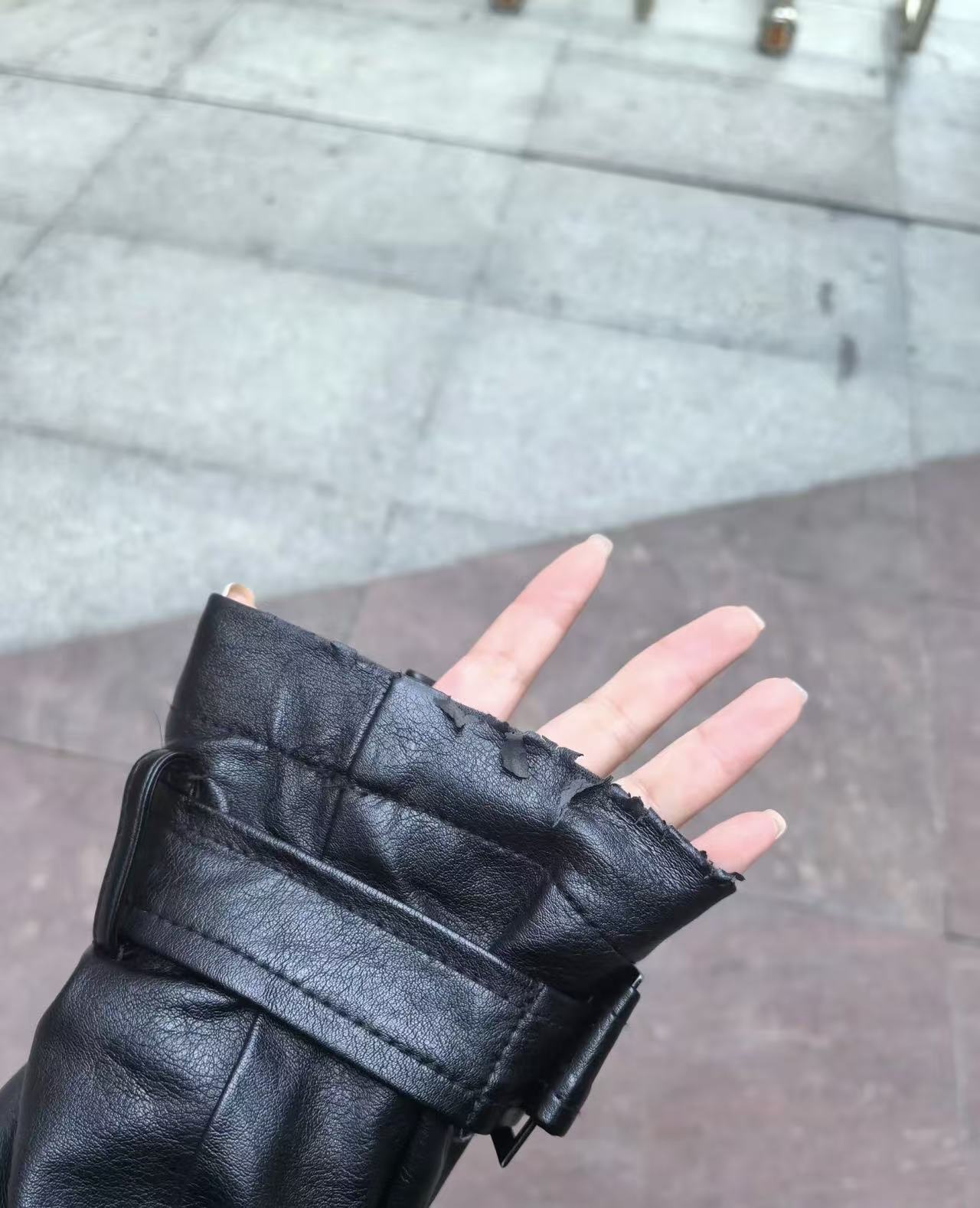
Weak bonding between layers causes peeling.
Once peeling starts, the product loses strength and appeal—fast.
The peel strength test evaluates how firmly the coating bonds to the fabric base.
Peel strength testing confirms bonding strength between coating and backing, ensuring artificial leather products stay intact under stress.
Why Is Coating Adhesion Crucial in Artificial Leather Testing?
Without strong adhesion, coatings may chip or flake off.
That “cheap plastic” look comes from poor adhesion.
The coating adhesion test (such as the cross-cut test or tape adhesion test) ensures the surface finish remains durable.
Coating adhesion testing guarantees that artificial leather maintains its surface finish, protecting durability and style.
Conclusion
Testing artificial leather quality through abrasion resistance, flex resistance, peel strength, and coating adhesion ensures you choose durable, high-quality materials for your products.
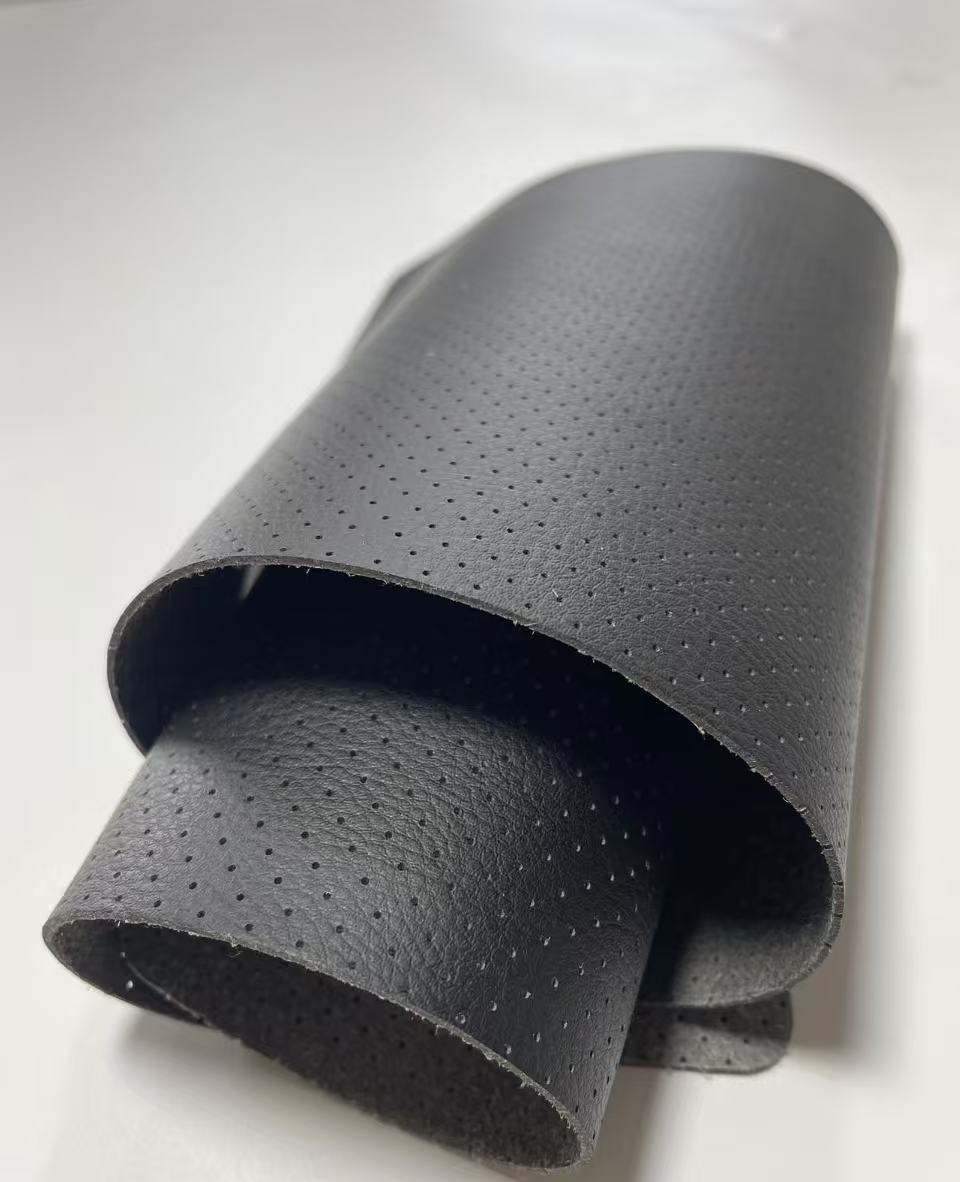
Why Can Two Synthetic Leathers With the Same Specifications Perform Very Differently?
Synthetic leather with the same specifications can still perform differently. This article explains the hidden factors behind performance gaps and how buyers can ensure consistent quality.
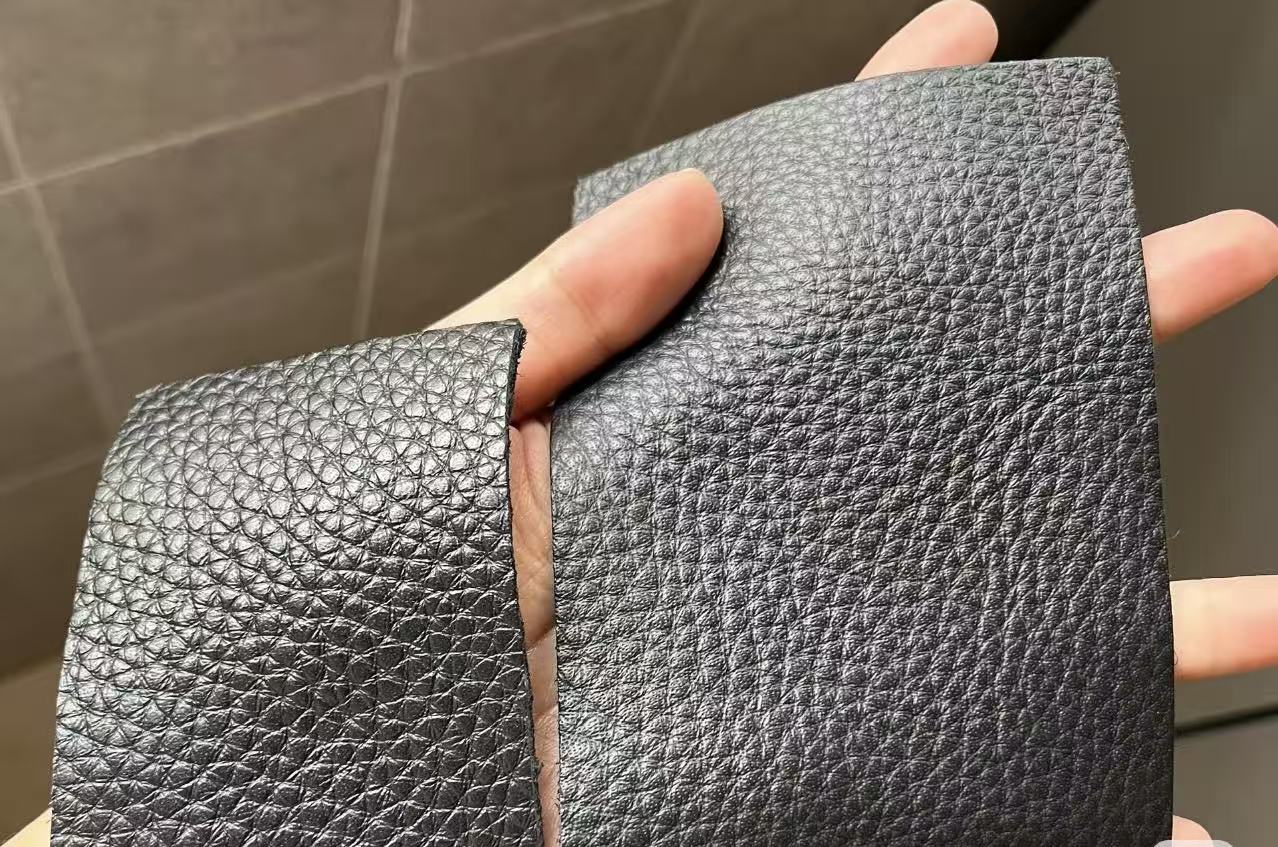
Why Does Synthetic Leather Quality Vary Between Batches?
Synthetic leather quality can vary between batches due to materials, production, and supplier control. This guide explains the causes and how buyers can ensure consistent quality.
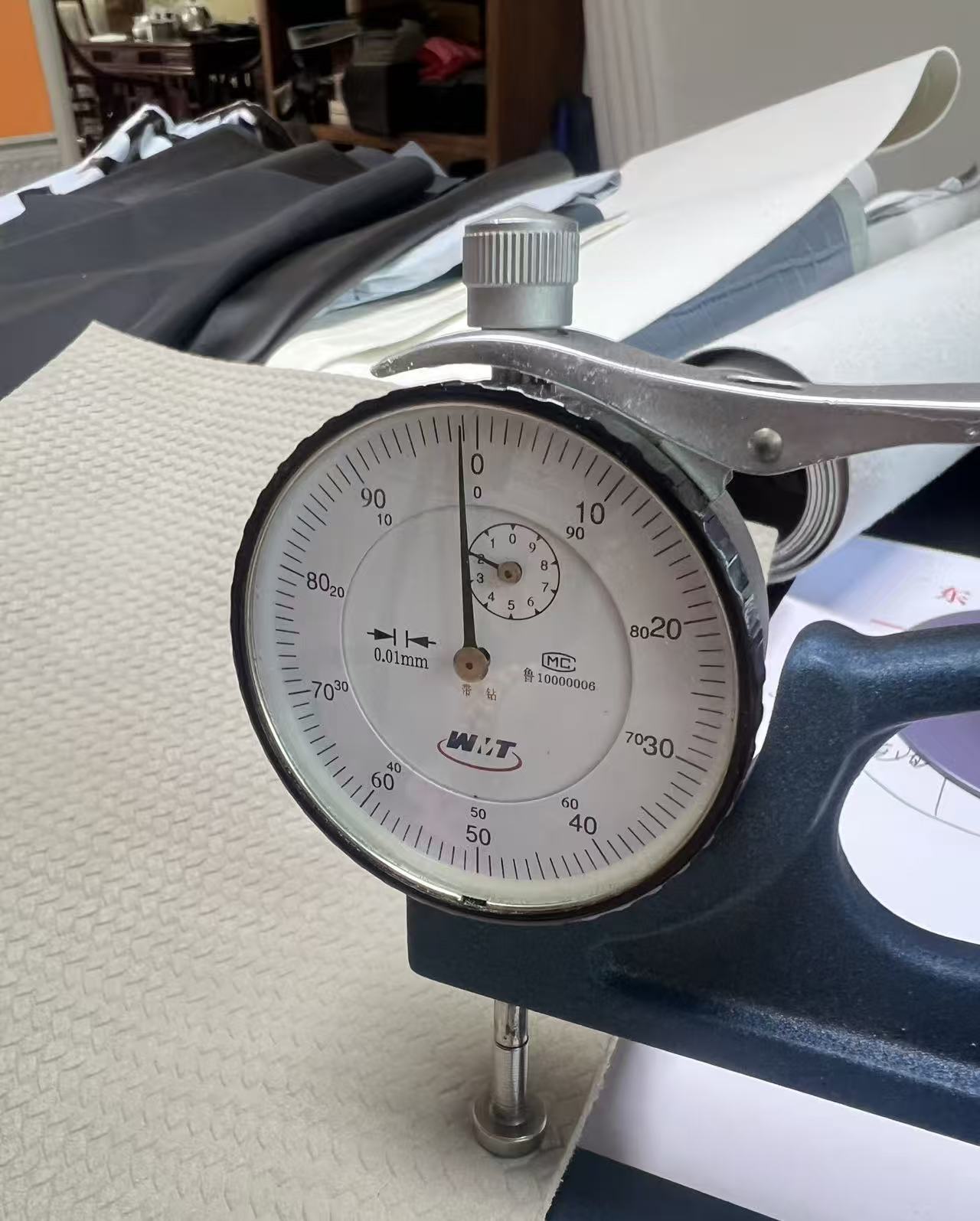
Does Thickness Really Decide Faux Leather Quality (And What Matters More)?
Many buyers assume thicker faux leather means better quality. This article explains why thickness alone is not enough and what really determines synthetic leather performance.