
Why Does Texture Matter in Artificial Leather Design?

Ignoring texture makes even premium artificial leather look dull and lifeless.
Ever seen a “leather” bag that felt like plastic? That’s what poor texture design does—it cheapens the look and feel instantly.
When done right, texture brings depth, realism, and elegance. It helps products feel premium even when they’re not made of real leather.
Texture enhances the look, feel, and performance of artificial leather—boosting product appeal, brand value, and customer satisfaction.
What Types of Surface Textures Are Common in Artificial Leather?
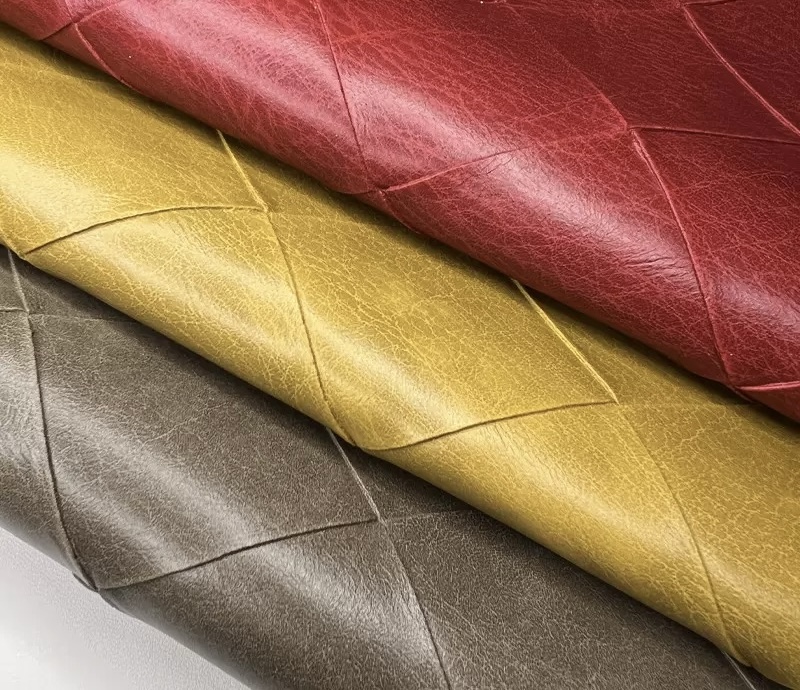
So many options, but what’s the difference between a grainy surface and a suede touch?
Without understanding texture types, you risk mismatching aesthetics or creating functional discomfort.
From classic leather grains to creative printed effects, each texture serves a purpose.
Common textures include smooth, matte, glossy, embossed, grainy, suede-like, and patterned—each with its own aesthetic and usage advantage.
How Is Surface Texture Applied to Artificial Leather?
Many think texture is printed like a T-shirt design.
But it’s not just paint—it’s structure. The wrong technique affects durability and finish.
Texture is achieved through mechanical or chemical finishing, giving it depth and detail that lasts.
Textures are added via roller embossing, chemical foaming, or vacuum embossing—each method offering different depth, detail, and durability.
How Does Texture Impact Product Application?
That gorgeous high-gloss leather bag that slips off your shoulder? That’s a texture issue.
The wrong finish can be impractical, uncomfortable, or even unsafe in some settings.
Texture affects grip, heat retention, breathability, and comfort. Choose based on the product’s intended use.
Texture affects not only aesthetics but also grip, breathability, and function—key in furniture, automotive, bags, and shoes.
How Can Brands Customize Texture for Market Appeal?
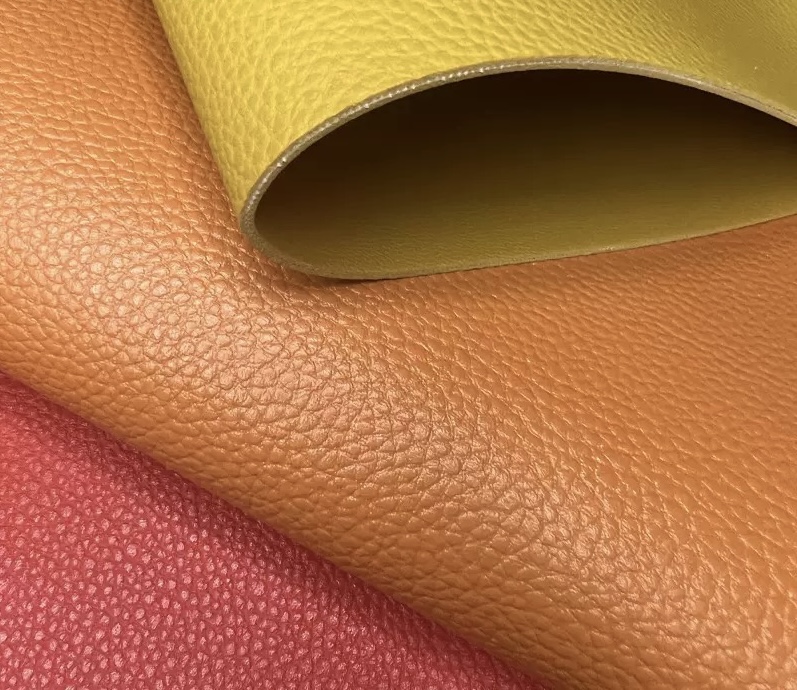
Off-the-shelf textures look generic—and so will your final product.
If your bag looks like everyone else’s, why should customers choose yours?
Work with manufacturers like ZD Leather to customize textures that align with your brand identity.
ZD Leather offers custom embossing to match brand identity—whether croc grain for luxury bags or velvet-touch for comfy couches.
What’s the Future of Texture in Artificial Leather Design?
Still relying on leather grains from 20 years ago? Customers notice.
Outdated textures can make your product feel irrelevant or uninspired.
Innovate with textures that tell a story—bio-based patterns, reactive surfaces, or tech-driven finishes.
Trends like bio-based patterns, 3D embossing, and smart textures (like anti-slip or self-healing) are reshaping synthetic leather aesthetics and performance.
Conclusion
Surface texture isn’t just decoration—it’s function, branding, and emotion in one. Choosing the right texture sets your artificial leather product apart in both style and substance.
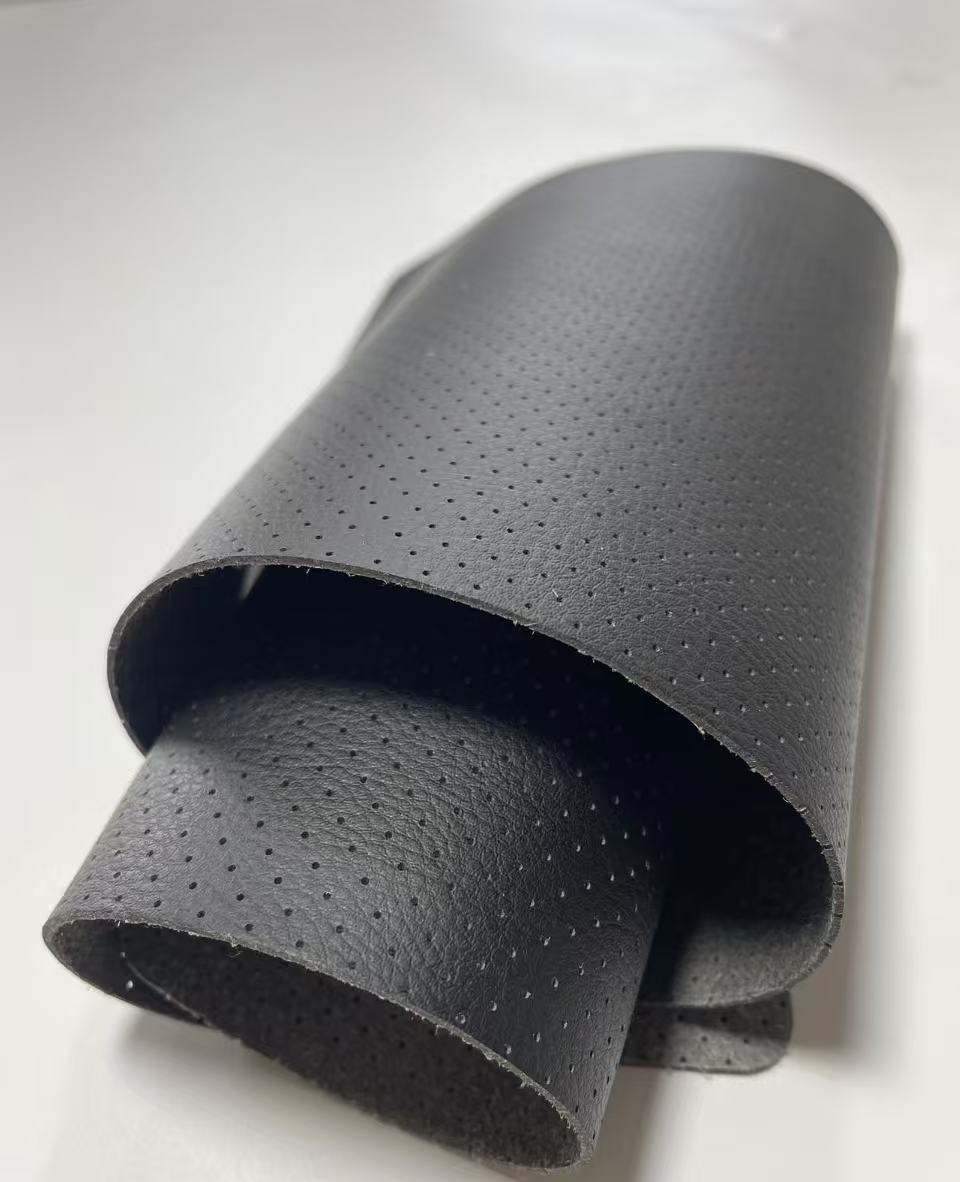
Why Can Two Synthetic Leathers With the Same Specifications Perform Very Differently?
Synthetic leather with the same specifications can still perform differently. This article explains the hidden factors behind performance gaps and how buyers can ensure consistent quality.
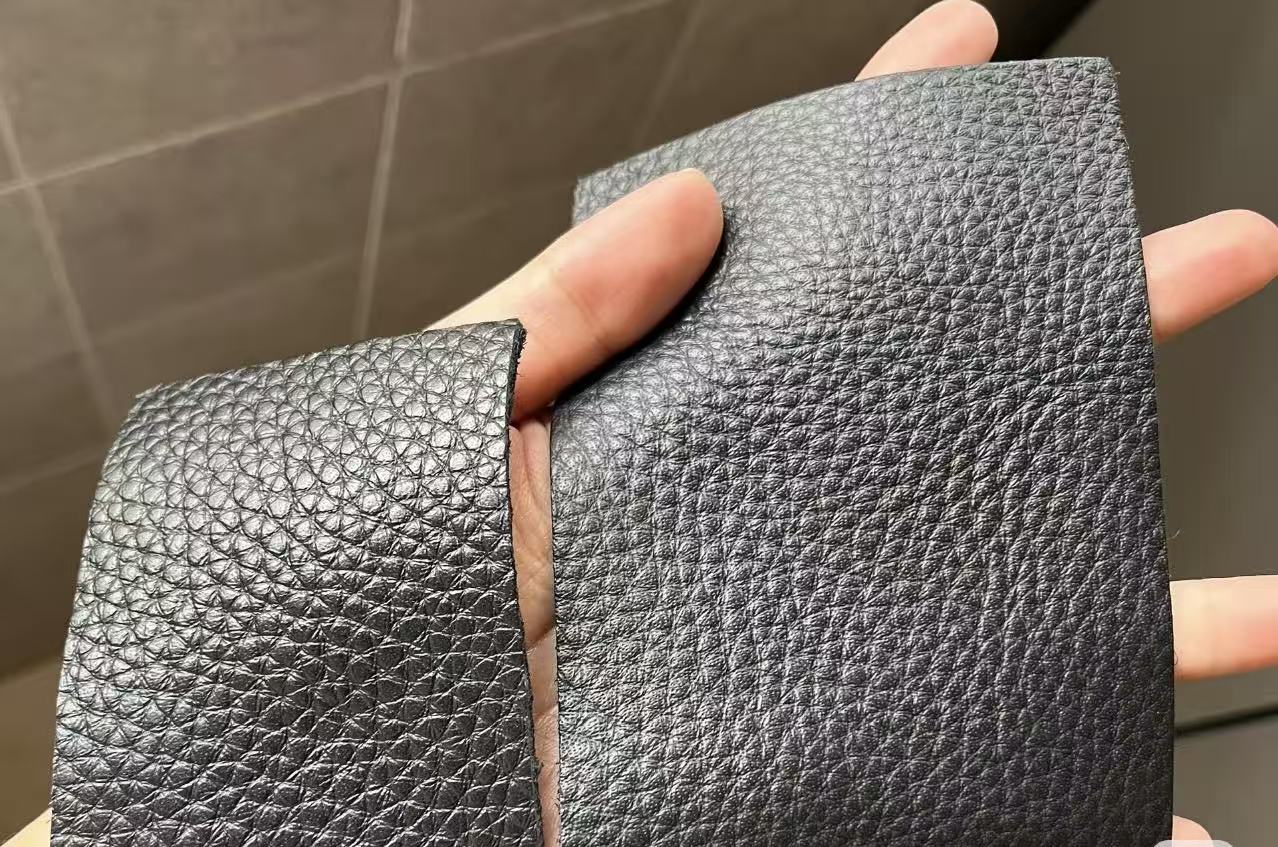
Why Does Synthetic Leather Quality Vary Between Batches?
Synthetic leather quality can vary between batches due to materials, production, and supplier control. This guide explains the causes and how buyers can ensure consistent quality.
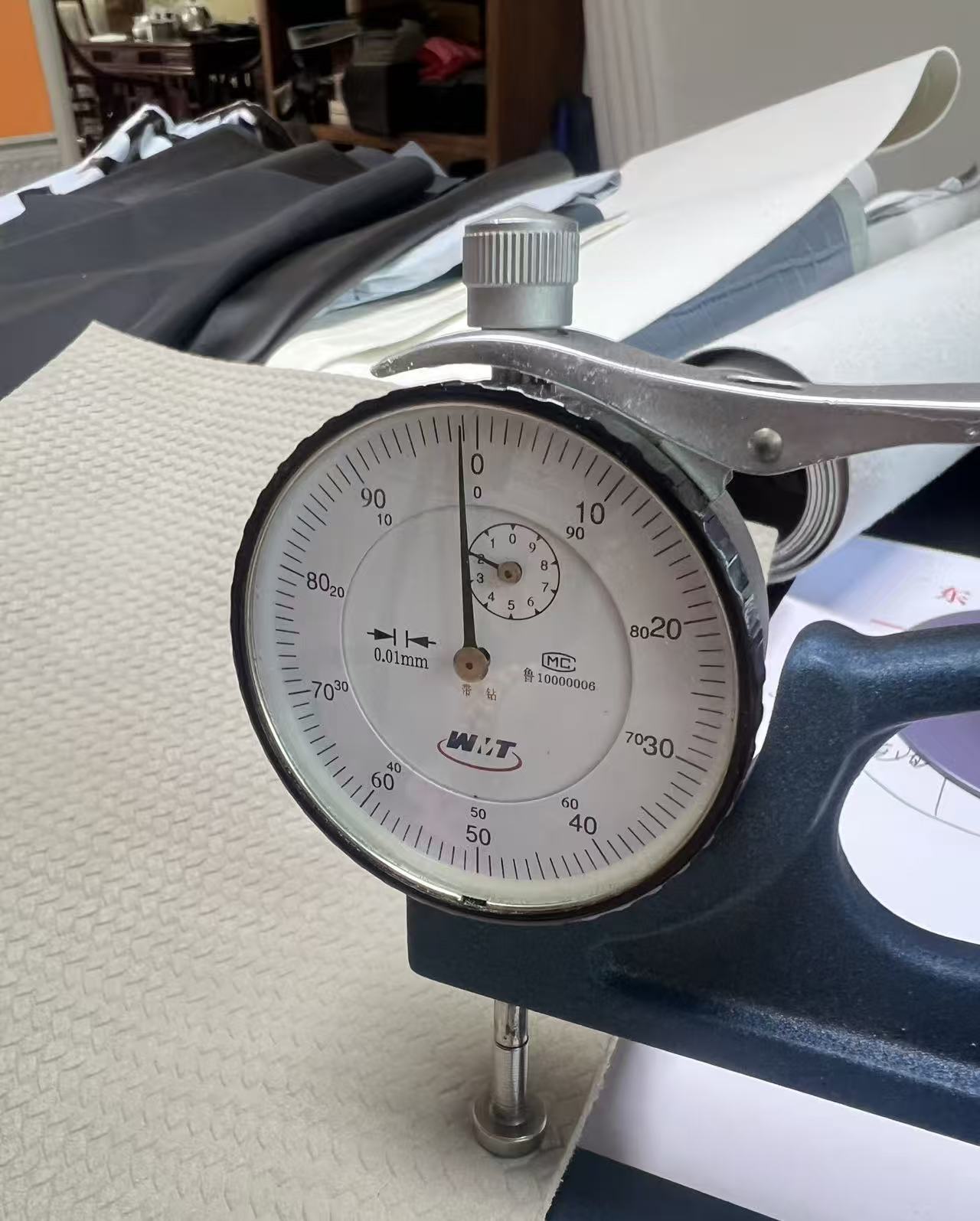
Does Thickness Really Decide Faux Leather Quality (And What Matters More)?
Many buyers assume thicker faux leather means better quality. This article explains why thickness alone is not enough and what really determines synthetic leather performance.