
What Is PU Leather Made Of?

Many people think PU leather is just a cheap plastic alternative.
That misunderstanding often makes them miss its real advantages.
PU leather is created by coating a base fabric (like polyester or cotton) with a thin layer of polyurethane resin. This process gives it flexibility, durability, and a soft touch similar to genuine leather.
How Is PU Leather Different from Genuine Leather?
Confusing PU leather with real leather can lead to wrong expectations.
Some buyers assume synthetic means “low quality,” but that’s not always true.
PU leather is animal-free, consistent in color, and easier to maintain. Unlike real leather, it doesn’t crack, fade, or absorb stains easily.
What Are the Advantages of PU Leather?

PU leather offers a mix of practicality and aesthetics that appeal to modern manufacturers and consumers alike:
Eco-friendly choice – No animal products involved, and modern versions use water-based coatings.
Water-resistant and easy to clean – A quick wipe keeps it looking fresh.
Lightweight and flexible – Ideal for fashion and furniture alike.
Customizable – Easy to emboss, print, or dye into any color or pattern.
Where Is PU Leather Commonly Used?
PU leather is a true multitasker. You’ll find it in:
Furniture upholstery – Soft, elegant, and easy to maintain for sofas and chairs.
Footwear – Used in uppers and linings for its flexibility and comfort.
Bags and accessories – Offers premium looks at a lower cost.
Automotive interiors – Adds luxury feel and easy cleaning to car seats.
How Does PU Compare with PVC Leather?
PU and PVC often get mixed up, but they’re quite different.
PU leather is softer and more breathable, while PVC leather is heavier, tougher, and better for waterproof applications.
Is PU Leather Environmentally Friendly?
Some buyers assume all artificial leather harms the planet.
That’s outdated thinking. Today, both PU and PVC materials are made using environmentally compliant raw materials that meet international safety standards. PU can even be made with water-based or solvent-free technology, minimizing emissions and waste.
Why Choose PU Leather from ZD Leather?

With 16 years of experience, ZD Leather offers premium PU artificial leather that combines softness, strength, and style. Whether you need leather for bags, sofas, or shoes, we can customize thickness, color, and texture to match your vision perfectly.
Conclusion
PU leather blends beauty, comfort, and durability—all while staying affordable and eco-conscious. Whether you’re designing furniture, shoes, or bags, it’s a reliable choice.
If you’re still deciding which leather suits your project best, contact ZD Leather today — our 16 years of expertise will guide you to the perfect solution.
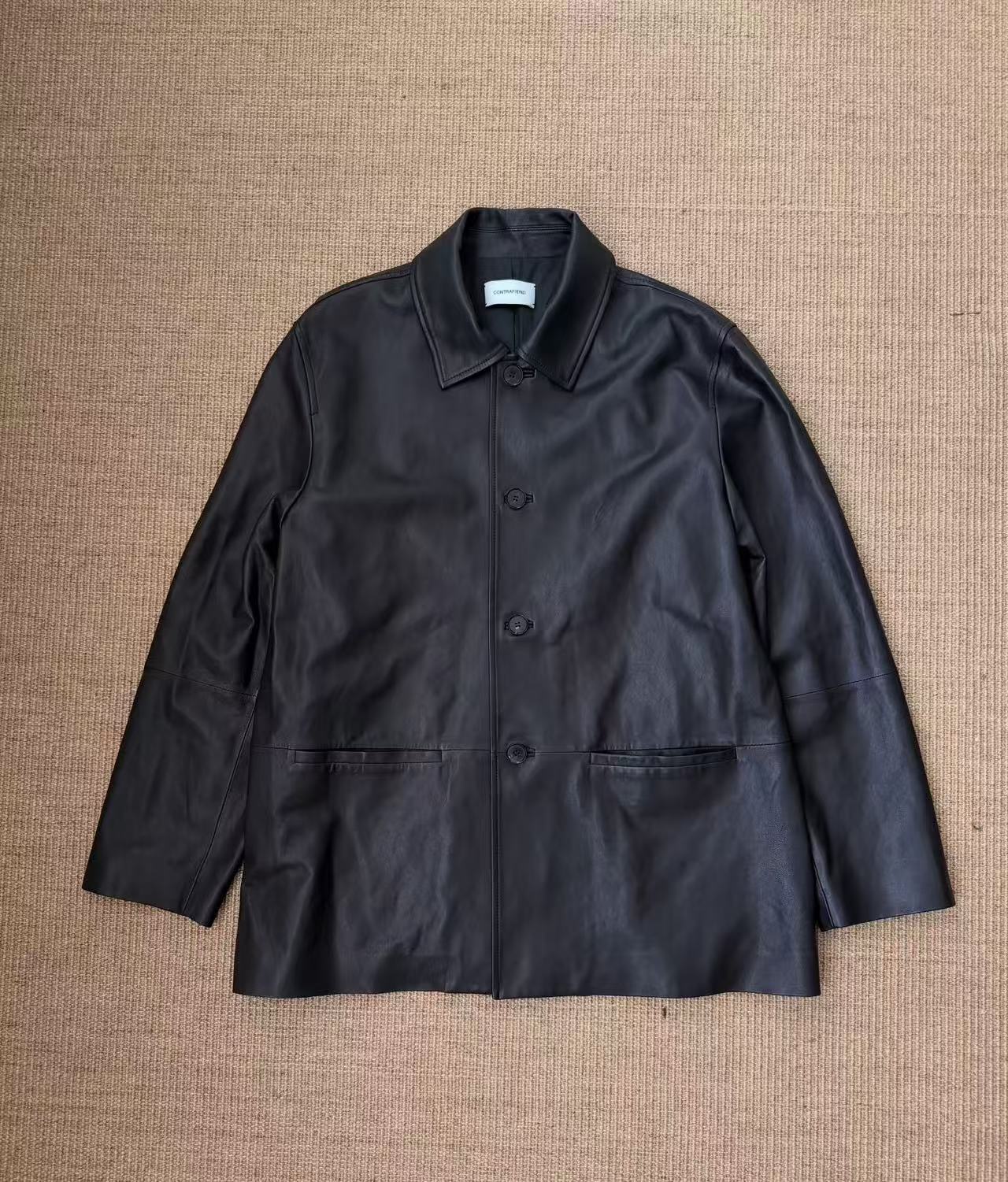
What is garment leather?
Discover what garment leather is and compare PU, PVC, and natural leather. Learn how comfort, breathability, durability, and cost affect your material choice.
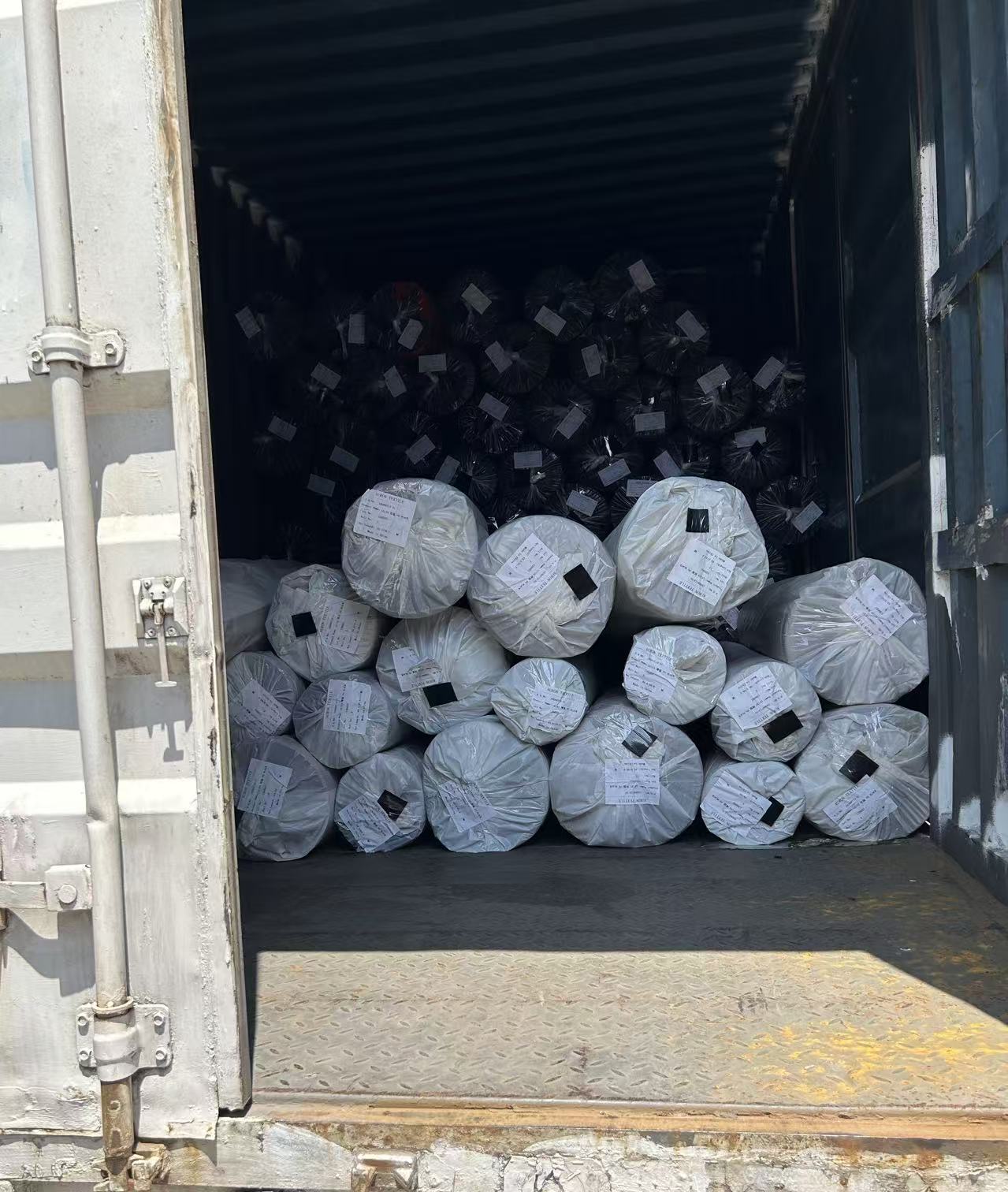
Can you provide special packaging when I import custom synthetic leather from China?
Learn how special packaging for custom synthetic leather can be arranged, including roll length, labels, plastic bags, markings, and shipping requirements.
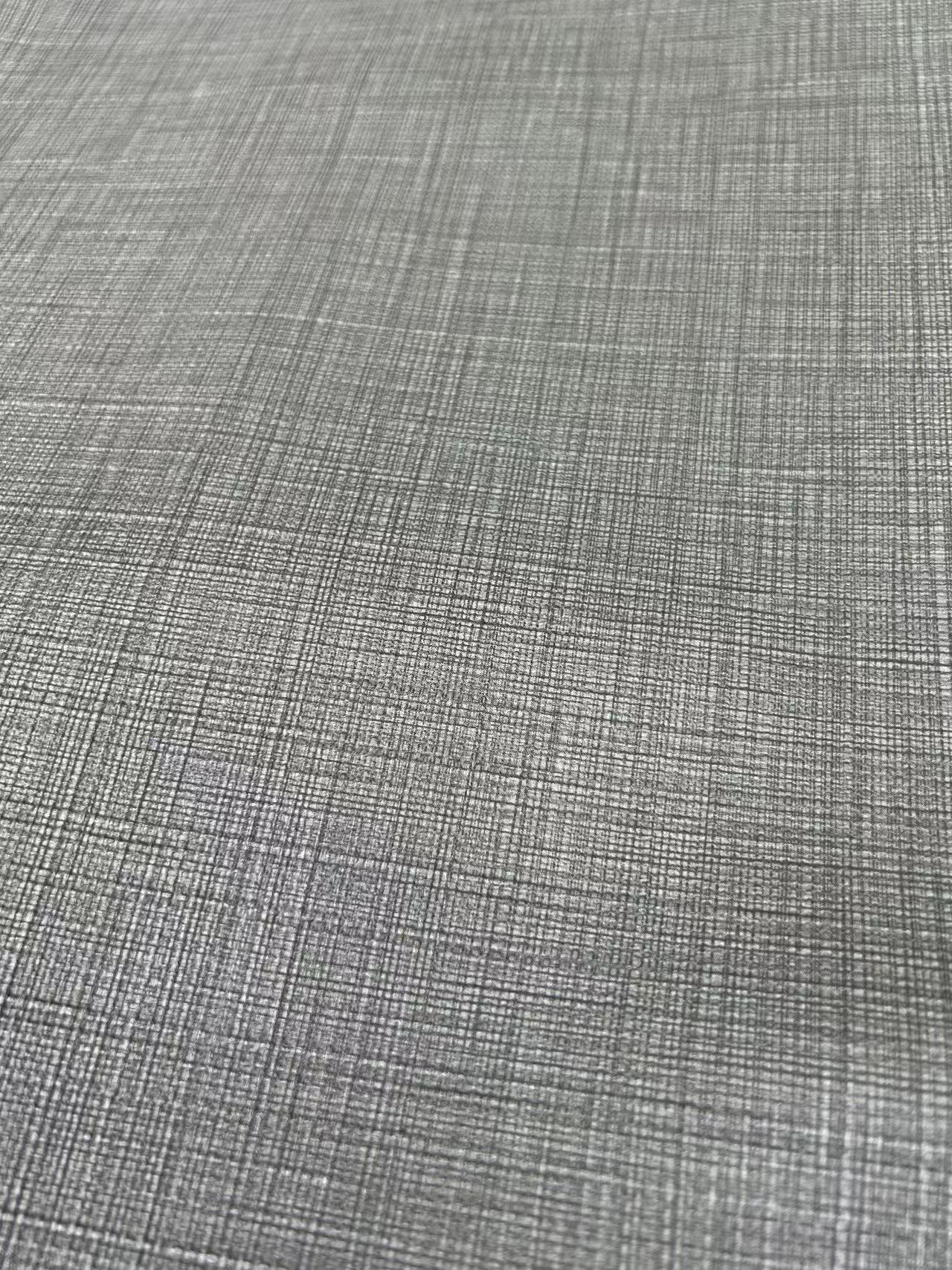
Can You Create a Custom Leather Grain Pattern When Importing Synthetic Leather from China?
Want a unique leather grain for your products? Discover how custom synthetic leather grain patterns are developed from samples using advanced vacuum texture transfer technology.