
Why Does Artificial Leather Fade?

Fading happens mainly due to UV exposure, oxidation, and sometimes poor pigment quality. When synthetic leather—whether [PU leather] or [PVC leather]—is exposed to direct sunlight for long periods, the polymer chains in its coating may break down, slightly changing its color tone over time.
If the manufacturer uses low-grade pigments or insufficient UV stabilizers, the problem gets worse. That’s why reputable factories like ZD Leather add [UV stabilizers] and [anti-oxidants] during production to ensure long-lasting color stability.
Learn more about how to store artificial leather properly to slow down oxidation and maintain surface quality.
How to Prevent Fading in Synthetic Leather
Choose UV-resistant material
Opt for artificial leather that includes UV stabilizers or HALS additives. Our [outdoor-grade PVC synthetic leather] is designed to maintain color even under strong sunlight.Avoid excessive heat and humidity
High temperatures accelerate oxidation. Store your leather in a cool, ventilated area, just as you would with other delicate materials.Avoid harsh cleaning chemicals
Strong solvents or alcohol can strip pigments and weaken the coating. Use a mild detergent and soft cloth instead.Check your supplier’s testing reports
Ask for [lightfastness test reports] (such as Xenon or UV aging tests). This ensures your leather meets international standards before you place bulk orders.
Does PU or PVC Fade More Easily?
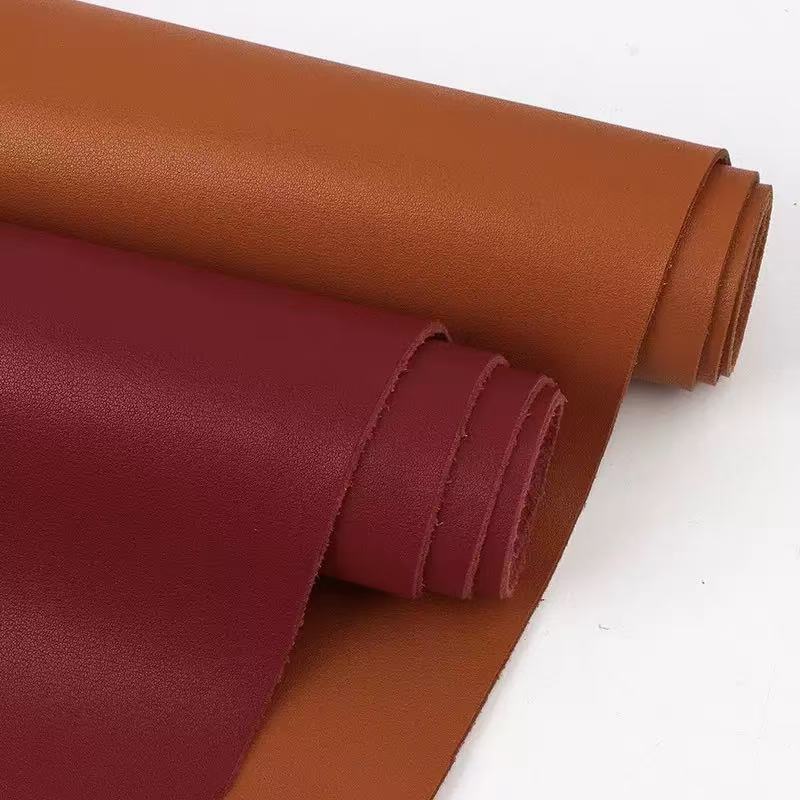
In general, PU leather is slightly more sensitive to UV exposure than PVC. However, high-quality PU with proper stabilizers performs excellently even outdoors. PVC, on the other hand, has natural UV resistance but can harden under long sunlight exposure if not properly formulated.
So, the key isn’t the material itself — it’s the quality of the formulation and the manufacturer’s process control.
How ZD Leather Keeps Colors Consistent
At ZD Leather, we take color seriously. Every batch is tested for color stability, UV resistance, and surface durability. Whether you’re ordering 1 meter for testing or 5,000 meters for mass production, you’ll get consistent tones and professional advice on how to store and maintain your materials.
Conclusion
Artificial leather does not have to fade easily. With the right material selection, UV protection, and supplier expertise, your products can retain their original beauty for years.
If you’re unsure which leather type or surface finish to choose, feel free to contact us — as a 16-year synthetic leather factory in China, ZD Leather will give you the most professional advice.
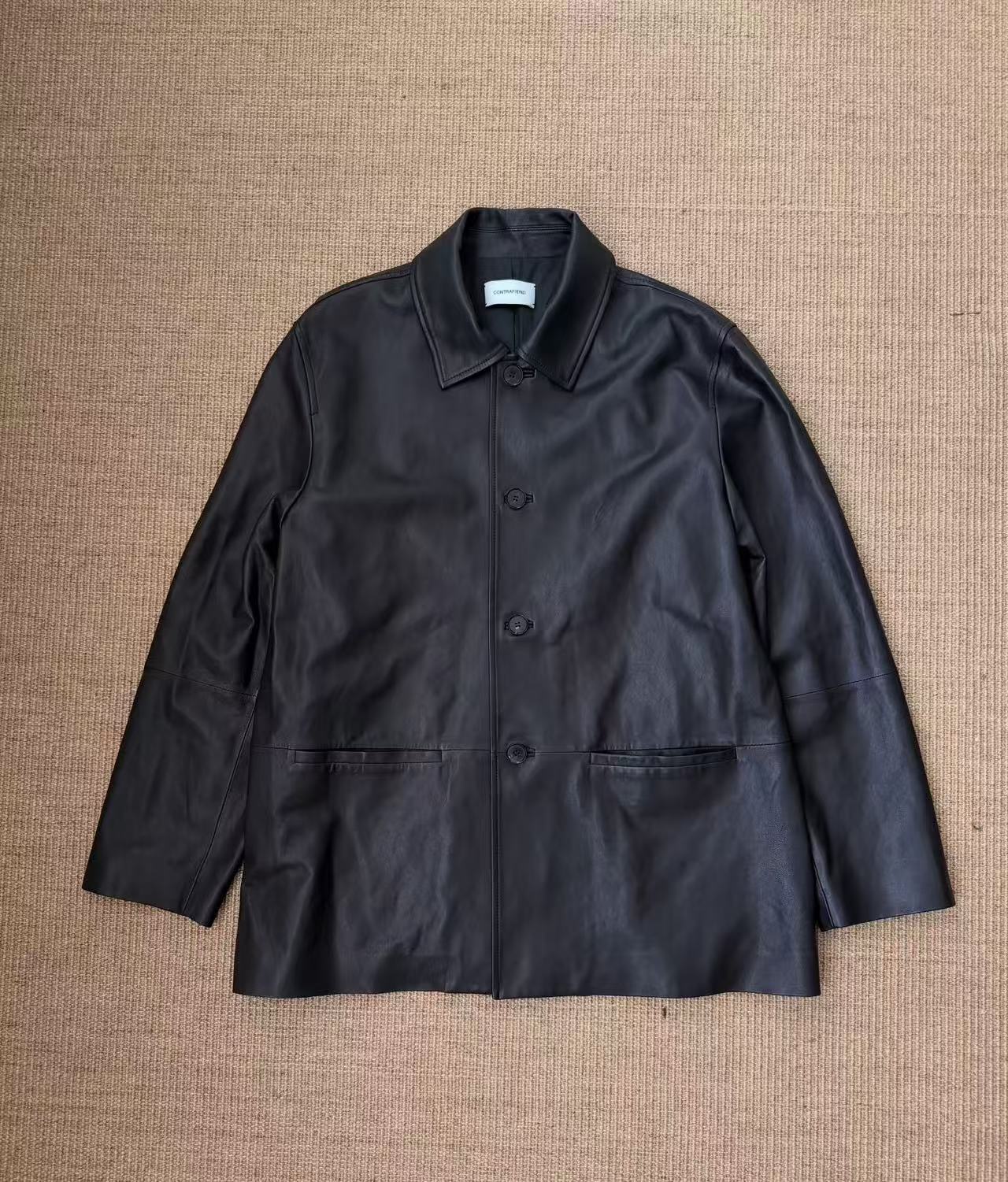
What is garment leather?
Discover what garment leather is and compare PU, PVC, and natural leather. Learn how comfort, breathability, durability, and cost affect your material choice.
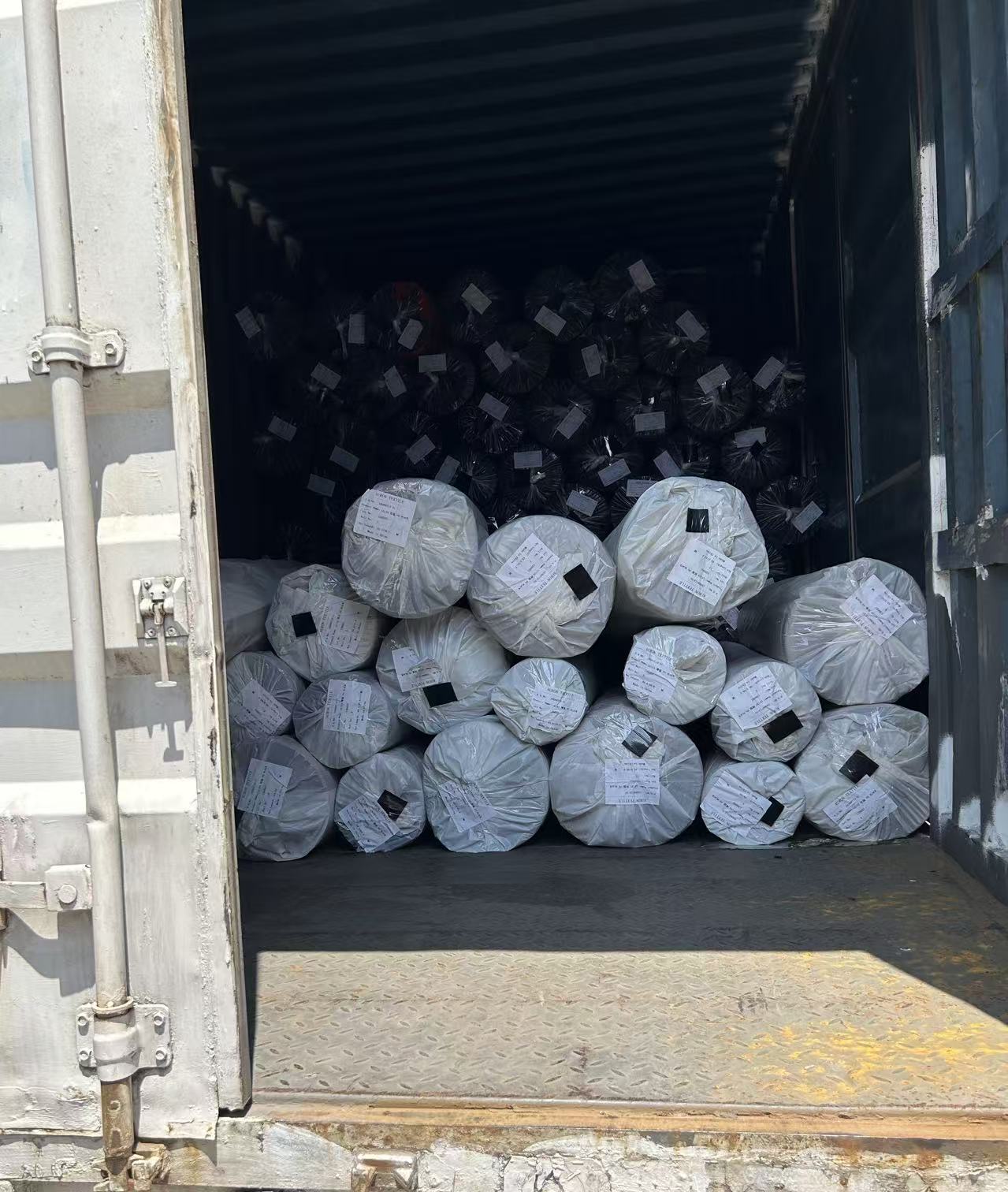
Can you provide special packaging when I import custom synthetic leather from China?
Learn how special packaging for custom synthetic leather can be arranged, including roll length, labels, plastic bags, markings, and shipping requirements.
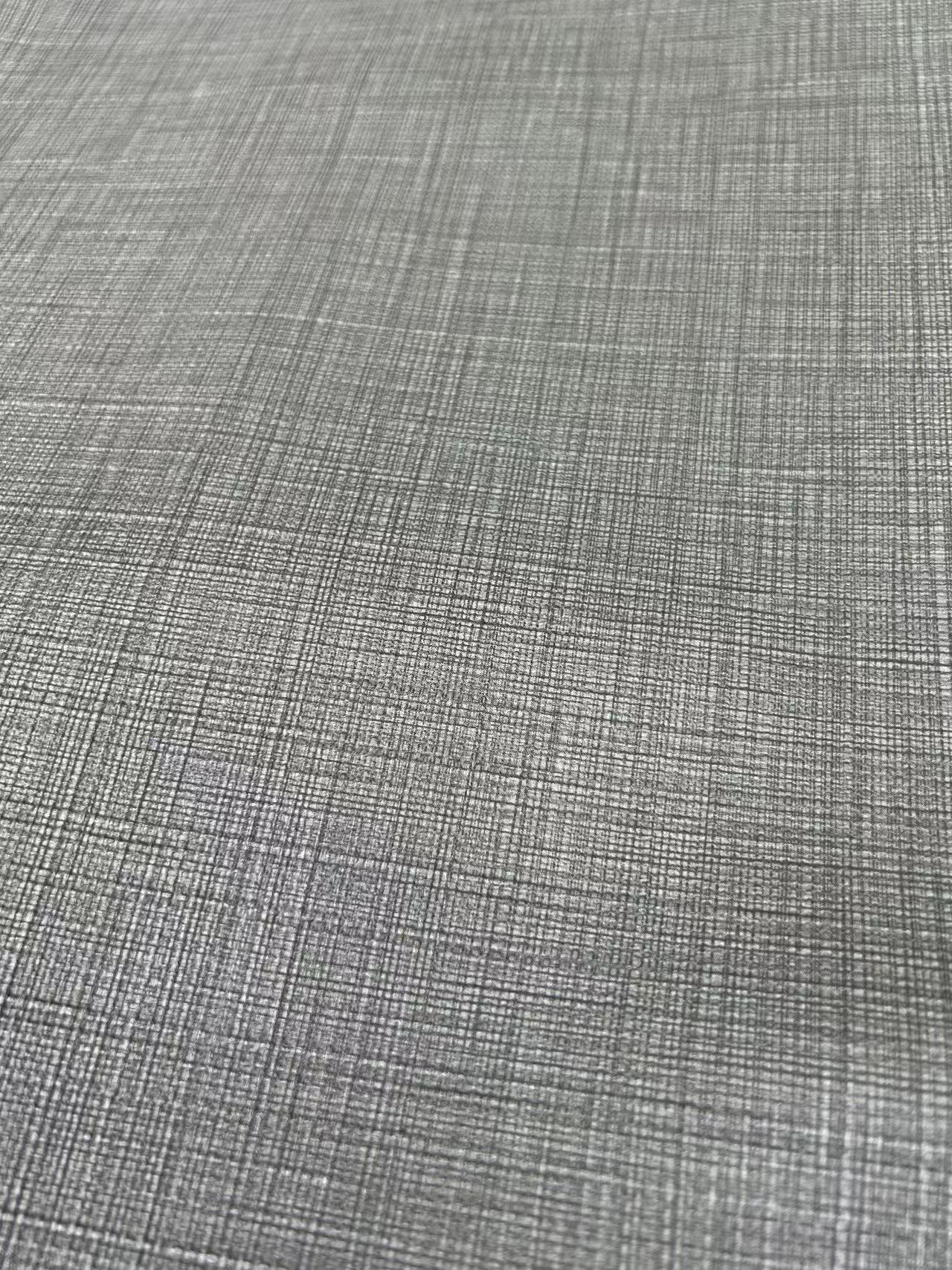
Can You Create a Custom Leather Grain Pattern When Importing Synthetic Leather from China?
Want a unique leather grain for your products? Discover how custom synthetic leather grain patterns are developed from samples using advanced vacuum texture transfer technology.