
What Information Do You Need Before Calculating Shipping Costs?
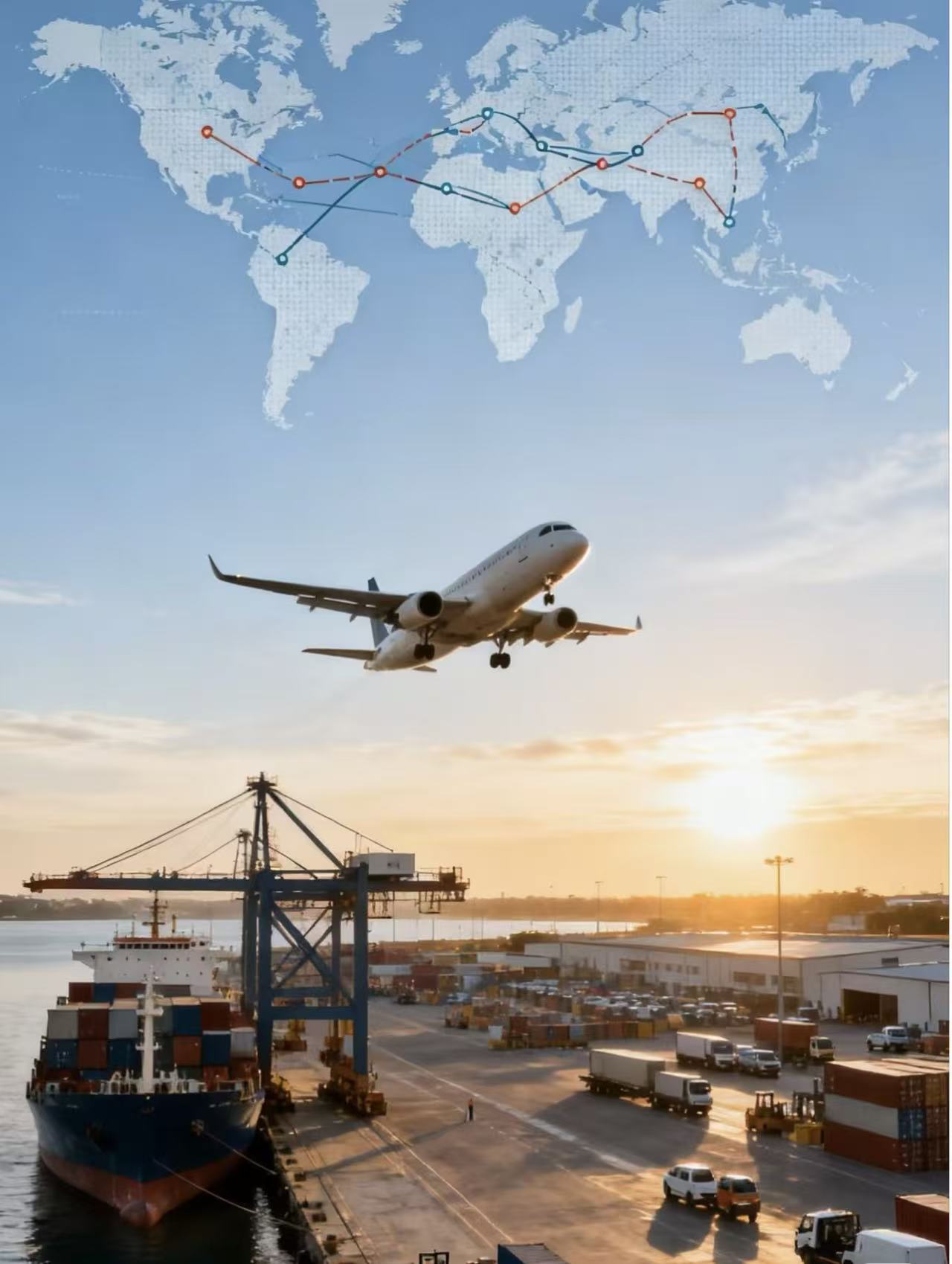
Many buyers ask for shipping quotations before gathering the information logistics companies actually need.
Accurate freight estimates require shipment quantity, roll dimensions, weight, destination, packaging details, and preferred transportation method.
Before anyone can provide an accurate freight quotation, several important details must be collected.
First, buyers need to know how many rolls of faux leather they plan to ship. A sample shipment and a full container shipment are very different conversations.
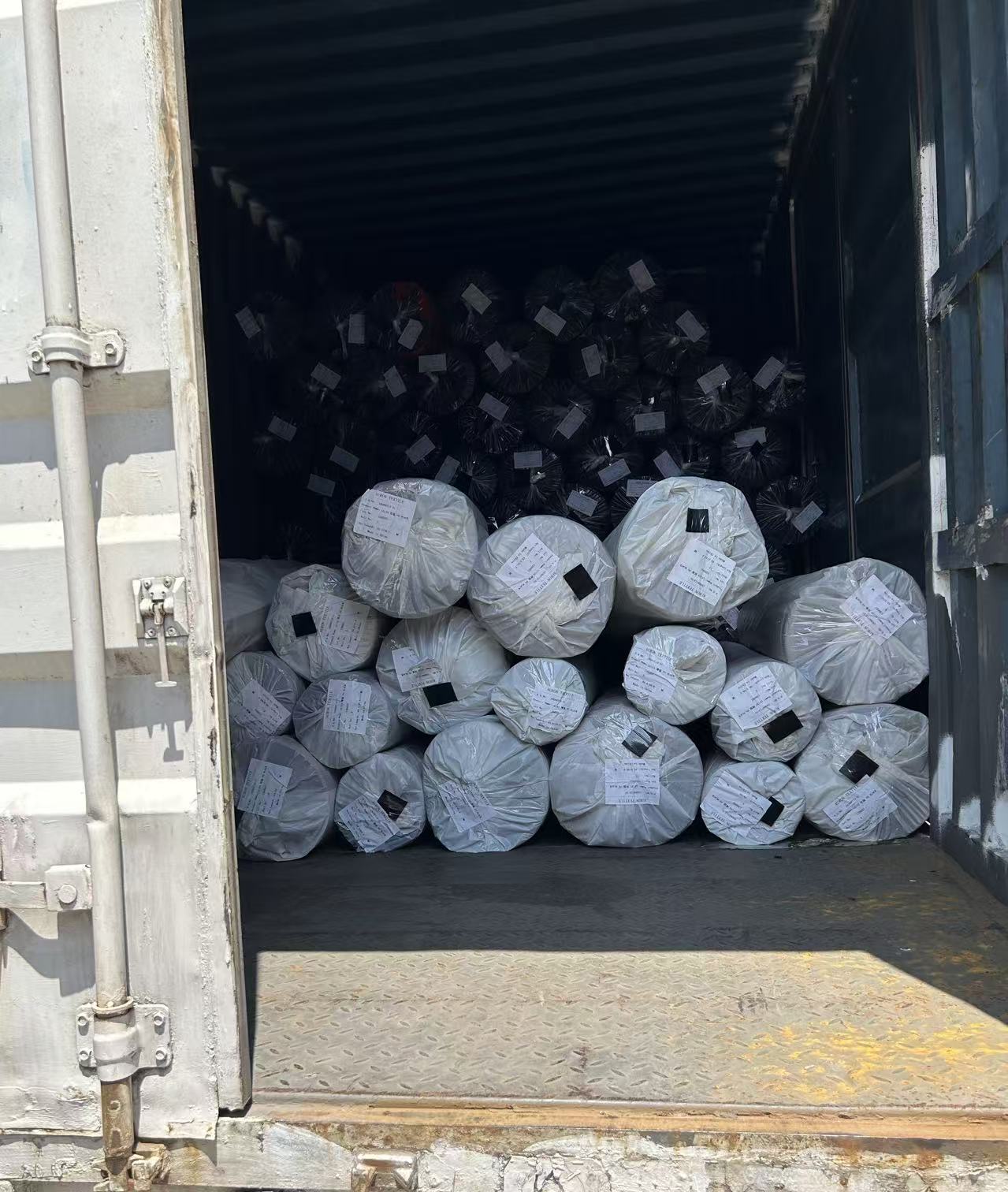
Roll dimensions also matter. The width, length, and diameter of each roll affect how much space the shipment occupies. This is particularly important because synthetic leather rolls are bulky products.
Weight is another factor. Most suppliers can provide both gross weight and net weight information for each shipment.
The destination country and final delivery location are equally important. Shipping costs to Los Angeles, Rotterdam, and Lagos can vary significantly.
Buyers should also indicate whether they prefer sea freight, air freight, or courier services.
Providing complete information at the beginning helps freight forwarders calculate realistic transportation costs and reduces the risk of unexpected charges later.
Why Does Volume Matter More Than Weight?
Many first-time importers assume freight costs are based only on weight. Faux leather rolls have a way of challenging that assumption.
Because faux leather rolls occupy significant space, shipping costs are often influenced more by volume than by weight.
For many synthetic leather shipments, volume becomes more important than weight.
Why?
Because shipping containers have limited space.
A container can only hold a certain number of cubic meters before it becomes full. Faux leather rolls are large, cylindrical products that occupy considerable room even when their weight remains manageable.
This is why freight companies often calculate charges based on cubic meters (CBM) rather than simply kilograms.
For example, two shipments may weigh the same, but the shipment occupying more space may cost more to transport.
This is particularly common when shipping artificial leather used for furniture upholstery, automotive interiors, and commercial projects.
Understanding volume calculations helps buyers estimate transportation expenses more accurately and optimize container utilization.
In international logistics, space often has a price tag of its own.
How Much Does Sea Freight Usually Cost?
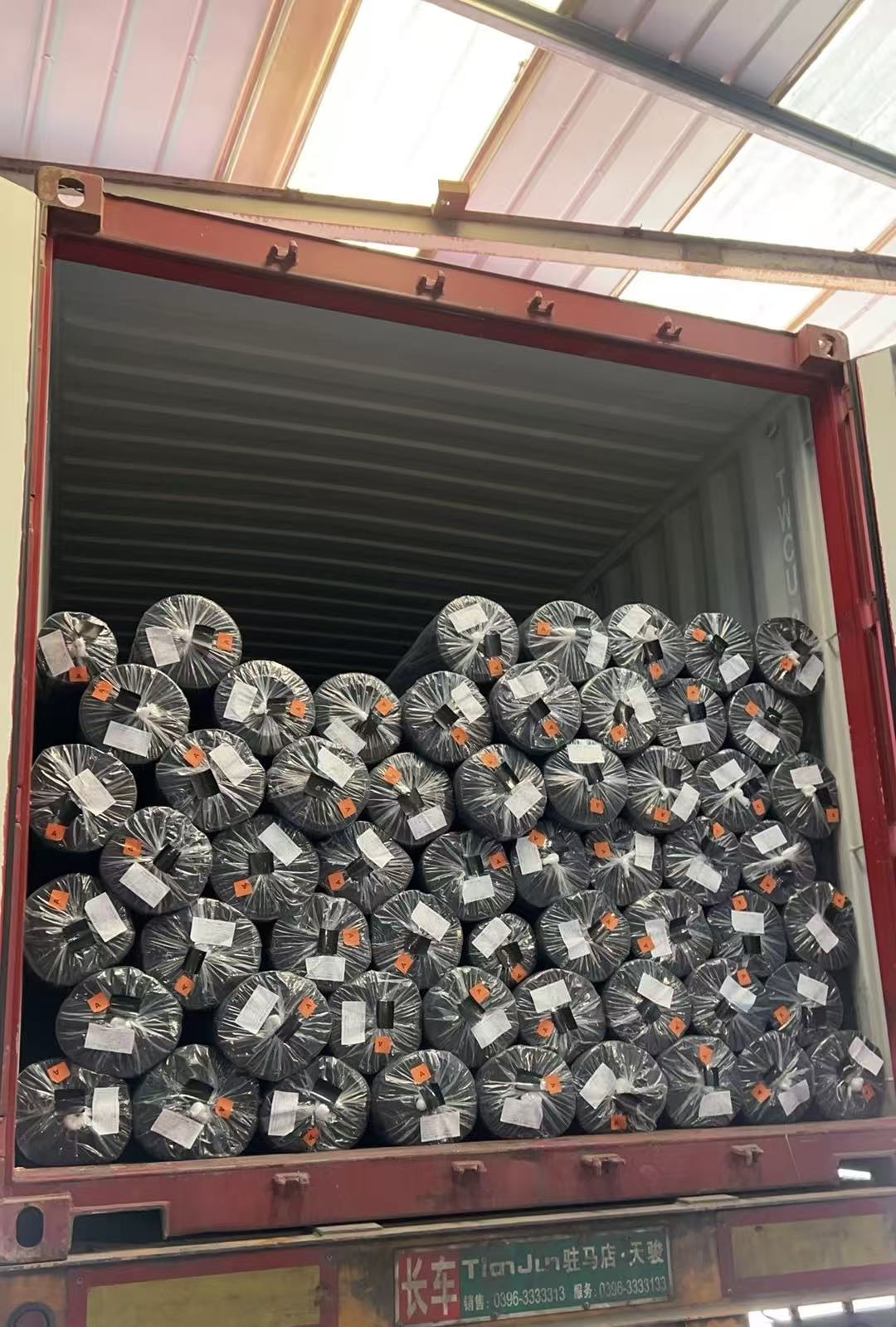
Sea freight is usually the most economical option, but buyers are often surprised by how much rates can fluctuate.
Sea freight costs depend on destination, container availability, fuel prices, seasonal demand, and global shipping conditions.
Sea freight remains the preferred transportation method for most large orders of PVC leather, PU leather, and other upholstery materials.
However, there is no universal freight rate.
Shipping costs constantly change based on market conditions. Fuel prices, container availability, port congestion, and seasonal demand all influence freight charges.
During peak shipping seasons, rates can increase significantly as exporters compete for limited container space.
Buyers should also understand the difference between Full Container Load (FCL) and Less than Container Load (LCL) shipments.
FCL generally offers lower shipping costs per unit when order quantities are large enough. LCL allows smaller shipments but often involves additional handling and consolidation charges.
Rather than searching for a “standard” shipping price, buyers should request updated quotations based on their specific shipment details and destination.
The shipping industry changes much faster than most people realize.
Is Air Freight Ever a Good Option?
Air freight sounds expensive because it usually is. But sometimes speed is worth paying for.
Air freight is most suitable for samples, urgent replacements, and time-sensitive synthetic leather shipments.
For bulk orders, sea freight almost always wins on cost.
However, there are situations where air freight makes perfect business sense.
For example, a furniture manufacturer may urgently need replacement material to complete a customer order. Waiting several weeks for sea transportation could cause production delays and lost sales.
Air freight is also commonly used for sample shipments. Sending a few meters of faux leather by air allows buyers to evaluate quality, color, texture, and performance before committing to larger purchases.
Some automotive and hospitality projects also operate under tight deadlines where delivery speed becomes more important than freight savings.
Of course, air transportation significantly increases logistics costs.
The key is understanding the purpose of the shipment. Paying extra for speed may be expensive, but missing a major project deadline can be far more costly.
Sometimes the fastest option becomes the cheapest option in the long run.
What Hidden Costs Should Buyers Consider?
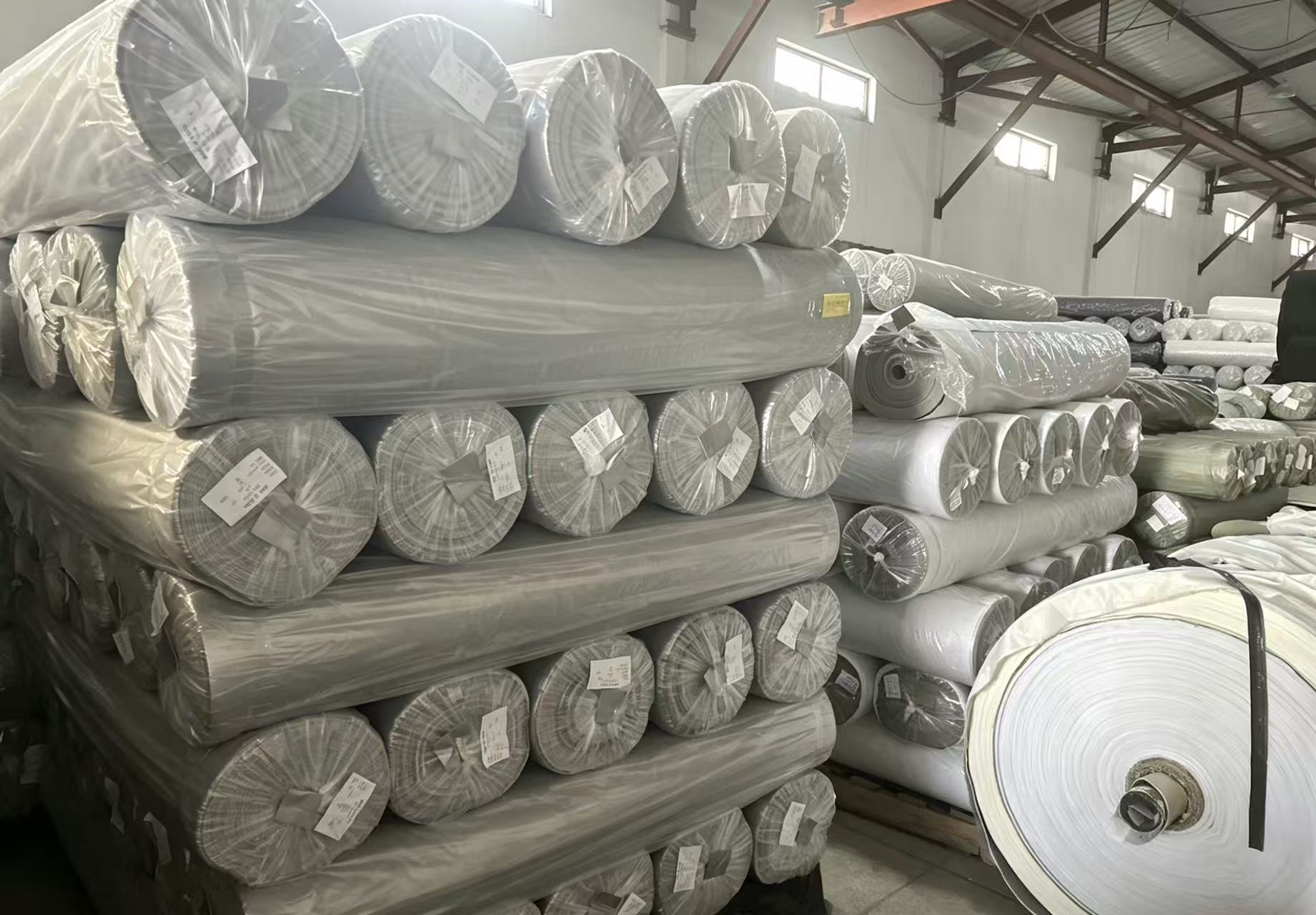
The freight quotation is important, but it is rarely the final number buyers will pay.
Customs clearance, duties, taxes, local transportation, and port charges can significantly affect total landed costs.
One of the biggest mistakes new importers make is focusing only on freight charges.
The total landed cost includes much more.
Depending on the destination country, buyers may need to pay import duties, taxes, customs brokerage fees, inspection fees, and local delivery costs.
Port handling charges can also vary considerably between locations.
In some cases, warehousing fees may apply if shipments are not collected promptly after arrival.
These additional expenses can represent a meaningful portion of the overall logistics budget.
This is why experienced importers calculate total landed cost rather than simply comparing freight quotations.
A shipment with lower freight charges may not always produce the lowest overall cost.
Looking at the complete logistics picture helps buyers make better sourcing decisions.
How Can Buyers Reduce Shipping Costs?
Reducing freight expenses is usually easier than most buyers expect.
Larger shipments, early planning, and optimized packaging can significantly lower transportation costs per meter.
One of the most effective ways to reduce freight costs is consolidating orders.
Larger shipments typically achieve better container utilization and lower transportation costs per unit.
Planning ahead also helps. Last-minute orders often require faster and more expensive transportation methods.
Optimizing packaging can create additional savings. Better packaging design allows more rolls to fit inside a container, improving shipping efficiency.
Buyers importing synthetic leather regularly should also consider full-container shipments whenever practical.
Working closely with suppliers during production planning can reveal additional opportunities to reduce freight expenses.
In international trade, logistics rewards preparation.
The earlier buyers start planning, the more options they usually have available.
Why Should Buyers Discuss Shipping Early?
Many shipping problems begin long before products are loaded into containers.
Early logistics planning helps buyers select suitable order quantities, production schedules, and transportation methods.
Shipping should not be treated as the final step in the purchasing process.
In reality, logistics decisions often influence production schedules, order quantities, packaging methods, and delivery commitments.
Discussing shipping requirements early allows suppliers to recommend the most suitable transportation solutions.
It also helps buyers coordinate inventory planning and avoid unnecessary delays.
For example, choosing a slightly larger order quantity may allow a buyer to switch from LCL to FCL shipping, significantly improving freight efficiency.
Experienced suppliers can also help buyers estimate container capacity, prepare export documentation, and avoid common logistics mistakes.
At ZD Leather, we regularly assist customers in planning shipments of faux leather, artificial leather, PVC leather, and PU leather to destinations across North America, Africa, Southeast Asia, and the Middle East.
Because when logistics is planned early, costs become easier to control and surprises become much easier to avoid.
Conclusion
Estimating shipping costs for faux leather rolls becomes much easier when buyers understand shipment volume, transportation methods, and total landed costs. With proper planning and supplier support, buyers can reduce expenses and make smarter sourcing decisions.
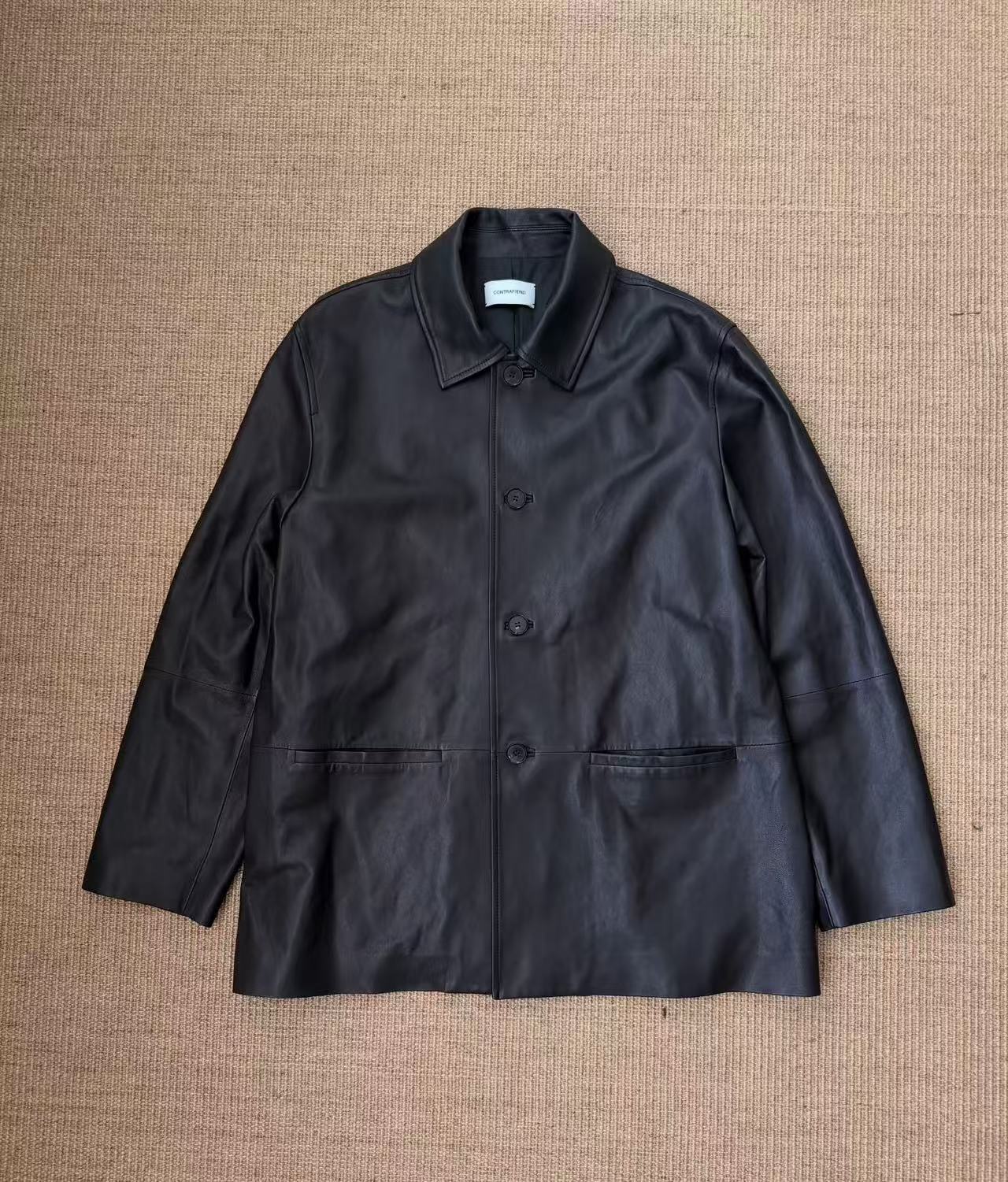
What is garment leather?
Discover what garment leather is and compare PU, PVC, and natural leather. Learn how comfort, breathability, durability, and cost affect your material choice.
Can you provide special packaging when I import custom synthetic leather from China?
Learn how special packaging for custom synthetic leather can be arranged, including roll length, labels, plastic bags, markings, and shipping requirements.
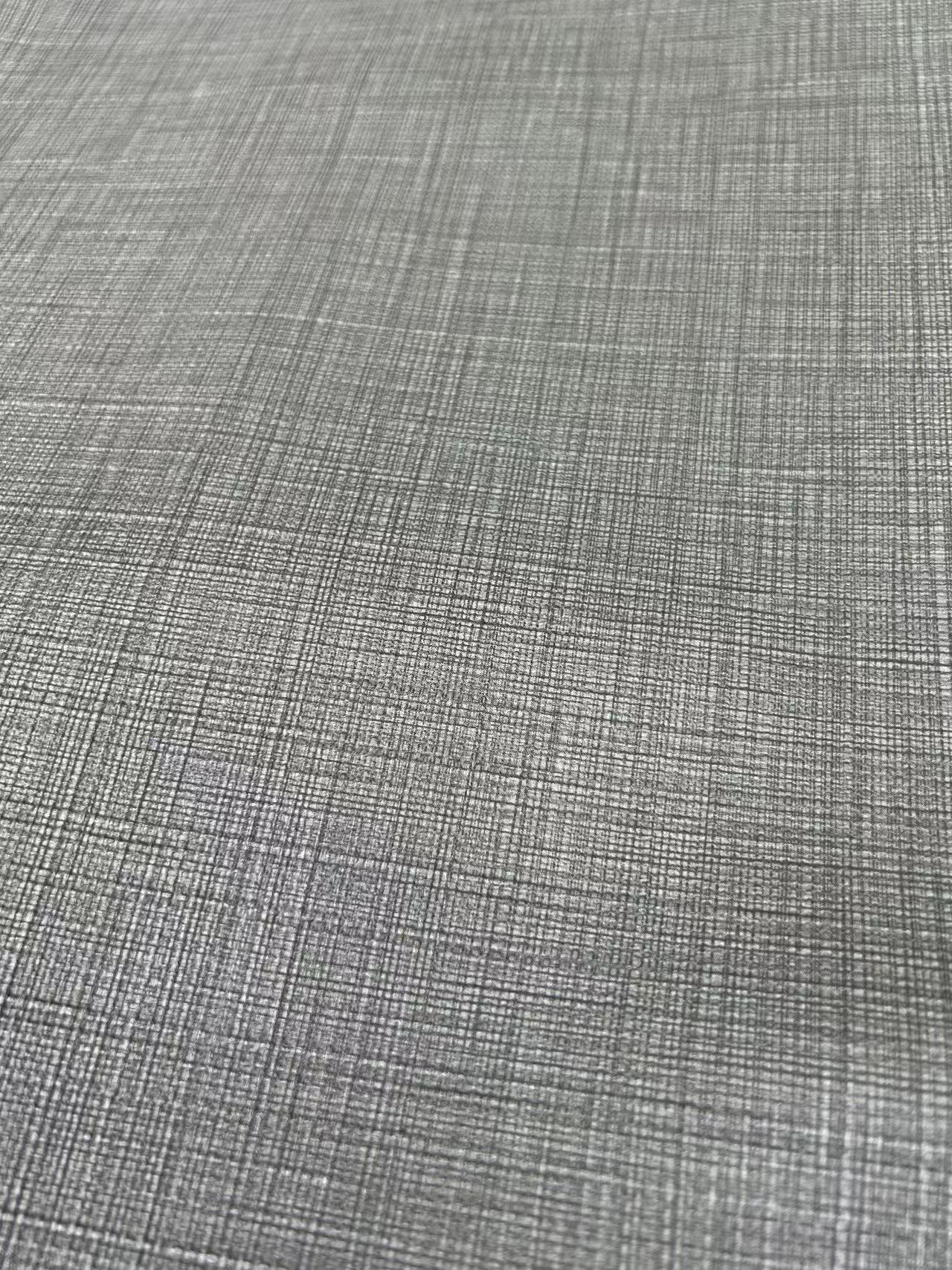
Can You Create a Custom Leather Grain Pattern When Importing Synthetic Leather from China?
Want a unique leather grain for your products? Discover how custom synthetic leather grain patterns are developed from samples using advanced vacuum texture transfer technology.