
What Shipping Methods Are Available for Synthetic Leather?
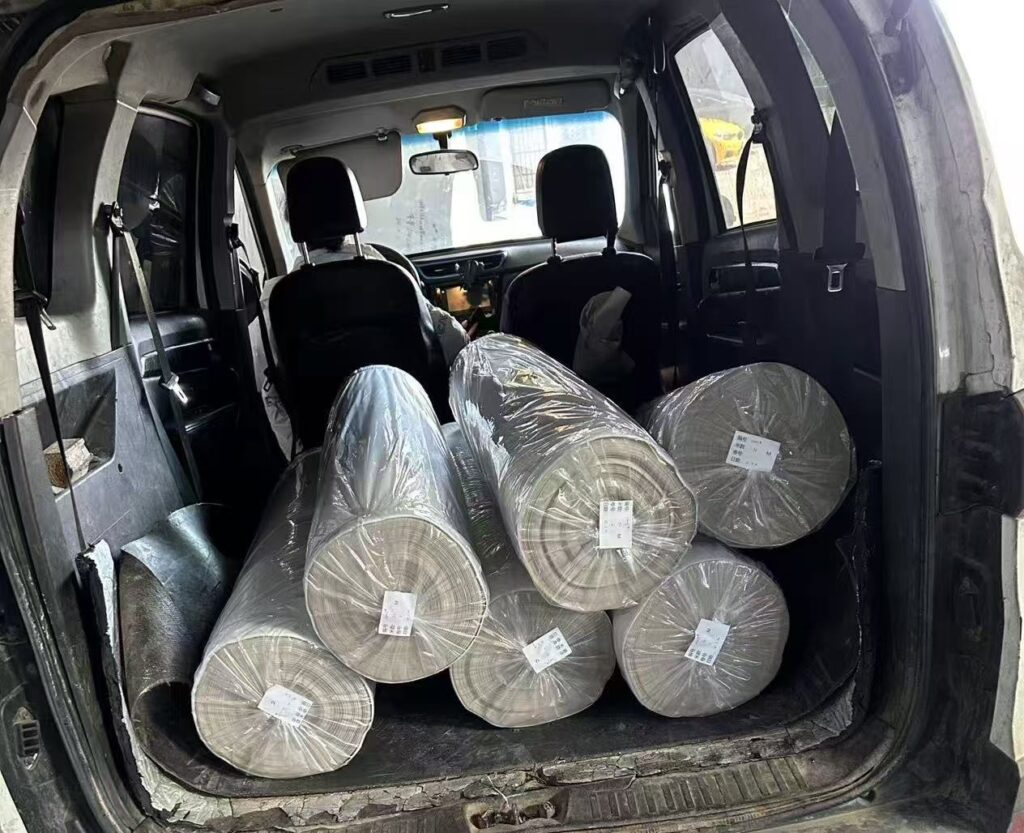
Choosing the wrong shipping method can quickly turn a good deal into an expensive lesson.
Synthetic leather is commonly shipped by sea freight, air freight, rail freight, or express courier, depending on the shipment size and urgency.
When shipping faux leather or artificial leather from China, buyers typically have four transportation options.
Sea freight is the most common method. It offers the lowest cost per unit and is ideal for large orders. Most furniture manufacturers, distributors, and wholesalers prefer sea shipping because it keeps transportation costs under control.
Air freight is much faster but significantly more expensive. It is usually reserved for urgent orders, replacement materials, or production emergencies.
Rail freight is available for certain destinations, particularly in Europe and Central Asia. It offers a balance between speed and cost, although availability depends on the destination country.
Express couriers such as DHL, UPS, and FedEx are mainly used for samples rather than bulk orders. Shipping a few meters of synthetic leather this way is practical. Shipping an entire container is not—unless your budget is larger than your furniture project.
Understanding these options is the first step toward choosing the most efficient logistics solution.
Which Shipping Method Is Best for Large Orders?
Not every shipment needs to arrive tomorrow. Paying for speed when you don’t need it often means paying too much.
Sea freight is usually the most economical shipping method for large synthetic leather orders and container shipments.
For most commercial buyers, sea freight is the clear winner.
Large shipments of PVC leather and PU leather occupy significant space, making sea transportation far more cost-effective than air freight. This is especially true when buyers are importing materials for furniture manufacturing, automotive upholstery, or distribution.
There are two common sea freight options:
FCL (Full Container Load) – The entire container belongs to one buyer.
LCL (Less than Container Load) – Multiple buyers share container space.
FCL typically offers better protection, simpler handling, and lower shipping costs per unit when the order volume is large enough.
LCL can be useful for smaller orders, but additional handling sometimes increases the risk of delays and minor packaging damage.
For buyers regularly importing artificial leather from China, container shipments usually provide the best balance of cost, reliability, and efficiency.
What Factors Affect Shipping Costs?
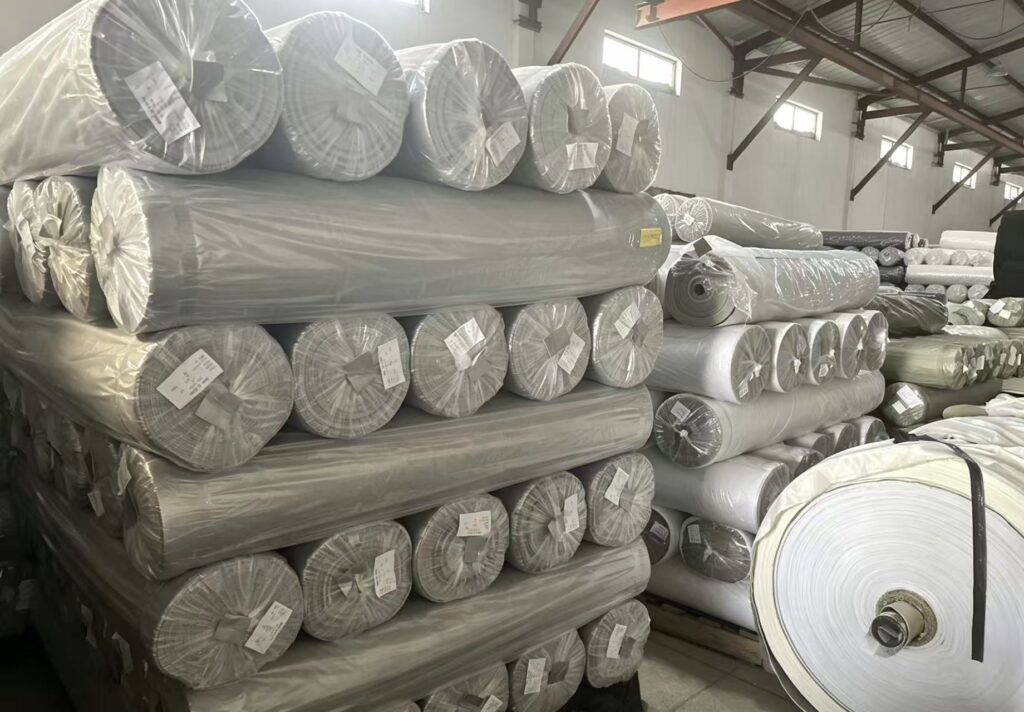
Two buyers can order the same synthetic leather and receive very different freight quotations.
Shipping costs are influenced by shipment volume, weight, destination, transportation method, fuel prices, and seasonal demand.
Many buyers assume shipping costs are calculated solely by weight. In reality, several factors contribute to the final freight quotation.
The first factor is shipment volume. Synthetic leather is relatively heavy, but it also occupies considerable space when packed in rolls.
The destination matters as well. Shipping to Los Angeles is very different from shipping to Lagos, Luanda, or inland European cities.
Transportation method also plays a major role. Air freight can cost several times more than sea freight, while courier services are usually the most expensive option for larger shipments.
Market conditions matter too. During peak seasons, freight rates often increase due to higher demand and limited container availability.
Fuel costs, customs procedures, and local port charges can also affect the final landed cost.
This is why experienced buyers request shipping quotations before making purchasing decisions rather than treating freight as an afterthought.
How Long Does Shipping Usually Take?
Many overseas buyers focus on production lead time but forget that shipping itself requires careful planning.
Shipping times vary by destination and transportation method, ranging from a few days by air freight to several weeks by sea freight.
Shipping time depends largely on the destination and the chosen transportation method.
Air freight may deliver materials within a few days, making it ideal for urgent situations. However, speed comes at a premium cost.
Sea freight requires more patience but offers significant savings.
Typical transit times often look something like this:
- Southeast Asia: approximately 1–3 weeks
- United States: approximately 3–6 weeks
- Europe: approximately 4–7 weeks
- Africa: approximately 4–8 weeks
These timelines can vary depending on customs clearance, port congestion, weather conditions, and seasonal demand.
One common mistake among new importers is assuming that shipping begins immediately after placing an order. In reality, production time and shipping time must both be considered when planning inventory.
The smartest buyers plan ahead rather than hoping logistics will perform miracles.
How Can Buyers Reduce Shipping Costs?
Freight costs may seem unavoidable, but there are several practical ways to reduce them.
Consolidating shipments, planning ahead, and choosing the right transportation method can significantly lower logistics expenses.
Reducing shipping costs starts long before the goods leave the factory.
One of the most effective strategies is consolidating purchases. Larger shipments often achieve better freight efficiency than multiple small shipments.
Advance planning also helps. Urgent shipments frequently require expensive transportation methods that could have been avoided with better forecasting.
Packaging optimization can also make a difference. Proper packing methods help maximize container utilization and reduce wasted space.
Whenever possible, buyers should consider full-container shipments instead of repeated small orders. A well-planned container often delivers a lower landed cost per meter of faux leather.
Perhaps most importantly, buyers should discuss logistics options with their supplier early in the purchasing process. Small adjustments can sometimes create surprisingly large savings.
What Shipping Mistakes Should Buyers Avoid?
Many shipping problems are not caused by logistics companies. They start with poor planning.
Common shipping mistakes include unrealistic delivery expectations, focusing only on freight costs, and failing to prepare for peak seasons.
One of the most common mistakes is selecting the cheapest shipping option without considering reliability.
Saving a few hundred dollars on freight means very little if delayed materials stop production or postpone customer deliveries.
Another mistake is ignoring seasonal demand. Before major holidays and peak shipping periods, container space becomes more limited and freight rates often rise.
Some buyers also underestimate customs clearance requirements, resulting in unexpected delays after the shipment reaches its destination.
Poor communication between suppliers, freight forwarders, and buyers can create additional complications.
The most successful importers understand that logistics is part of the purchasing strategy—not simply the final step after production is complete.
Why Does Working With an Experienced Supplier Help?
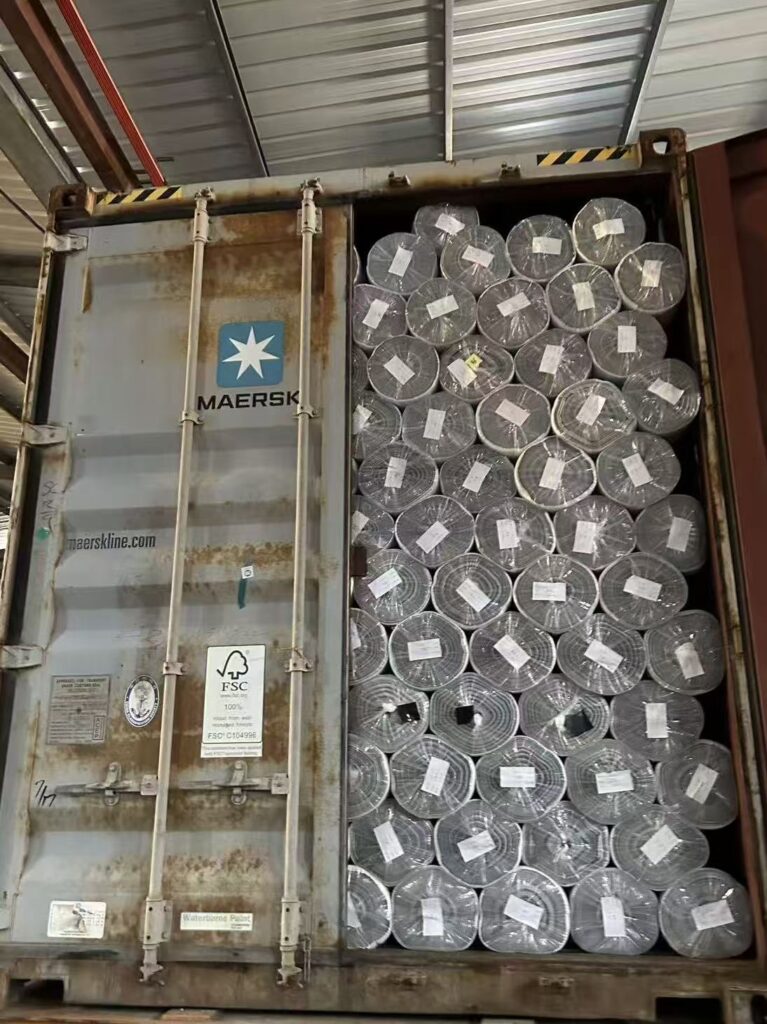
Shipping becomes much easier when your supplier has extensive export experience.
Experienced suppliers can recommend suitable shipping methods, prepare export documents, and help buyers avoid costly logistics mistakes.
International shipping involves much more than loading products into a container.
Documentation, customs requirements, packaging standards, booking schedules, and freight coordination all affect the success of a shipment.
An experienced supplier understands these processes and can provide practical recommendations based on the buyer’s destination, timeline, and budget.
They can also help buyers choose between air freight, sea freight, and other transportation methods while ensuring that packaging and documentation meet export requirements.
At ZD Leather, we regularly support customers across the United States, Vietnam, Angola, Yemen, Ghana, Zimbabwe, Nigeria, and many other markets. Our team helps buyers coordinate production schedules and shipping plans to reduce delays and improve delivery reliability.
Because when it comes to international trade, good logistics is not just about moving products—it is about keeping business moving.
Conclusion
Shipping synthetic leather from China is straightforward when buyers understand transportation methods, costs, and planning requirements. By choosing the right shipping strategy and working with an experienced supplier, buyers can reduce costs, avoid delays, and keep their projects running smoothly.
What is garment leather?
Discover what garment leather is and compare PU, PVC, and natural leather. Learn how comfort, breathability, durability, and cost affect your material choice.
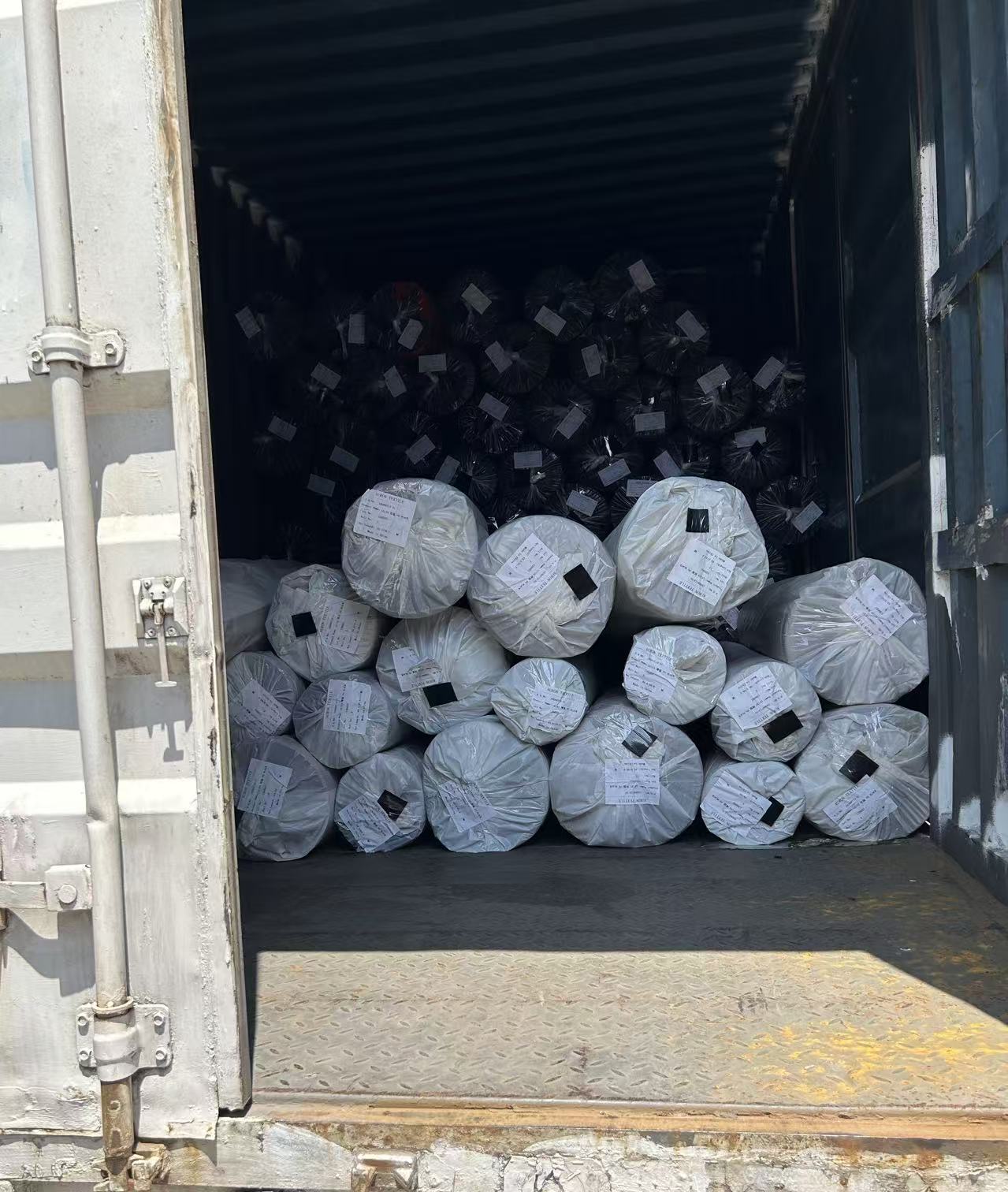
Can you provide special packaging when I import custom synthetic leather from China?
Learn how special packaging for custom synthetic leather can be arranged, including roll length, labels, plastic bags, markings, and shipping requirements.
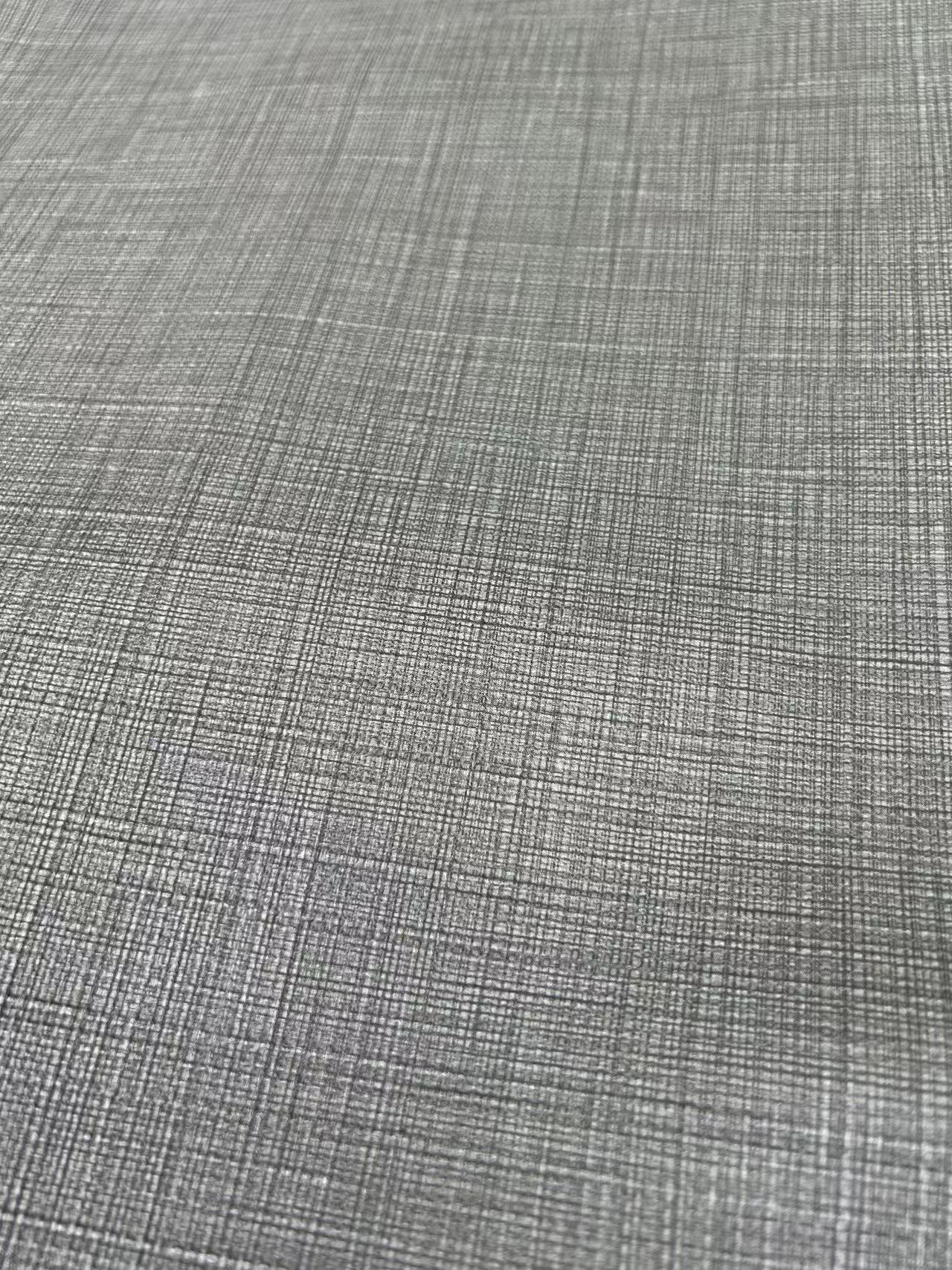
Can You Create a Custom Leather Grain Pattern When Importing Synthetic Leather from China?
Want a unique leather grain for your products? Discover how custom synthetic leather grain patterns are developed from samples using advanced vacuum texture transfer technology.