
How durable is artificial leather in sofa applications?
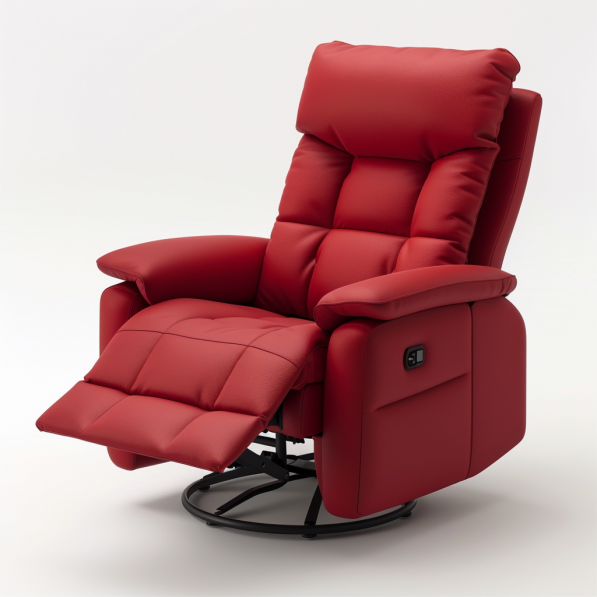
Sofas face constant use—scratches, friction, sunlight, kids, pets, and sometimes snacks that shouldn’t be on the sofa. Traditional fabrics wear quickly, creating headaches. High-quality PVC/PU artificial leather solves this with stronger resistance to wear and aging.
Artificial leather offers excellent durability with scratch resistance, anti-aging properties, and stable performance, making it ideal for long-life sofa upholstery.
Durability is one of the strongest reasons sofa factories choose artificial leather. Modern PVC and PU materials are engineered to withstand heavy daily use. They resist scratching, cracking, peeling, and fading much better than many low-end fabrics or semi-processed leather substitutes.
For manufacturers, this means fewer complaints, fewer returns, and a longer product lifecycle. For hotels, apartments, and commercial seating, durability directly affects long-term cost.
With advanced coating technology, high-quality artificial leather—sometimes referred to as synthetic leather—can also resist UV exposure and maintain its color and softness longer. In short, it’s built to survive real life, not showroom life.
Is artificial leather easier to clean and maintain?
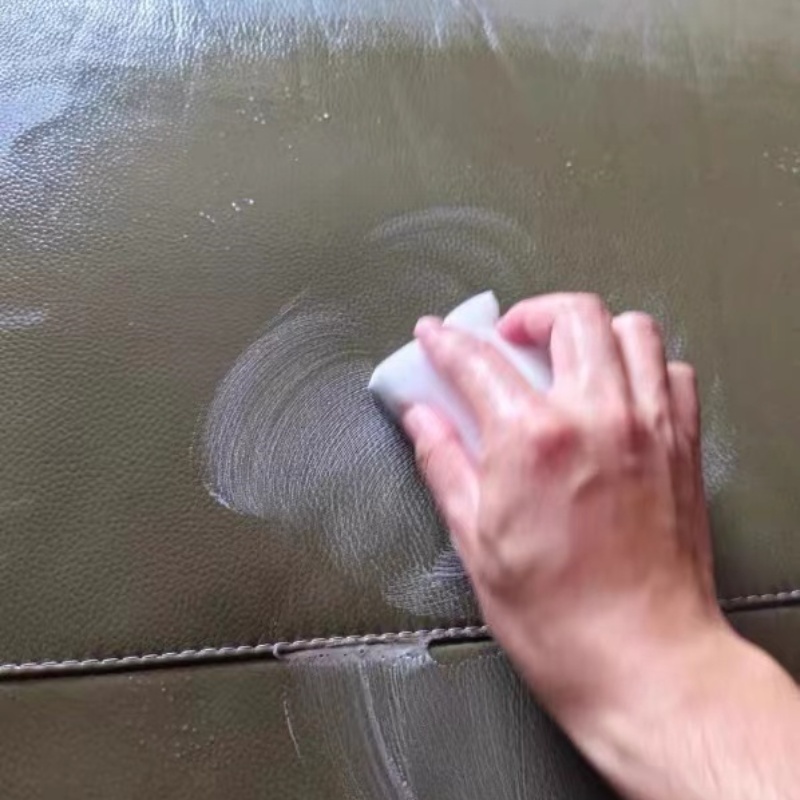
Real leather fears water, stains, and oils. Fabric loves absorbing everything. Cleaning becomes a battle. These problems grow for families and commercial furniture. Artificial leather solves this with easy maintenance.
Artificial leather is waterproof, stain-resistant, and quick to clean—making maintenance significantly easier than real leather.
Yes—cleaning artificial leather is almost too easy. Most spills can be wiped with a damp cloth, and even tough stains like pen marks or food smudges are easier to remove than on real leather.
This makes artificial leather extremely popular for sofas used in homes with kids and pets, rental apartments, cafés, offices, and hotels.
Real leather requires expensive care products. Fabric requires deep cleaning. Artificial leather? Just wipe and carry on.
For sofa factories, this low-maintenance advantage is a major selling point: customers love it, warranty claims decrease, and the long-term appearance stays fresh.
Some buyers still describe it as synthetic leather, but the cleaning benefits are identical.
Can artificial leather offer more colors and patterns for sofas?
Real leather looks great, but its colors and patterns are limited by nature. Designers want more options. Procurement teams feel the pressure. Artificial leather solves this with endless creativity.
Artificial leather offers wide customization: any color, texture, gloss level, or special finish can be produced to match design trends
This is where artificial leather truly shines. With PVC and PU materials, sofa manufacturers get textures like litchi, Nappa, crazy horse, lambskin, embossed grains, and modern minimalist finishes.
Colors can follow any trend—earth tones, luxury neutrals, fashion brights, vintage effects, matte, high-gloss—whatever designers imagine can usually be produced.
For B2B buyers, this flexibility is priceless. Instead of waiting for nature to “produce” the right hide, factories like ZD Leather can make large volumes of the same texture, same color, and same surface treatment.
This ensures consistency across mass production. Whether a customer calls it artificial leather or synthetic leather, the design flexibility remains unmatched.
Is artificial leather more cost-effective for sofa manufacturers?
Real leather prices jump like a roller coaster. Factories feel pressure, profits shrink, and customers hesitate. Artificial leather provides a stable, affordable alternative.
Artificial leather offers lower cost, stable pricing, and consistent supply—ideal for large-scale upholstery production.
Cost is one of the biggest reasons procurement teams choose artificial leather. PVC and PU materials are significantly more affordable than genuine leather, allowing brands to offer premium-looking products at accessible prices.
Even better, the price stays stable—no sudden spikes caused by hide shortages.
Artificial leather also has higher material yield: no scars, no holes, no irregular shapes. Every meter can be used efficiently, reducing waste and improving production output.
In short, artificial leather (or synthetic leather, depending on buyer preference) helps manufacturers control cost without sacrificing quality or appearance.
Does artificial leather meet today’s environmental standards?
Some low-end leather substitutes in the past raised environmental concerns. This increased pressure on brands needing certifications. Modern high-quality artificial leather solves these issues.
High-grade artificial leather can meet REACH, RoHS, and various international environmental standards.
Today’s sofa manufacturers face stricter environmental requirements, especially when exporting to Europe or the US. High-quality PVC and PU artificial leather from factories like ZD Leather can meet REACH, RoHS, anti-yellowing, anti-bacterial, and low-VOC standards.
This makes it a safe, compliant choice for home furniture, commercial seating, senior care facilities, hospitality projects, and more.
Controlled production also reduces environmental impact compared to traditional leather tanning.
Simply put, modern artificial leather—often listed interchangeably with synthetic leather in certification documents—is cleaner, safer, and more consistent.
Can artificial leather match real leather for sofa applications?

Many sofas use real leather only on contact areas to save cost. But if the PVC doesn’t match, the final product looks cheap. This creates stress. ZD Leather solves this problem.
ZD Leather can customize PVC artificial leather to match any real leather in color, texture, and gloss—creating a seamless visual pair.
Yes—and this is one of ZD Leather’s strongest specialties. Many high-end sofas use real leather for touch areas while using artificial leather on non-contact areas to reduce cost.
The challenge? Real leather varies in grain, color, and gloss.
ZD Leather solves this by custom-matching PVC leather based on the customer’s real leather sample. We match:
Texture (litchi, Nappa, lambskin, flat grain, etc.)
Color tone (light, deep, warm, cool)
Gloss level (matte, semi-matte, shiny)
The result is a nearly identical look—real leather on key touch zones, artificial leather elsewhere—saving cost while keeping the sofa premium.
Some buyers describe the matched material as synthetic leather, but the pairing effect is the same.
Conclusion
Artificial leather offers durability, easy care, rich design options, cost savings, environmental compliance, and precise matching with real leather. For sofa makers, it provides modern performance with consistent quality—making it one of the smartest upholstery choices in today’s furniture industry.
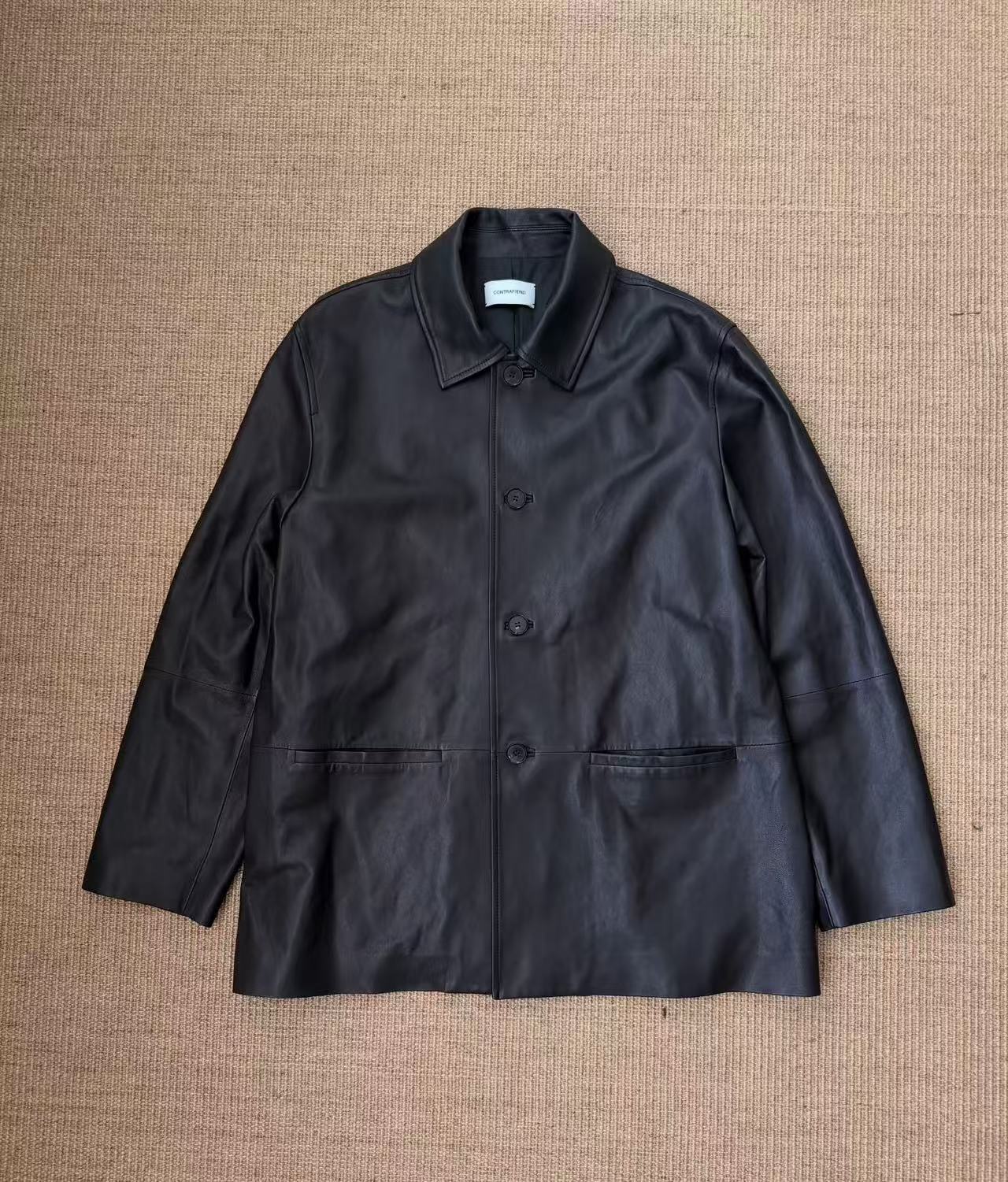
What is garment leather?
Discover what garment leather is and compare PU, PVC, and natural leather. Learn how comfort, breathability, durability, and cost affect your material choice.
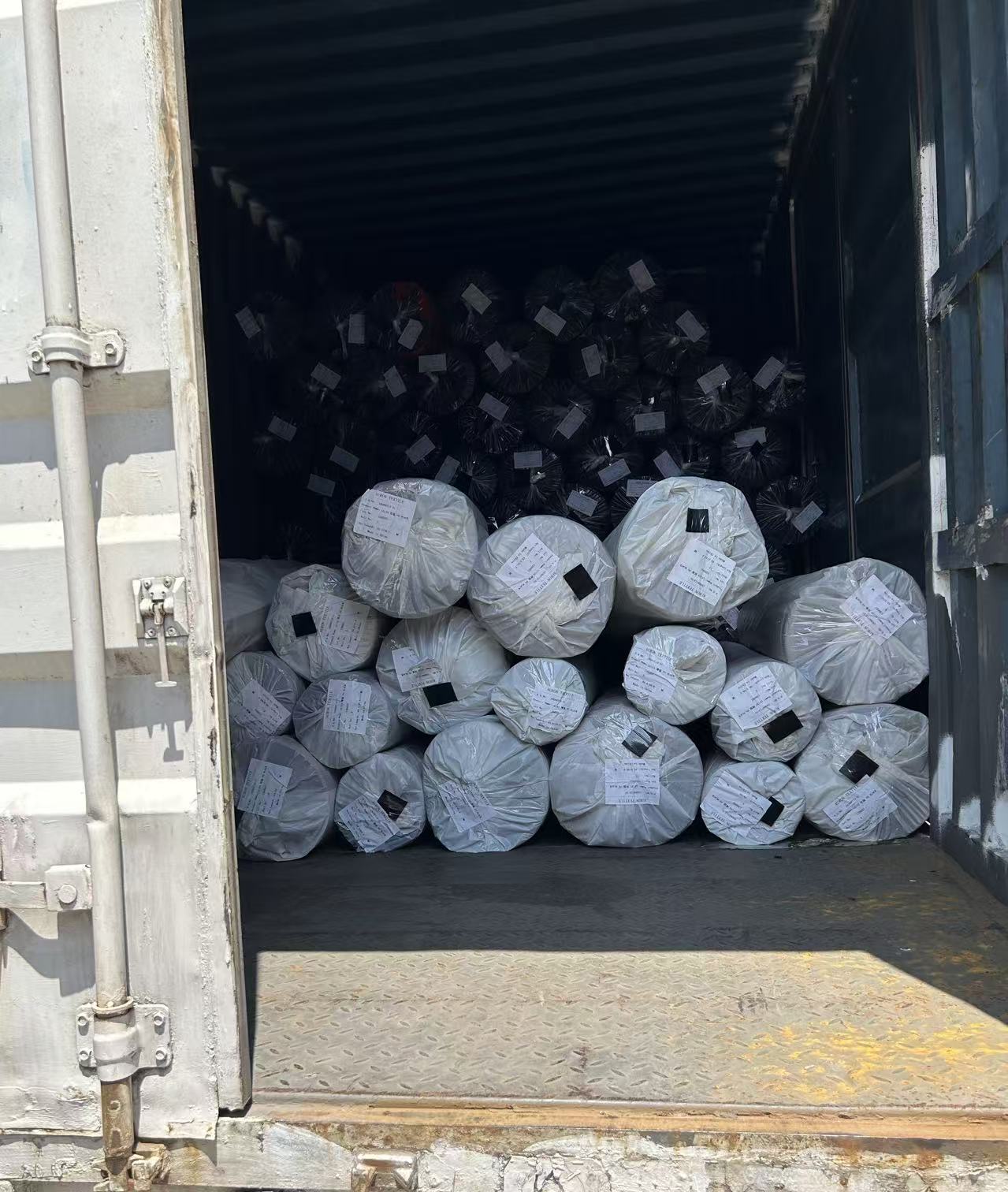
Can you provide special packaging when I import custom synthetic leather from China?
Learn how special packaging for custom synthetic leather can be arranged, including roll length, labels, plastic bags, markings, and shipping requirements.
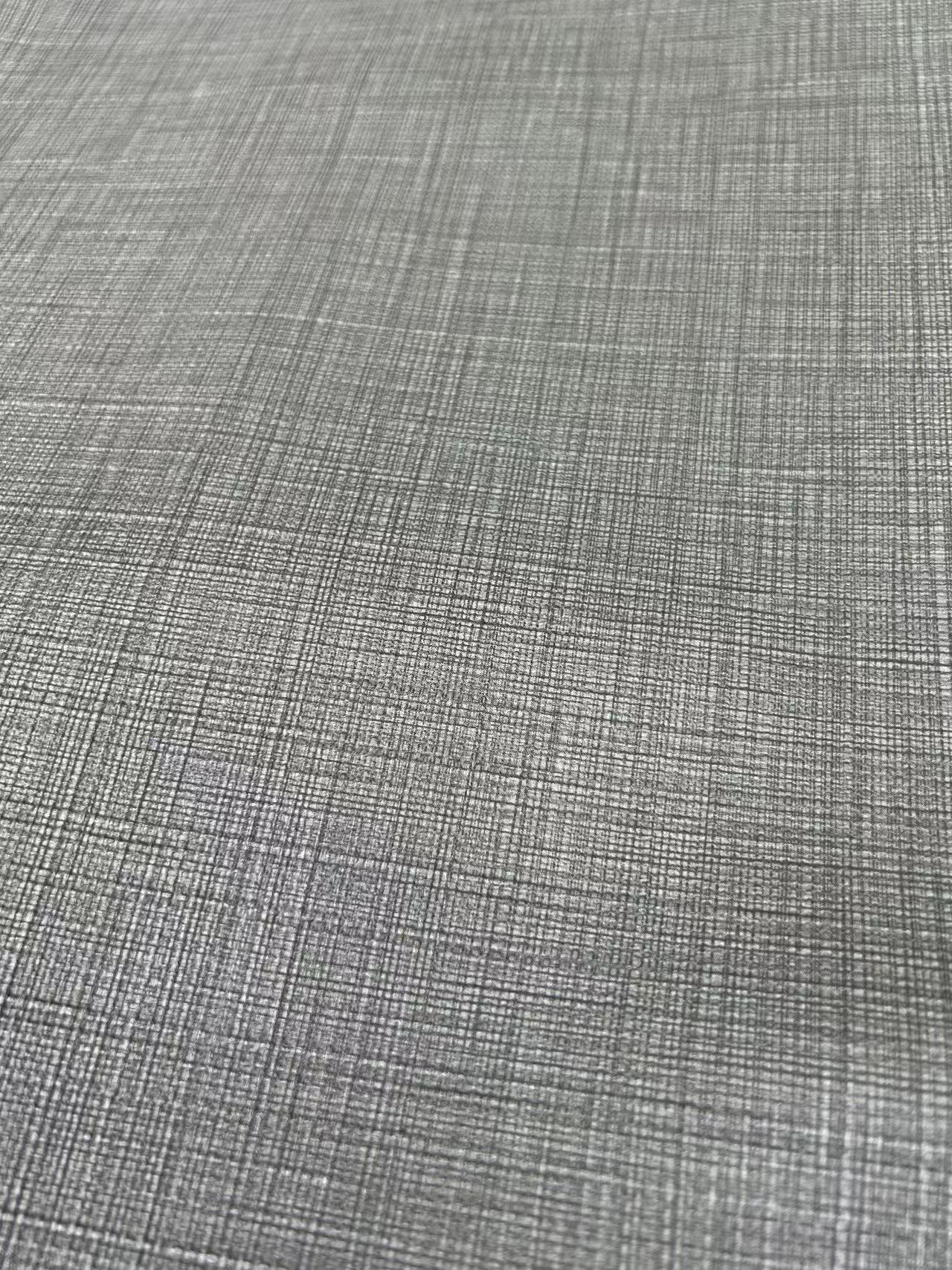
Can You Create a Custom Leather Grain Pattern When Importing Synthetic Leather from China?
Want a unique leather grain for your products? Discover how custom synthetic leather grain patterns are developed from samples using advanced vacuum texture transfer technology.