Why Does Faux Leather Safety Matter?

You touch faux leather every day on sofas, car seats, and bags. Low-quality artificial leather may contain VOCs or heavy metals. Choosing safe, certified materials protects your health and indoor air quality.
Faux leather safety matters because it directly affects skin contact, indoor air quality, and long-term product reliability.
Faux leather isn’t just something you look at—it’s something you sit on, lean against, and often smell. That means its safety has a real impact on your daily life. Poor-quality synthetic leather may release unpleasant VOCs, fade quickly, or contain questionable additives. High-quality faux leather, on the other hand, is engineered under strict formulas so every batch remains predictable and controlled—something natural leather cannot always guarantee.
For buyers in furniture, automotive, or bags, safety affects brand trust as well. Customers expect products to be odor-free, skin-safe, and stable in different climates. This is why responsible manufacturers, including ZD Leather, use eco-friendly plasticizers, low-VOC formulas, and third-party testing to ensure their artificial leather is safe, durable, and suitable for long-term contact.
What Environmental Standards Should You Check?
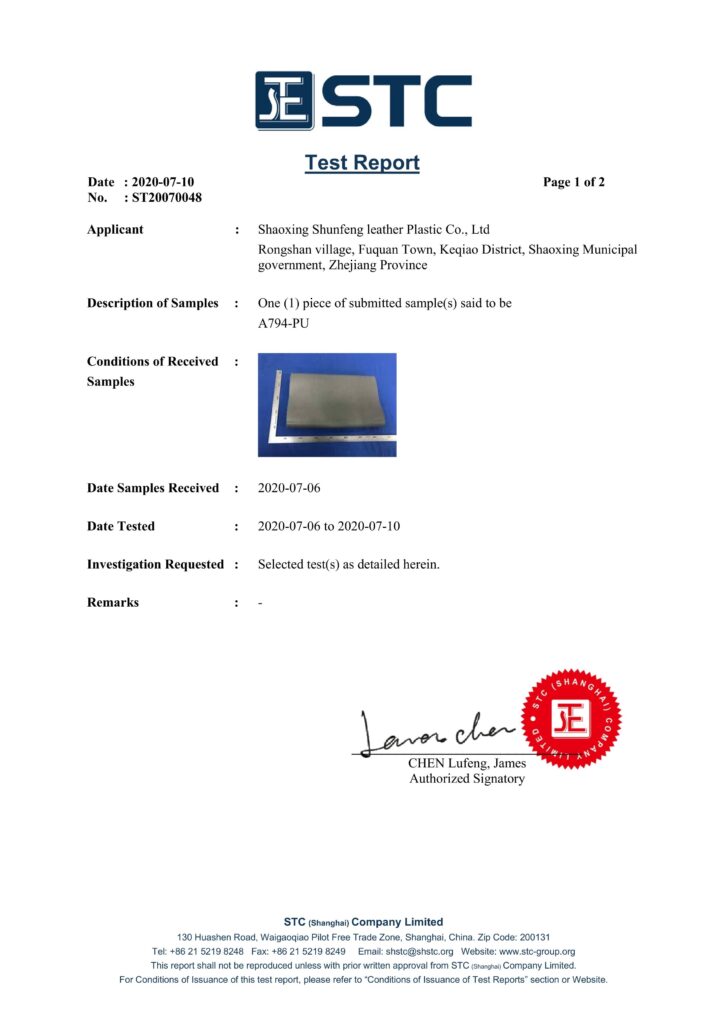
There are so many certifications that buyers often feel overwhelmed. Some suppliers even present outdated or questionable documents. Knowing the essential standards helps you instantly filter reliable faux leather materials.
The most important certifications for faux leather include REACH, RoHS, OEKO-TEX Standard 100, and California Proposition 65.
Here are the key global standards you should look for when evaluating synthetic leather:
• REACH (EU):
Controls harmful substances such as phthalates, formaldehyde, heavy metals, and other chemicals. It is one of the strictest regulations in the world and ensures your faux leather will not release dangerous substances.
• RoHS:
Originally created for electronics but now relevant for coated fabrics as well. It restricts heavy metals such as lead, mercury, and cadmium commonly found in low-grade artificial leather.
• OEKO-TEX Standard 100:
Focuses on human contact safety—meaning the material is safe for skin, babies, and sensitive users.
• California Proposition 65:
Regulates chemicals that may cause long-term health risks. If your faux leather passes this, it’s compliant even under strict U.S. rules.
ZD Leather routinely tests materials according to these standards to meet global export requirements.
Is PVC Faux Leather Safe When Manufactured Properly?
PVC is one of the most misunderstood materials. Many people think “PVC smell = toxic,” making buyers nervous. But properly formulated PVC faux leather can be extremely safe.
PVC faux leather is safe when produced with eco-friendly plasticizers, low-VOC processes, and verified third-party testing.
PVC has a bad reputation mainly because of old-style production methods that used cheap plasticizers. Today, high-quality PVC synthetic leather—like the type produced by ZD Leather—uses non-toxic, eco-friendly plasticizers, controlled VOC emissions, and stable batch formulas.
Important factors include:
• Odor control:
Smell is not equal to toxicity. Proper curing significantly reduces VOCs.
• Eco-friendly additives:
Modern DOP-free plasticizers improve flexibility without harmful side effects.
• Stability:
Quality PVC faux leather can withstand sunlight, heat, moisture, and daily wear without breaking down.
• Testing:
Third-party lab reports verify every performance and safety claim.
As long as it meets global standards, PVC artificial leather is a safe, reliable, and highly customizable material.
How Can You Verify a Supplier’s Safety Compliance?
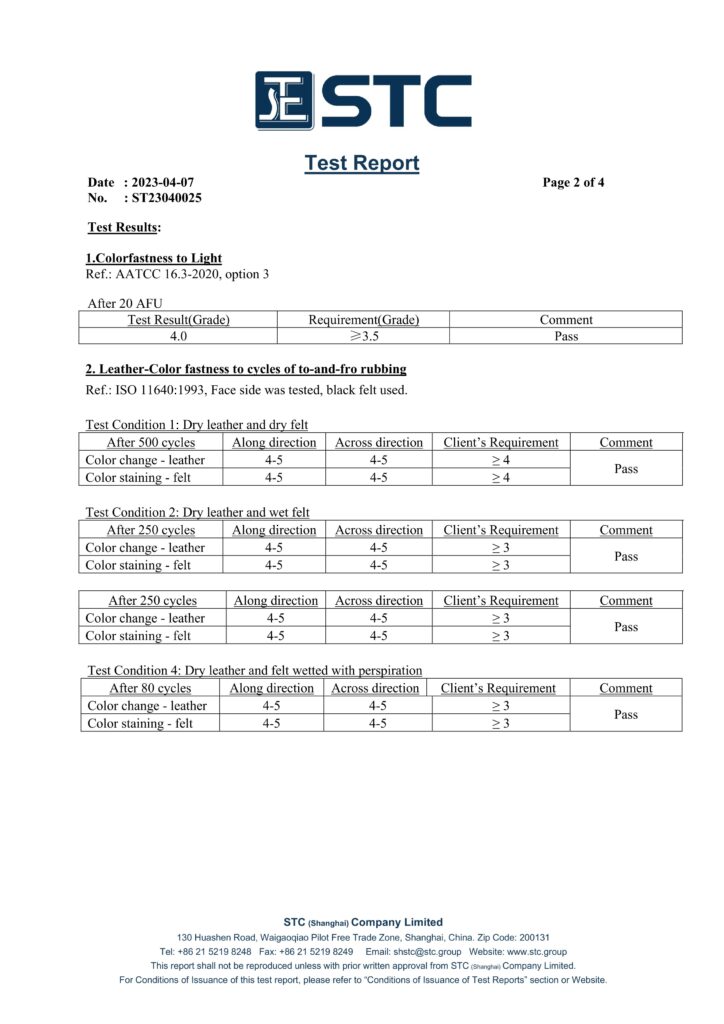
Not all certificates are trustworthy. Many buyers receive outdated or templated documents, causing compliance issues later. A simple verification process helps you avoid high-risk faux leather suppliers.
Check test report authenticity, verify batch numbers, and request physical samples to confirm real-world performance.
If you want to ensure you’re buying safe, compliant synthetic leather, follow these steps:
Verify test reports online
Most official certificates—like REACH or OEKO-TEX—can be checked on the issuing lab’s website using the report ID. If the number doesn’t appear, that’s a warning sign.Ask for batch-specific reports
Real manufacturers test each production batch. If a supplier only provides old or undated documents, proceed with caution.Request real samples
Safety isn’t just paperwork—you can feel and smell quality. ZD Leather offers customized faux leather samples so buyers can evaluate odor, softness, stretch, and durability before ordering.
These steps help you avoid unreliable suppliers and ensure you’re choosing materials that meet global safety standards.
Conclusion
Faux leather is safe when manufactured responsibly and tested under trusted global standards. By understanding certifications and verifying supplier credibility, you can confidently choose synthetic leather or artificial leather that meets your safety, environmental, and performance needs.
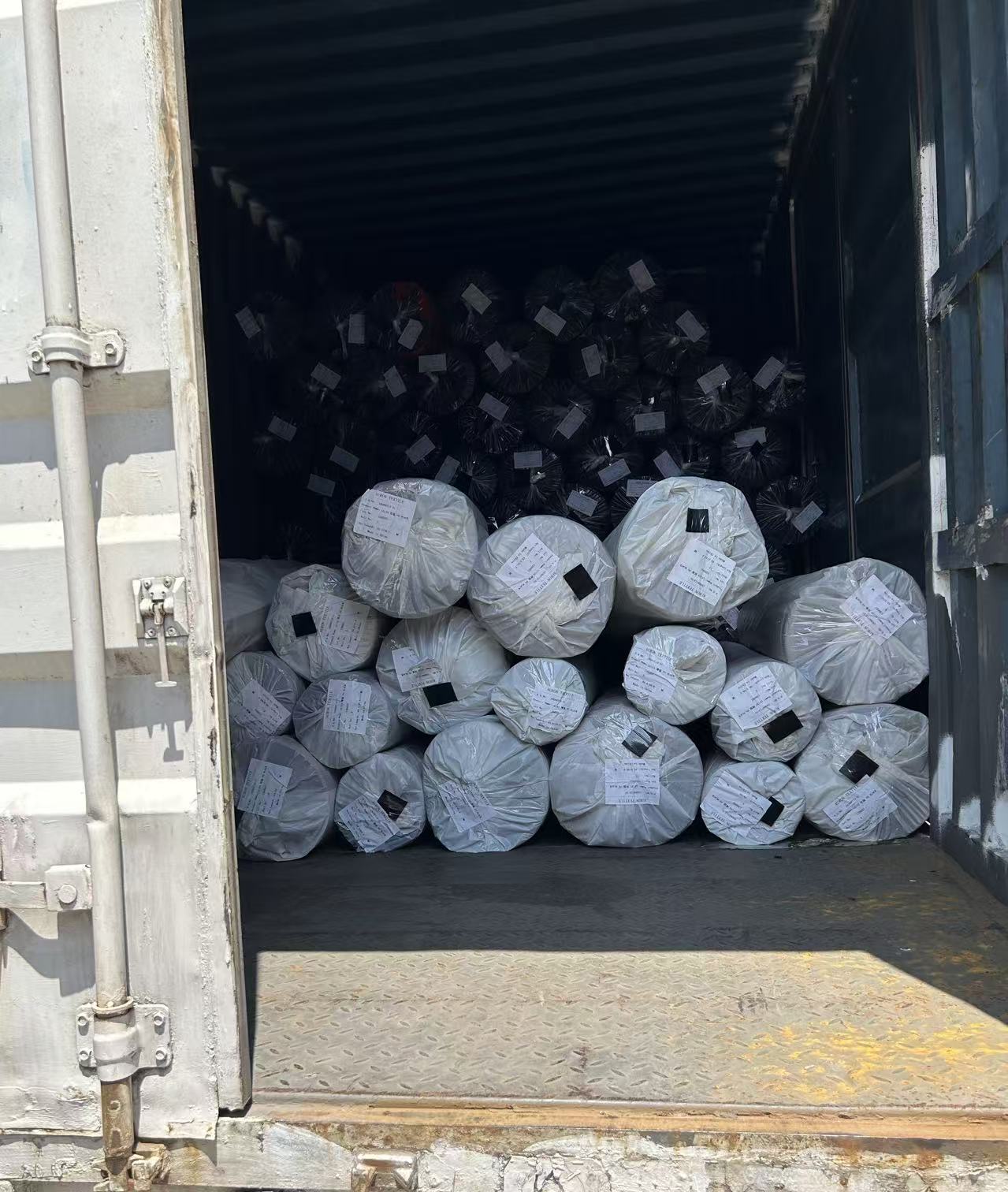
Can you provide special packaging when I import custom synthetic leather from China?
Learn how special packaging for custom synthetic leather can be arranged, including roll length, labels, plastic bags, markings, and shipping requirements.
Can You Create a Custom Leather Grain Pattern When Importing Synthetic Leather from China?
Want a unique leather grain for your products? Discover how custom synthetic leather grain patterns are developed from samples using advanced vacuum texture transfer technology.

Sea Freight or Air Freight for Synthetic Leather: Which Should You Choose?
Not sure whether to ship synthetic leather by sea or air? Compare costs, transit times, advantages, and practical tips to choose the best shipping method for your business.