
Why Is the Term “Rexine Leather” Still Used in Modern Inquiries?

The term sounds familiar.
But familiarity hides risk.
And outdated language often masks unclear requirements.
“Rexine leather” persists mainly due to habit, not technical accuracy, especially in price-driven or non-specialist markets.
From what we’ve seen, many buyers continue using “rexine leather” because it appears in old catalogs, local market language, or historical trade terms. It is often passed down without being questioned.
In practice, the term is rarely used as a technical specification. Most buyers using it are not referring to a defined structure, coating system, or performance standard. They are describing a look or price expectation, not a material formula.
This is common among distributors, furniture traders, and emerging-market buyers who prioritize appearance and cost over construction details.
What Do Buyers Usually Mean When They Say “Rexine Leather”?
The word sounds specific.But the intent usually isn’t.The real requirement hides in the application.
Most “rexine leather” inquiries actually point to application-driven synthetic leather needs, not a specific material type.
In most cases, buyers asking for rexine leather are actually looking for synthetic leather suitable for a clear end use—such as sofas, automotive seats, bags, or commercial upholstery.
What they truly care about includes thickness range, surface texture, backing fabric, abrasion resistance, and target price. The term itself is secondary.
Once we shift the discussion to where and how the material will be used, the correct PVC or PU synthetic leather solution becomes much clearer.
Why Is “Rexine Leather” Alone Not Enough for Accurate Quotation?
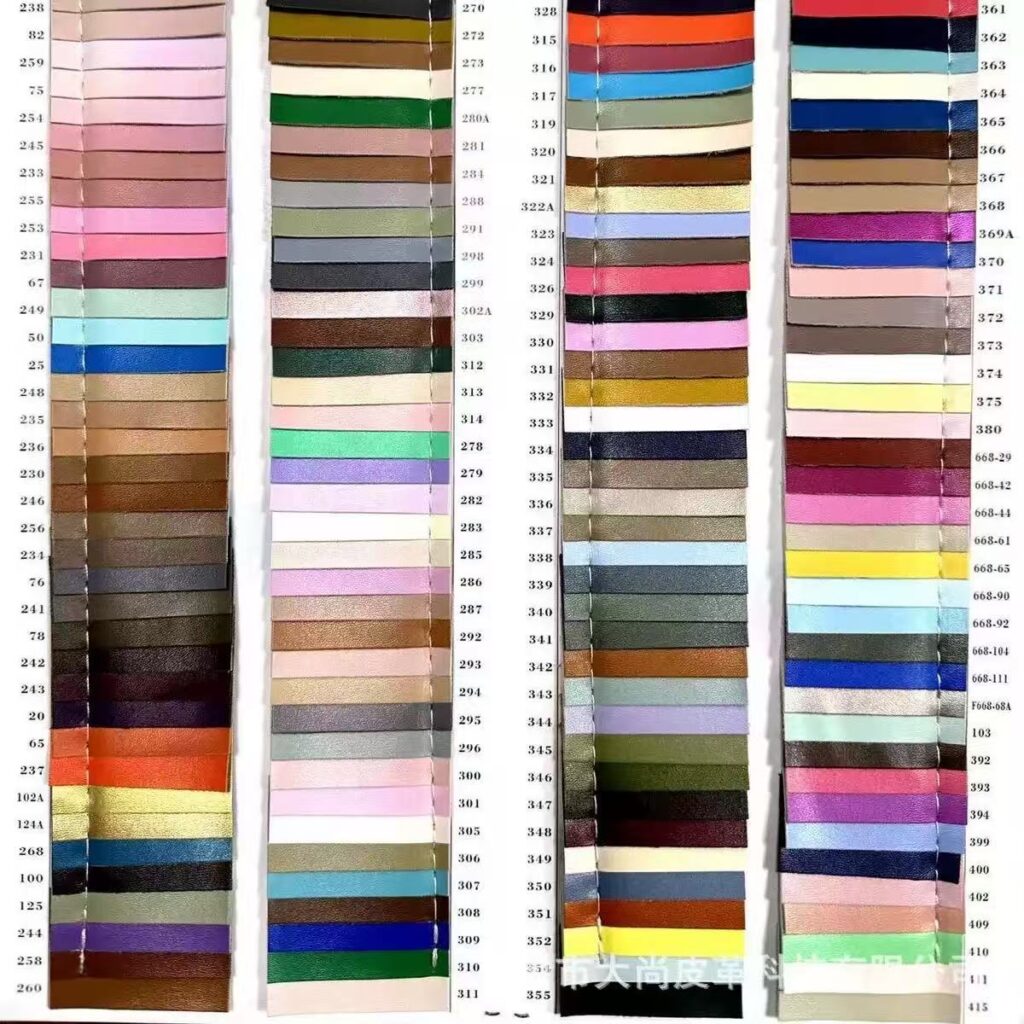
One word.Too many possibilities.And pricing errors are inevitable.
Without end-use details, “rexine leather” cannot support accurate synthetic leather pricing or sampling.
Synthetic leather for furniture, automotive interiors, and bags can differ greatly in coating thickness, base fabric, durability standards, and cost structure.
Using “rexine leather” without usage details forces assumptions. We’ve seen this lead to mismatched samples, rejected bulk orders, and wasted negotiation cycles.
A sofa-grade PVC leather and an automotive-grade synthetic leather may look similar at first glance—but their performance requirements and production costs are entirely different.
How Do We Handle “Rexine Leather” Inquiries in Real Projects?

Correcting terms slows communication.Clarifying use speeds decisions.That’s where we focus.
We prioritize application clarification over terminology correction when handling rexine leather inquiries.
Instead of debating whether “rexine leather” is correct, we guide buyers through practical questions: application, thickness, surface feel, durability needs, and target market.
Once these are clear, we recommend the most suitable synthetic leather solution—PVC or PU—based on real production feasibility, not labels.
This approach reduces back-and-forth, avoids wrong sampling, and ensures pricing reflects the actual material required.
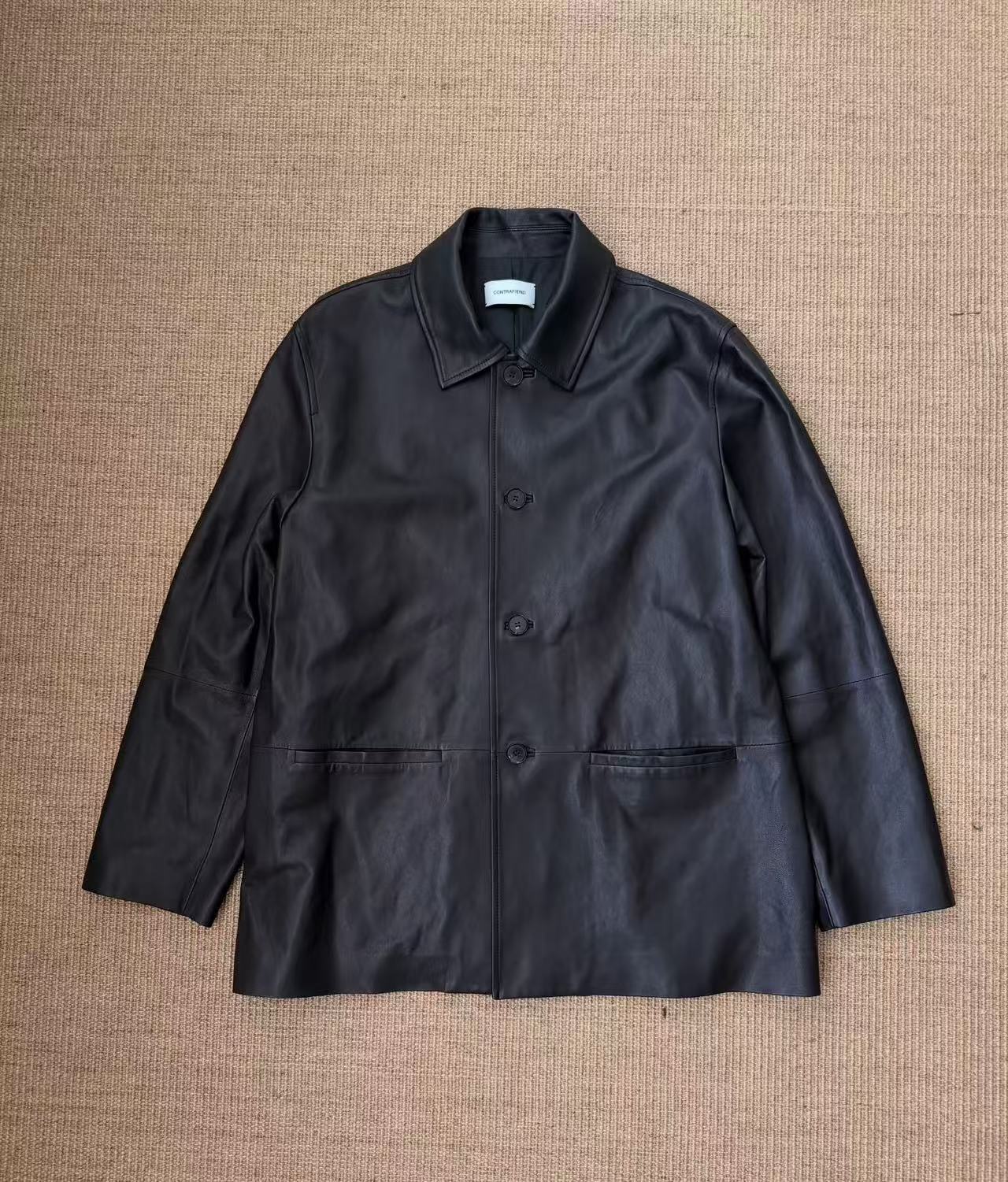
What is garment leather?
Discover what garment leather is and compare PU, PVC, and natural leather. Learn how comfort, breathability, durability, and cost affect your material choice.
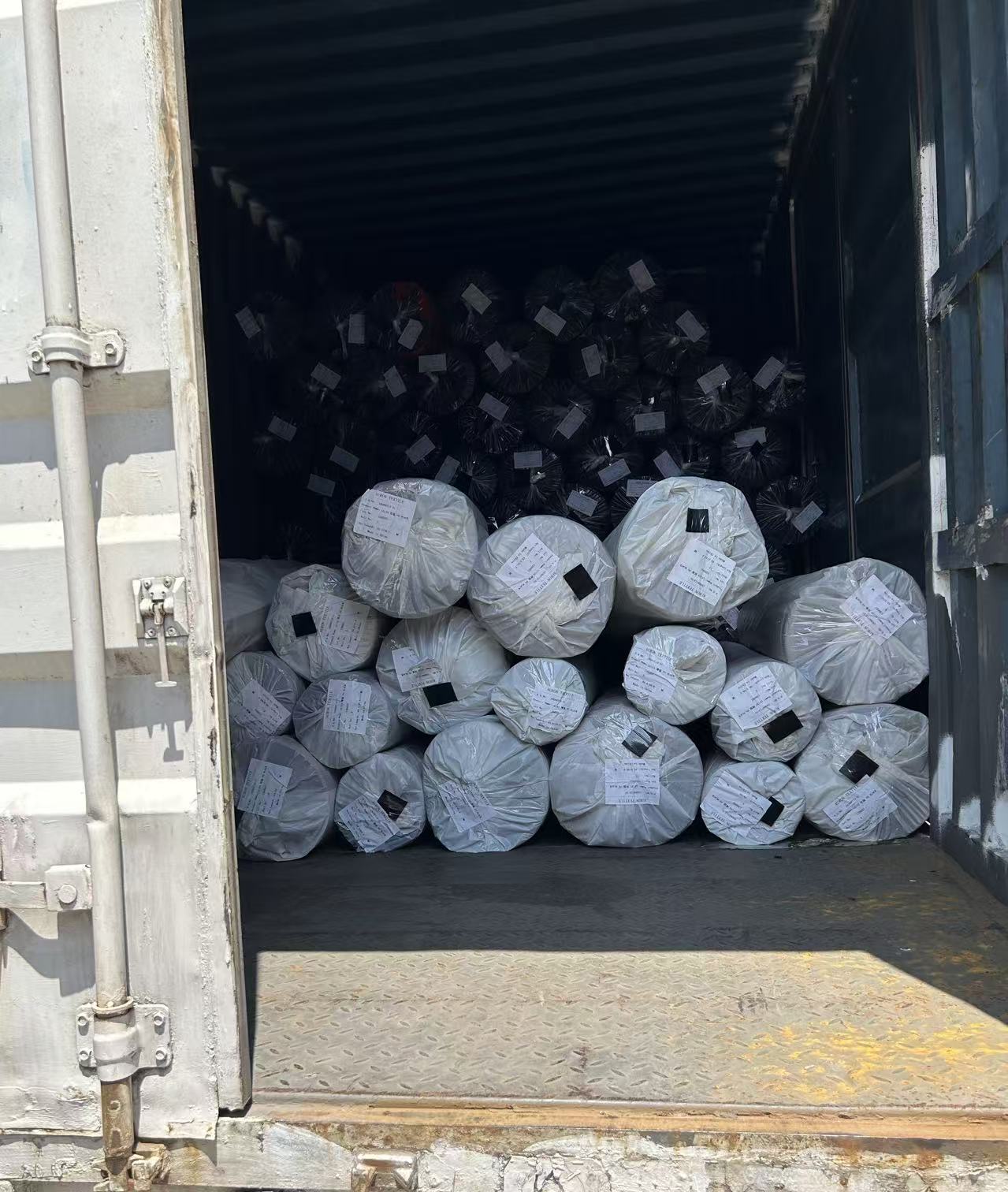
Can you provide special packaging when I import custom synthetic leather from China?
Learn how special packaging for custom synthetic leather can be arranged, including roll length, labels, plastic bags, markings, and shipping requirements.
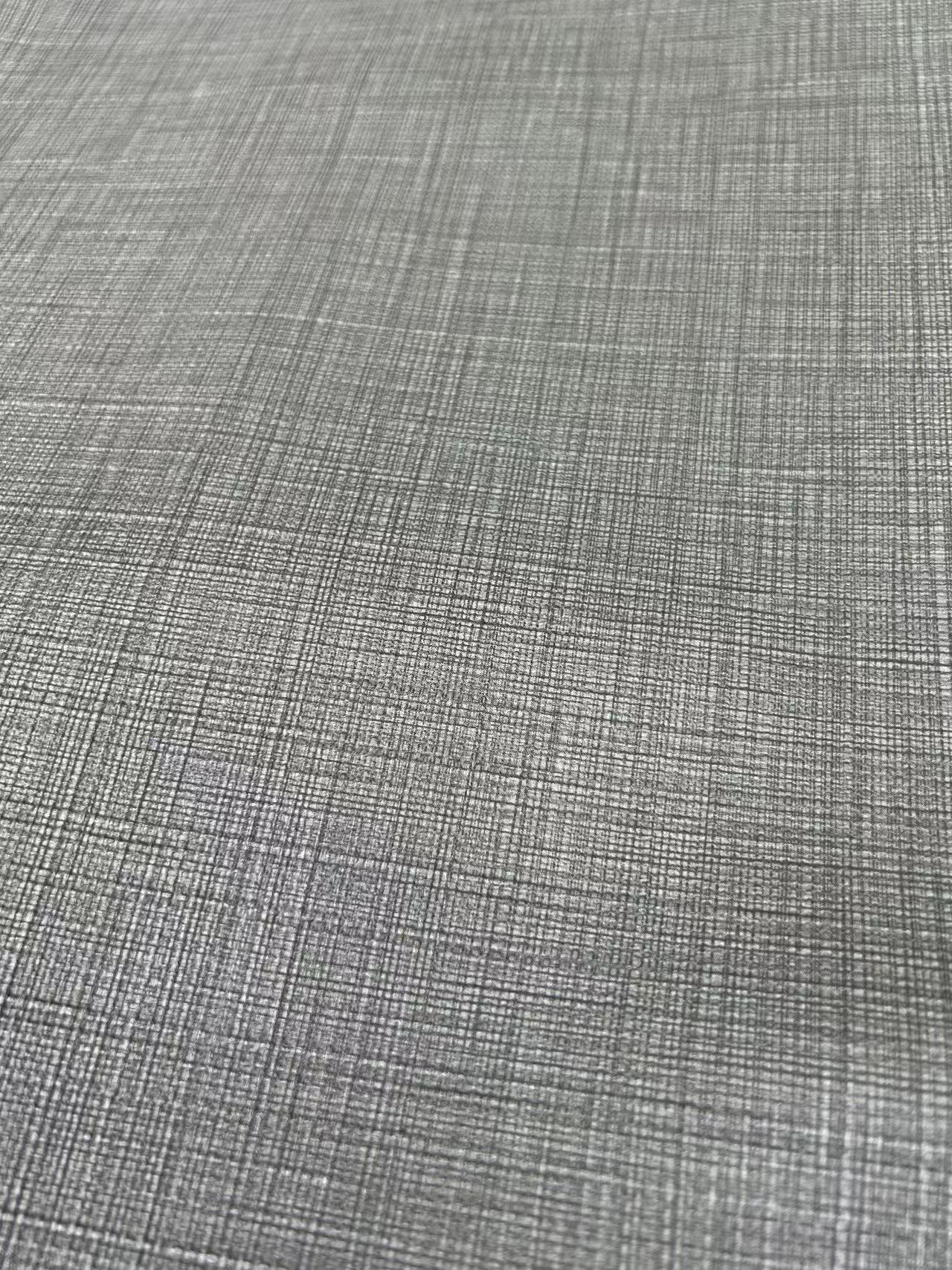
Can You Create a Custom Leather Grain Pattern When Importing Synthetic Leather from China?
Want a unique leather grain for your products? Discover how custom synthetic leather grain patterns are developed from samples using advanced vacuum texture transfer technology.