
Is “Rexine leather” a material or just a trade name?
We hear “Rexine” on calls every week. The problem is that the term means different things to different people. That gap turns simple orders into arguments. The solution is to treat “Rexine leather” as a naming habit, not a technical spec.
“Rexine leather” is a historical/region-specific trade name for synthetic coated fabrics. It is not an international standard or certification. Some buyers use it to mean PVC leather, others mean PU, and some mean any faux leather. Always replace “Rexine” with explicit polymer and construction details in contracts.
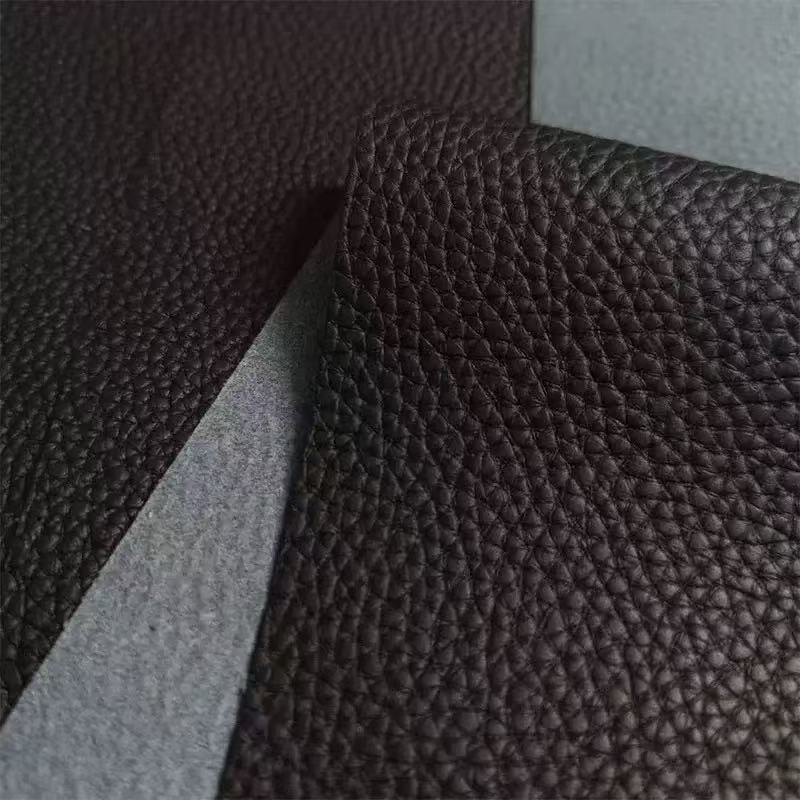
What “Rexine” is and isn’t
- Historically, Rexine was a British brand for cloth-coated “leatheroid” used in bookbinding and upholstery.
- In South Asia and many African/Middle Eastern markets, “Rexine” became a generic word for synthetic leather.
- Today, the word appears on POs, WhatsApp chats, and product stickers—often with zero technical context.
What “Rexine leather” does not provide:
- No guarantee of polymer: it can be PVC or PU.
- No implied performance grade: nothing about abrasion, hydrolysis, or breathability.
- No construction details: backing type, gsm, thickness, and coating layers are unknown.
I once had two buyers argue in the same meeting. One insisted “Rexine” means PVC only. The other insisted it means PU because “PVC cracks.” Both were partly right—and both were wrong for procurement. The word is convenient in conversation, but it is dangerous on a PI. If you must use it in a catalog, pair it with the real spec on the back page.
Key takeaway: Treat “Rexine leather” as a legacy nickname. Convert it into a real specification before sampling or booking a container.
How does PVC leather differ from PU in the real world?
Customers ask this weekly because “Rexine leather” hides the important differences. The risk is that you assume “Rexine” equals PVC or PU and get the wrong handfeel or durability. The fix is to compare polymer systems, not brand words.
PVC leather uses a polyvinyl chloride coating; PU leather uses polyurethane.PVC tends to be more economical, less breathable, and more plasticizer-dependent; PU tends to feel softer, breathe better, and resist hydrolysis better at higher cost. None of these differences can be assumed from “Rexine leather” alone—specify the polymer.
PVC vs PU at a glance
Below is a practical comparison we use when guiding buyers. These are typical tendencies, not guarantees. Always verify with lab tests for your application.
| Factor | PVC Leather (PVC synthetic) | PU Leather (Polyurethane) |
|---|---|---|
| Polymer base | Polyvinyl chloride | Polyurethane |
| Handfeel | Firmer by default; can be softened | Softer, more “leathery” |
| Breathability | Lower | Higher |
| Hydrolysis resistance | Moderate; heat-sensitive with wrong plasticizers | Generally better, but varies by PU type |
| Cold crack | Needs care in cold climates | Often better low-temperature flexibility |
| Cost range | Typically lower | Typically higher |
| Surface | Strong emboss retention; glossy to matte | Natural grain feel; excellent drape |
| Odor | PVC/plasticizer note | Mild solvent note if solvent PU; water-based PU lower odor |
| Common use | Bags, furniture, bookbinding, promo goods | Footwear uppers, furniture, automotive interiors, bags |
A few reality checks from the factory floor:
- A “soft PVC” can feel more premium than a cheap PU. Price is not a guarantee of performance.
- A low-grade PU in a humid climate can hydrolyze fast. A well-formulated PVC can outlast it in certain uses.
- “Breathable” matters for footwear and seat contact areas. For book covers or bar stools, breathability matters less than abrasion and colorfastness.
Most importantly: You cannot tell PVC vs PU from the word “Rexine leather.” You can only tell by polymer declaration, construction, and test results.
Why can “Rexine leather” cause procurement disputes?
I have lived this. A buyer typed “Rexine” on the PI and thought that meant PU with warp knit backing. The factory made PVC with nonwoven backing. Both parties felt correct. The container landed, and the argument got expensive.
“Rexine leather” causes disputes because it is ambiguous. Without a specified polymer and construction, sample and bulk can diverge in polymer, backing, and thickness. The fix is to convert “Rexine” into a spec before PO, tie the spec to a sample reference, and inspect against those fields.

A real-world (anonymized) case from our shop
- Background: A trader requested “1.0 mm Rexine” for school bags. Sample was a soft, matte grey swatch. The PI line read: “Rexine 1.0 mm, grey.”
- Divergence: The initial sample was PU on warp knit (soft hand). The bulk ran PVC on nonwoven (still 1.0 mm, grey), which met the local purchasing habit for “Rexine.”
- Result: The importer flagged polymer mismatch and weaker tear strength. The supplier pointed to the PI wording. Both had a point. Time and money were lost.
How we resolved it:
- We rewrote the PI to state polymer and construction clearly: “Material: PVC synthetic leather (NOT PU / NOT genuine leather); Backing: knitted, 160 gsm; Thickness: 1.0 ± 0.1 mm; Structure: foam + top coat.”
- We re-sampled to match those fields. Both sides signed the sample card and stapled it to the PI.
- We booked production only after alignment. The repeat order ran without drama.
Lesson learned: Words like “Rexine leather” belong in conversation, not as the final definition on a contract. Contracts need polymer, backing, thickness, structure, and sample reference. That is how you avoid claims.
What specs should I write instead of “Rexine leather” on the PI?
If you write only “Rexine,” the factory will fill the blanks for you. You may not like the result. The solution is a one-page checklist that makes the material measurable and enforceable.
Replace “Rexine leather” with explicit fields: polymer (PVC or PU), backing type and gsm, total thickness with tolerance, and coating structure. Add color/emboss code, sample reference, and test requirements. Tie the PI to the approved swatch so production cannot drift.
How do I test and verify PVC vs PU before shipment?
Trust is good. Verification is better. When “Rexine leather” appears on a PI, I insist on polymer checks. The risk is shipping a container and discovering the wrong polymer in customs or at the customer’s line. The fix is simple shop-floor steps plus, when needed, a lab test.
Verify polymer by declaration, quick screening, and third-party lab when stakes are high. Check backing gsm, total thickness, and adhesion against your PI. Do not rely on touch alone. Tie inspection to your sample reference and document results with photos and measurements.

Practical verification workflow
- Paperwork first:
- Supplier polymer declaration: PVC or PU.
- MSDS and plasticizer type for PVC if required by your market.
- Quick shop-floor checks (screening only; use caution and local regulations):
- Density/feel: PU usually feels warmer/softer; PVC feels denser. Not reliable alone.
- Acetone wipe on the back: PU can soften/smear faster; PVC is less affected. Do not overdo; observe safely.
- Burn cues (not recommended in most facilities; follow safety rules): PVC releases HCl odor; PU smells different and burns differently. Leave this to labs if unsure.
- Measurable dimensions:
- Thickness with a calibrated gauge (multiple points; record averages).
- Backing gsm: cut 10×10 cm, weigh, extrapolate; or request lab strip test.
- Peel adhesion between layers (simple peel check vs reference).
- Lab confirmation when consequences are high:
- FTIR spectroscopy to identify polymer family (PVC vs PU).
- DSC/TGA to cross-check polymer/plasticizer behavior.[^6]
- Standard performance tests: abrasion, tensile, tear, hydrolysis (as applicable to your use).
- Inspection linkage:
- Inspect against your PI fields and the signed sample card.
- Photograph emboss, shade, and roll labels.
- Keep retains from bulk for traceability.
Note: We do not claim any legal or regulatory conclusion here. For compliance, use a qualified third-party lab and verify documents as per your market.
How to choose a supplier for Rexine leather applications?
Choosing on price alone is risky. “Rexine leather” requests often shift in translation between sales and production. The solution is a supplier who converts your language into specifications and holds the line during production.
Pick suppliers that can show polymer-specific capability (PVC and/or PU), clear sampling discipline, and QC tied to specs, not slogans. Look for backing control, emboss libraries, traceable lots, and experience in your target markets with after-sales support.
A small personal note: if I had one dollar for every time “Rexine” showed up alone on a PI, I could buy a new emboss roller. The best suppliers politely push back and help you specify. That nudge saves everyone money later.
Conclusion
The key takeaway is simple: Rexine leather is a trade nickname, not a material. It does not equal PVC or PU. To protect your order, specify the polymer, backing, thickness, and coating structure, and tie everything to a signed sample. We manufacture PVC and PU synthetic leather and support private-label customization for Africa and the Middle East. Send me your spec, and I will translate “Rexine” into a shipment that lands right the first time.
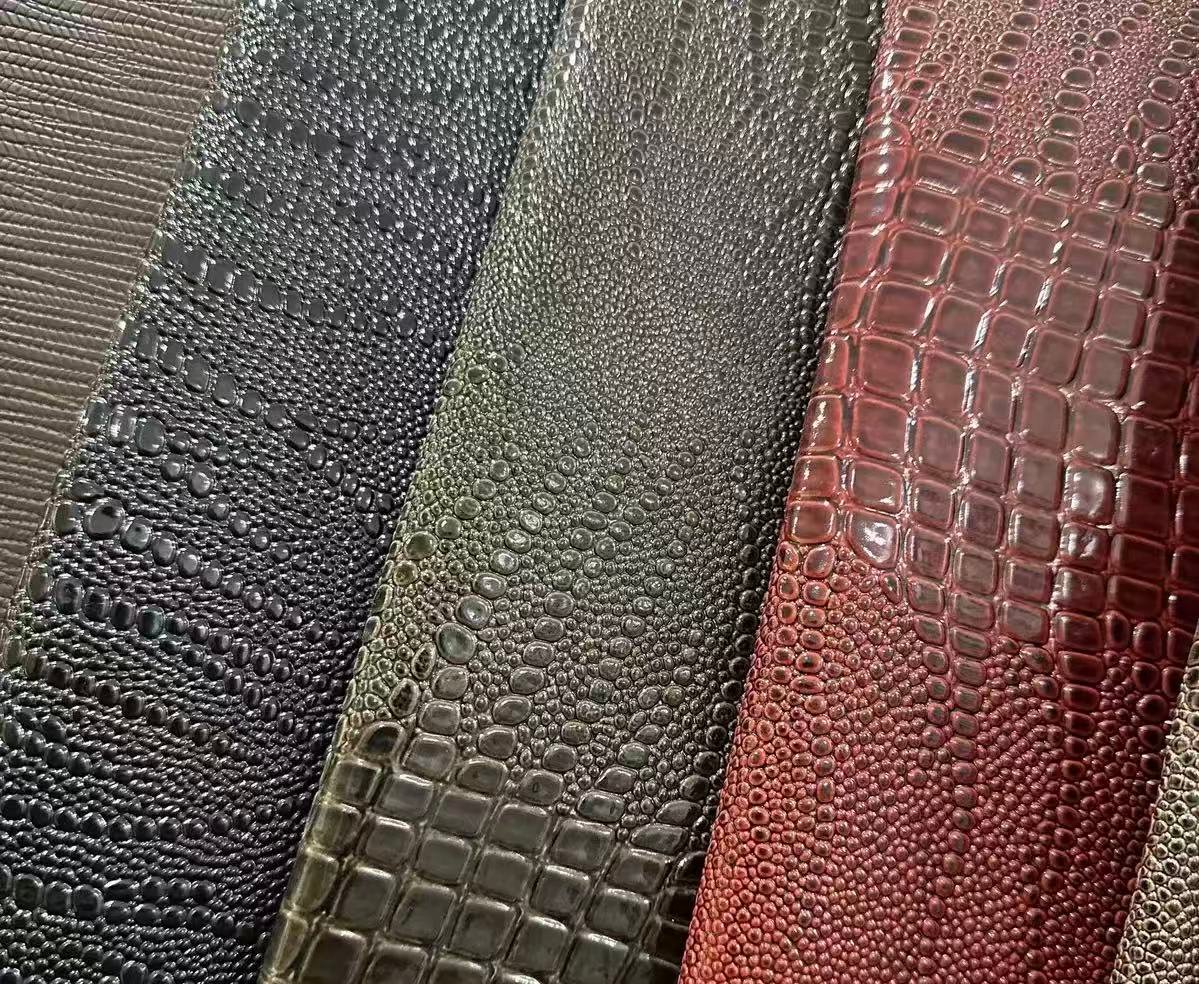
Is faux leather in fashion?
Is faux leather still in fashion? Explore PU and PVC leather trends, textures, thickness, and applications to choose the right material for handbags, shoes, and clothing.
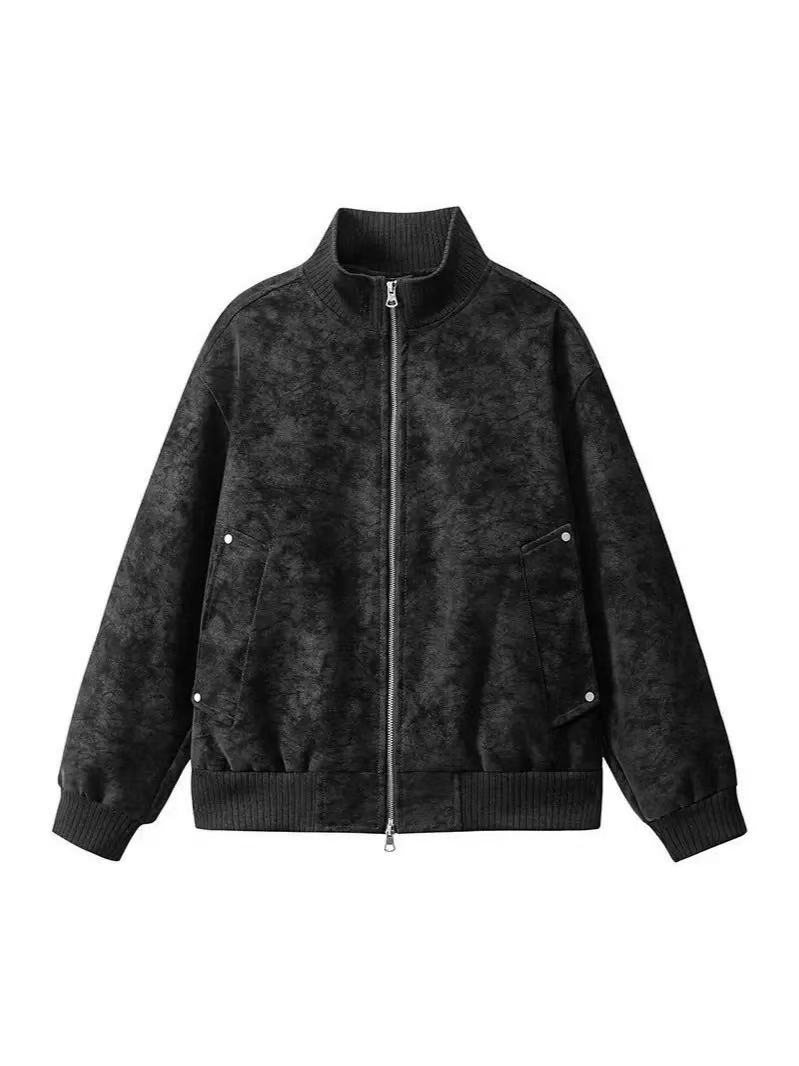
Is PU Leather or PVC Leather Better For Jacket?
PU or PVC leather for jackets? Compare their softness, appearance, durability, water resistance, and cost to choose the right synthetic leather for your target market.
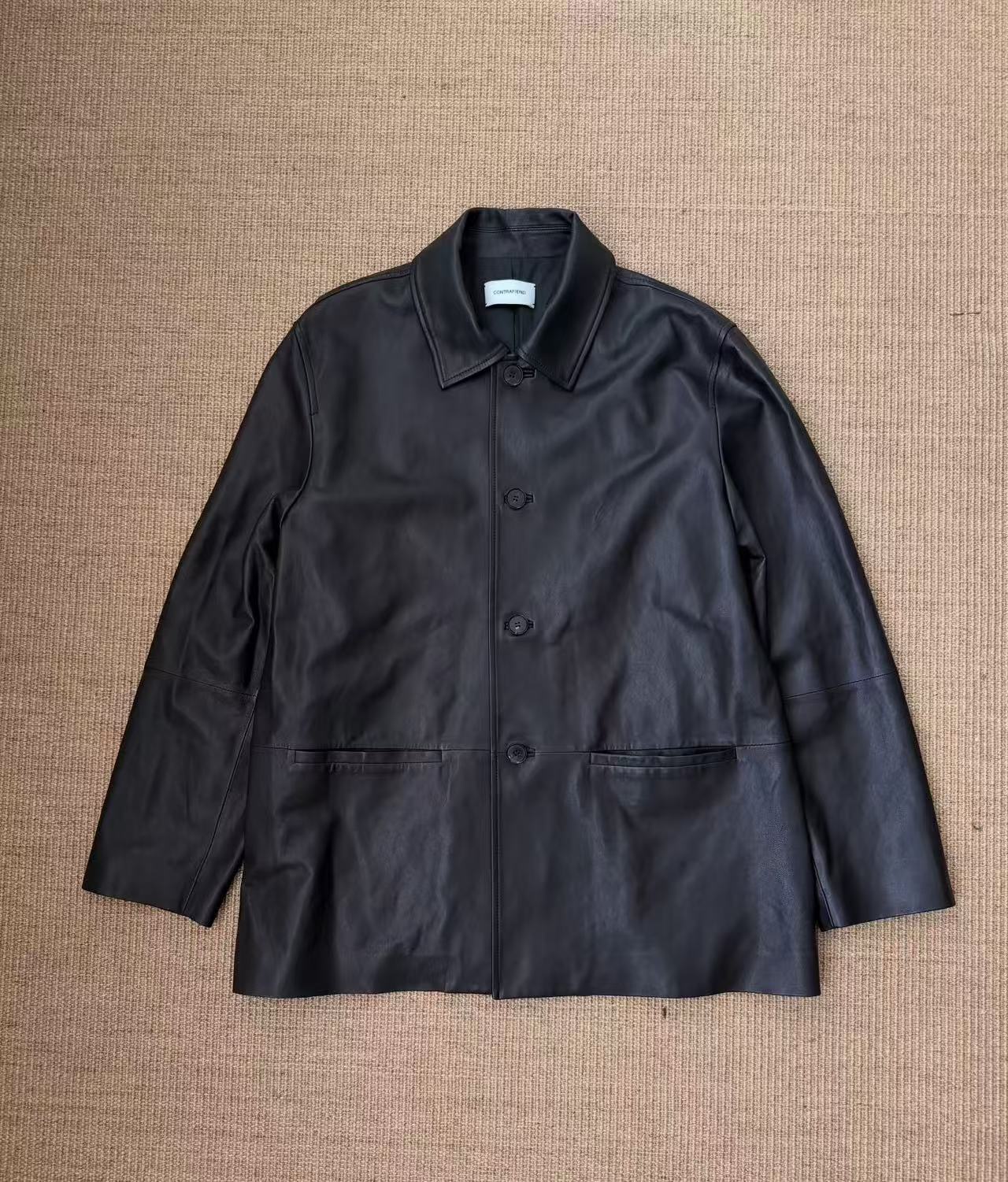
What is garment leather?
Discover what garment leather is and compare PU, PVC, and natural leather. Learn how comfort, breathability, durability, and cost affect your material choice.