
What makes faux leather look “in fashion” today?
Trends shift fast; inventory does not. The risk is chasing surface trends while ignoring performance. The fix is aligning faux leather design cues—grain, gloss, color—plus thickness and backing—with your application and price tier. Then fashion reads as “intentional,” not “imitation.”
A faux leather article looks in fashion when its grain, gloss level, and color align with the category trend and the product’s architecture. Matte micro-grain PU suits minimalist handbags; higher-gloss, tighter PVC works for structured belts. Pair the correct thickness and backing to avoid sloppy edges or stiffness.
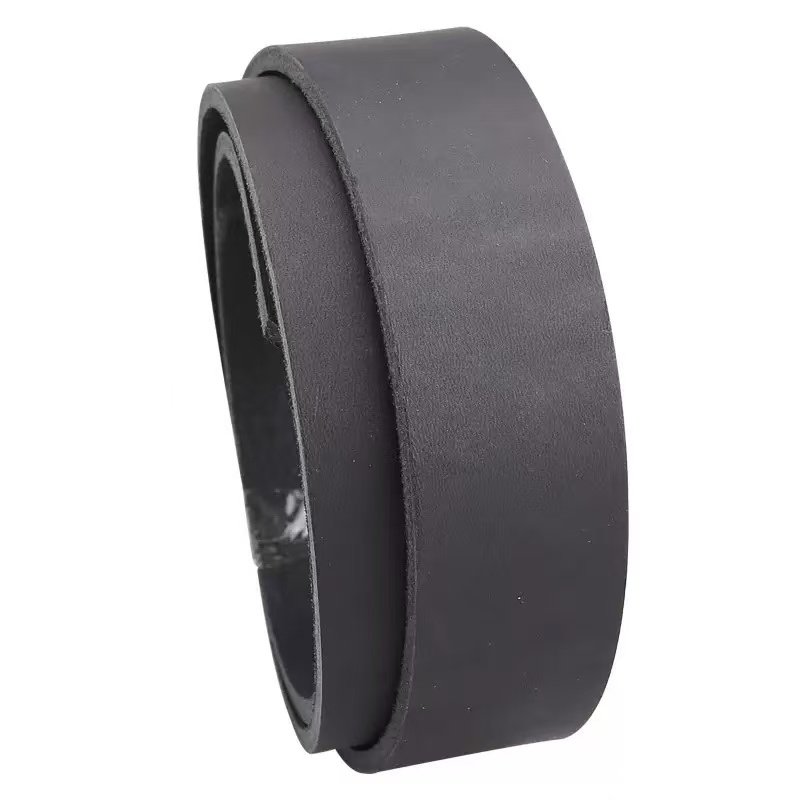
The style signals that buyers actually notice
- Grain: Micro-grain and smooth finishes feel premium in apparel and handbags. Embossed pebbles or Saffiano-style crosshatch suggest structure for belts and small leather goods.
- Gloss: Lower gloss reads modern in garments. Medium gloss helps wipe-clean shoes and kids’ products. High gloss can look formal or synthetic, depending on context.
- Color: Core neutrals sell year-round. Seasonal accents need fast color development and reliable shade control. We often ship lab dips within 5–7 days for buyer approvals.
- Hand feel: Soft, warm PU reads more “luxury” in hand. Tighter PVC with higher body suits luggage and belts.
I see two common mistakes:
- Choosing a beautiful grain but the wrong base. For example, a 0.7 mm soft PU with plush backing looks great on a hanger. On a structured handbag, it collapses and makes stitch lines wave.
- Selecting the perfect thickness but the wrong gloss. A shiny finish on an otherwise matte collection confuses the story.
Use small tests: build one sample with 0.9 mm and one with 1.2 mm; compare edge painting, stitch bite, and panel stability. In my workshop, a buyer from Nairobi once changed a whole line to a slightly thicker PU after seeing edge paint coverage improve by 20–30% in one pass.
A simple checklist for trend-right outcomes:
- Start with the product: is it flexible or structured?
- Select grain to match the brand: micro for minimal, pebble for casual.
- Match gloss to category: matte for apparel, medium for footwear.
- Confirm backing: woven for strength, non-woven for soft drape.
- Validate thickness with actual stitching and edge tests.
How do PU and PVC compare for fashion buyers?
Fashion calls for aesthetics first, then quality and price. The pain comes when one tries to force PU into heavy-duty uses, or PVC into soft-drape apparel. The fix is to pick PU or PVC based on the core performance required in the product category.
PU often wins for soft hand feel and garment or handbag applications. PVC often wins for structured items, cost-sensitive ranges, and wipe-clean use cases.For a fashion buyer, PU is the go-to for “premium hand,” while PVC gives predictable structure and durability at a sharper price—when specified correctly.
Application-driven selection
I translate PU/PVC differences into product decisions. A blunt summary:
- PU (polyurethane): typically softer, warmer touch, better drape. Sensitive to hydrolysis if poorly formulated. Excellent for apparel, mid- to premium handbags, soft sneakers.
- PVC (polyvinyl chloride): generally higher body, stronger abrasion resistance, easier to clean. Better for belts, structured shoes, luggage, and cost-sensitive lines.
A reality I see in buyer calls: teams chase price and pick PVC for a flowing trench coat. On the rack, it crinkles and bows. That is not a PVC problem. It is a mis-specification problem.
Here’s a quick comparison table we use in internal trainings:
| Factor | PU (Polyurethane) | PVC (Polyvinyl Chloride) |
|---|---|---|
| Hand feel | Soft, warm, flexible | Firmer, cooler, more body |
| Typical thickness range | 0.5–1.2 mm apparel; 0.8–1.4 mm bags | 0.7–1.6 mm belts/luggage |
| Abrasion resistance | Good, varies by coating | Very good, consistent |
| Hydrolysis resistance | Requires formulation attention | Not hydrolysis-driven |
| Edge finishing | Clean; softer edge | Crisper edge; holds shape |
| Cost band | Usually higher than PVC | Often lower at equivalent spec |
| Best-fit categories | Garments, fashion bags, sneakers | Belts, structured shoes, luggage |
As always, verify materials with actual test reports (e.g., ISO or ASTM methods) and production-relevant checks. Ask suppliers to provide peel strength and abrasion for your specific lot, not generic brochures.
Is faux leather right for handbags versus shoes?
Teams often assume a one-size-fits-all. Then shoes crease at the vamp, or handbags lose their box shape. The stress comes from different mechanical demands. The fix is to specify faux leather by product: bags need edge hold; shoes need flex and abrasion resistance around the toe and heel.
Yes, faux leather is right for both handbags and shoes—but with different constructions. For handbags, choose materials that hold stitch lines and edges. For shoes, emphasize flex resistance and abrasion. A PU for a soft tote may fail in a shoe vamp; a PVC for a belt may be too rigid for a slouchy bag.
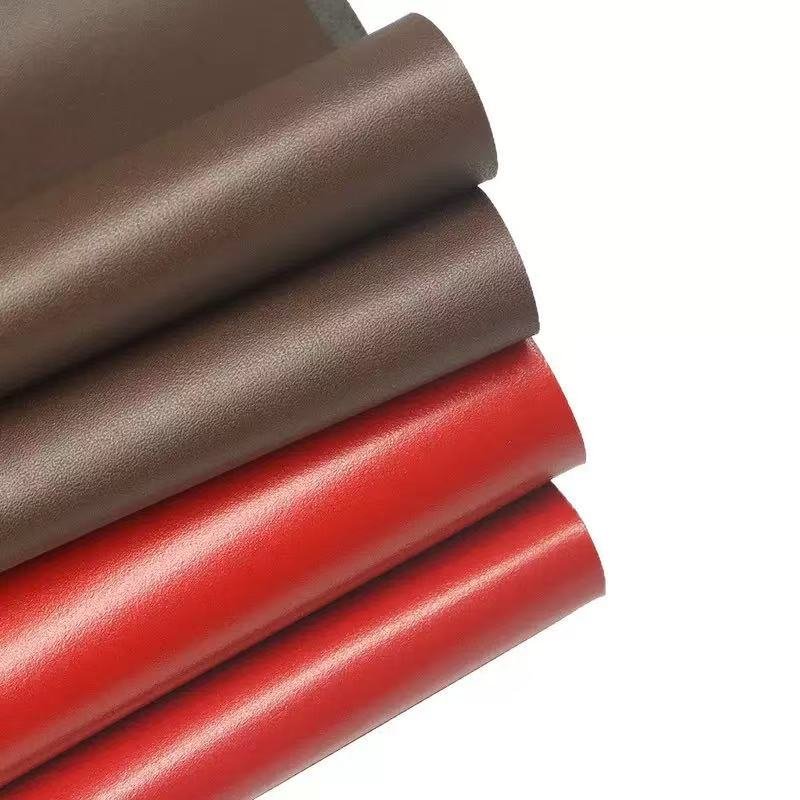
Handbags: edge, structure, and lining compatibility
- Thickness: 0.9–1.4 mm works for many handbags. Tote bodies often like 1.2 mm for structure.
- Backing: woven (e.g., polyester) gives tear resistance; non-woven lends a softer feel but less strength.
- Edge paint: test how edges accept paint and how many passes are needed. PVC edges can look crisp; PU edges can feel softer.
- Stitch retention: add samples with different needle sizes. Look for minimal ruffling.
I recall a buyer in Accra shifting a core satchel from 0.9 mm PU to 1.2 mm PU with a tighter backing. The bag stood better on shelving, and returns for “waviness” dropped.
Shoes: flex, abrasion, and bonding
- Flex resistance: test with Bally flex or equivalent. Target a minimum cycle count based on category. Casual shoes need more flex tolerance.
- Abrasion: request Martindale or Taber data. Uppers with higher abrasion hold up to daily wear.
- Adhesion: if you bond components, verify coating adhesion to avoid delamination after flexing.
We often start shoe trials at 0.9–1.6 mm PU for uppers, moving up or down based on the last shape and style. Simple sneaker uppers tolerate a bit more body. Dress shoes benefit from a fine micro-grain with low gloss to avoid a plastic look.
For both categories, run real assembly trials:
- Cut, sew, glue, edge, and finish sample panels.
- Observe at 24-hour and 72-hour marks—some failures show after resting.
- Put samples through quick “user tests”: bend, wipe, and stuff to mimic handling.
If you track these steps, faux leather performs beautifully—and looks fashion-right—because you designed for the category’s actual demands.
How do thickness and backing decide if faux leather feels premium?
Many teams underestimate the feel contribution from thickness and backing. The problem shows up as floppy jackets or stiff wallets. The fix is to adjust thickness and backing fabric to tune body, drape, and edge behavior so that faux leather reads premium in hand and in use.
Thickness and backing determine the body and drape that shoppers perceive as premium. A 0.7–0.9 mm PU with non-woven backing drapes like apparel. A 1.2 mm material with woven backing feels stable for handbags and belts. Choose backing for strength and structure; tune thickness for the target product’s “hand.”

How I tune “hand feel” with buyers in sampling
- For apparel: 0.6–0.9 mm with non-woven or light knit backing to keep drape. Lower gloss, fine grain.
- For small leather goods: 1.0–1.3 mm with dense woven backing to hold sharp lines and clean edges.
- For belts: 1.2–1.6 mm, higher body, often PVC or firm PU, woven backing for tear resistance.
We once supplied two versions of the same grain: a 0.8 mm and a 1.2 mm. The lighter one won the garment line; the thicker one became a hit belt material. Same color and grain; different backing and thickness, two different “fashion” reads.
A simple approach:
- Define target hand feel: floppy, medium, or firm.
- Select backing: non-woven for soft; woven for firm.
- Set thickness: add 0.1–0.2 mm increments and sample.
- Confirm with edge finishing and stitch tests.
Buyers in the Middle East often prefer firmer hand for small goods—heat and handling favor structure. In West Africa, shoppers might prefer softer feel in apparel, but want durable edges for bags that handle daily commuting. Align thickness/backing choices to those preferences and your faux leather will feel purpose-designed, not generic.
What quality controls keep faux leather durable?
Returns damage profits and reputation. The risk grows when suppliers switch formulas mid-run or buyers skip targeted tests. The fix is to embed basic QC steps for faux leather that verify adhesion, abrasion, colorfastness, and dimensional stability on the exact lot you will use.
Durability in faux leather comes from verifying base adhesion, abrasion resistance, flex performance, and colorfastness.Ask for test reports on your lot, not stock data. Then run simple factory-level checks: peel adhesion, rub fastness, and accelerated flex. Small checks prevent big warranty claims.
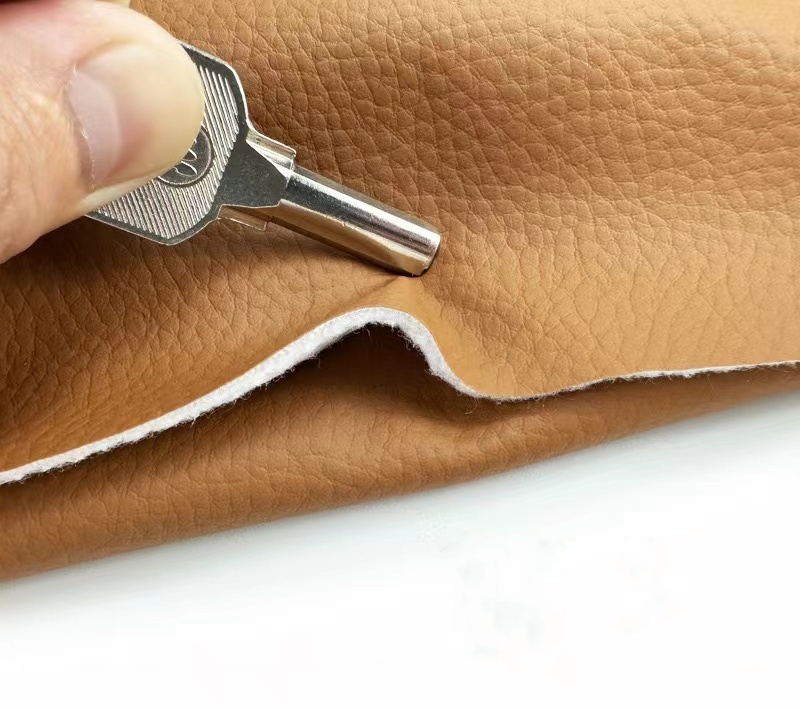
Practical QC framework I share with procurement teams
- Visual and dimensional checks:
- Measure thickness at 3–5 points per panel. Tolerance ±0.05–0.1 mm.
- Inspect grain uniformity and gloss for consistency.
- Adhesion and peel:
- Simple manual peel tests catch weak bonding between layers.
- Request data under ISO/ASTM methods for formal bids.
- Abrasion:
- Martindale or Taber data helps. For casual shoes and bags, many buyers target 10,000–30,000 cycles. Choose numbers with your QA team based on the category.
- Flex:
- Do quick flex tests on cut strips. Watch for cracking or delamination.
- Colorfastness:
- Dry and wet rub tests on white cloths. Check for dye transfer, especially in dark colors.
- Hydrolysis and heat aging (for PU):
- If your product will live in hot, humid markets, ask about hydrolysis-resistant formulations and request evidence. Validate in collaboration with your QA partner.
In one MENA order, a buyer wanted 30,000+ abrasion cycles and strong rub fastness because the bags targeted daily commuting. We adjusted top-coat chemistry and backing. The subsequent returns rate dropped noticeably season over season.
Reminder: certifications are documents; verify them. Ask suppliers for test reports tied to batch numbers. If the supplier changes a resin or coating, re-approve. A small upstream change can alter wear behavior significantly.
Is faux leather still fashion-forward in Africa and the Middle East?
Trends arrive globally, but shoppers buy locally. The pitfall is copying a European mood board without price and durability adjustments. The fix is to adapt faux leather specs—look, hand feel, and durability—to regional price bands, climate, and customer expectations.
Yes, but with regional tuning. In Africa and the Middle East, faux leather succeeds when it balances price, durability, and visual appeal. Wipe-clean finishes, medium gloss, and practical colorways perform well. Price bands drive volume, but durability and hand feel protect repeat purchases and brand trust.
Field notes from buyer conversations
- Africa:
- Bags and shoes face rough handling and frequent transport. Medium-to-high abrasion resistance and sturdy backing matter. Classic browns and black sell deep. Price-sensitive segments still want a comfortable hand; stiff “plastic” feel is a red flag.
- For apparel, lighter PU works, but seams and edge finishing must be robust. Avoid overly delicate coatings.
- Middle East:
- High temperatures and sun exposure require colorfastness and coating stability. Gloss preferences vary by market segment, but wipe-clean surfaces are appreciated.
- Structured accessories perform well; belts and small leather goods benefit from firmer hand.
Price positioning by region (general observation, not a rule):
- Entry: PVC with reliable coating, medium gloss, sturdy backing. Focus on clean grains.
- Mid: PU with improved hand feel, hydrolysis-aware formulation, finer grains, better rub fastness.
- Upper mid: PU with custom grains/colors, tighter thickness control, and sharper edge performance.
What I advise buyers:
- Declare the price band early. We align construction to that band. This avoids overspec’ing materials for entry-level ranges or underspec’ing for premium lines.
- Pilot test in two cities per region. Observe returns and customer comments for 4–6 weeks.
- Track colorfastness in-store. Sweat and heat conditions vary.
In short, faux leather is fashion-forward when it feels and performs as local shoppers expect. A little regional tuning goes a long way.
How do thickness and backing decide if faux leather feels premium?
Many teams underestimate the feel contribution from thickness and backing. The problem shows up as floppy jackets or stiff wallets. The fix is to adjust thickness and backing fabric to tune body, drape, and edge behavior so that faux leather reads premium in hand and in use.
Thickness and backing determine the body and drape that shoppers perceive as premium. A 0.7–0.9 mm PU with non-woven backing drapes like apparel. A 1.2 mm material with woven backing feels stable for handbags and belts. Choose backing for strength and structure; tune thickness for the target product’s “hand.”
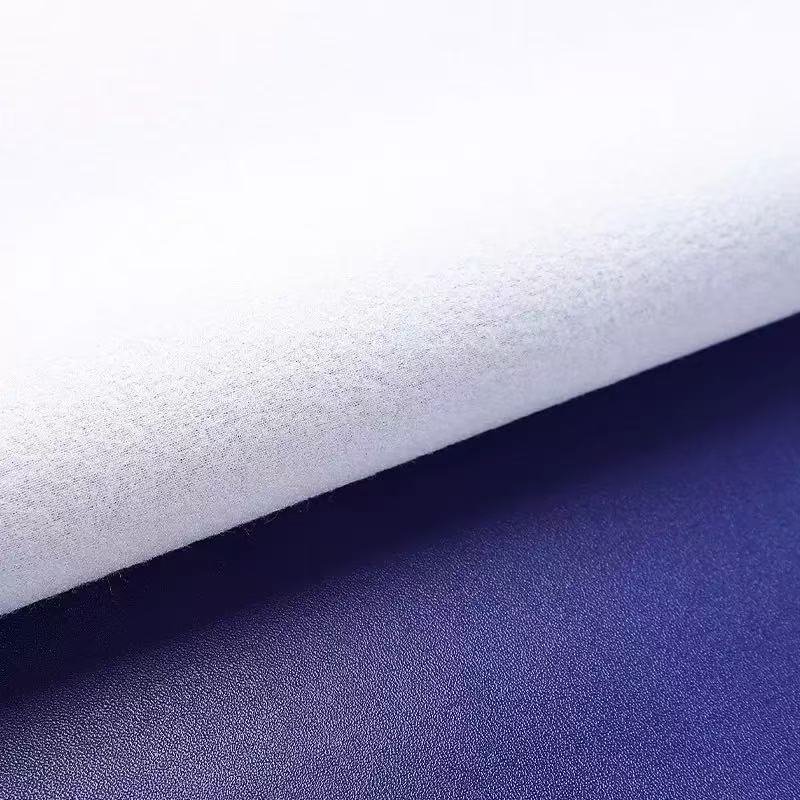
Translating specs into decisions
I repeat this section intentionally because buyers often ask the same question twice in different forms. Treat thickness and backing as levers:
- Increase thickness for structure; reduce for drape.
- Switch backing to adjust tear strength and edge behavior.
- Use mock-ups to confirm store display performance.
I once sent two swatches to a buyer in Doha with identical grain and color but different backings. The woven-back sample won for belts; the non-woven version won for a soft pouch. Same look, different “feel” outcome.
To keep teams aligned, we add a short tag to each swatch:
- “Soft drape – apparel”
- “Medium body – handbags”
- “Firm – belts/small goods”
These cues prevent misallocation in development sprints. When teams choose correctly, the customer perceives “fashionable” as “this feels right,” not simply “this looks like a trend.”
What procurement checks should we do when buying faux leather?
Even great designs can fail in production if procurement misses document checks. The stress starts when packaging arrives and color variance or backing mismatch shows up. The fix is a clean procurement checklist: verify specs, batch consistency, and approvals before mass production.
Procurement should confirm faux leather specifications, verify lot-specific test reports, and approve shade and gloss controls with signed standards. Inspect thickness and backing on arrival. Spot-check peel strength and rub fastness. Lock substitutions: any change in resin, coating, or backing triggers re-approval.
A practical checklist from my sampling desk
Documents:
- Spec sheet with thickness, backing, grain code, gloss level, and color code.
- Lot-specific test reports for adhesion, abrasion, and colorfastness.
- Signed shade and gloss standards (lab dip and finish panels).
- Change-control note: supplier commits to notify any formulation/backing change.
Sampling and approvals:
- Golden sample retained at both sides.
- Production trial with your cutting and sewing equipment.
- Edge paint test if applicable.
Incoming QC:
- Thickness measured on random rolls (use calibrated gauge).
- Backing verification (visual and touch).
- Quick peel and rub test (practical shop tests).
Production monitoring:
- Periodic color checks under standard light.
- Edge and stitch checks from early batches.
- Record variances and correct on the same day.
This steady rhythm reduces risk dramatically. I have seen projects saved by a five-minute peel test that caught a lamination issue from a single lot. That is how procurement keeps “fashion” from becoming “frustration.”
Frequently Asked Questions
Is faux leather more fashionable than genuine leather?
No. Fashion depends on design and execution. Faux leather can look very modern and premium when grain, gloss, thickness, and backing match the product’s needs. Genuine leather can also look superb. Choose based on fit-for-use, brand positioning, and target price—not a blanket claim.
Is PU always better than PVC for fashion items?
No. PU often wins for soft hand feel and garments, while PVC often wins for structure, abrasion, and cost-sensitive products. Pick by application: apparel and soft handbags lean PU; belts, structured shoes, and luggage often lean PVC. Validate with tests and real assembly trials.
What tests should I ask suppliers for with faux leather?
Ask for adhesion/peel, abrasion (e.g., Martindale or Taber), flex, and colorfastness reports for your specific lot. For PU used in hot, humid markets, discuss hydrolysis resistance. Verify documents and run factory-level checks before mass production.
How do I make faux leather look less “plastic”?
Select a finer grain, lower gloss, and softer hand. Use a non-woven or light knit backing for drape in apparel, and specify matte top coats. Sample multiple thicknesses; small changes (0.1–0.2 mm) can make a big difference in feel and edge finishing.
Can I use one faux leather for bags and shoes?
You can try, but it is risky. Shoes demand more flex and abrasion resistance at the vamp and heel. Bags often need edge stability and body. Build category-specific specs and test. One material might work for both, but only after careful trials.
Conclusion
Faux leather stays in fashion when we treat it as a toolkit, not a single material. The right PU or PVC, grain, thickness, backing, and gloss can elevate handbags, shoes, or apparel—at the correct price band for Africa and the Middle East. If you want to reduce risk, send your target product specs, and I will propose faux leather options matched to your category and market.
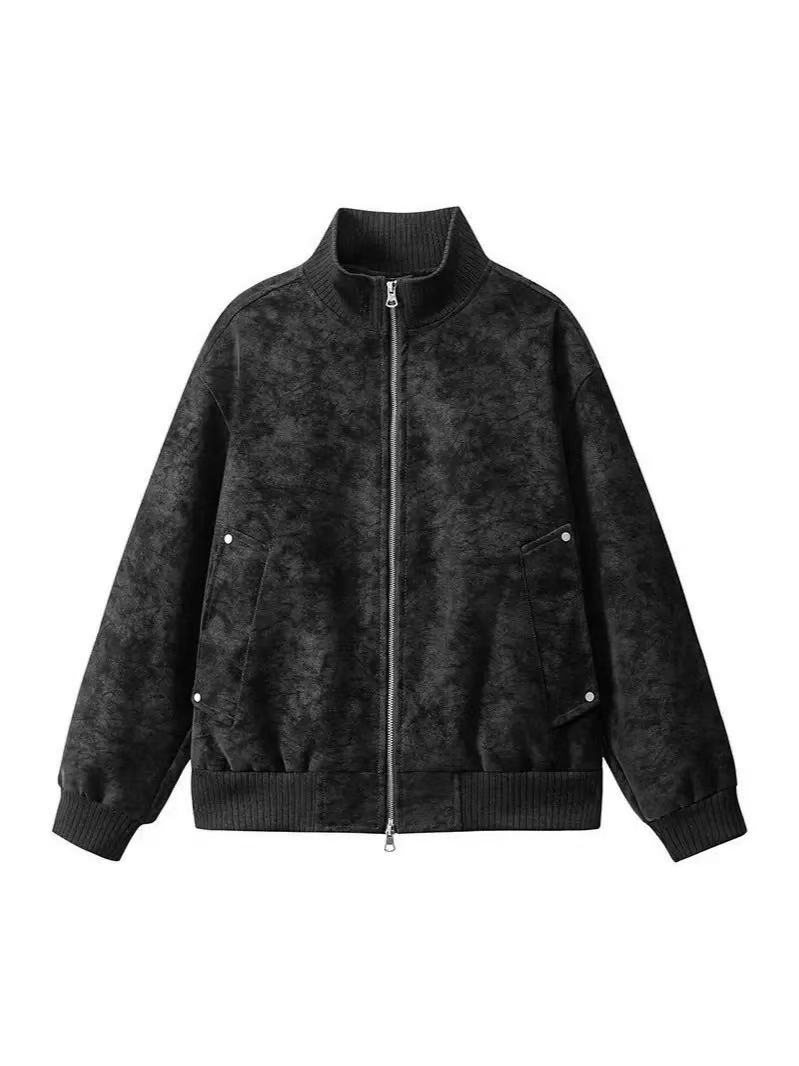
Is PU Leather or PVC Leather Better For Jacket?
PU or PVC leather for jackets? Compare their softness, appearance, durability, water resistance, and cost to choose the right synthetic leather for your target market.
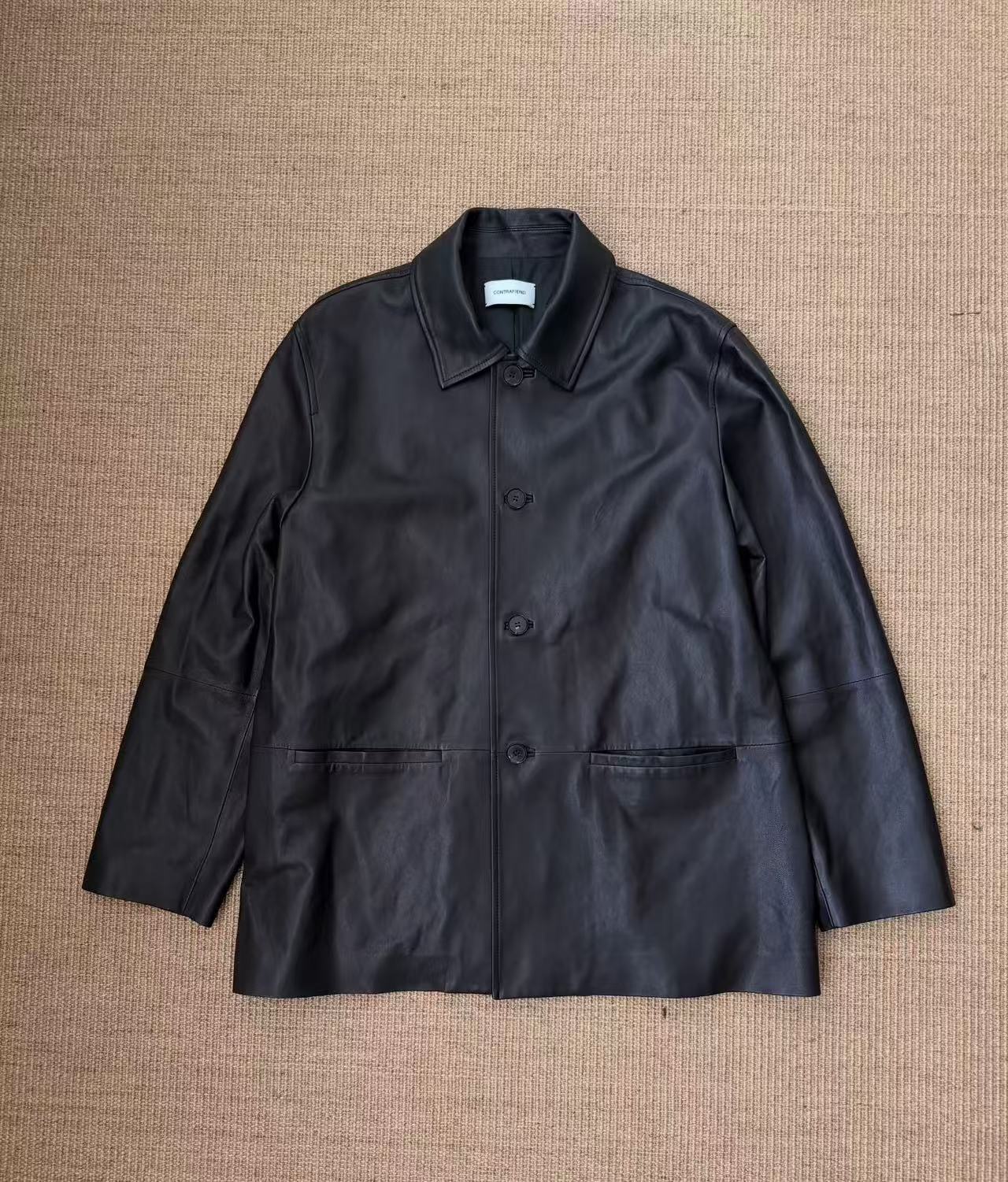
What is garment leather?
Discover what garment leather is and compare PU, PVC, and natural leather. Learn how comfort, breathability, durability, and cost affect your material choice.
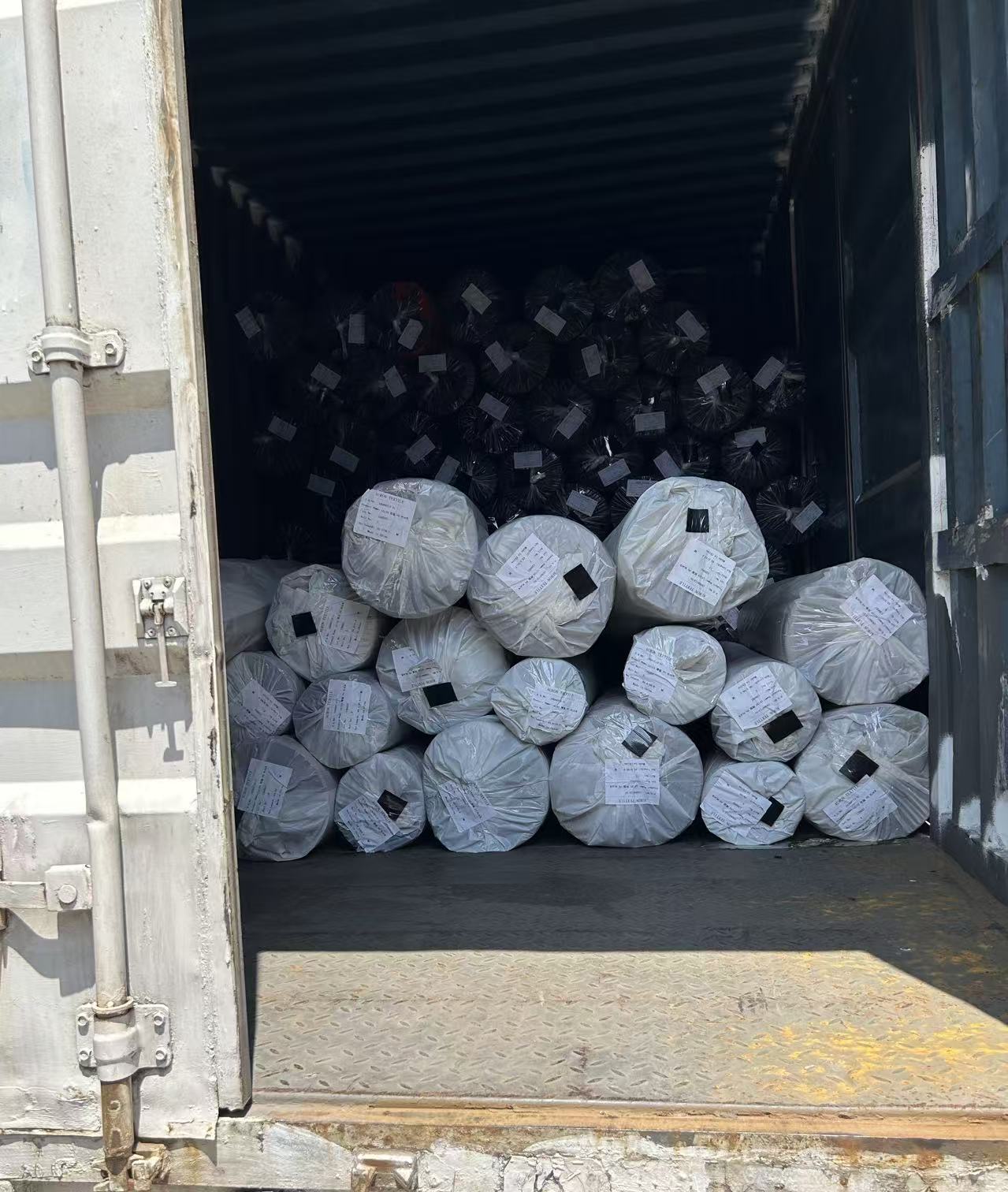
Can you provide special packaging when I import custom synthetic leather from China?
Learn how special packaging for custom synthetic leather can be arranged, including roll length, labels, plastic bags, markings, and shipping requirements.