Why Do Some Synthetic Leather Certificates Look Professional but Are Misleading?
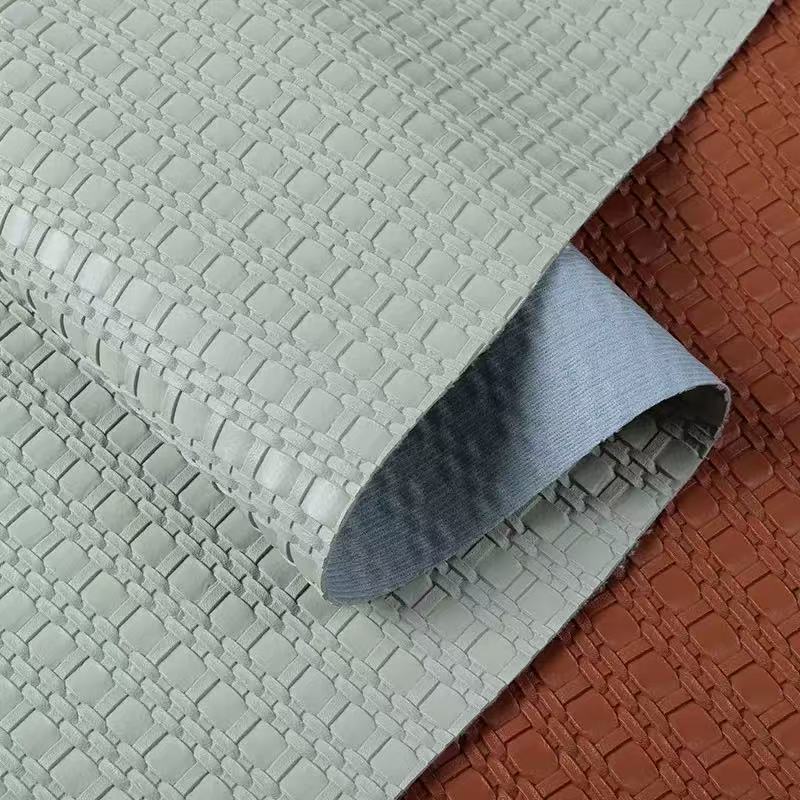
Certificates often appear official and trustworthy.However, appearance alone can be misleading.Understanding what they actually represent is essential.
Many certificates look valid due to recognizable logos and formats, but they may not represent the actual product being supplied.
Most synthetic leather certificates are issued by recognized testing organizations and follow standard report formats. They often include detailed data, technical terms, and official stamps, which make them appear highly reliable at first glance.
However, these reports usually apply only to the specific sample tested at a certain time. They do not automatically represent current production batches or customized materials. In many cases, buyers assume that a certificate covers all supplied goods, which is not always accurate.
Without verifying the product description, testing scope, and date, even a well-formatted certificate can create a false sense of security during procurement.
What Are the Most Common Problems with Synthetic Leather Certificates?
Buyers rely on certificates for safety.But common issues are often overlooked.These gaps can lead to incorrect decisions.
Outdated reports, mismatched standards, and incomplete test scopes are common issues that reduce the real value of synthetic leather certificates.
Several recurring problems can be found in synthetic leather certificates. One of the most common is outdated reports, where the test was conducted years ago and may not reflect current production quality.
Another issue is mismatched testing standards. A certificate may follow a standard that does not apply to the buyer’s intended use, such as using general material tests instead of upholstery-specific requirements.
In some cases, only raw materials are tested rather than the finished synthetic leather product. Additionally, company names or product descriptions may not match the actual supplier or goods being purchased.
These issues reduce the practical reliability of the certificate, even if it appears complete.
Why Can’t Certificates Alone Guarantee Synthetic Leather Quality?
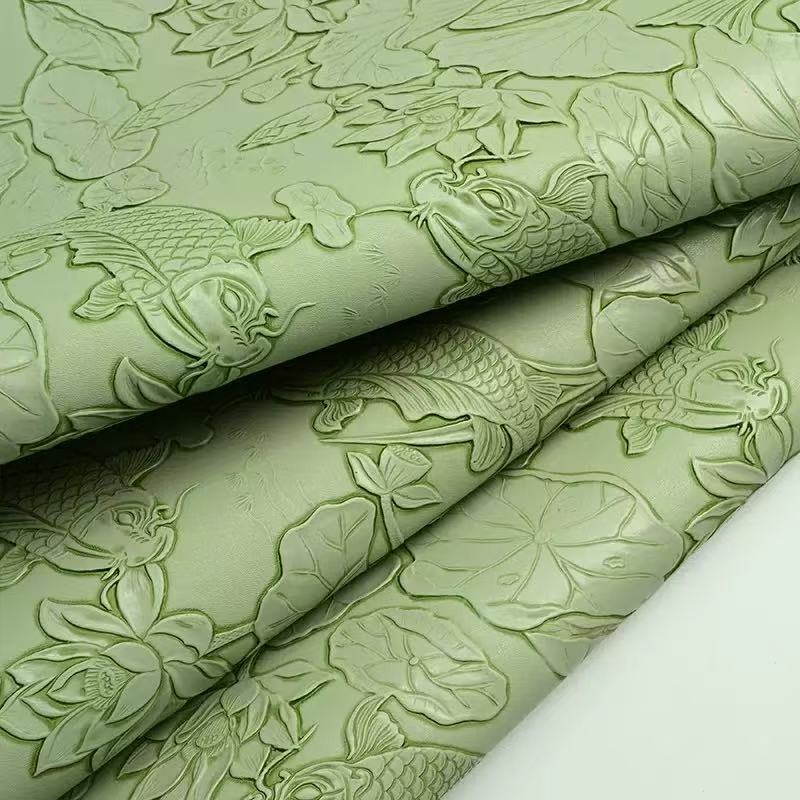
Certificates provide technical data.But they do not reflect full production reality.Relying only on them can be risky.
Certificates represent sample testing, not full production consistency, making them insufficient as the sole indicator of synthetic leather quality.
A certificate is based on a tested sample under controlled conditions. It does not guarantee that all future production batches will perform the same way. Variations in raw materials, coating processes, or manufacturing control can affect the final product.
In large-scale synthetic leather production, consistency is just as important as initial performance. A material that passes testing once may still face issues during mass production if process control is not stable.
For this reason, certificates should be considered as a reference point rather than a final proof of quality.
How Should Buyers Verify Synthetic Leather Certificates Correctly?
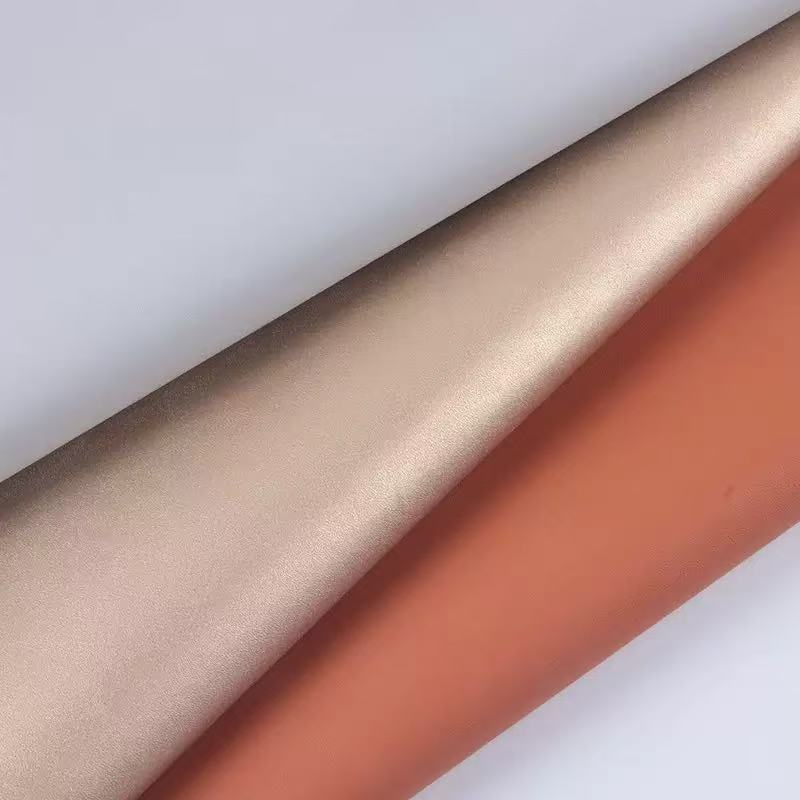
Misreading certificates leads to sourcing risks.But proper verification can prevent problems.Buyers need a clear evaluation approach.
Buyers should verify test scope, product details, standards, and report validity to ensure synthetic leather certificates truly match their application.
To properly evaluate a synthetic leather certificate, buyers should first check whether the tested product description matches the material being quoted or sampled. Differences in thickness, backing fabric, or coating structure can affect performance.
Next, the testing standard should be reviewed to confirm it is relevant to the intended application, such as furniture, automotive, or commercial use. The test scope should also be examined to ensure key performance indicators are included.
It is also important to verify the report date and confirm that it reflects current production conditions. Requesting updated or application-specific reports can further improve confidence in the material.
By focusing on these details, buyers can use certificates as a useful tool rather than relying on them blindly.
Conclusion
Synthetic leather certificates are useful references, but they do not guarantee product quality on their own. Proper verification and alignment with real applications are essential for reliable sourcing and long-term cooperation with the right supplier.
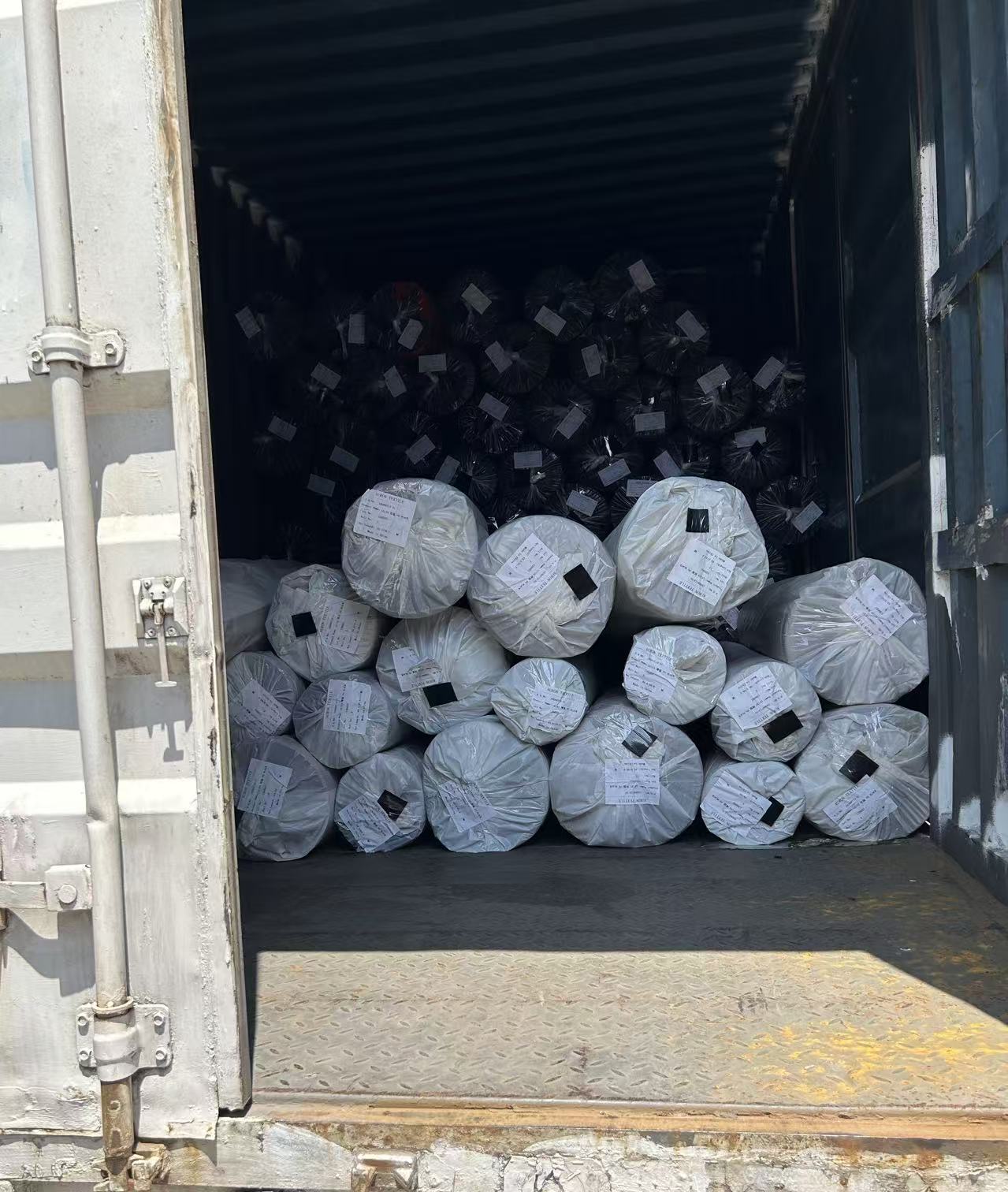
Can you provide special packaging when I import custom synthetic leather from China?
Learn how special packaging for custom synthetic leather can be arranged, including roll length, labels, plastic bags, markings, and shipping requirements.
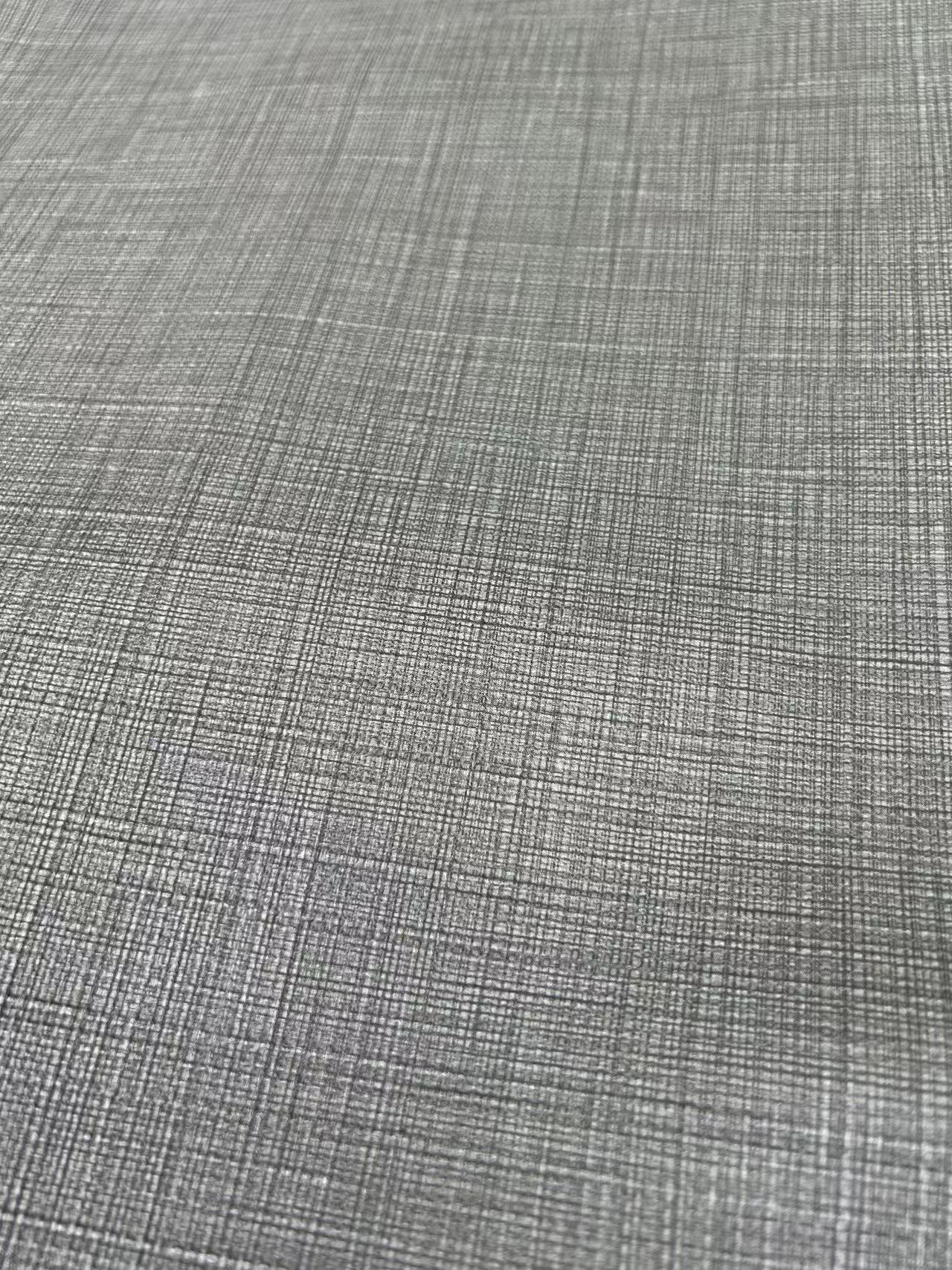
Can You Create a Custom Leather Grain Pattern When Importing Synthetic Leather from China?
Want a unique leather grain for your products? Discover how custom synthetic leather grain patterns are developed from samples using advanced vacuum texture transfer technology.

Sea Freight or Air Freight for Synthetic Leather: Which Should You Choose?
Not sure whether to ship synthetic leather by sea or air? Compare costs, transit times, advantages, and practical tips to choose the best shipping method for your business.