
What Is the Real Difference Between PVC and PU Synthetic Leather in Practice?
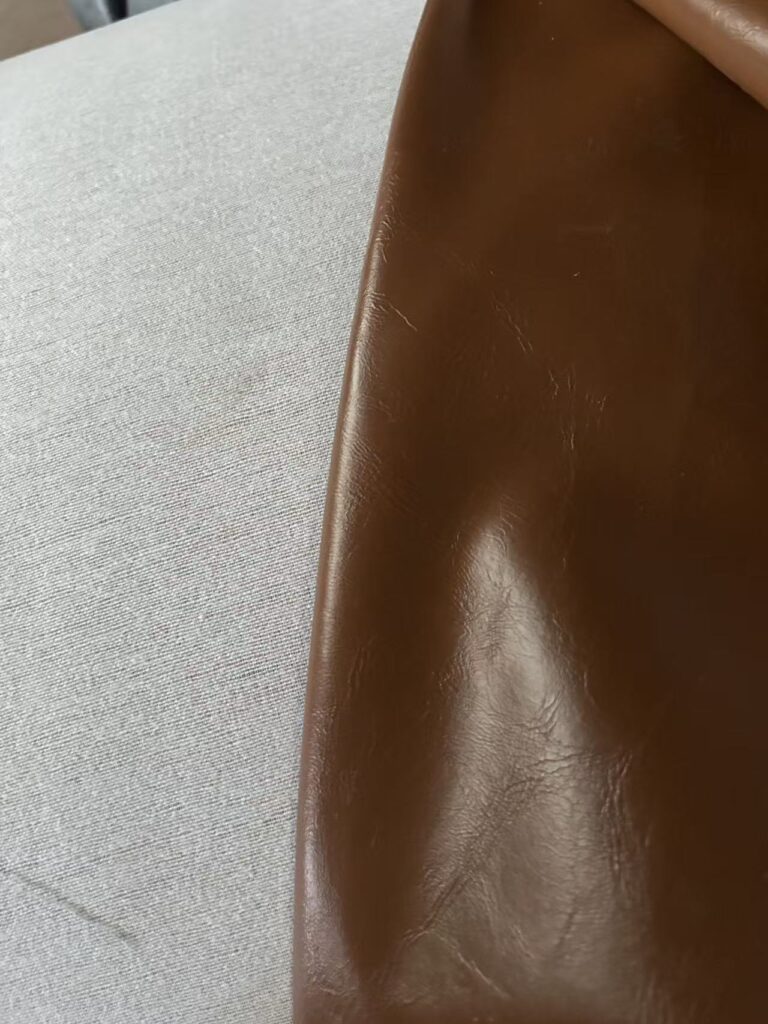
Many buyers know PVC and PU are different.But in real projects, the difference is often misunderstood.
Practical performance matters more than definitions.
In practice, PVC synthetic leather offers higher durability and stability, while PU synthetic leather provides a softer touch and a more natural leather-like appearance.
From our factory experience, PVC synthetic leather is generally more resistant to wear, moisture, and long-term use. It maintains structure well, especially in high-traffic environments such as sofas or commercial seating.
PU synthetic leather, on the other hand, is known for its softer hand feel and more refined surface appearance. It is often chosen when visual similarity to genuine leather is a priority.
However, PU is typically more sensitive to usage conditions and may not perform as well as PVC in heavy-duty or high-humidity environments. This is why the choice is rarely about “which is better,” but rather “which is more suitable.”
How Do We Recommend PVC or PU Based on Different Applications?
Choosing materials without context leads to mistakes.Different products require different performance priorities.
Application-based selection is the key.
We recommend PVC or PU synthetic leather based on application requirements such as sofas, automotive interiors, bags, and commercial seating.
In sofa manufacturing, PVC synthetic leather is often preferred for its durability, cost efficiency, and resistance to daily wear. It performs reliably over long-term use and is easier to maintain.
For automotive interiors, both high-quality PVC and advanced PU can be used, depending on performance standards such as temperature resistance, aging, and emissions.
In bag production, PU synthetic leather is more commonly selected due to its softer feel and more premium visual appearance.
For commercial seating or public-use furniture, PVC is typically the safer choice because of its stability and longer service life under heavy use.
How Do Cost and Performance Trade Off Between PVC and PU Leather?
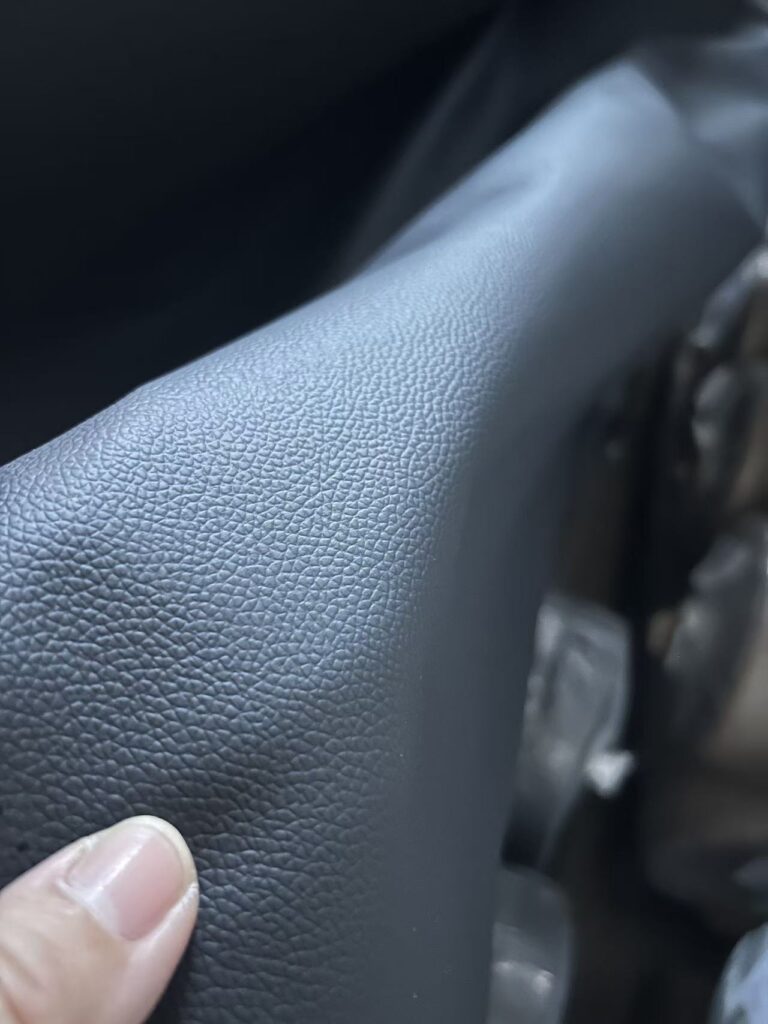
Buyers often focus on price first.But lower cost does not always mean better value.Understanding trade-offs is essential.
PVC synthetic leather usually offers better durability at a lower cost, while PU synthetic leather provides improved aesthetics at a higher price point.
PVC is generally more cost-effective due to its stable formulation and efficient production process. It also tends to last longer in demanding environments, reducing replacement frequency.
PU synthetic leather often comes at a higher cost because of its more complex structure and finishing processes. It delivers better softness and visual appeal, which may be important for premium products.
In practice, we often see that selecting the cheaper material without considering performance leads to higher long-term costs, especially when durability becomes an issue.
How Do We Help Buyers Avoid Choosing the Wrong Material?

Many buyers are unsure what to specify.This uncertainty leads to wrong samples and delays.A structured evaluation process solves this problem.
We help buyers select the right synthetic leather by evaluating end use, target market, performance requirements, and cost expectations before recommending materials.
In real projects, we do not start with materials—we start with questions. We ask about the product type, target market positioning, expected lifespan, and usage environment.
For example, a sofa designed for high-traffic commercial use requires very different material properties compared to a decorative furniture piece. Similarly, export markets may have specific requirements for durability or compliance.
Based on these inputs, we recommend suitable PVC or PU synthetic leather options, often with sample comparisons to help buyers evaluate differences clearly.
This approach reduces trial-and-error, shortens development time, and helps buyers make more confident decisions.
Conclusion
Choosing between PVC and PU synthetic leather is not about which is better, but which fits the application. With the right evaluation process, buyers can balance cost, performance, and appearance effectively.
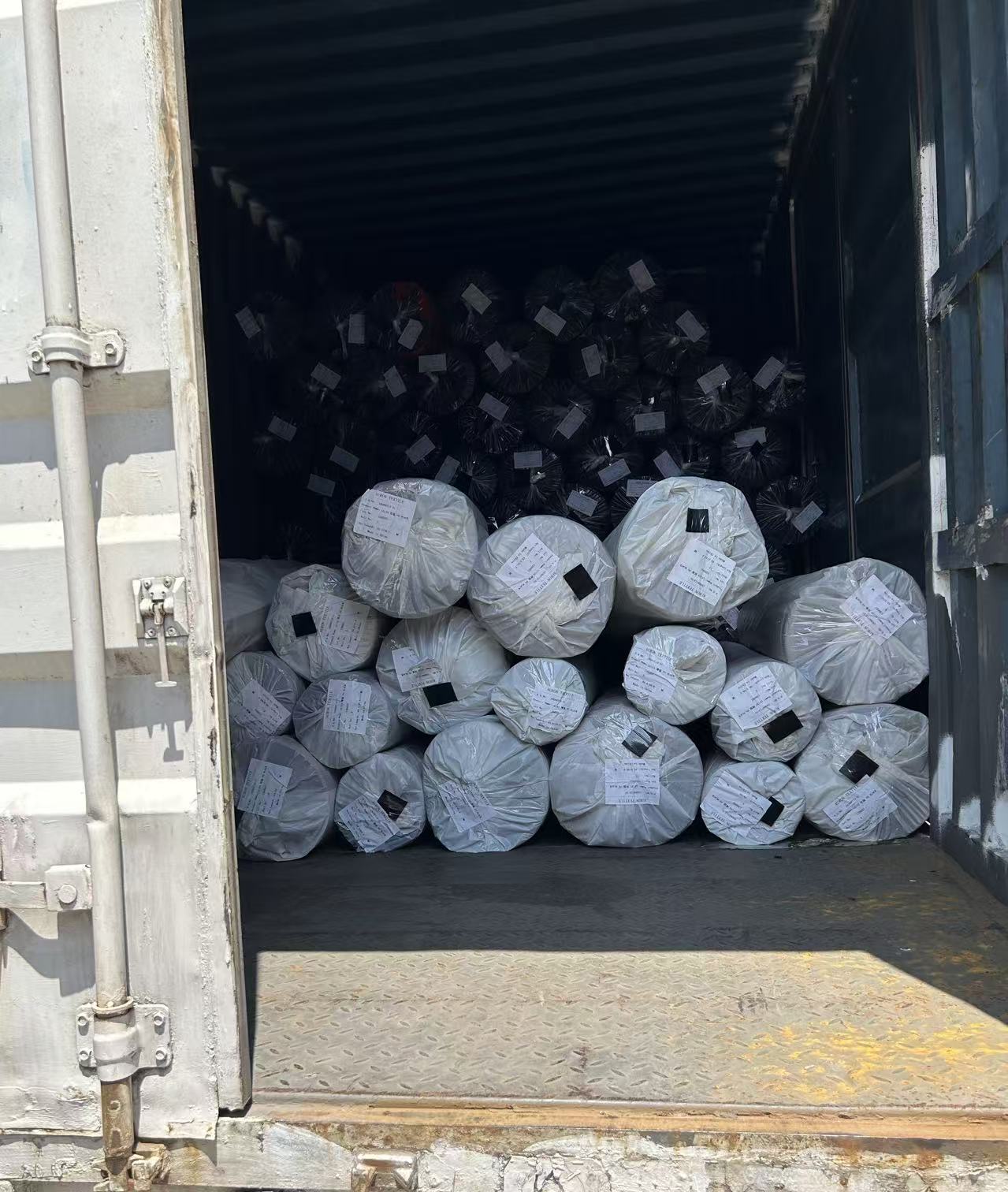
Can you provide special packaging when I import custom synthetic leather from China?
Learn how special packaging for custom synthetic leather can be arranged, including roll length, labels, plastic bags, markings, and shipping requirements.
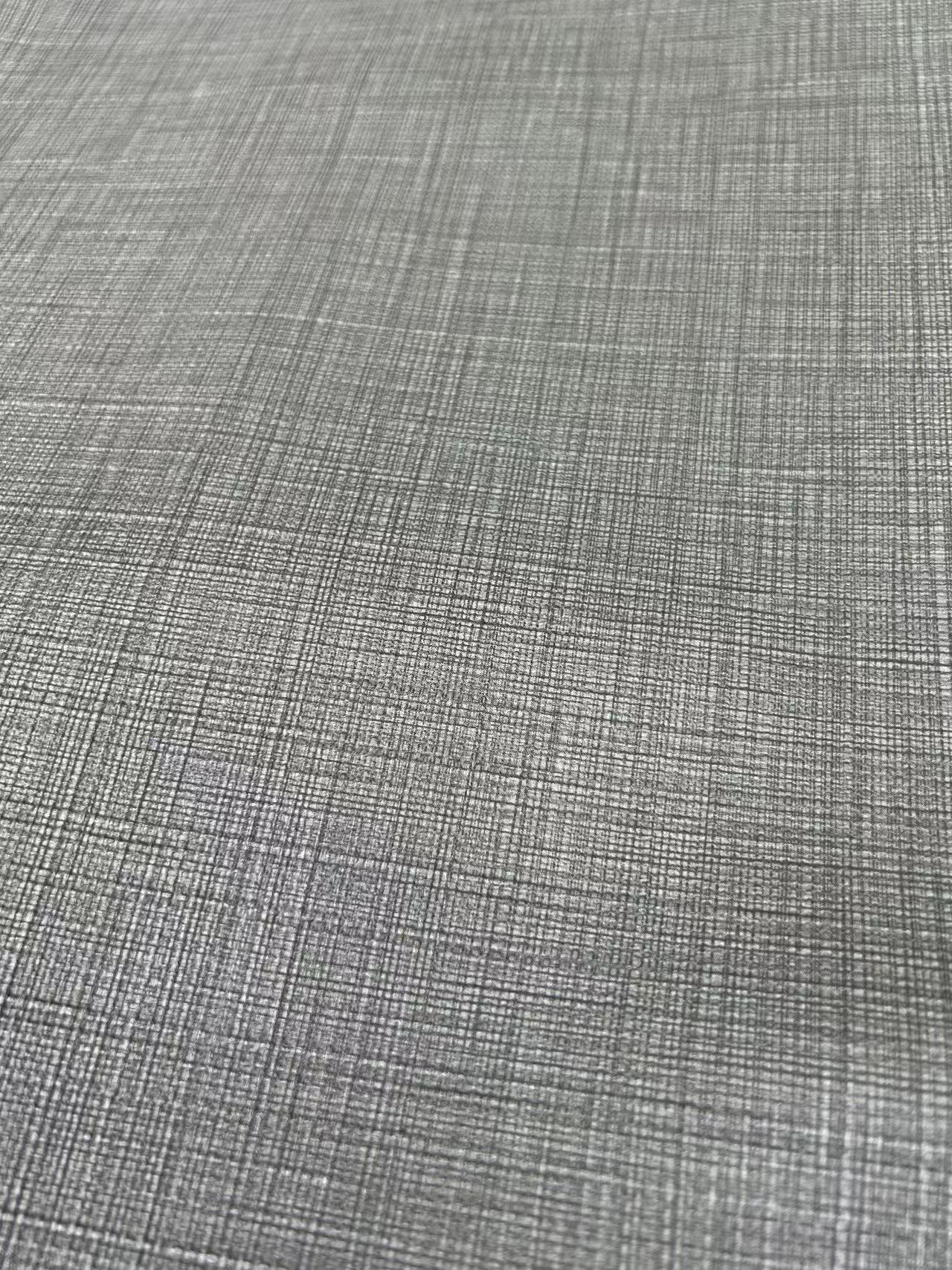
Can You Create a Custom Leather Grain Pattern When Importing Synthetic Leather from China?
Want a unique leather grain for your products? Discover how custom synthetic leather grain patterns are developed from samples using advanced vacuum texture transfer technology.
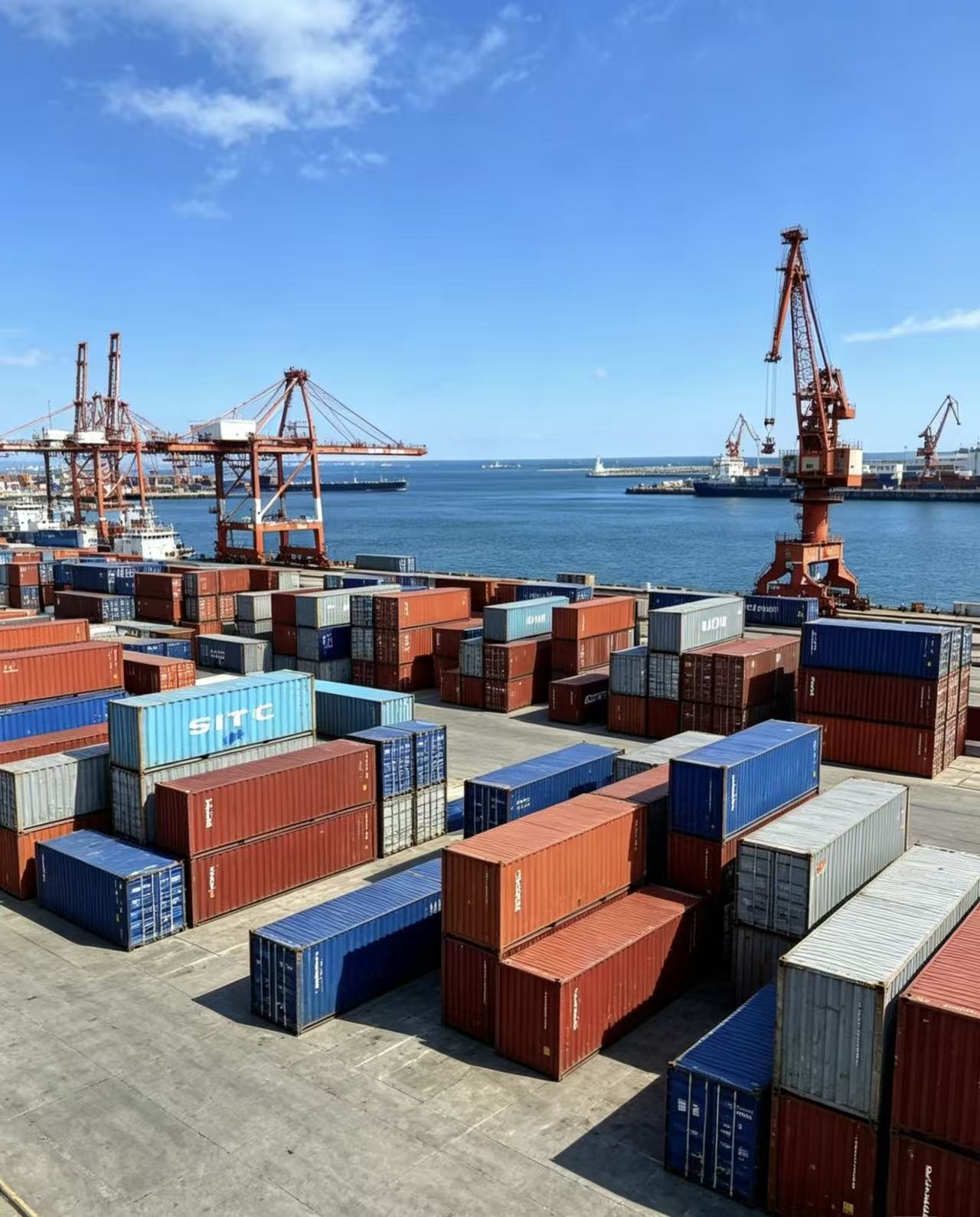
Sea Freight or Air Freight for Synthetic Leather: Which Should You Choose?
Not sure whether to ship synthetic leather by sea or air? Compare costs, transit times, advantages, and practical tips to choose the best shipping method for your business.