
Is PU Leather or PVC Leather Better for Fashion Jackets?
A fashion jacket can look expensive in photos but feel wrong in the hand. Buyers often lose sales when the surface looks nice, yet the material feels stiff, plastic-like, or unsuitable for the style.
PU leather is often the better choice for fashion jackets that need a softer hand feel, smoother drape, and more premium visual effect. PVC leather can still work for fashion jackets when the design needs stronger surface structure, a lower cost, or a specific glossy or coated look.
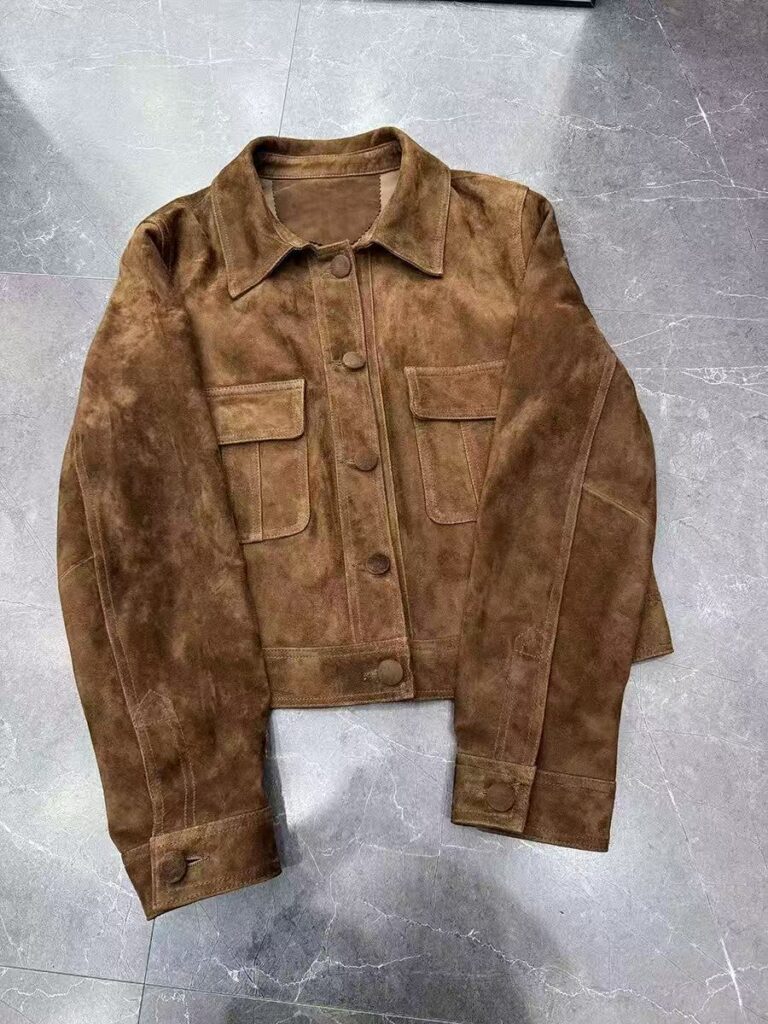
Why fashion positioning changes the answer
In many sourcing discussions, importers first ask me, “Which is better, PU or PVC?” My usual answer is, “Better for which jacket?” A slim women’s fashion jacket, a biker-style jacket, and a promotional winter jacket do not need the same artificial leather.
For fashion-oriented jackets, buyers usually care about:
- Soft hand feel
- Natural-looking grain
- Smooth drape
- Comfort during movement
- A surface that photographs well
- Color consistency across bulk production
PU leather often performs well in this area because it can be made with a soft touch and a more garment-friendly feel. However, I avoid saying PU is always premium. Some low-grade PU jacket material can feel thin, weak, or too paper-like. Some PVC leather can look attractive when the surface effect, thickness, and backing are chosen correctly.
How I compare fashion jacket materials
I normally suggest that buyers compare actual swatches, not only material names.
| Evaluation point | Why it matters for jackets | What buyers should check |
|---|---|---|
| Hand feel | Affects customer perception immediately | Softness, flexibility, surface touch |
| Drape | Affects fit and silhouette | How the material bends and folds |
| Grain pattern | Affects fashion value | Fine grain, vintage grain, smooth finish |
| Backing fabric | Affects comfort and strength | Knitted backing, woven backing, fleece backing |
| Thickness | Affects weight and structure | Common jacket range depends on style, often around 0.6–1.2 mm |
| Surface finish | Affects appearance and maintenance | Matte, semi-gloss, glossy, embossed, distressed |
For a fashion jacket line in a middle or higher retail segment, I usually start with PU samples. For a sharper, glossy, or more structured jacket, I may also show PVC options. The sourcing decision should come from the final garment target, not from a simple “PU good, PVC bad” rule.
Is PU Leather or PVC Leather Better for Cost-Sensitive Jacket Orders?
A low target price can make material selection stressful. If the buyer saves too much on the surface material, the finished jacket may look cheap, feel uncomfortable, or create complaints.
PVC leather is often considered for cost-sensitive jacket orders because it can offer a competitive price and stable surface effect.PU leather may still be suitable when the jacket needs better softness or a more fashion-driven appearance, but buyers should compare specifications and samples carefully.
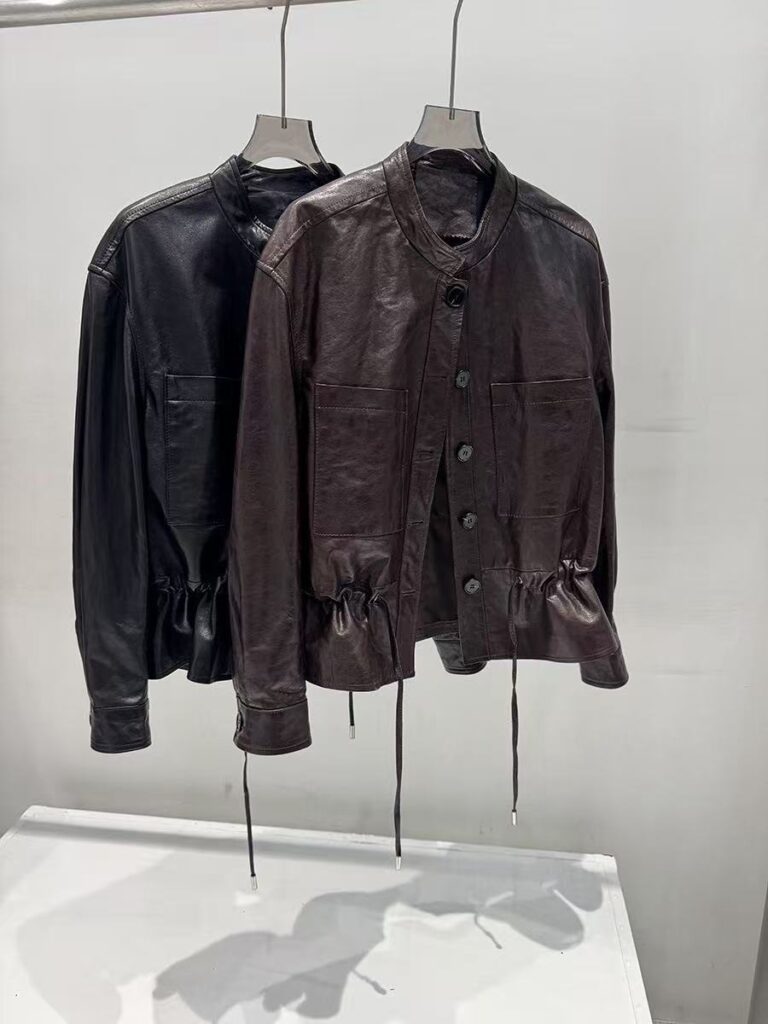
Why price alone can create procurement risk
I have seen buyers focus only on the square-meter price. That is understandable. Importers have shipping cost, duty, currency changes, and local competition to manage. Still, jacket leather is not like a simple packaging material. A small saving per meter can create a large problem if the finished jacket does not match the buyer’s market.
When a buyer asks for the “cheapest PU,” I usually slow the conversation down. I ask about:
- Target FOB or retail price
- Jacket style
- Expected thickness
- Required backing
- Color and surface effect
- Local climate
- Customer expectations in the destination market
For African and Middle Eastern markets, buyers may have different needs depending on the country, season, and sales channel. Some markets accept a more structured hand feel if the jacket looks durable and has a strong price advantage. Other markets prefer softer materials because the customer touches the garment before buying.
How buyers should compare costs
A fair comparison should use a full specification, not only “PU” or “PVC.”
| Cost factor | Why it affects price | Buyer risk if ignored |
|---|---|---|
| Resin type | PU and PVC have different production costs | Wrong comparison between unequal grades |
| Thickness | More material usually means higher cost | Thin material may feel weak |
| Backing fabric | Knitted, woven, or fleece backing changes cost | Poor comfort or low tear strength perception |
| Surface treatment | Matte, glossy, embossed, or distressed effects add cost | Visual effect may not match sample |
| Order quantity | Larger volume can improve pricing | Small orders may have limited color options |
| Color fastness expectations | Needs confirmation by testing | Possible complaints if unverified |
The safest method is to ask suppliers for several levels of samples. I often prepare an economy option, a balanced option, and a higher-feel option. This helps the importer choose based on the actual market segment instead of guessing from the name.
Is PU Leather or PVC Leather Better for Water Resistance and Durability?
A jacket buyer may assume PVC means waterproof and PU means breathable. That shortcut can be risky. The actual performance depends on coating, thickness, finishing, seams, lining, and garment construction.
PVC leather often has an advantage in water resistance and surface toughness, while PU leather often has an advantage in softness and comfort. However, waterproofness, abrasion resistance, flex resistance, and durability should be confirmed through samples, specifications, and qualified testing when needed.
Why performance claims need confirmation
I try not to promise performance based only on the material name. In artificial leather sourcing, “PU leather” and “PVC leather” describe broad material families. They do not automatically prove waterproofness, breathability, abrasion resistance, or long-term durability.
For jacket buyers, durability can mean several different things:
- The surface does not peel quickly.
- The material does not crack during normal use.
- The color does not transfer easily.
- The jacket keeps its shape.
- The surface resists light rain.
- The garment feels acceptable after storage and shipping.
These points should be discussed separately. A PVC leather jacket material may resist surface water well, but it may feel warmer or less breathable. A PU leather material may feel softer and more comfortable, but the buyer still needs to confirm the finishing quality and backing strength.
What I ask buyers to verify
When performance matters, I suggest that importers request written specifications and, when needed, third-party testing. I do not treat supplier words as a replacement for verification.
| Property | Common buyer concern | How to verify |
|---|---|---|
| Water resistance | Light rain or wet markets | Sample check and lab test if required |
| Abrasion resistance | Surface wear during use | Qualified test method if important |
| Flex resistance | Cracking at elbows or folds | Sample bending and formal testing |
| Peel strength | Coating separation | Supplier spec and test report if needed |
| Color migration | Color transfer to lining or clothing | Lab test for critical colors |
| Cold resistance | Cracking in cooler climates | Application-specific evaluation |
For jacket orders, I recommend testing more carefully when the goods will be sold under a brand name or in a market with strict retailer standards. If the jacket is for basic wholesale channels, buyers may still need practical sample approval. Either way, the buyer should not assume that PU leather or PVC leather automatically meets every durability requirement.
Does Thickness, Backing, and Surface Finish Matter More Than PU Leather or PVC Leather?
A buyer can choose the “right” material family and still receive the wrong jacket material. Thickness, backing fabric, and finishing often decide whether the jacket feels wearable, strong, and attractive.
Yes. Thickness, backing, grain pattern, and surface treatment can matter as much as the choice between PU leather or PVC leather. Buyers should compare complete material specifications because two PU materials or two PVC materials can perform very differently in finished jackets.

Why material names are not enough
When I quote jacket leather, I do not like receiving only one line that says, “Please quote PU leather for jackets.” That request is too broad. It is like asking for “fabric” without saying whether the buyer needs denim, lining, or fleece.
For artificial leather jackets, the material structure usually includes:
- Surface layer
- Foam or intermediate layer, if used
- Backing fabric
- Embossing or grain
- Top treatment or finishing
- Color and gloss level
Each part changes the final result. A 0.6 mm soft PU with knitted backing can feel very different from a 1.0 mm PU with a stiffer backing.A PVC leather with a good grain and suitable backing can look more valuable than a poorly selected PU. This is why I always ask for a reference sample, target thickness, or finished jacket photo when possible.
Key specifications buyers should define
| Specification | Typical sourcing question | Why it matters |
|---|---|---|
| Thickness | Do you need light, medium, or heavy jacket material? | Controls weight, drape, and perceived value |
| Backing | Knitted, woven, fleece, or other backing? | Affects comfort, strength, and warmth |
| Grain | Smooth, lambskin grain, pebble, crocodile, vintage? | Controls fashion style |
| Gloss | Matte, semi-matte, semi-gloss, high gloss? | Affects market taste |
| Color | Black, brown, tan, burgundy, custom color? | Affects MOQ and production control |
| Hand feel | Soft, medium, firm, waxy, dry touch? | Affects buyer approval |
| Finish | Plain, embossed, printed, distressed, washed effect? | Affects visual value and cost |
I tell buyers to approve a sealed sample before bulk production. This sample should include color, thickness, grain, backing, and hand feel. It reduces arguments later because both sides can compare production against the approved standard.
How Should Importers Choose PU Leather or PVC Leather for Their Target Market?
A jacket material may sell well in one country and fail in another. Climate, wearing habits, retail price, fashion taste, and customer expectations all shape the right sourcing decision.
Importers should choose PU leather or PVC leather by matching the material to the jacket’s target market, sales channel, retail price, season, and end-user expectations. The best material is the one that supports the buyer’s commercial positioning while meeting confirmed quality requirements.

Why market fit matters
For many jacket orders, the technical question is only half of the decision. The commercial question is just as important. I have had buyers request a very soft PU leather because they believed it was “better.” After we discussed their local price point, they realized the jacket would become too expensive for their wholesale customers.
I have also seen the opposite. Some buyers start with the lowest PVC leather option. Then they worry that the jacket will not match the fashion image they want. In that case, moving to a better-finished PVC or a balanced PU option may make more sense.
A simple sourcing framework
I usually guide buyers through these questions:
-
Who will wear the jacket?
Young fashion customers, workers, motorcycle-style buyers, or general retail customers may expect different materials. -
Where will the jacket be sold?
Boutique, supermarket, wholesale market, online store, and uniform channel all have different standards. -
What is the target price?
The material must support the final price after garment production, freight, duty, and margin. -
What climate will the jacket face?
Hot, humid, dry, dusty, or cooler climates influence comfort and surface requirements. -
What is the main selling point?
Is the jacket sold for fashion, durability, water resistance, low price, or brand image?
Practical selection guide
| Jacket positioning | Material direction to consider | Reason |
|---|---|---|
| Fashion jacket | Softer PU or higher-finish PVC | Better appearance and hand feel |
| Budget casual jacket | PVC or economy PU | Keeps cost under control |
| Water-resistant casual jacket | PVC or specially finished PU | Surface protection may be important |
| Premium-look jacket | Higher-grade PU with good backing | Better softness and drape |
| Structured biker style | PU or PVC with firmer hand feel | Stronger shape and bold surface |
| Promotional jacket | Cost-balanced PVC or PU | Price stability matters |
The right answer is not a slogan. It is a match between material, garment design, buyer budget, and market expectation. That is why I always prefer to discuss the finished jacket plan before sending a final recommendation.
Frequently Asked Questions
Is PU leather always better than PVC leather for jackets?
No. PU leather is often preferred for softer and more fashion-focused jackets, but PVC leather can be suitable for cost-sensitive, structured, or water-resistant jacket styles. Buyers should compare samples, thickness, backing, surface finish, and target market needs before deciding.
Is PVC leather too stiff for jackets?
PVC leather can be stiff, but it is not always unsuitable for jackets. Its feel depends on formulation, thickness, backing fabric, and surface treatment. Some PVC jacket materials are designed to be more flexible, while others are made for stronger structure and durability.
What thickness is best for artificial leather jackets?
There is no single best thickness. Many jacket materials fall around 0.6–1.2 mm, depending on style and market positioning. Lighter jackets need better drape, while structured jackets may need more body. Buyers should approve samples before bulk orders.
Should I choose material by price first?
Price matters, but it should not be the only factor. A very low price may create poor hand feel, weak appearance, or complaint risk. I suggest comparing at least three sample levels: economy, balanced, and higher-quality options.
Can PU or PVC leather be customized for my jacket brand?
Yes. Artificial leather can often be customized in color, grain, gloss, thickness, backing, and surface effect. Buyers should share target samples, photos, technical requirements, and order quantity so the supplier can recommend realistic options.
Conclusion
PU leather or PVC leather can both be right for jackets. The better choice depends on fashion positioning, price point, climate, hand feel, finish, and durability expectations. If you are sourcing jacket material, send me your target sample, market, budget, and specifications. I can help you compare practical PU and PVC leather options.
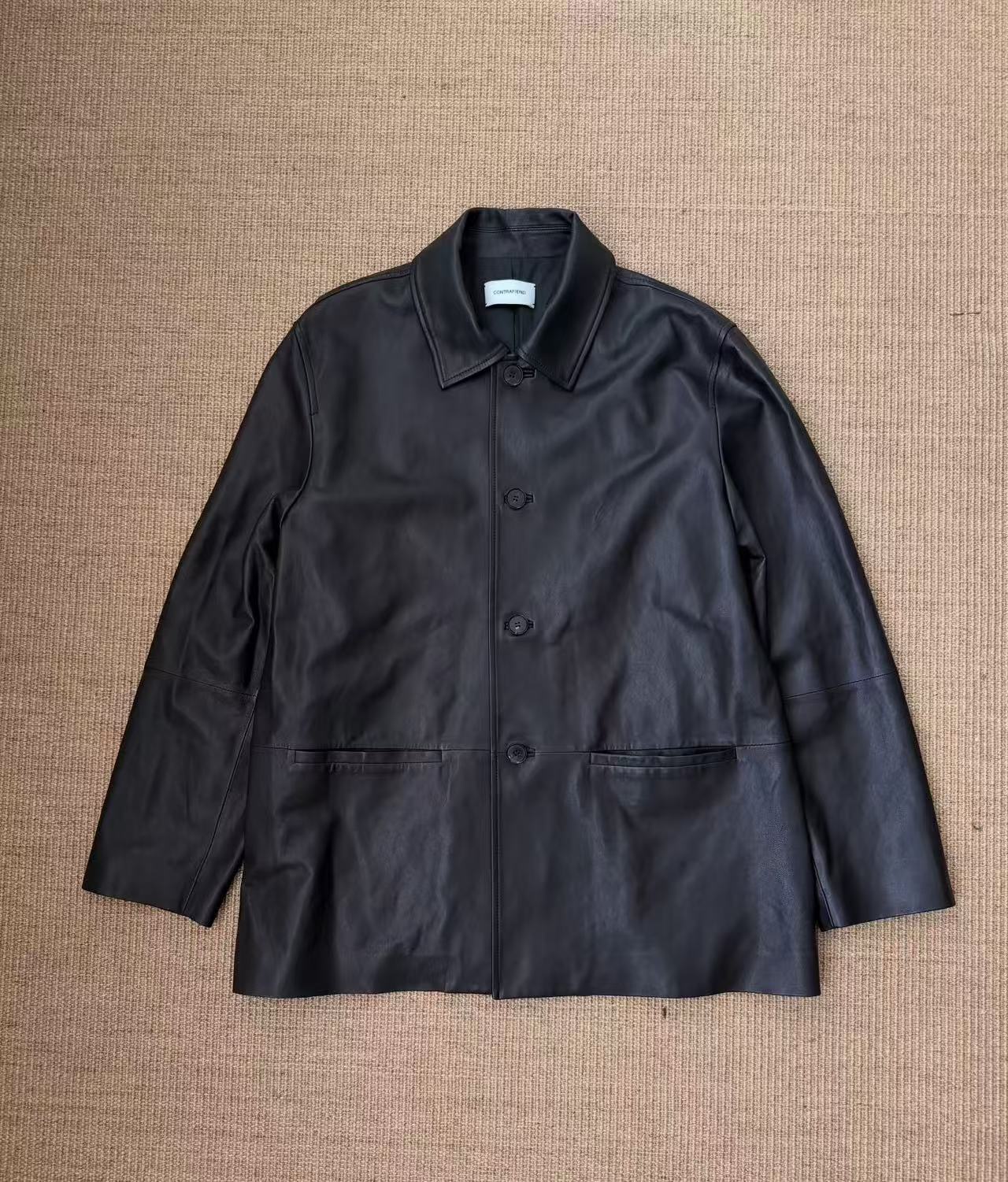
What is garment leather?
Discover what garment leather is and compare PU, PVC, and natural leather. Learn how comfort, breathability, durability, and cost affect your material choice.
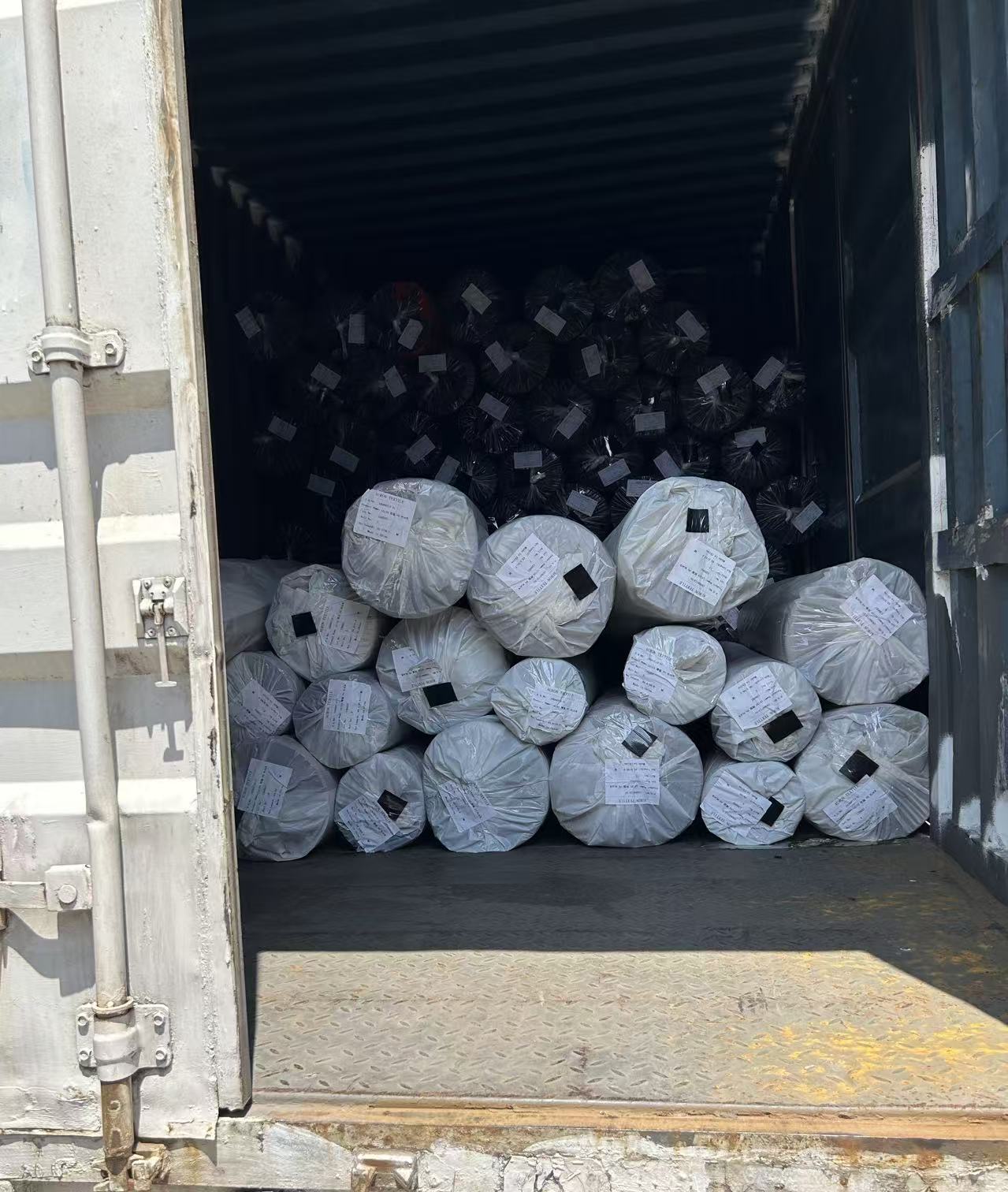
Can you provide special packaging when I import custom synthetic leather from China?
Learn how special packaging for custom synthetic leather can be arranged, including roll length, labels, plastic bags, markings, and shipping requirements.
Can You Create a Custom Leather Grain Pattern When Importing Synthetic Leather from China?
Want a unique leather grain for your products? Discover how custom synthetic leather grain patterns are developed from samples using advanced vacuum texture transfer technology.