
Why Is the Final Application the First Thing Suppliers Ask?

Many buyers request artificial leather without explaining how it will be used. This causes wrong material choices, failed tests, and costly delays. Clear application details prevent these problems early.
Final application determines performance standards, material structure, and testing requirements for artificial leather.
The final application is the foundation of every artificial leather customization project. A sofa, an automotive seat, and a handbag may all use artificial leather—but they require completely different performance levels.
For example, sofa artificial leather focuses on abrasion resistance, flexibility, and long-term comfort. Automotive artificial leather must handle heat, UV exposure, and strict odor limits. Bags may prioritize tear strength and surface scratch resistance. Without knowing the application, suppliers are guessing—and guessing is expensive.
At ZD Leather, we always start by asking: Where will this artificial leather be used? This helps us choose the correct PVC or PU formulation, coating method, and testing standards. Synthetic leather used for furniture is not the same as faux leather used for automotive interiors.
Clear usage information means faster sampling, fewer revisions, and materials that actually pass your market’s requirements.
How Detailed Should Color, Texture, and Gloss Information Be?
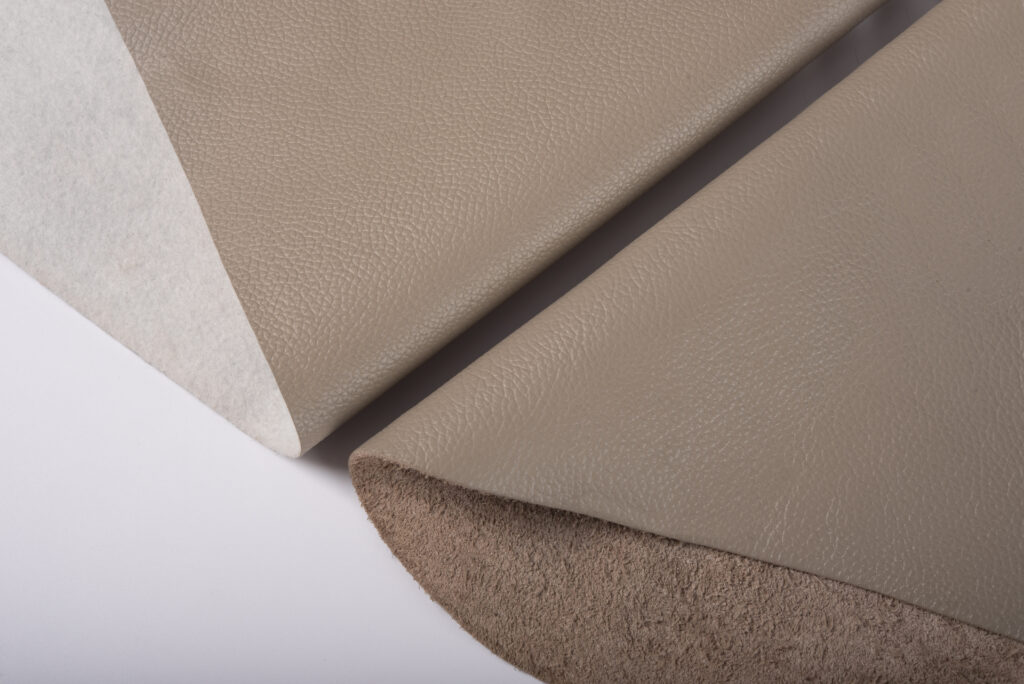
“Black” sounds simple—until five samples arrive and none look right. Vague descriptions cause endless back-and-forth. Precise references save time and frustration.
Accurate color, texture, and gloss references ensure artificial leather matches design expectations and stays consistent in bulk production.
Color and texture are where many artificial leather projects quietly go wrong. Words like black, brown, or soft grain are helpful—but not enough.
Whenever possible, suppliers need physical samples, Pantone references, or at least high-quality images under natural light. Gloss level matters too: matte, semi-matte, or glossy surfaces look completely different on a finished sofa or seat.
This becomes even more critical when artificial leather must match genuine leather. Many sofa brands use real leather on contact areas and PVC artificial leather on non-contact areas. If the grain, color tone, or shine is off—even slightly—the sofa looks mismatched.
ZD Leather specializes in matching artificial leather to genuine leather samples, adjusting grain depth, color temperature, and surface finish until the difference is almost invisible. That’s where clear references make all the difference.
Why Are Thickness, Backing, and Hand Feel So Important?
Buyers often say, “Normal thickness is fine.” Unfortunately, “normal” means something different to everyone. This leads to wrong samples and wasted time.
Thickness tolerance, backing fabric, and hand feel directly affect durability, comfort, and processing performance of artificial leather.
Artificial leather is a layered material, and small differences matter more than many buyers expect. Thickness should be specified clearly—ideally with a range, such as 1.2–1.4 mm. Even a 0.1 mm difference can affect sewing, stretching, and final appearance.
Backing fabric is another key factor. Knitted, woven, or non-woven backings all behave differently during upholstery. Some offer stretch, others provide stability. Choosing the wrong one can cause wrinkles or poor fit.
Hand feel is equally important, even if it’s subjective. Words like soft, firm, elastic, or structured help suppliers adjust formulations. High-quality synthetic leather and faux leather can be engineered for very specific tactile experiences—but only if expectations are clear.
What Environmental Standards and Certifications Should Be Stated Upfront?
Certification surprises are never good surprises. Discovering compliance issues after sampling wastes time and money. Clear requirements prevent this risk.
Stating environmental standards early ensures artificial leather meets market regulations and avoids costly rework.
Different markets follow different rules. Artificial leather exported to the EU, US, or Middle East may require REACH, RoHS, OEKO-TEX, or Proposition 65 compliance. If these requirements are not stated early, suppliers may develop samples that fail later testing.
At ZD Leather, we adjust material formulas based on target markets from the beginning. Low-VOC processing, eco-friendly plasticizers, and controlled additives are selected according to certification needs.
This applies to PVC artificial leather, PU synthetic leather, and even specialty faux leather. The earlier standards are confirmed, the smoother the project runs—and the fewer surprises appear near shipment time.
How Do Order Quantity and Target Price Affect Customization?
Everyone wants premium quality at a low price. But unrealistic expectations stall projects. Clear volume and budget targets keep customization practical.
MOQ and target pricing influence material options, production methods, and customization depth.
Customization is flexible—but not limitless. Order quantity directly affects feasible material structures, tooling costs, and color consistency. Larger volumes allow deeper customization and better pricing stability.
Target price matters just as much. If expectations are unrealistic, suppliers may need to simplify textures, adjust backing choices, or recommend alternative formulations. This doesn’t mean lower quality—it means smarter engineering.
Experienced suppliers help buyers balance appearance, performance, and cost. At ZD Leather, we often suggest multiple artificial leather solutions at different price levels, letting buyers choose what fits best. Clear communication here avoids disappointment later.
Why Are Physical Samples Still the Most Reliable Reference?
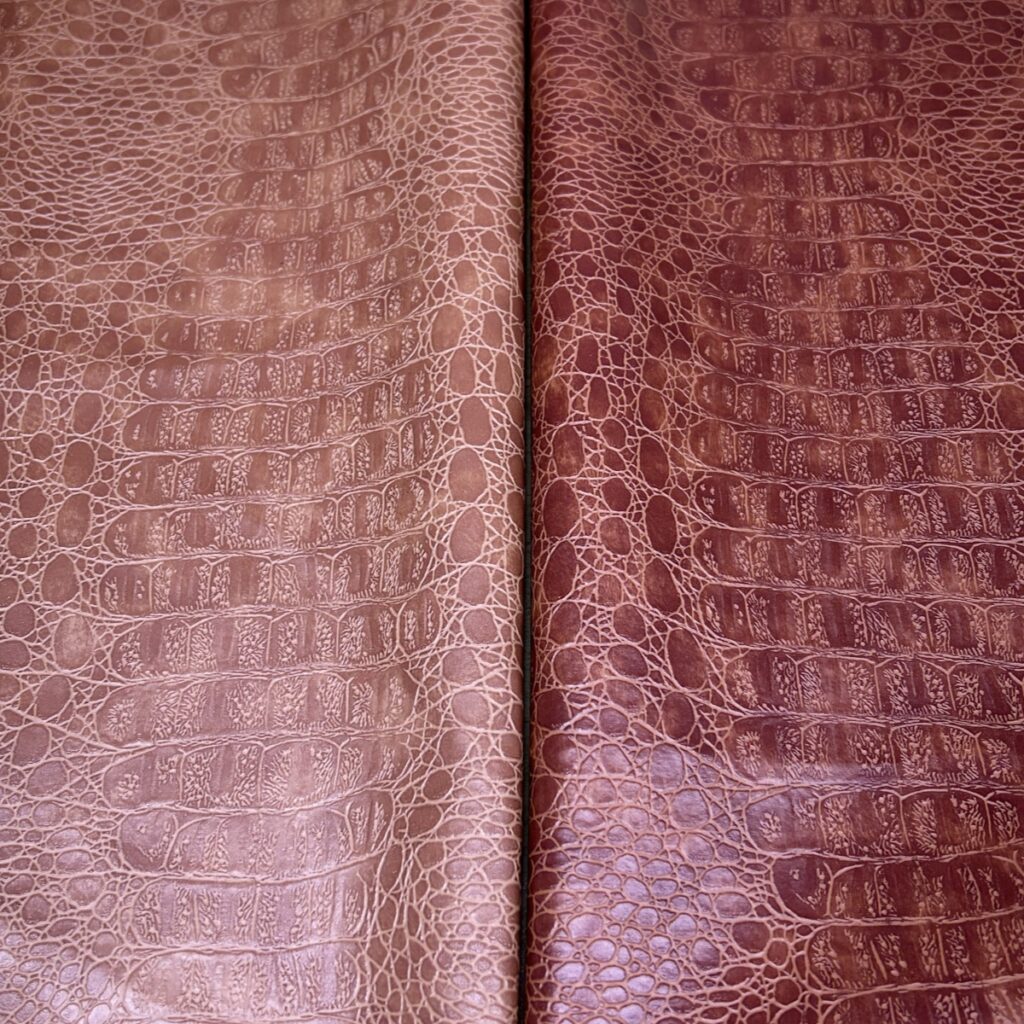
Images look great—until the real material arrives. Screens lie. Samples don’t. Physical references reduce risk dramatically.
Physical samples allow buyers to verify color, texture, odor, and performance before bulk production.
No matter how advanced technology becomes, physical samples remain essential. Artificial leather must be seen, touched, and even smelled. Odor control, softness, stretch, and surface feel cannot be judged accurately through photos.
Requesting samples allows buyers to test sewing, cutting, and real-world performance. It also helps verify consistency before mass production.
ZD Leather provides custom samples based on real application needs, allowing buyers to make confident decisions before committing to large orders. This step alone prevents many costly mistakes when importing synthetic leather or faux leather products.
Conclusion
Successful artificial leather customization starts with clear information. When buyers share application, design, performance, and compliance details upfront, suppliers can deliver faster sampling, stable quality, and fewer surprises—making the entire process smoother for everyone involved.
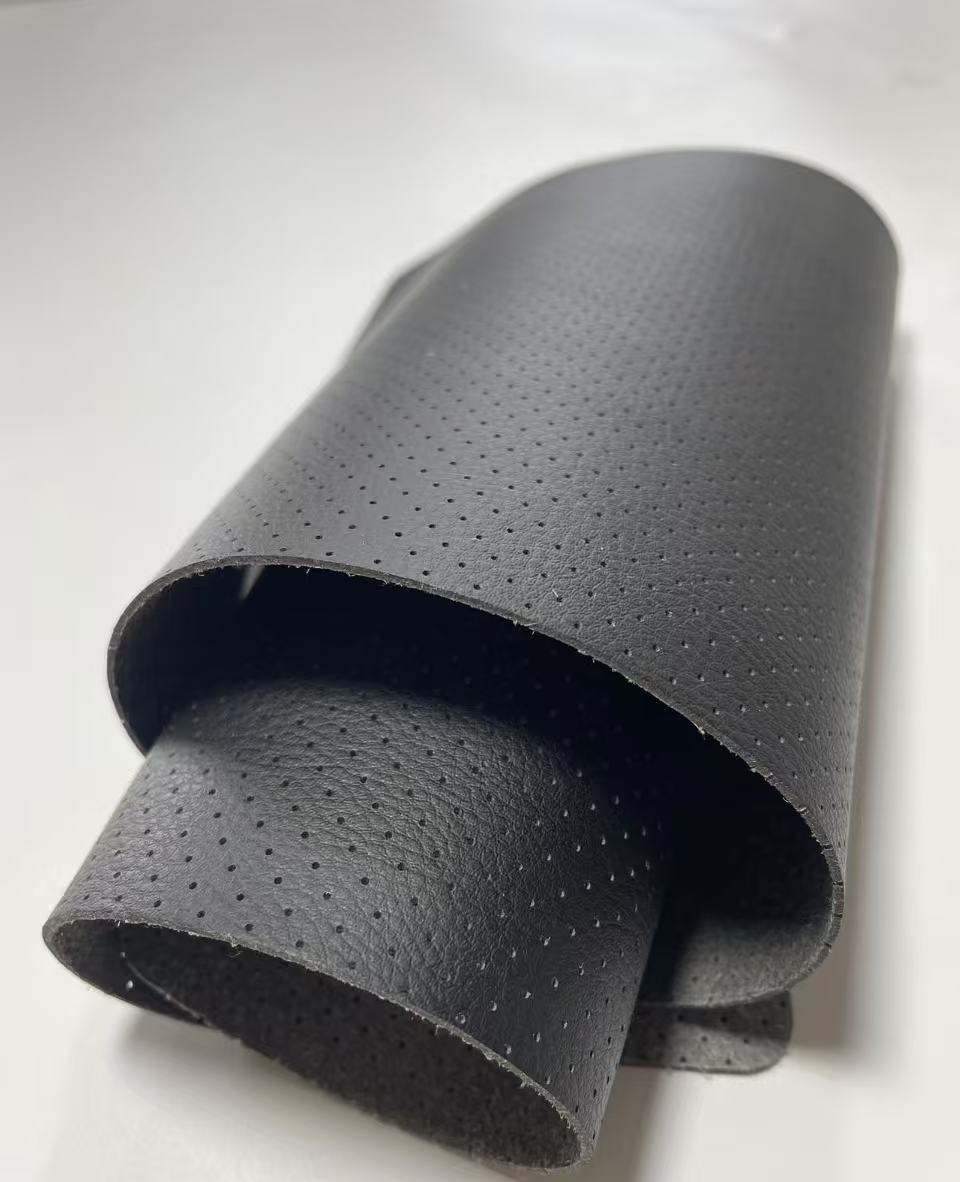
Why Can Two Synthetic Leathers With the Same Specifications Perform Very Differently?
Synthetic leather with the same specifications can still perform differently. This article explains the hidden factors behind performance gaps and how buyers can ensure consistent quality.
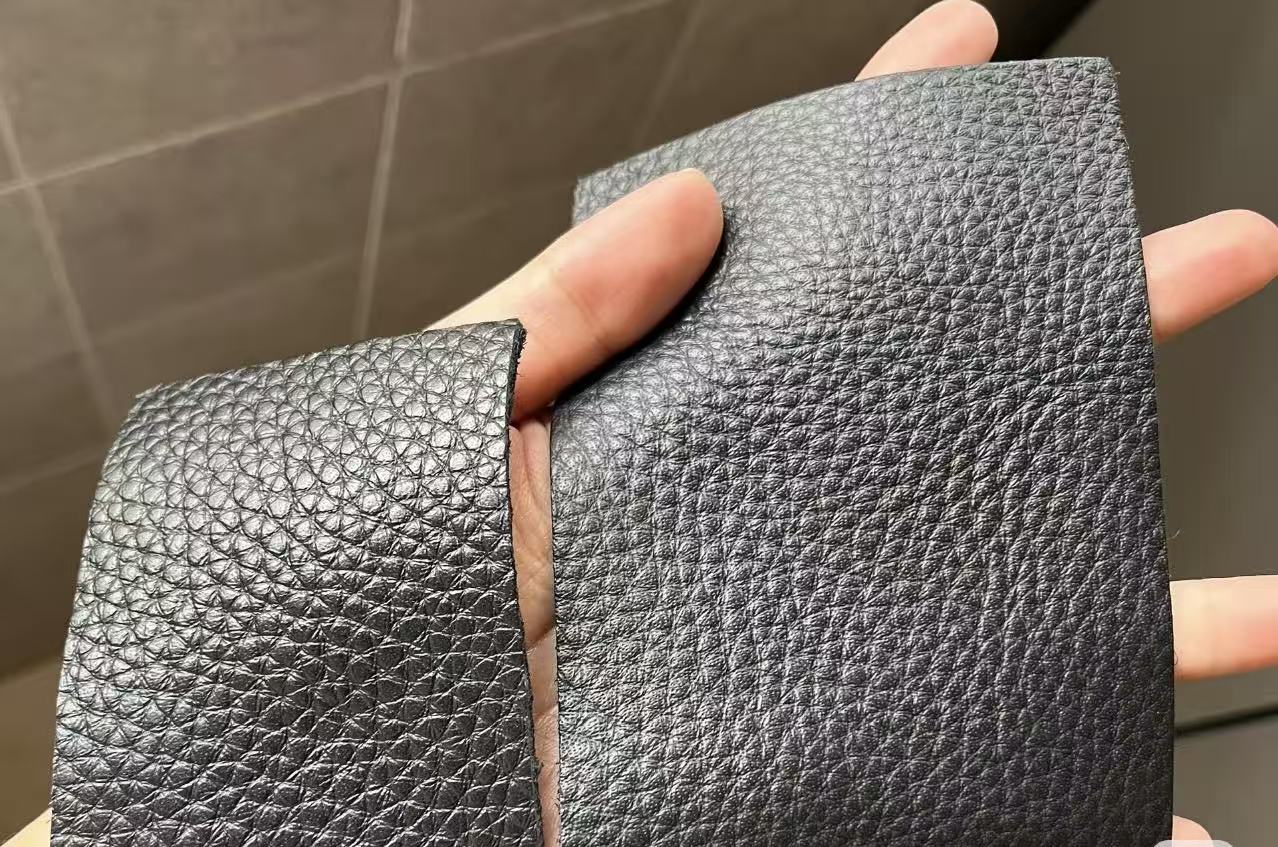
Why Does Synthetic Leather Quality Vary Between Batches?
Synthetic leather quality can vary between batches due to materials, production, and supplier control. This guide explains the causes and how buyers can ensure consistent quality.
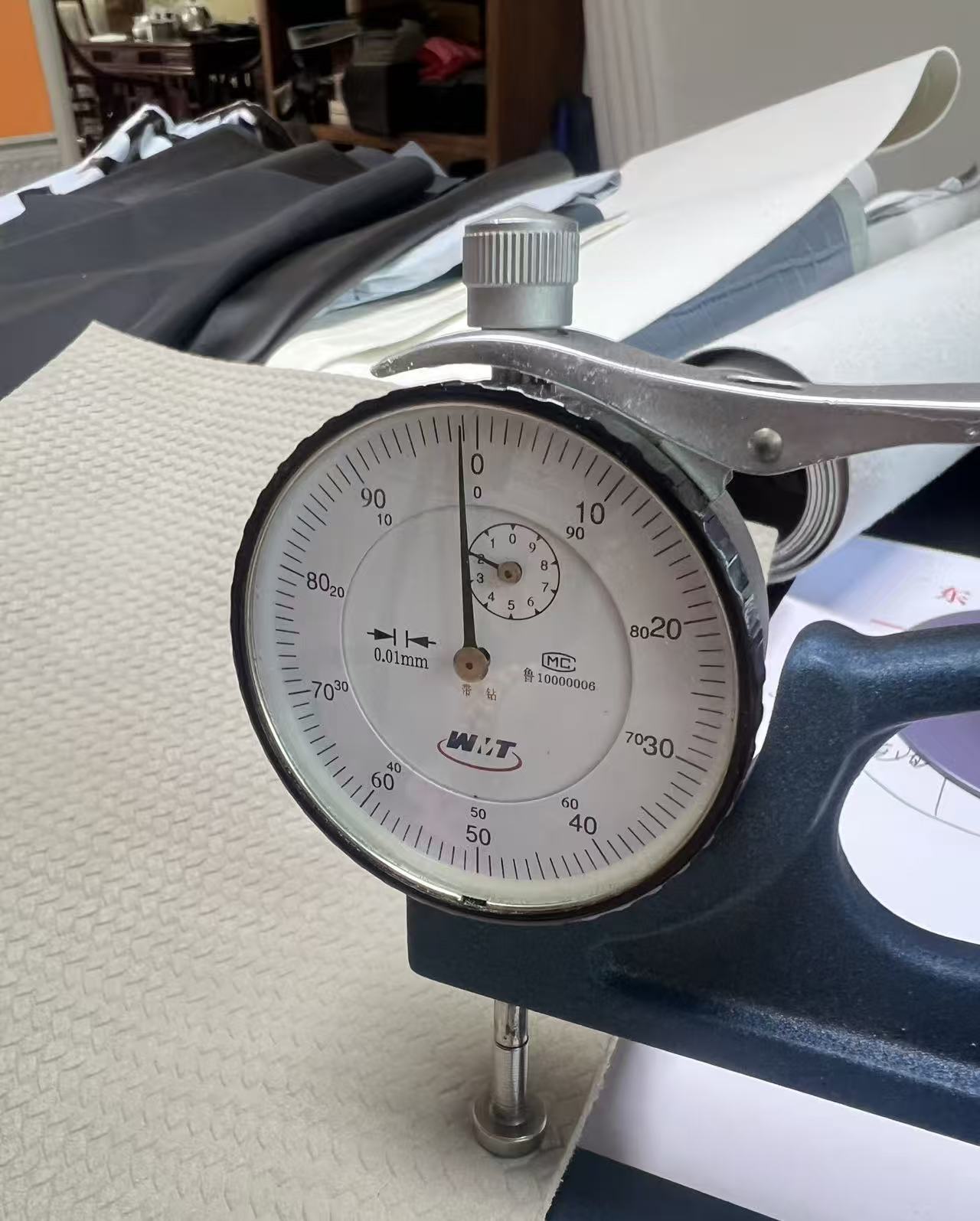
Does Thickness Really Decide Faux Leather Quality (And What Matters More)?
Many buyers assume thicker faux leather means better quality. This article explains why thickness alone is not enough and what really determines synthetic leather performance.