Why Do Some Buyers Think Faux Leather Is Unsafe?
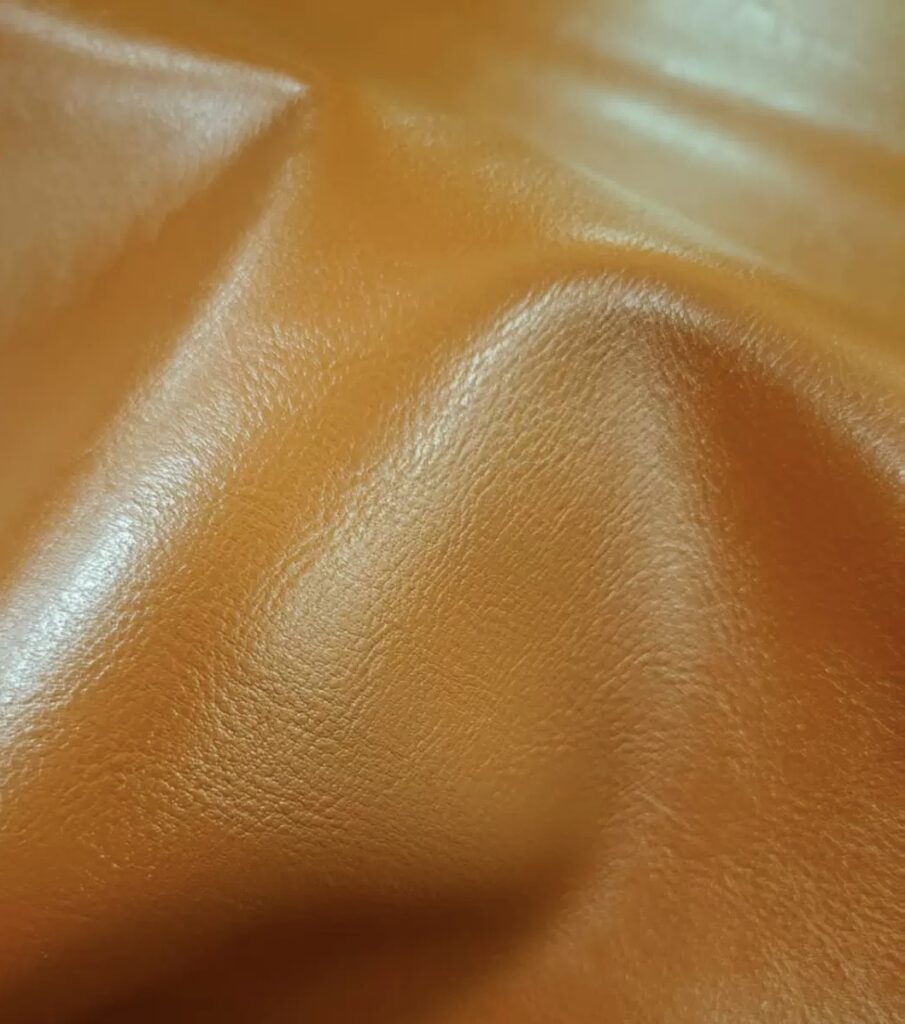
Faux leather has carried a questionable reputation for years. Unfortunately, many buyers are judging today’s products based on yesterday’s problems.
Many concerns about artificial leather come from older manufacturing methods, poor-quality materials, and outdated industry practices rather than modern production standards.
If you mention faux leather to some buyers, they immediately think of strong odors, cracking surfaces, or questionable chemicals. While those concerns were not completely unfounded decades ago, the industry has changed significantly.
In the past, some manufacturers used lower-quality raw materials and less advanced production processes. Products often contained higher levels of plasticizers and other substances that would not meet today’s environmental requirements. As a result, some artificial leather products developed a reputation for unpleasant odors and inconsistent quality.
However, modern synthetic leather manufacturing is very different. Environmental regulations have become stricter, testing procedures have improved, and buyers now demand greater transparency from suppliers.
Today’s reputable manufacturers carefully select raw materials and monitor production processes to ensure compliance with international standards. In many cases, modern faux leather products are designed specifically for markets with strict environmental requirements, including Europe and North America.
The problem is that old perceptions often survive long after the industry has moved forward.
Is Modern Faux Leather Safe for Homes and Commercial Spaces?

Many people assume natural materials are automatically safer than synthetic alternatives. The reality is often more complicated.
Modern synthetic leather can be safely used in furniture, hospitality, automotive,and commercial applications when produced according to recognized environmental standards.
Walk through a hotel lobby, airport lounge, restaurant, or office building, and you’ll likely find synthetic leather in use somewhere.
Why?
Because modern faux leather offers a practical combination of durability, easy maintenance, and safety when manufactured correctly.
For furniture applications, compliant materials are designed to minimize harmful emissions and maintain stable performance throughout their service life. In hospitality projects, materials are often selected based on environmental certifications and indoor air quality requirements.
Automotive applications can be even more demanding. Vehicle interiors must meet strict standards regarding emissions, odor levels, and material performance. Manufacturers supplying these industries are expected to meet rigorous testing requirements before materials are approved.
In other words, modern synthetic leather is not being used because buyers are willing to accept lower standards. It is being used because it can successfully meet the standards required by some of the world’s most demanding industries.
When produced responsibly, faux leather can be both practical and safe for everyday use.
Are PVC Leather and PU Leather Safe?
One of the biggest misconceptions in the industry is that one material is automatically safe while the other is automatically unsafe.
Both PVC leather and PU leather can meet strict environmental requirements when manufactured with compliant raw materials and proper quality control procedures.
This question appears in buyer inquiries all the time.
Some buyers assume PVC leather is always harmful. Others believe PU leather is automatically environmentally friendly. Neither assumption tells the full story.
The truth is that safety depends far more on the manufacturing process than on the material category itself.
Modern PVC leather can be produced to comply with REACH, RoHS, low VOC, and flame-retardant requirements. Likewise, PU leather can achieve excellent environmental performance when manufactured using compliant formulations and properly controlled processes.
On the other hand, both PVC and PU materials can perform poorly if produced using substandard raw materials or weak quality control systems.
Think of it like food. Calling something “vegetarian” does not automatically make it healthy. The ingredients and preparation still matter.
The same principle applies here.
Rather than asking whether PVC leather or PU leather is safer, buyers should ask whether the product has been tested, certified, and manufactured according to the standards required for their market.
For most commercial buyers, that question provides a much more useful answer.
What Environmental Standards Should Buyers Look For?
Many buyers ask suppliers for certificates. The challenge is knowing which ones actually matter for their market.
REACH, RoHS, and low VOC requirements are among the most commonly requested environmental standards for faux leather and synthetic leather products.
Environmental compliance can sound intimidating at first. Fortunately, buyers do not need to become regulatory experts to make informed decisions.
For most international projects, a few key standards appear repeatedly.
REACH is widely recognized in Europe and focuses on controlling substances that may pose risks to human health or the environment. Buyers selling products into European markets often request REACH compliance as a basic requirement.
RoHS is another commonly requested standard. Although originally associated with electronic products, it is frequently referenced in supply chains that require strict control of hazardous substances.
Low VOC requirements have also become increasingly important. VOC stands for Volatile Organic Compounds, which can contribute to odors and affect indoor air quality. This is especially important for furniture, hospitality projects, office seating, and automotive interiors where people spend long periods of time.
Some projects may also require flame-retardant performance, antimicrobial properties, or additional environmental certifications depending on the application.
The important point is this: buyers do not necessarily need every possible certificate. They need the certifications that match their target market and project requirements.
Requesting the right documents is far more useful than collecting certificates that have no relevance to the final application.
How Can Buyers Verify Compliance Before Ordering?
Anyone can claim a product is compliant. Verification is what separates marketing from reality.
Buyers should review test reports, certification documents, and third-party laboratory results before placing large synthetic leather orders.
Experienced buyers know that a certificate alone does not tell the whole story.
When evaluating a supplier, start by requesting recent testing reports rather than relying solely on promotional materials. The testing date matters because compliance should reflect current production, not a report from several years ago.
It is also important to check which laboratory performed the testing. Reputable third-party testing organizations generally provide greater confidence than documents issued without independent verification.
Buyers should verify that the report applies to the actual material being purchased. Sometimes a supplier may present a certificate for one product while offering a different product for production.
Another good practice is requesting samples from the same batch that will be used for production whenever possible. This helps reduce the risk of performance differences between testing samples and commercial orders.
In short, trust is important, but verification is better.
A few extra questions before placing an order can prevent major headaches later.
Why Does the Supplier Matter More Than the Certificate?

A certificate proves one successful test. A reliable supplier proves consistent performance year after year.
Stable production processes and consistent quality control are often more important than a single compliance document.
Many buyers focus heavily on certificates during supplier selection. While certifications are important, they only provide a snapshot of a product at a specific point in time.
What happens after that is equally important.
Can the supplier maintain the same quality six months later?
Can they deliver the same color, texture, and environmental performance across multiple batches?
Can they provide genuine documentation whenever new testing is required?
These questions often have a greater impact on project success than the certificate itself.
Large commercial buyers understand this well. They are not simply purchasing a roll of material. They are purchasing reliability.
A supplier with strong quality control systems, stable raw material sourcing, and consistent production management can help buyers avoid many common problems, including quality disputes, batch variations, delayed shipments, and compliance concerns.
At ZD Leather, environmental compliance is treated as part of the manufacturing process rather than a marketing claim. We support customers with customized requirements including REACH, RoHS, low VOC, flame-retardant, and other project-specific standards while maintaining stable quality across production batches.
Because in real business, consistency is what builds long-term trust.
Conclusion
Modern faux leather can be a safe, durable, and environmentally compliant material when produced according to recognized standards. Rather than focusing on outdated myths, buyers should evaluate testing, compliance, and supplier reliability to make confident sourcing decisions.
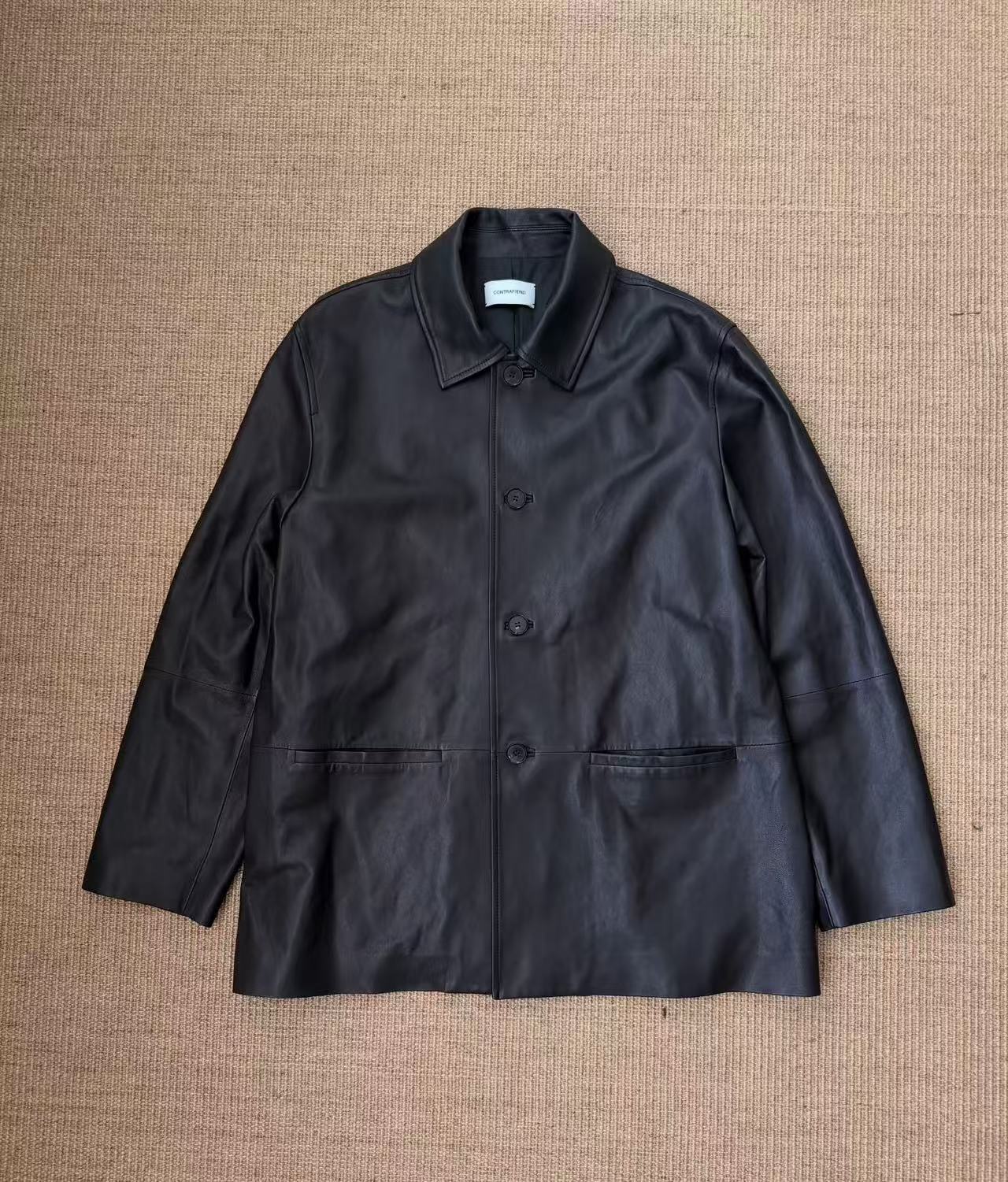
What is garment leather?
Discover what garment leather is and compare PU, PVC, and natural leather. Learn how comfort, breathability, durability, and cost affect your material choice.
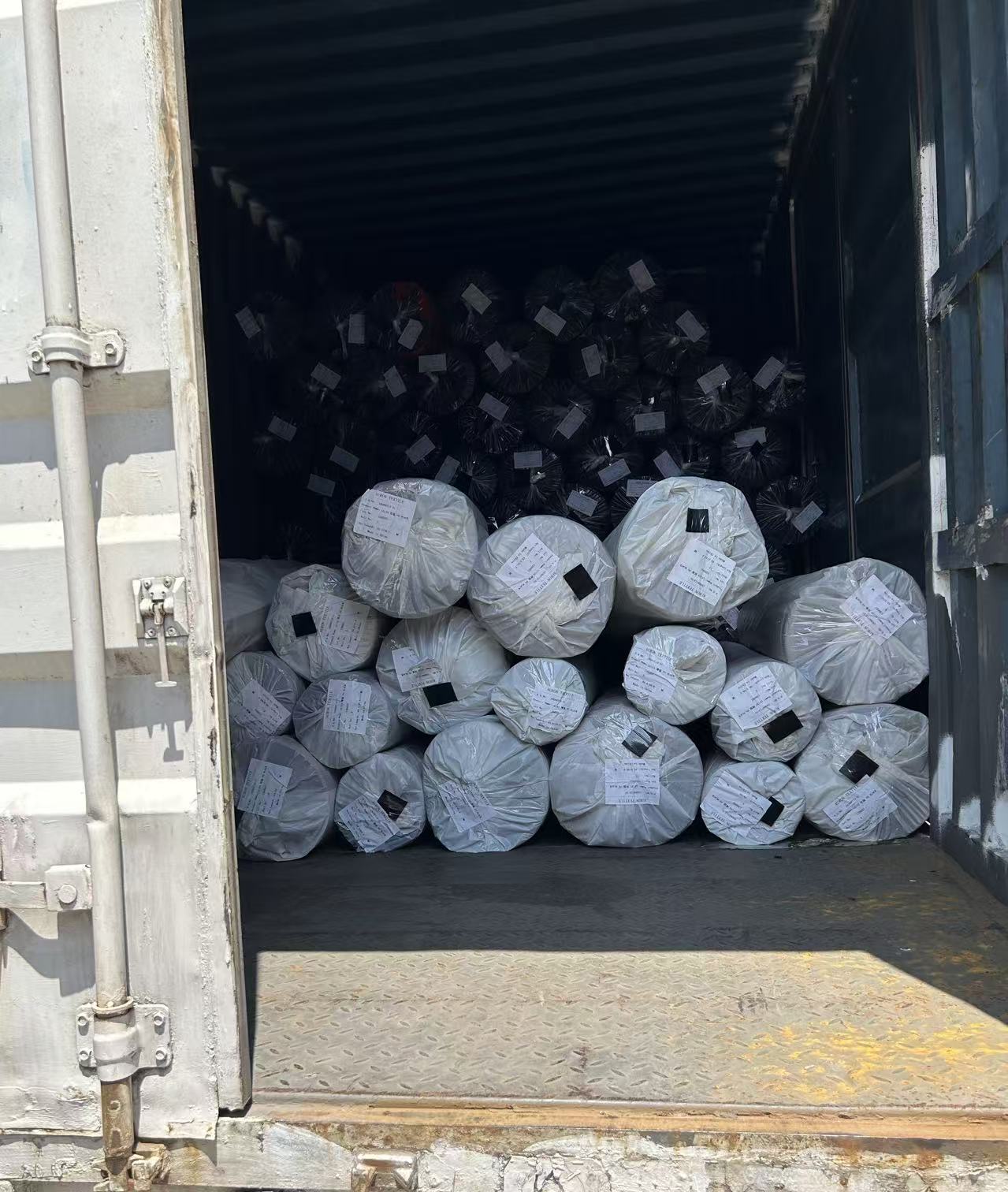
Can you provide special packaging when I import custom synthetic leather from China?
Learn how special packaging for custom synthetic leather can be arranged, including roll length, labels, plastic bags, markings, and shipping requirements.
Can You Create a Custom Leather Grain Pattern When Importing Synthetic Leather from China?
Want a unique leather grain for your products? Discover how custom synthetic leather grain patterns are developed from samples using advanced vacuum texture transfer technology.