Choosing Synthetic Leather Based on Price Only?

Low prices look attractive at first. But hidden quality issues often appear later—when returns, complaints, and lost customers cost far more than the original savings.
Buying synthetic leather based only on price often leads to unstable quality, inconsistent batches, and higher long-term costs.
Price is usually the first thing buyers ask about—and that’s normal. But when importing synthetic leather or faux leather, the lowest price is rarely the safest choice. Cheap materials often mean cheaper plasticizers, unstable formulas, or rushed production. These problems don’t always show up immediately. They appear after shipment, after production, or worse—after your products reach the market.
For furniture factories or distributors, this can mean cracking surfaces, strong odors, or color differences between batches. The result? Customer complaints, rework costs, and damaged brand reputation. Experienced buyers like Mark Chen know that a slightly higher unit price often delivers better consistency, fewer claims, and smoother long-term cooperation.
At ZD Leather, pricing is built around stable raw materials, controlled production, and repeatable quality—not short-term shortcuts.
Ignoring Environmental and Compliance Standards?

Many buyers assume certificates are “just paperwork.” Unfortunately, missing or fake documents can stop shipments, cause legal issues, or block market entry entirely.
Key standards like REACH, RoHS, OEKO-TEX, and Proposition 65 are essential when importing synthetic or artificial leather.
Environmental compliance is not optional—it’s a requirement. Synthetic leather used for sofas, automotive seats, or public spaces must meet strict regulations, especially in the EU and US. Standards such as REACH control harmful substances, while OEKO-TEX focuses on skin safety. California Proposition 65 is especially critical for the American market.
A common mistake is trusting certificates without verification. Some suppliers reuse old reports or show generic documents unrelated to your actual batch. This creates serious risk during customs clearance or audits.
Reliable manufacturers test materials regularly and provide batch-specific reports. ZD Leather follows this approach to ensure faux leather products meet international safety and environmental requirements—before they ever leave the factory.
Skipping Samples Before Placing Bulk Orders?
Photos and videos look great—but they don’t tell you how the material feels, smells, or performs in real use. Skipping samples is a costly gamble.
Requesting samples helps verify texture, thickness, odor, color accuracy, and performance before importing synthetic leather in bulk.
Synthetic leather is a tactile material. You sit on it, touch it, stretch it—and sometimes smell it. No photo can fully represent softness, rebound, grain depth, or surface coating quality. That’s why skipping samples is one of the most common and avoidable mistakes.
Samples allow you to confirm whether the faux leather matches your application—whether for sofas, car seats, or commercial furniture. They also help identify issues like excessive odor, uneven thickness, or weak backing fabric.
For custom projects, sampling is even more critical. At ZD Leather, we provide custom-matched samples based on your genuine leather or reference material, ensuring the final artificial leather looks and feels right before mass production begins.
Poor Communication With the Manufacturer?

Miscommunication causes wrong specs, delayed delivery, and endless revisions. Clear communication isn’t a bonus—it’s a necessity.
Clear technical communication with your synthetic leather manufacturer prevents errors in thickness, texture, color, and delivery schedules.
One major risk in importing synthetic leather is unclear communication. Many buyers talk only to sales representatives without confirming technical details with the production team. This often leads to misunderstandings about thickness tolerance, backing fabric, embossing depth, or surface finish.
Professional manufacturers translate your requirements into technical specifications, not just emails. They ask detailed questions, confirm samples, and align expectations early. This is especially important for B2B buyers managing tight production schedules.
ZD Leather emphasizes clear, structured communication—because fewer misunderstandings mean fewer delays, fewer mistakes, and smoother long-term partnerships.
Underestimating Logistics and Lead Time Risks?
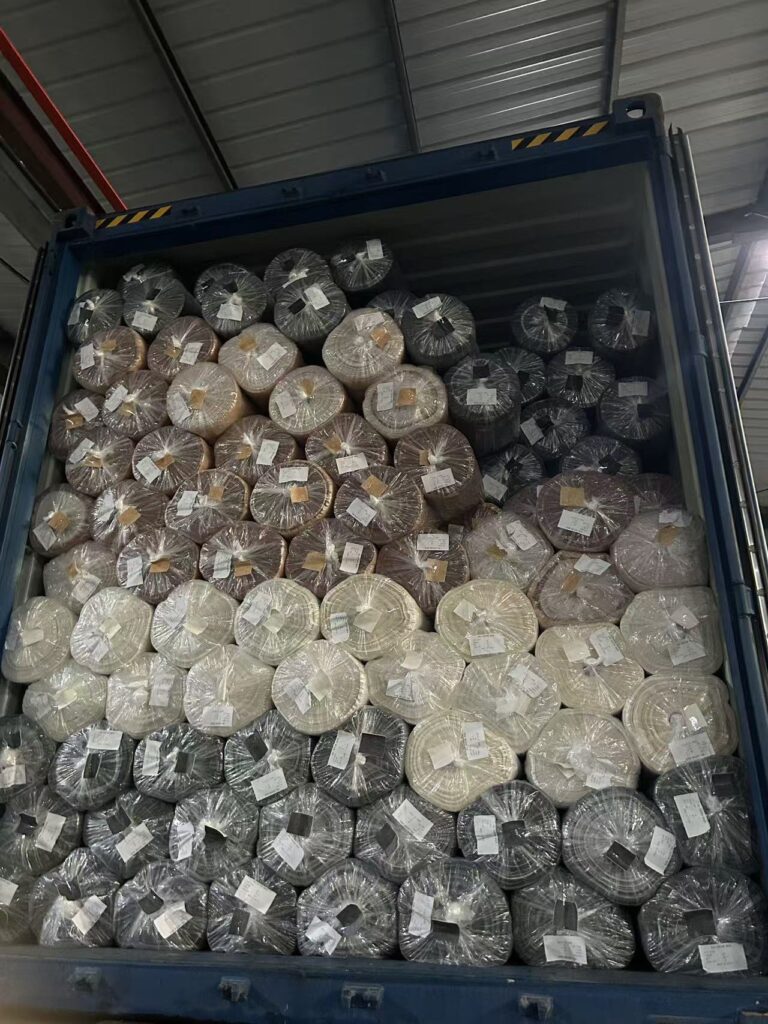
Late shipments don’t just delay products—they can cause you to miss entire sales seasons. Logistics planning matters more than many buyers expect.
Proper planning for production time, shipping schedules, and customs clearance reduces delays when importing faux leather.
Importing synthetic leather involves more than production. You must consider manufacturing lead time, booking schedules, port congestion, and customs clearance. New buyers often assume timelines are fixed—but in reality, flexibility and experience make a big difference.
Missing a shipping window can delay delivery by weeks. For furniture manufacturers, this may mean missing peak sales seasons or project deadlines. Experienced factories build buffer time into production and communicate risks early.
With over 16 years of export experience, ZD Leather helps buyers plan realistic timelines—reducing surprises and keeping supply chains stable.
Conclusion
Avoiding common mistakes when importing synthetic leather saves far more than it costs. By focusing on quality, compliance, communication, and planning, you can build reliable supply chains—and long-term success—with confidence.
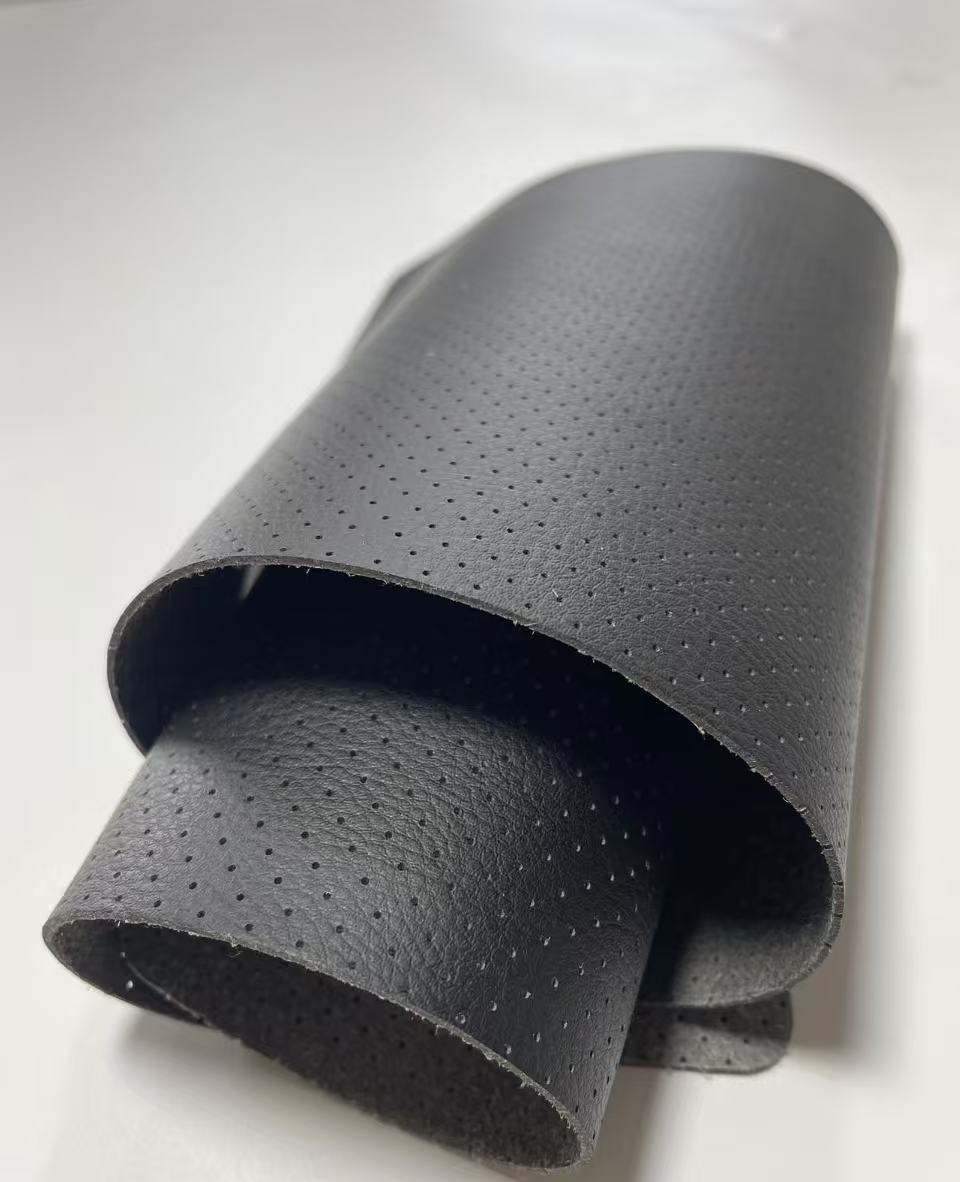
Why Can Two Synthetic Leathers With the Same Specifications Perform Very Differently?
Synthetic leather with the same specifications can still perform differently. This article explains the hidden factors behind performance gaps and how buyers can ensure consistent quality.
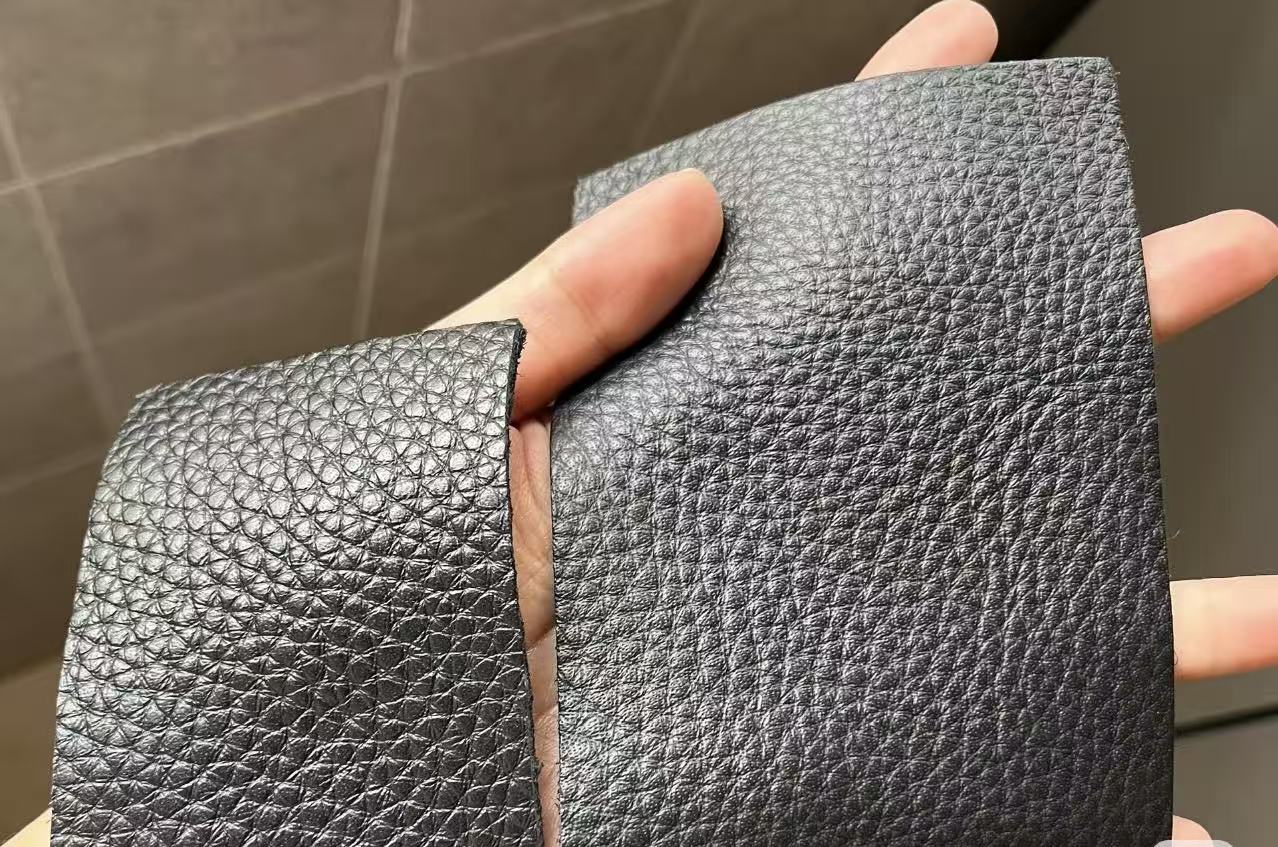
Why Does Synthetic Leather Quality Vary Between Batches?
Synthetic leather quality can vary between batches due to materials, production, and supplier control. This guide explains the causes and how buyers can ensure consistent quality.
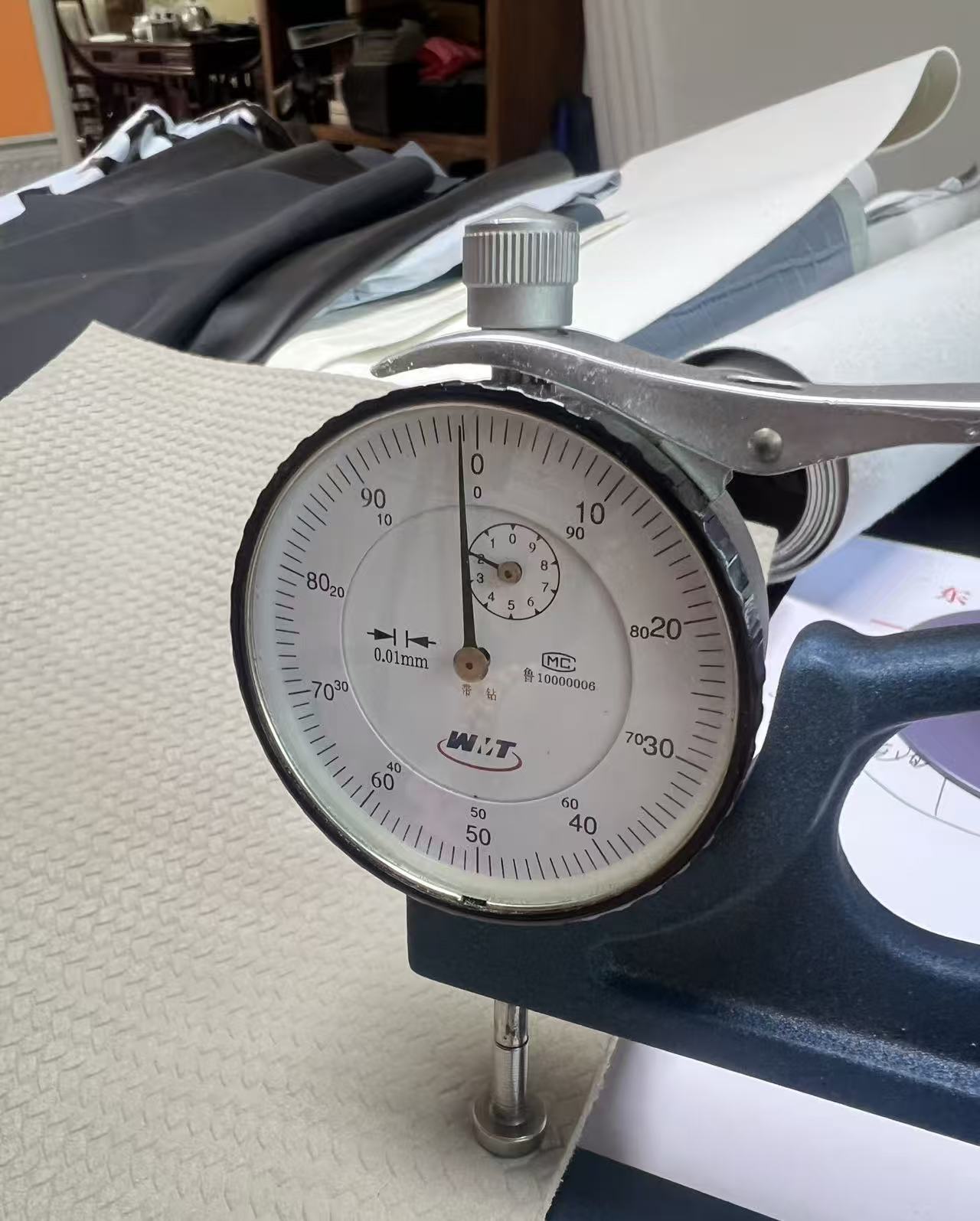
Does Thickness Really Decide Faux Leather Quality (And What Matters More)?
Many buyers assume thicker faux leather means better quality. This article explains why thickness alone is not enough and what really determines synthetic leather performance.