Why Do Quality Disputes Happen in the First Place?

When problems arise, many assume the product is defective. In reality, most disputes come from mismatched expectations.
Most synthetic leather disputes are caused by unclear specifications, lack of reference samples, and poor communication between buyer and supplier.
In many cases, the supplier delivers what they believe is correct—but the buyer expected something different.
For example, terms like “soft,” “durable,” or “high quality” sound clear, but they are actually subjective. Without measurable standards, both sides may interpret them differently.
Another common issue is the absence of a confirmed sample. Without a clear reference, there is no objective way to judge whether the product meets expectations.
In short: no standard, no agreement—and that’s where disputes begin.
How Does Sample Confirmation Prevent Problems?
If there is no approved sample, there is no real standard. Everything becomes open to interpretation.
An approved sample serves as the reference for color, texture, thickness, and overall performance before mass production begins.
A “golden sample” is one of the most effective ways to prevent disputes.
It defines exactly what the final product should look and feel like. Both buyer and supplier refer to the same standard, reducing misunderstandings.
However, simply viewing a sample is not enough. It should be formally approved, documented, and kept for comparison.
At ZD Leather, we keep sample records for each order, ensuring that future production stays aligned with the original approval.
Why Are Clear Specifications More Important Than You Think?
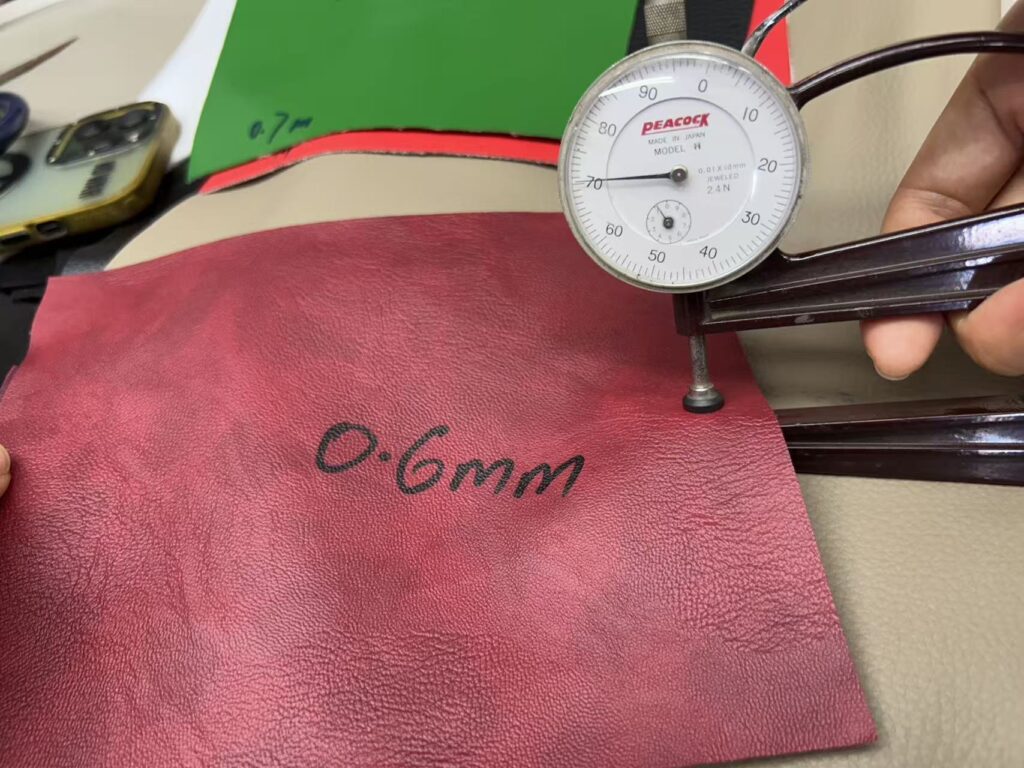
Vague descriptions may seem convenient, but they often lead to costly misunderstandings later.
Clear specifications such as thickness, backing type, and performance requirements help eliminate ambiguity and reduce risk.
Specifications should be as detailed and measurable as possible.
Instead of saying “good durability,” define abrasion resistance levels. Instead of “soft feel,” specify flexibility or hardness range.
Key parameters typically include thickness, backing fabric, tensile strength, and color tolerance.
The more precise the specifications, the less room there is for disagreement.
At ZD Leather, we assist customers in defining clear and practical specifications, making expectations easier to align from the start.
How Do We Control Quality During Production?
Even with the right sample and specs, poor execution during production can still cause problems.
Strict control of coating, foaming, and bonding processes ensures consistent quality throughout production.
Quality is not created at the end—it is built during production.
At ZD Leather, we monitor key parameters such as coating thickness, foaming stability, and layer bonding strength in real time. Each batch is recorded and tracked to ensure consistency.
We also conduct in-process inspections, identifying and correcting issues before they become bigger problems.
This approach reduces variation between batches and ensures that the final product matches the approved standard.
What Happens Before Shipment? (Pre-Shipment Inspection)

The final step before shipment is critical. Skipping or rushing this stage increases the risk of disputes.
Pre-shipment inspection checks appearance, thickness, and performance to ensure the product meets agreed standards before delivery.
Before shipment, a final inspection verifies that everything is in line with the approved sample and specifications.
This may include checking color consistency, surface quality, thickness, and basic performance indicators.
Depending on customer requirements, inspection can be done by the factory, the buyer, or a third-party agency.
At ZD Leather, we support pre-shipment inspection and transparent reporting, so customers have full visibility before goods are shipped.
How Can Buyers Protect Themselves Even Further?
Even with a reliable supplier, buyers should take additional steps to reduce risk.
Using contracts, small trial orders, and clear communication helps buyers minimize risks and avoid costly disputes.
A smart purchasing strategy makes a big difference.
Start with small trial orders to verify performance before scaling up. Include clear quality requirements in contracts. Maintain regular communication during production.
Building a long-term relationship with a consistent supplier also helps improve stability over time.
At ZD Leather, we work closely with our customers throughout the process, ensuring smoother communication and more predictable results.
Conclusion
Quality disputes are not inevitable—they are preventable. With clear standards, proper processes, and transparent communication, both buyers and suppliers can avoid unnecessary risks.
If you are looking for a reliable partner to ensure consistent synthetic leather quality, feel free to contact us.
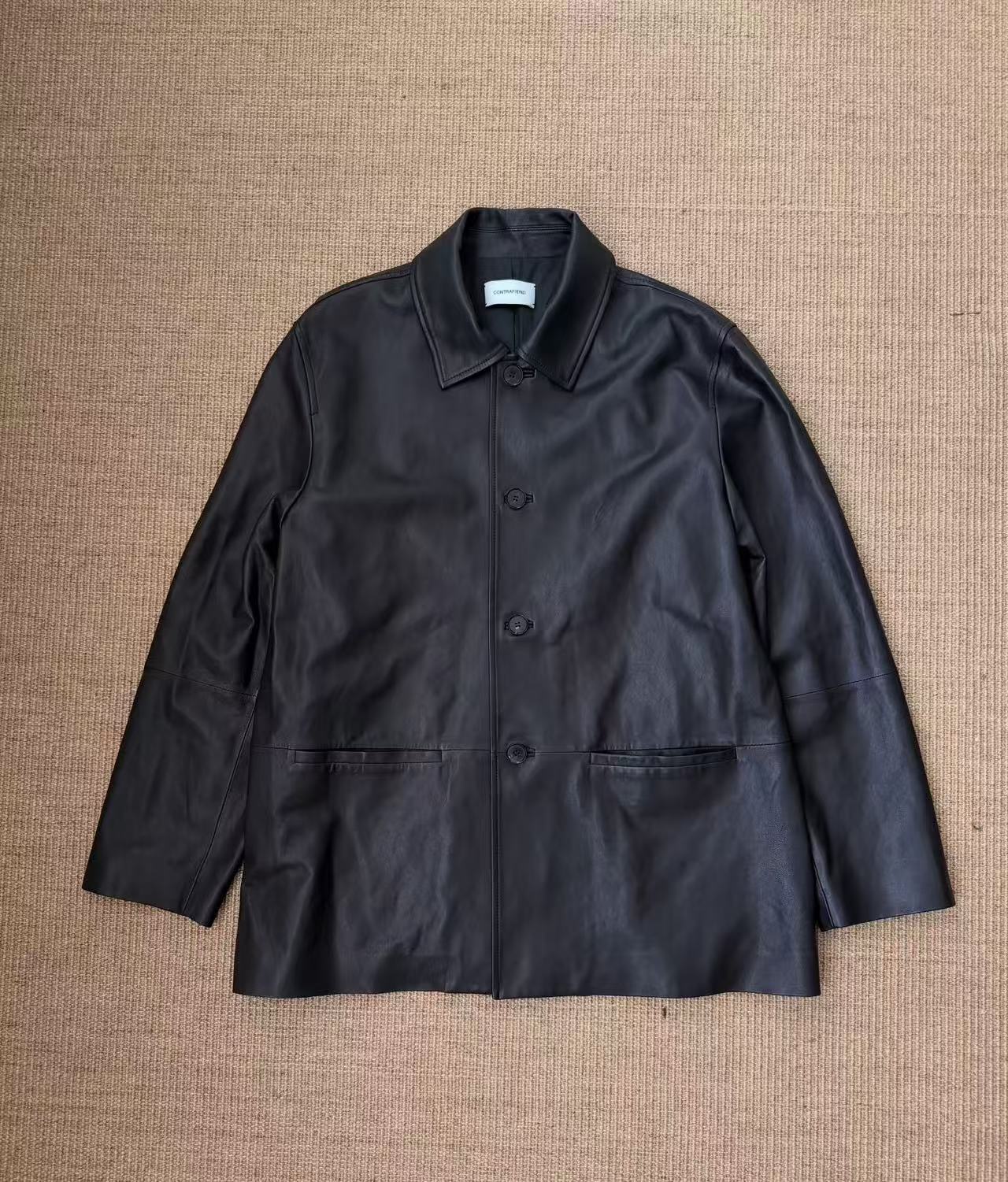
What is garment leather?
Discover what garment leather is and compare PU, PVC, and natural leather. Learn how comfort, breathability, durability, and cost affect your material choice.
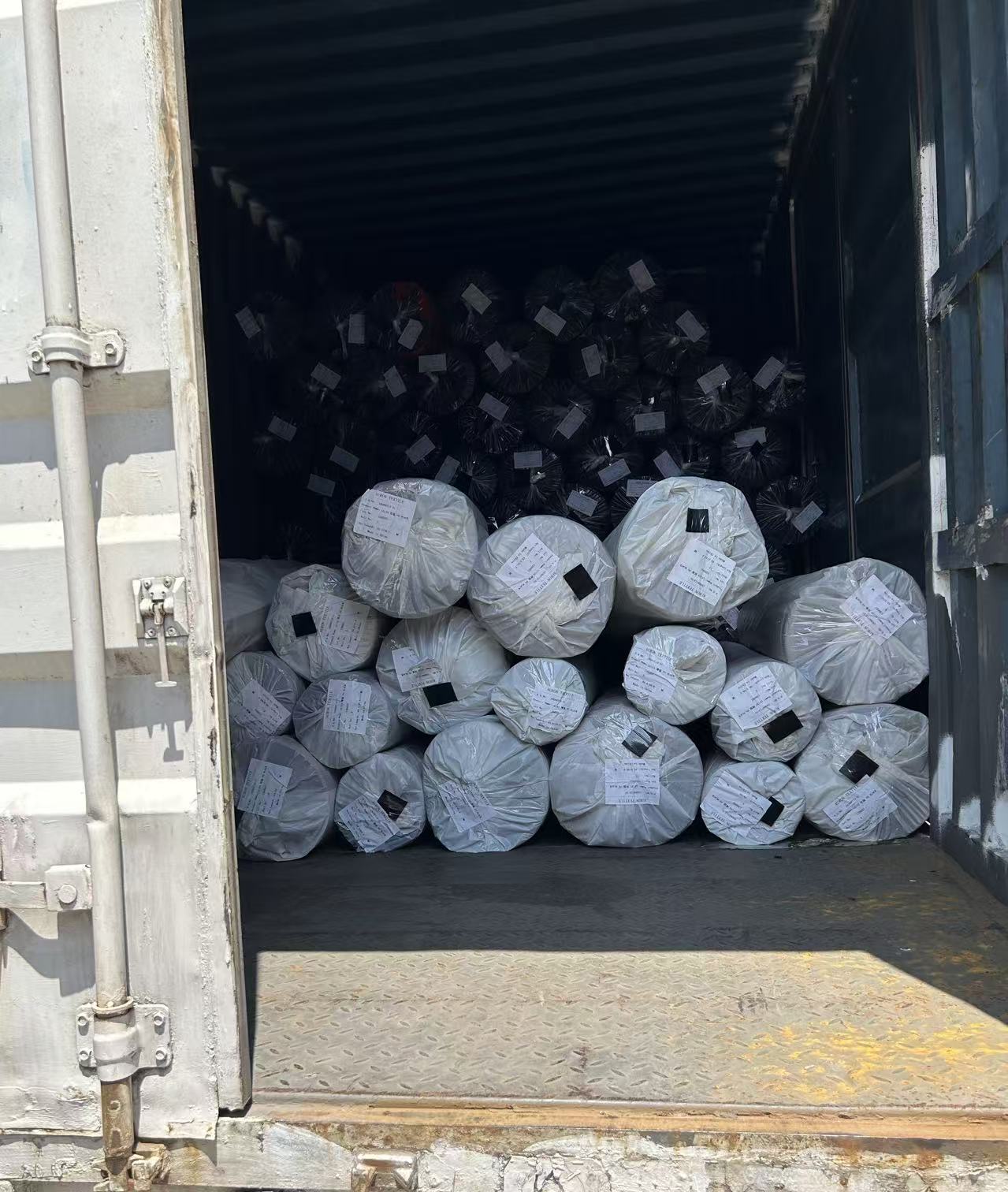
Can you provide special packaging when I import custom synthetic leather from China?
Learn how special packaging for custom synthetic leather can be arranged, including roll length, labels, plastic bags, markings, and shipping requirements.
Can You Create a Custom Leather Grain Pattern When Importing Synthetic Leather from China?
Want a unique leather grain for your products? Discover how custom synthetic leather grain patterns are developed from samples using advanced vacuum texture transfer technology.