
What Factors Influence Leather Prices?

Leather pricing isn’t random — it depends on several key factors.
Real leather is made from animal hides, which are limited in supply and require labor-intensive processing. Each hide must be tanned, dyed, and finished — all of which add to its cost. PU and PVC, on the other hand, are synthetic materials produced in controlled environments, making them faster and cheaper to manufacture.
Additional factors include quality grade, production scale, surface finishing, environmental standards, and logistics.
Real leather costs more because it’s rare, handcrafted, and harder to produce. Synthetic leather is cheaper because it’s efficient, consistent, and scalable.
How Much Cheaper Is PU or PVC Than Real Leather?
Let’s talk numbers — because everyone wants to know how much cheaper synthetic leather really is.
On average:
PU leather: $4–6 per square meter
PVC leather: $2–4 per square meter
Genuine leather: $15–30 per square meter
That’s a difference of up to 80%. For large-scale manufacturers, that can mean tens of thousands of dollars in savings per order.
Why Is Synthetic Leather More Cost-Effective for Manufacturers?

There’s a reason more brands are switching to artificial leather. It’s not just the price — it’s about efficiency.
PU and PVC leather are easy to cut, shape, and finish. They don’t require animal processing, and the yield per roll is much higher than natural hides. Synthetic leather can also be customized in thickness, color, and grain pattern, reducing waste and eliminating defects found in animal skin.
It’s also more eco-friendly to transport and store since rolls are lightweight and uniform.
Artificial leather reduces labor, waste, and production costs while improving yield and consistency — perfect for furniture, shoes, and bags.
Does Cheaper Mean Lower Quality?
Not anymore. That’s an outdated idea.
Modern PU and PVC leather have come a long way. PU leather, in particular, offers a soft hand-feel, flexibility, and durability that rival real leather. PVC leather, while slightly stiffer, is incredibly tough, waterproof, and resistant to wear — great for automotive and outdoor use.
Many high-end brands now use PU synthetic leather for products that look and feel luxurious but cost far less.
Today’s PU and PVC leather are durable, water-resistant, and stylish — proof that affordable materials can still look premium.
What Are the Hidden Costs of Genuine Leather?
Real leather has its charm, but it’s not as economical as it looks on paper.
Maintaining genuine leather is expensive. It needs regular conditioning to prevent cracks, special cleaners to avoid staining, and protection from sunlight and moisture. It’s also prone to color fading and can dry out over time.
Not to mention, up to 30% of a hide can be wasted due to natural flaws — scars, holes, or uneven texture. That’s all money lost.
Real leather’s hidden costs include regular maintenance, high waste rate, and sensitivity to temperature and humidity.
Which One Offers Better Long-Term Value: PU, PVC, or Real Leather?
Here’s the honest answer — it depends on your priorities.
PU leather: Softer, more flexible, and ideal for fashion, furniture, and high-end interiors.
PVC leather: More rigid, durable, and waterproof — great for cars, boats, or outdoor furniture.
Real leather: Luxurious and authentic, but costly to maintain and inconsistent in texture.
For most manufacturers, PU or PVC leather delivers the best long-term value: lower production costs, fewer defects, and consistent quality that customers appreciate.
PU and PVC artificial leather offer the best cost-to-quality balance — combining affordability, durability, and modern style.
Conclusion
PU and PVC artificial leather make smart business sense. They offer premium looks and performance at a fraction of the cost of real leather. Whether you’re producing furniture, shoes, or bags, synthetic leather gives you more flexibility, better margins, and satisfied customers — without compromise.
If you’re unsure which leather material suits your needs, feel free to contact us. With 15 years of manufacturing experience, ZD Leather will provide you with the most professional advice.
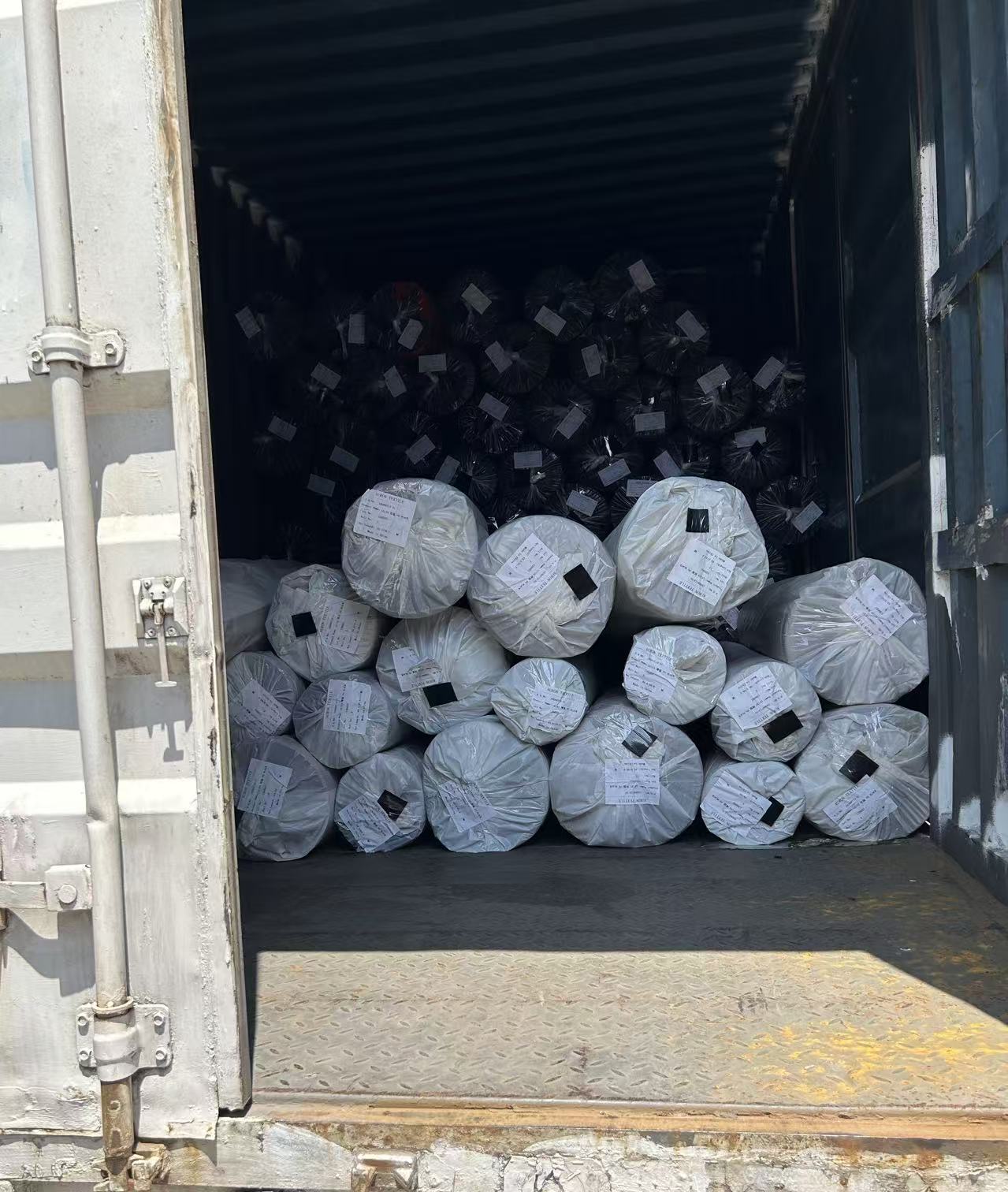
Can you provide special packaging when I import custom synthetic leather from China?
Learn how special packaging for custom synthetic leather can be arranged, including roll length, labels, plastic bags, markings, and shipping requirements.
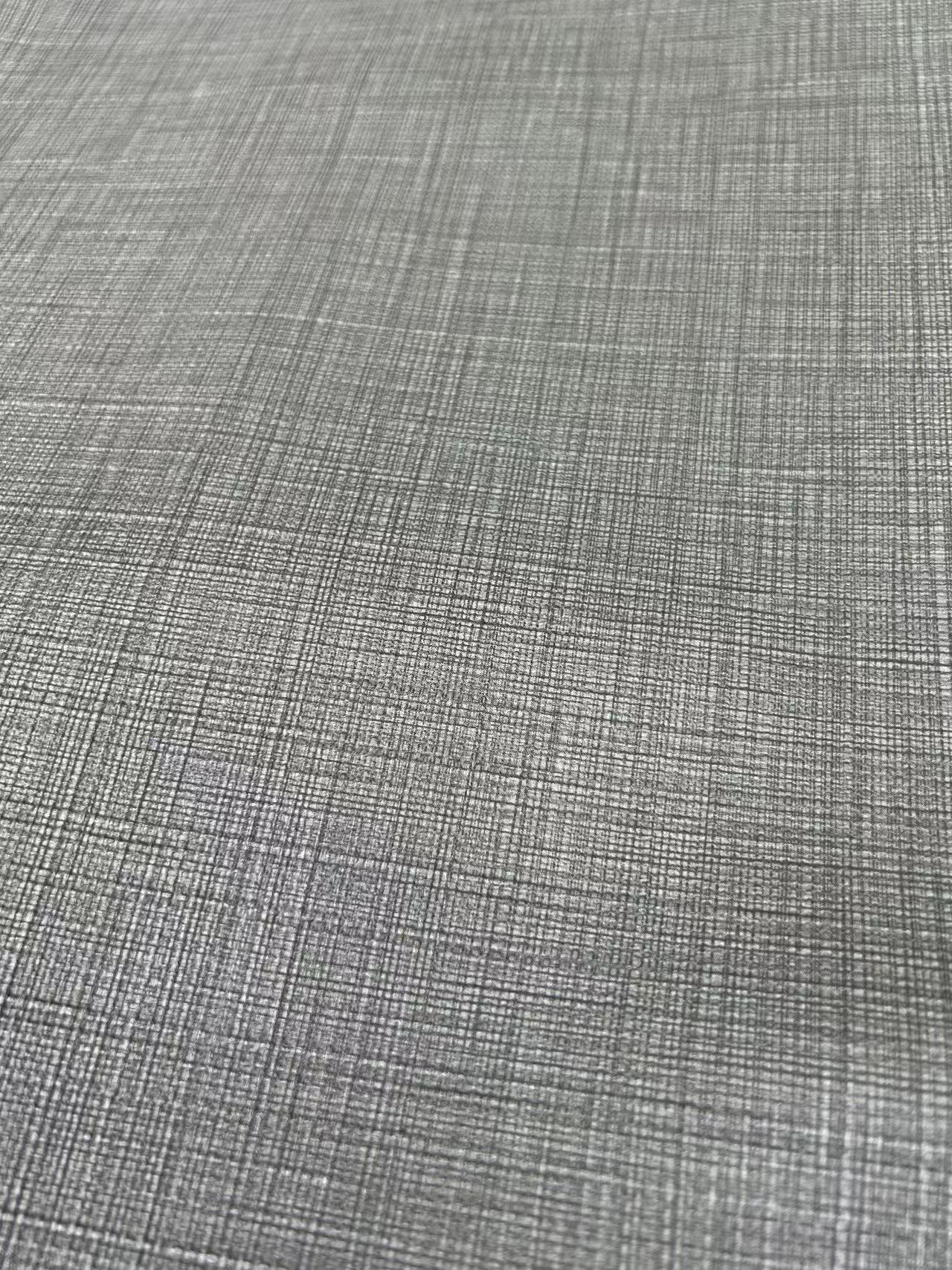
Can You Create a Custom Leather Grain Pattern When Importing Synthetic Leather from China?
Want a unique leather grain for your products? Discover how custom synthetic leather grain patterns are developed from samples using advanced vacuum texture transfer technology.
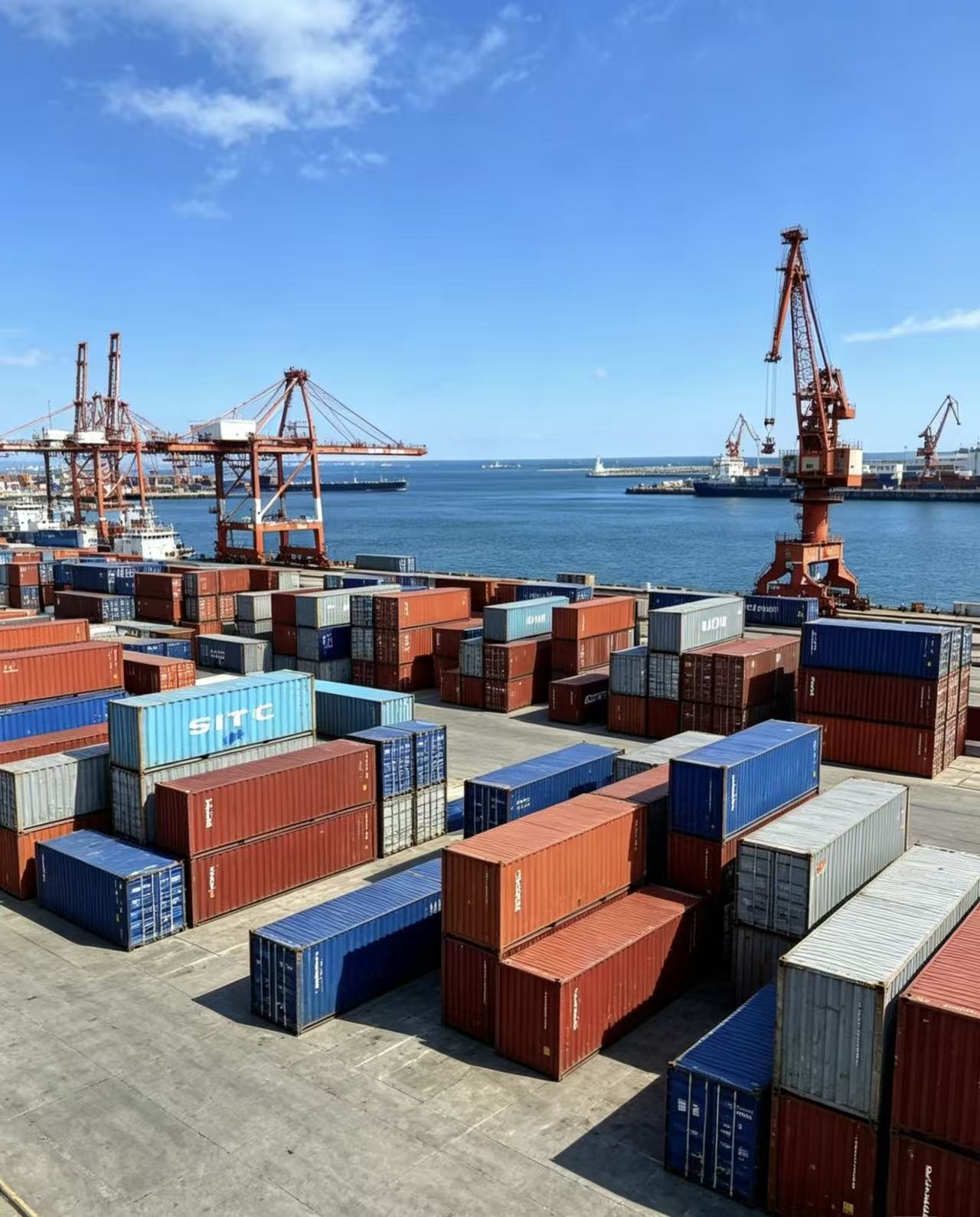
Sea Freight or Air Freight for Synthetic Leather: Which Should You Choose?
Not sure whether to ship synthetic leather by sea or air? Compare costs, transit times, advantages, and practical tips to choose the best shipping method for your business.