
What Performance Features Matter Most in Automotive Synthetic Leather?

Car interiors face sunlight, heat, spills, and friction. Low-grade materials age fast, causing fading or cracking. High-performance faux leather avoids these issues and keeps your seats looking new.
Automotive synthetic leather should offer UV resistance, heat resistance, scratch resistance, and stable color. Quality artificial leather performs well under high temperatures and constant friction, making it ideal for long-lasting, comfortable car seats.
When selecting synthetic leather for automotive seats, the first thing to evaluate is performance durability. Unlike home furniture, car interiors are exposed to harsher conditions—sunlight, temperature swings, moisture, sweat, and daily friction.
High-quality artificial leather (including PVC faux leather and PU synthetic leather) should pass UV testing, abrasion testing, and hydrolysis resistance to ensure stability over years of use.
Automotive projects especially need materials that won’t peel, crack, smell, or fade. At ZD Leather, most of our automotive artificial leather includes UV-resistance formulas, anti-aging agents, and heat-stabilizing additives. These features help maintain color, texture, and softness even after thousands of hours under sunlight or constant seating pressure.
If your customers expect long-lasting car interiors, performance must be the top priority.
How Important Is Comfort in Car Seat Faux Leather?
Uncomfortable seats lead to unhappy drivers. Overly stiff or sticky materials make long trips miserable. Breathable and soft faux leather prevents discomfort and keeps driving enjoyable.
Comfort matters in automotive synthetic leather. Choose soft, flexible, breathable materials that stay cool and comfortable during long drives. Proper foam bonding and fabric backing improve elasticity and seating comfort.
Comfort is often underestimated, but it plays a huge role in customer satisfaction—especially for long-distance drivers. When choosing artificial leather for car seats, consider softness, flexibility, and breathability.
High-quality PU leather tends to offer a softer and more natural feel, while PVC faux leather provides stability and durability. Both can be engineered for enhanced comfort using knitted or non-woven fabric backing.
At ZD Leather, automotive clients often request leather with a soft hand-feel, moderate stretch, and breathable micro-textures. We also adjust gloss levels so seats don’t feel sticky in hot climates—a common complaint from markets like the Middle East and Africa.
If your customers spend hours on the road, comfort can make or break your product.
Do You Need Customization for Automotive Artificial Leather?
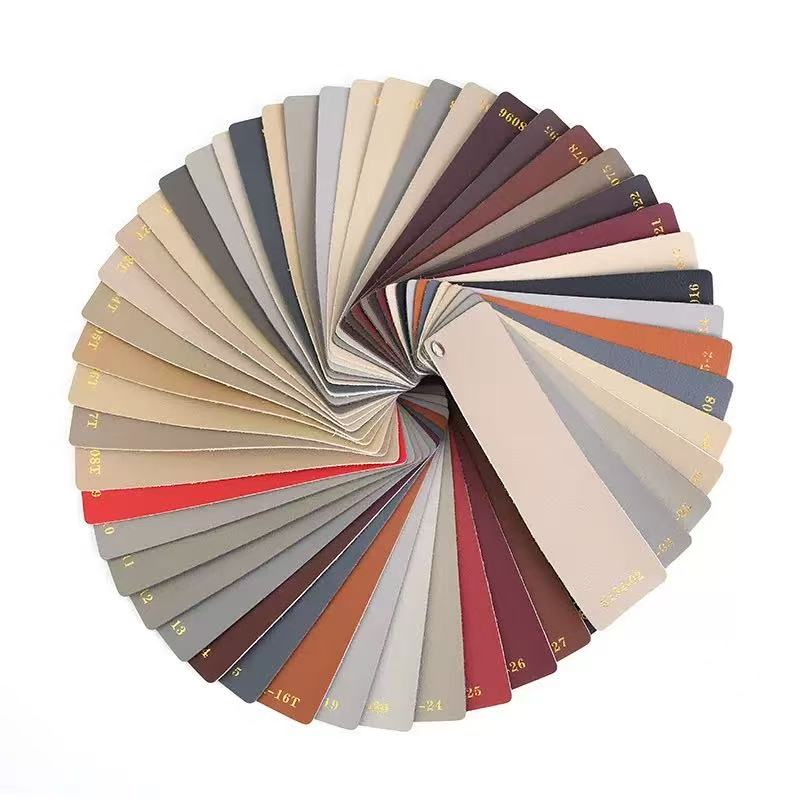
Stock materials rarely match your exact design needs. Wrong colors or textures hurt your product’s appearance. Customization ensures the perfect match for branding and seat design.
Customization allows you to choose specific colors, grains, gloss levels, backing fabrics, and performance grades. For automotive seats, custom faux leather ensures consistency, brand alignment, and a perfect match with interior design.
Customization is one of the main reasons automotive manufacturers prefer partnering with factories instead of buying standard stock.
Whether you’re designing seats for luxury sedans, trucks, buses, or electric vehicles, each model has its own visual identity. You may require specific grain patterns, matte or high-gloss finishes, exact Pantone colors, or unique backing fabrics.
At ZD Leather, we frequently receive genuine leather samples from overseas clients who want perfectly matching PVC faux leather or PU artificial leather for non-touch areas of the seat. We can replicate texture, color, and gloss with extremely high accuracy—this keeps costs manageable while maintaining a premium look.
If your project values brand identity or consistency, customization is absolutely worth it.
How Do Testing Standards Affect Your Material Choice?

Many problems only appear after production—peeling, fading, cracking. Without proper testing, risks grow. Verified testing ensures your synthetic leather performs reliably in real-world automotive conditions.
Automotive synthetic leather must pass UV resistance tests, abrasion tests, aging tests, and flame-retardant standards. Verified testing guarantees long-term durability and reduces product failure risks.
Car interiors are exposed to constant pressure, friction, and environmental stress. Because of this, automotive synthetic leather must meet strict testing standards to ensure lifespan and safety.
Most international automotive buyers look for stable performance in UV resistance, abrasion cycles, anti-aging results, and odor control. Some markets—such as the U.S. and Europe—also require flame-retardant functions.
As a manufacturer with 16 years of production experience, ZD Leather provides professional test reports for UV resistance, hydrolysis, and abrasion. Meeting these standards not only reduces your complaint rate but also builds trust with your downstream customers.
Testing is not extra—it’s a necessity for automotive applications.
Conclusion
Choosing synthetic leather for automotive seats requires balancing durability, comfort, customization, and testing standards. Whether you prefer PVC, PU, or custom artificial leather, selecting quality materials ensures long-lasting performance and satisfied customers.
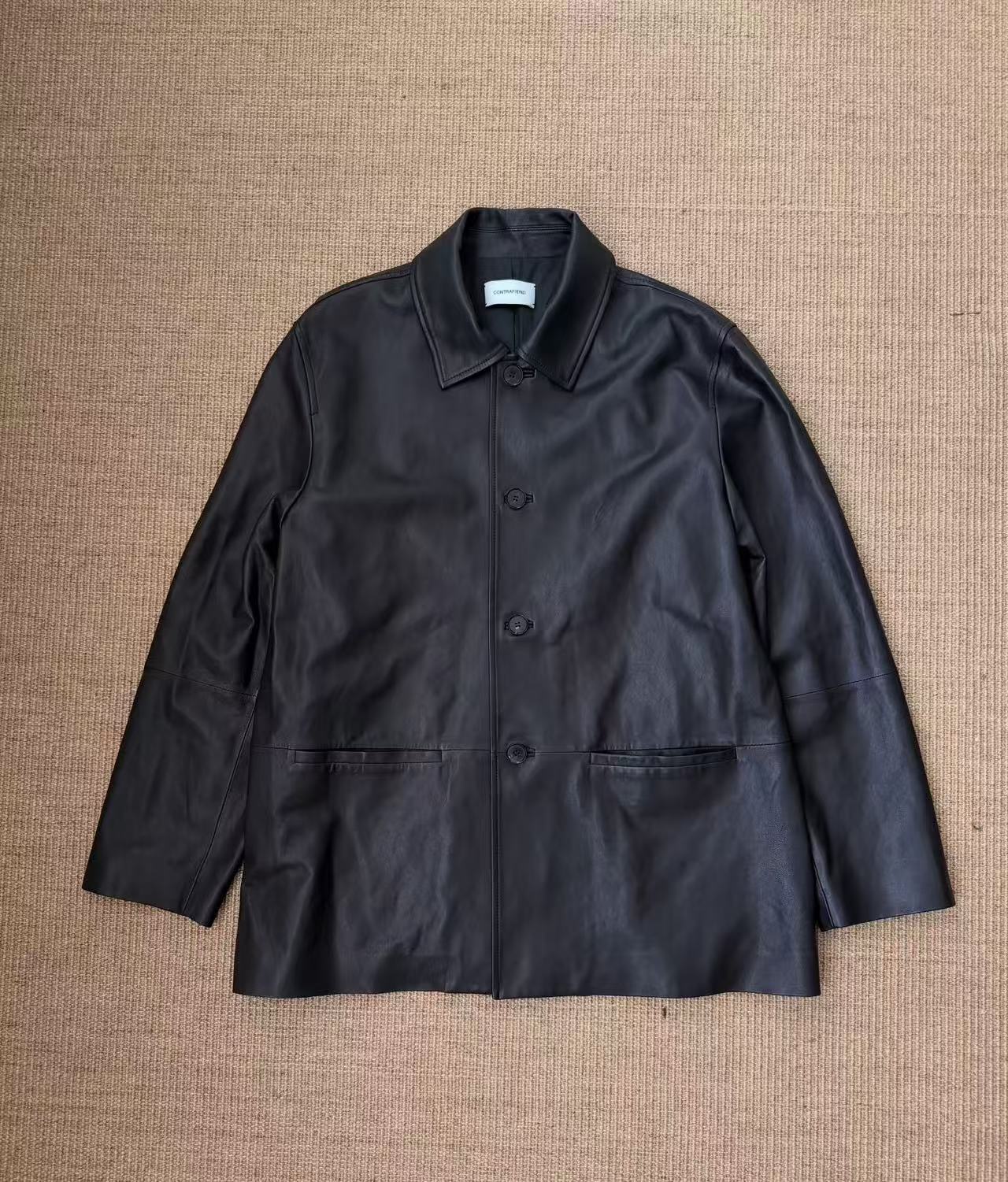
What is garment leather?
Discover what garment leather is and compare PU, PVC, and natural leather. Learn how comfort, breathability, durability, and cost affect your material choice.
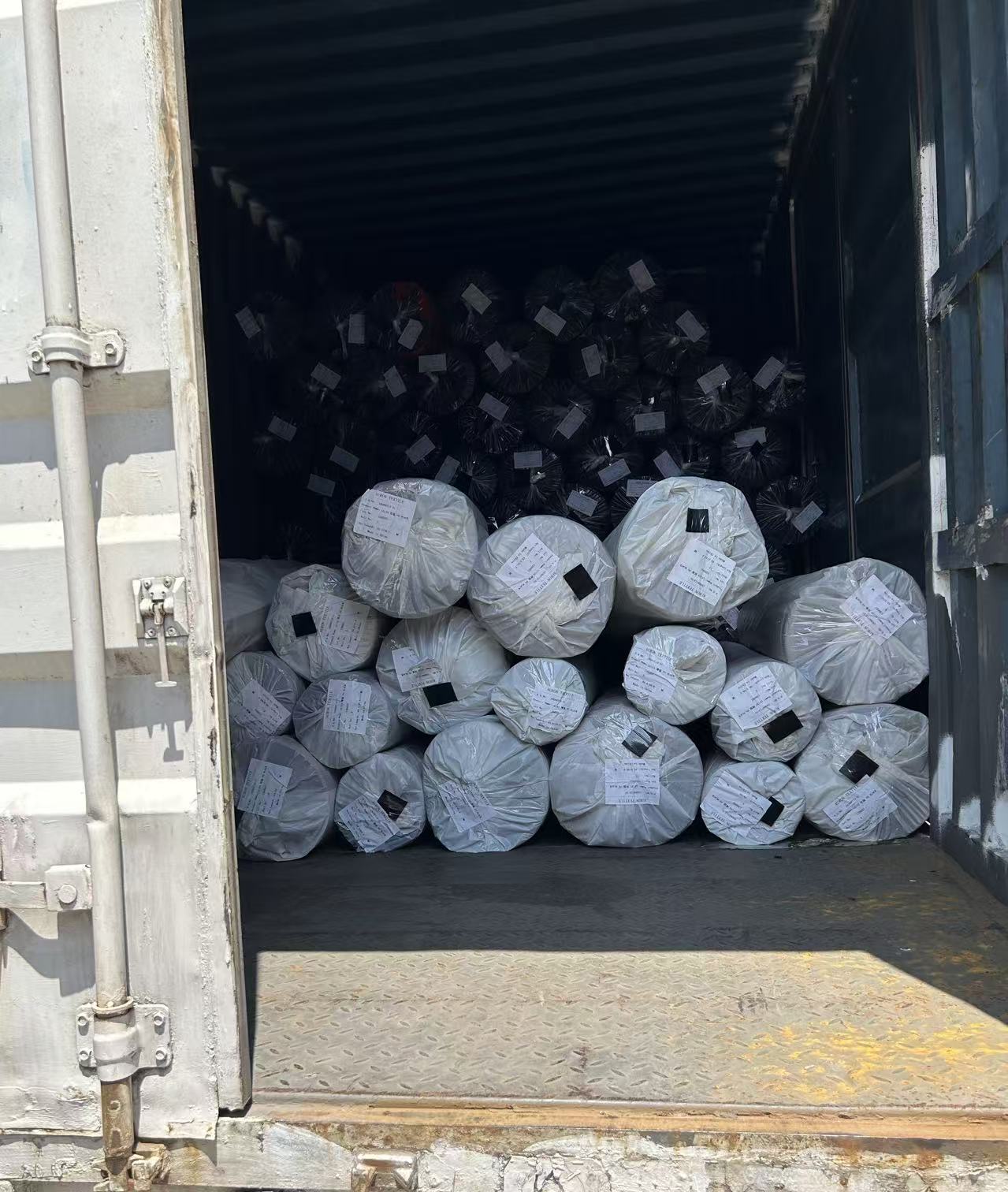
Can you provide special packaging when I import custom synthetic leather from China?
Learn how special packaging for custom synthetic leather can be arranged, including roll length, labels, plastic bags, markings, and shipping requirements.
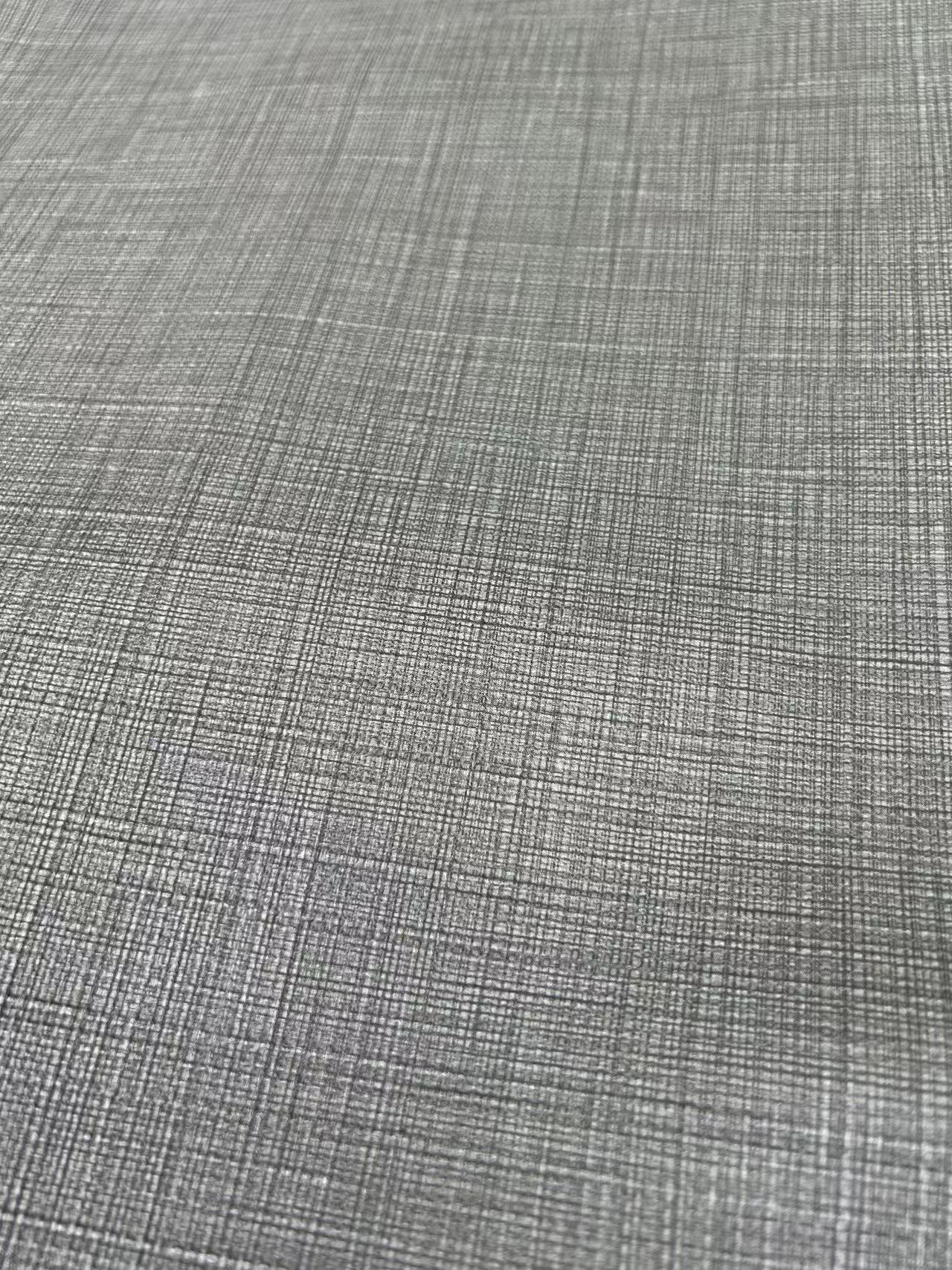
Can You Create a Custom Leather Grain Pattern When Importing Synthetic Leather from China?
Want a unique leather grain for your products? Discover how custom synthetic leather grain patterns are developed from samples using advanced vacuum texture transfer technology.