
Is Lead Time Just About Production Time?
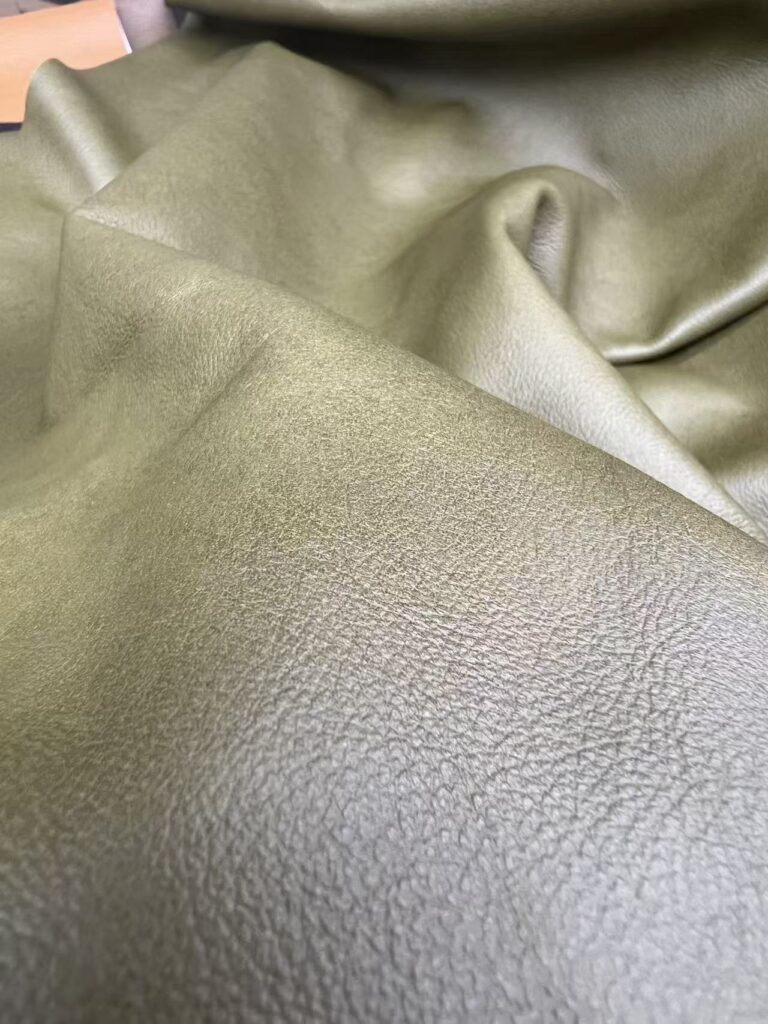
Many buyers ask one simple question: “How many days for production?” Unfortunately, that’s only a small part of the full timeline.
Lead time for synthetic leather includes sampling, approval, material preparation, and production—not just manufacturing time.
Production is only one step in the process.
Before manufacturing begins, there is usually sample development and approval. This is especially important for custom faux leather or artificial leather projects.
Raw materials also need to be prepared. If specific PVC leather or PU leather formulations are required, preparation time increases.
So when a supplier says “15 days production,” the real lead time might be 25–35 days in total.
How Does Customization Affect Lead Time?
The more customized your order is, the more variables you introduce—and the longer it may take.
Custom colors, textures, embossing patterns, and backing materials can significantly extend synthetic leather production timelines.
Customization is one of the biggest factors affecting lead time.
Color matching takes time, especially if strict consistency is required. Embossing patterns may require changing rollers. Different backing fabrics can also affect processing.
Even materials that look similar—like PU leather and PVC leather—can have very different production requirements.
In some markets, buyers refer to synthetic leather as rexine, but regardless of the name, customization always adds complexity.
Why Is Sample Confirmation Often Underestimated?
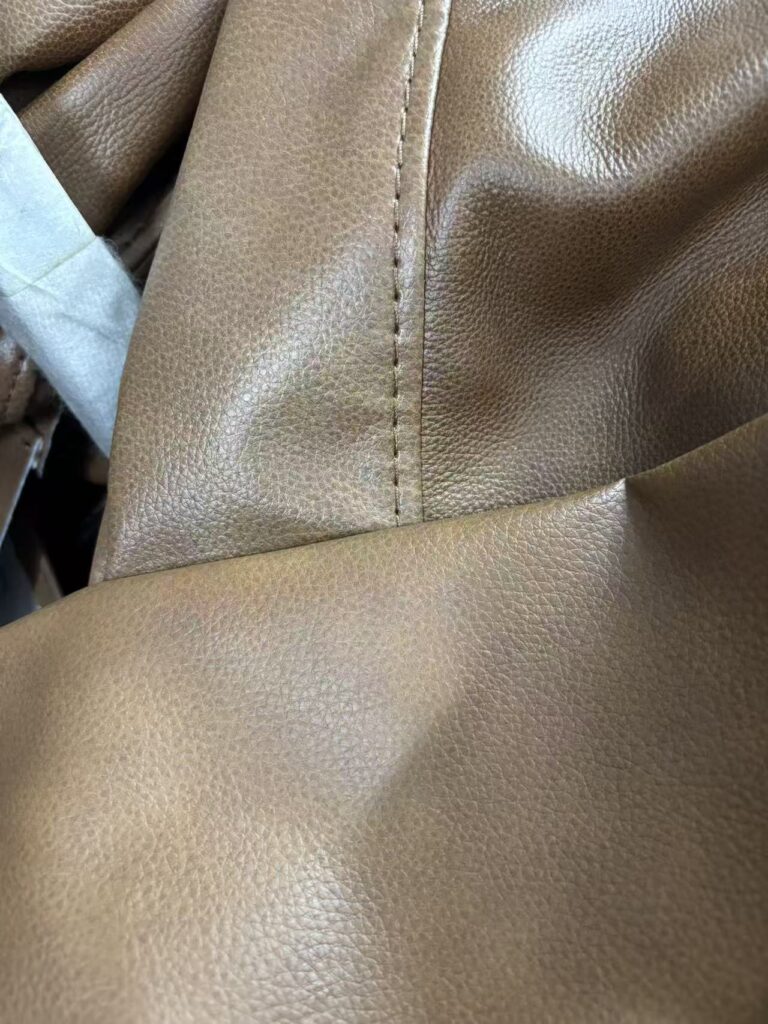
Many buyers expect quick approval, but sample confirmation often takes longer than expected.
Sample approval can take days or even weeks, depending on revisions, shipping time, and decision speed.
Sample confirmation is not just about making one sample.
It may involve multiple revisions—adjusting color, texture, or thickness. Each change requires time to produce and evaluate.
International shipping of samples also adds delays, especially if express logistics are not used.
Most importantly, decision-making speed matters. A delay of a few days in feedback can extend the entire timeline.
Can Communication Delays Impact Lead Time?
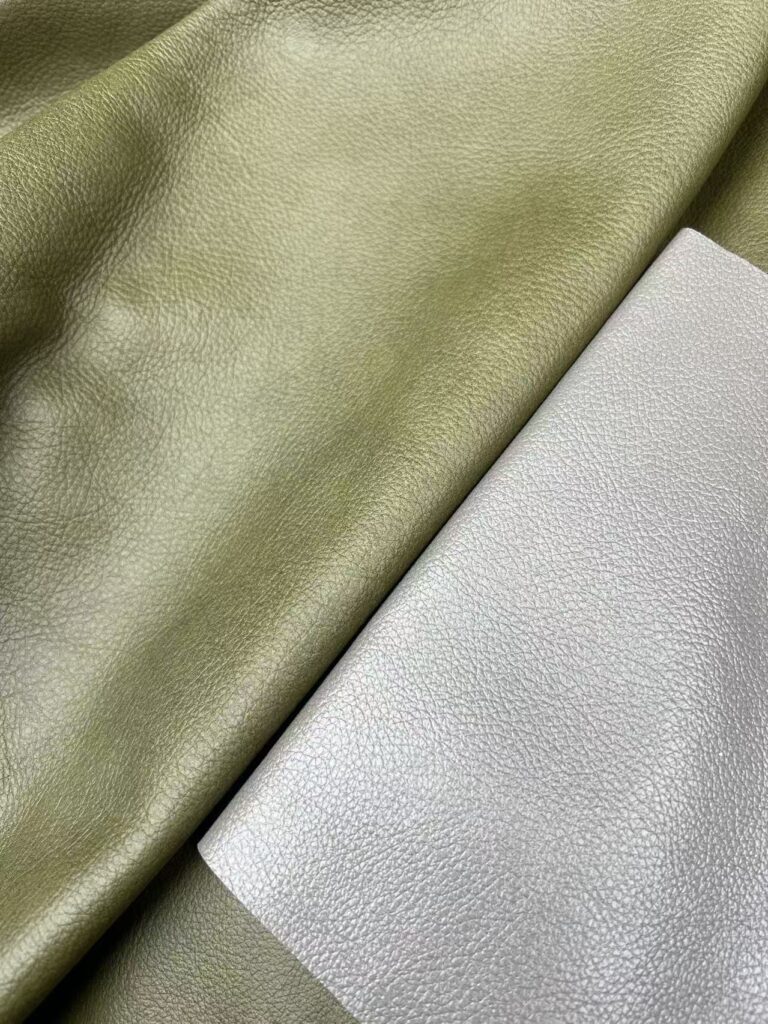
Even with fast production, slow communication can quietly extend your delivery time.
Time zone differences, unclear instructions, and delayed responses can significantly increase overall lead time.
Communication is often overlooked, but it plays a major role.
If requirements are not clearly defined, suppliers may need to reconfirm details. This back-and-forth can take days.
Time zone differences between countries can slow response cycles. A simple question might take 24 hours to resolve.
Efficient communication shortens lead time. Poor communication does the opposite.
What About Logistics and External Factors?
Many buyers only calculate factory time—but delivery doesn’t end at production.
Shipping time, customs clearance, and seasonal congestion must be included when estimating synthetic leather lead time.
After production, goods still need to be delivered.
Sea freight can take several weeks, depending on the destination. Customs clearance may add additional delays.
During peak seasons, port congestion and shipping schedules can become unpredictable.
Ignoring these factors is one of the most common mistakes buyers make.
How Do Professional Suppliers Manage Lead Time Better?
Not all suppliers handle lead time the same way. Experience makes a big difference.
Professional manufacturers plan production schedules, manage raw materials, and communicate clearly to ensure reliable delivery timelines.
Reliable suppliers don’t just react—they plan ahead.
At ZD Leather, we prepare raw materials in advance, arrange production schedules efficiently, and keep customers informed throughout the process.
We also identify potential delays early and communicate proactively, helping buyers adjust plans before problems arise.
This level of control is what separates stable suppliers from unreliable ones.
How Can Buyers Plan More Accurate Lead Times?
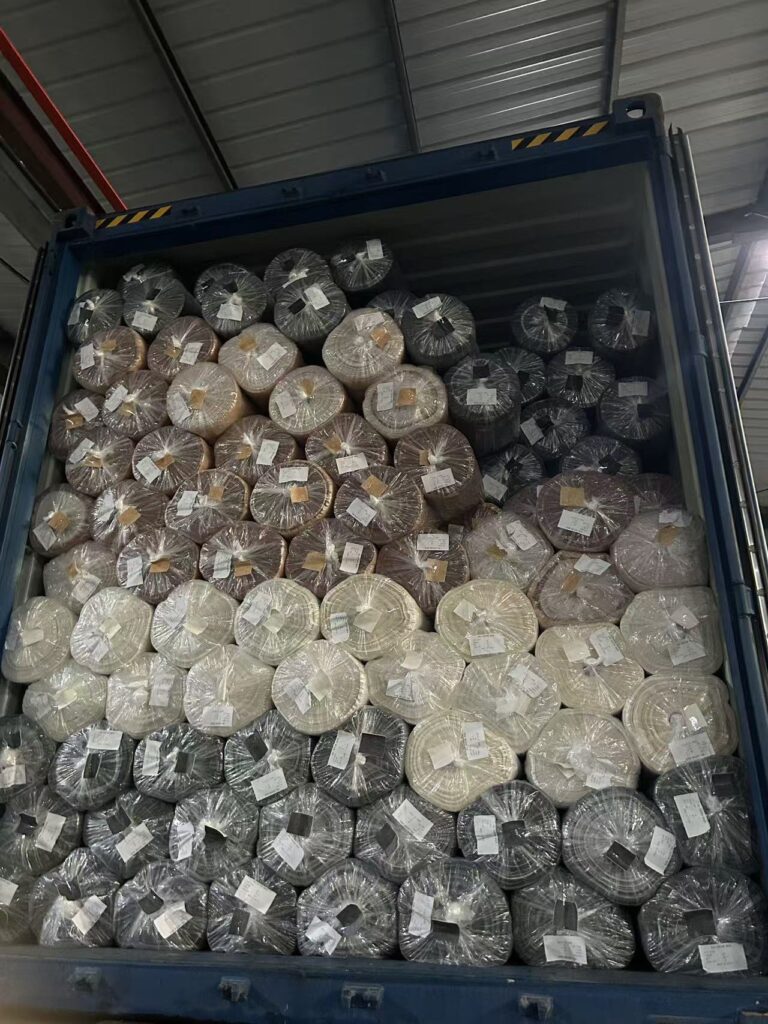
Lead time is not completely unpredictable—but it requires better planning.
Accurate planning, early ordering, and clear communication with suppliers help buyers achieve more reliable delivery timelines.
Buyers can take simple steps to reduce risk.
Plan orders early, especially before peak seasons. Allow buffer time for unexpected delays. Confirm all details clearly before production begins.
Working with experienced suppliers also improves predictability over time.
In short: better planning leads to fewer surprises.
Conclusion
Synthetic leather lead time is more than just production—it’s a full process.
Understanding each step helps you avoid delays and plan with confidence. If you need reliable lead time and clear communication, ZD Leather is ready to support your projects.
What is garment leather?
Discover what garment leather is and compare PU, PVC, and natural leather. Learn how comfort, breathability, durability, and cost affect your material choice.
Can you provide special packaging when I import custom synthetic leather from China?
Learn how special packaging for custom synthetic leather can be arranged, including roll length, labels, plastic bags, markings, and shipping requirements.
Can You Create a Custom Leather Grain Pattern When Importing Synthetic Leather from China?
Want a unique leather grain for your products? Discover how custom synthetic leather grain patterns are developed from samples using advanced vacuum texture transfer technology.