What Are the Key Performance Requirements for Automotive Faux Leather?
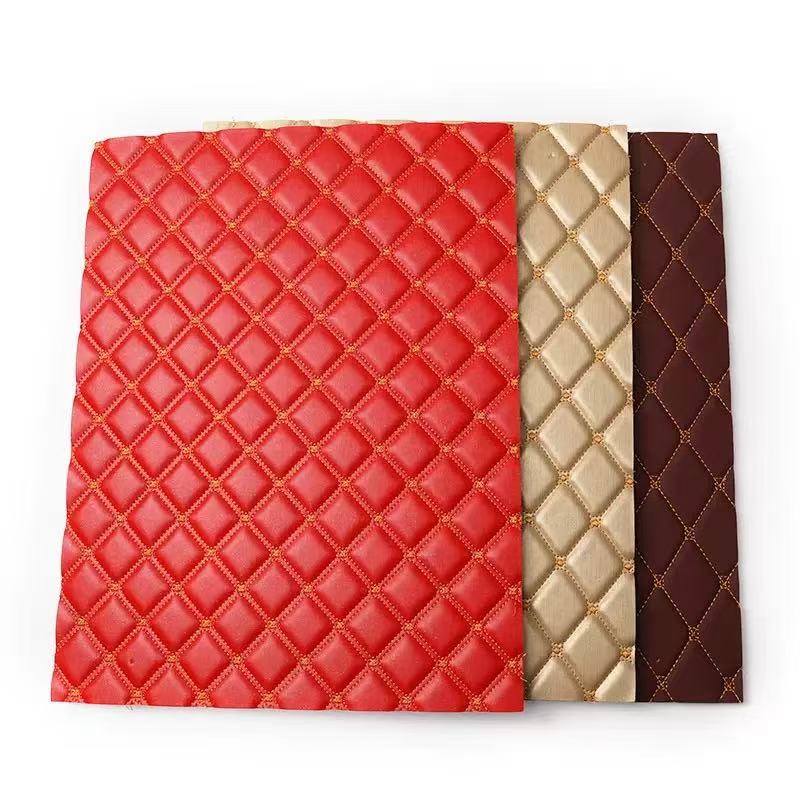
Furniture leather might survive your living room. Car seats? That’s a completely different battlefield.
Automotive faux leather must meet high standards for abrasion resistance, UV stability, and long-term durability under daily use.
Car seats go through constant friction—getting in, getting out, sliding around. If the material lacks abrasion resistance, it will wear out faster than you expect.
Then there’s sunlight. Unlike indoor furniture, automotive artificial leather sits under direct UV exposure. Without proper UV resistance, fading and cracking are almost guaranteed.
And let’s not forget aging. Good synthetic leather should stay flexible over time, not turn stiff like cardboard after a year.
In short: car seats demand more—much more.
PU vs PVC: Which Is Better for Car Seats?
This is the classic question. And yes, there’s no one-size-fits-all answer.
PU leather offers better softness and comfort, while PVC leather provides stronger durability and cost efficiency for automotive use.
PU leather is known for its soft touch and better breathability. It feels closer to genuine leather, which is why it’s often used in higher-end interiors.
PVC leather, on the other hand, is the tough guy. It offers excellent abrasion resistance and is more cost-effective, making it a popular choice for commercial vehicles or high-usage seats.
So which one is better?
If comfort and premium feel are your priority, go for PU. If durability and budget matter more, PVC is hard to beat.
How Important Is Surface Texture and Design?
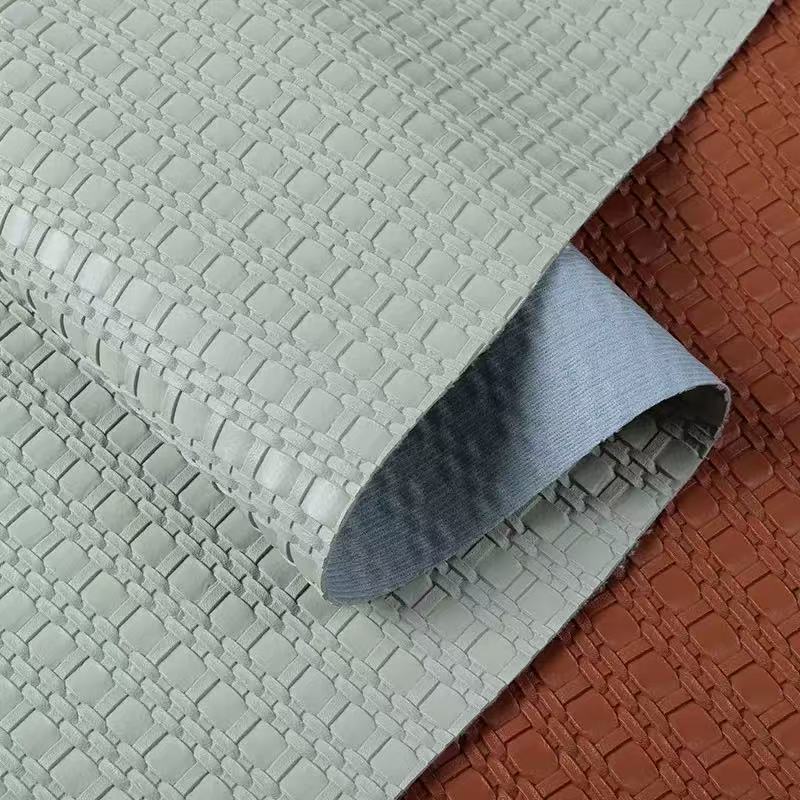
Texture isn’t just about looks—it quietly affects how the seat performs every day.
Surface texture influences grip, comfort, and the perceived quality of automotive faux leather.
A smooth surface may look sleek, but it can be slippery. A textured finish improves grip, which matters more than you think when driving.
Design also affects perception. A well-chosen embossing pattern can instantly make a seat look more premium—even if the material cost stays the same.
The good news? Faux leather offers almost unlimited customization. From classic grain patterns to modern designs, the options are wide open.
What About Safety and Environmental Standards?
When it comes to automotive materials, “good enough” is never enough.
Automotive synthetic leather must meet requirements for low VOC emissions, flame resistance, and international compliance standards.
Inside a car, air quality matters. Low VOC (volatile organic compounds) ensures the material doesn’t release harmful odors or chemicals over time.
Flame resistance is another critical factor. In many markets, automotive materials must meet strict fire safety standards.
Depending on your target market, compliance with regulations such as REACH or other safety standards may also be required.
Skipping these checks is not just risky—it can be costly.
Why Does Manufacturing Quality Matter More Than Specs?

Here’s a hard truth: two materials can have the same specs—and perform completely differently.
Consistent manufacturing ensures stable performance, even when specifications appear identical.
Specifications tell part of the story. Production tells the rest.
If coating is uneven, wear becomes inconsistent. If bonding between layers is weak, peeling may occur. If process control is unstable, batch quality will vary.
This is why buyers sometimes receive synthetic leather that looks right—but doesn’t last.
At ZD Leather, we focus on stable production control and batch consistency, ensuring that what you approve is what you receive.
How Can Buyers Choose the Right Supplier?
You can choose the best material—but without the right supplier, results are unpredictable.
A reliable supplier provides consistent quality, customization options, and clear technical support for automotive faux leather.
A good supplier does more than just deliver materials.
They help you select the right specification, adjust designs, and solve problems before they happen. They also maintain consistent quality across batches—something that’s more valuable than it sounds.
At ZD Leather, we support customers with customization, stable production, and practical recommendations based on real manufacturing experience.
Because in the end, choosing a supplier is not just about price—it’s about reliability.
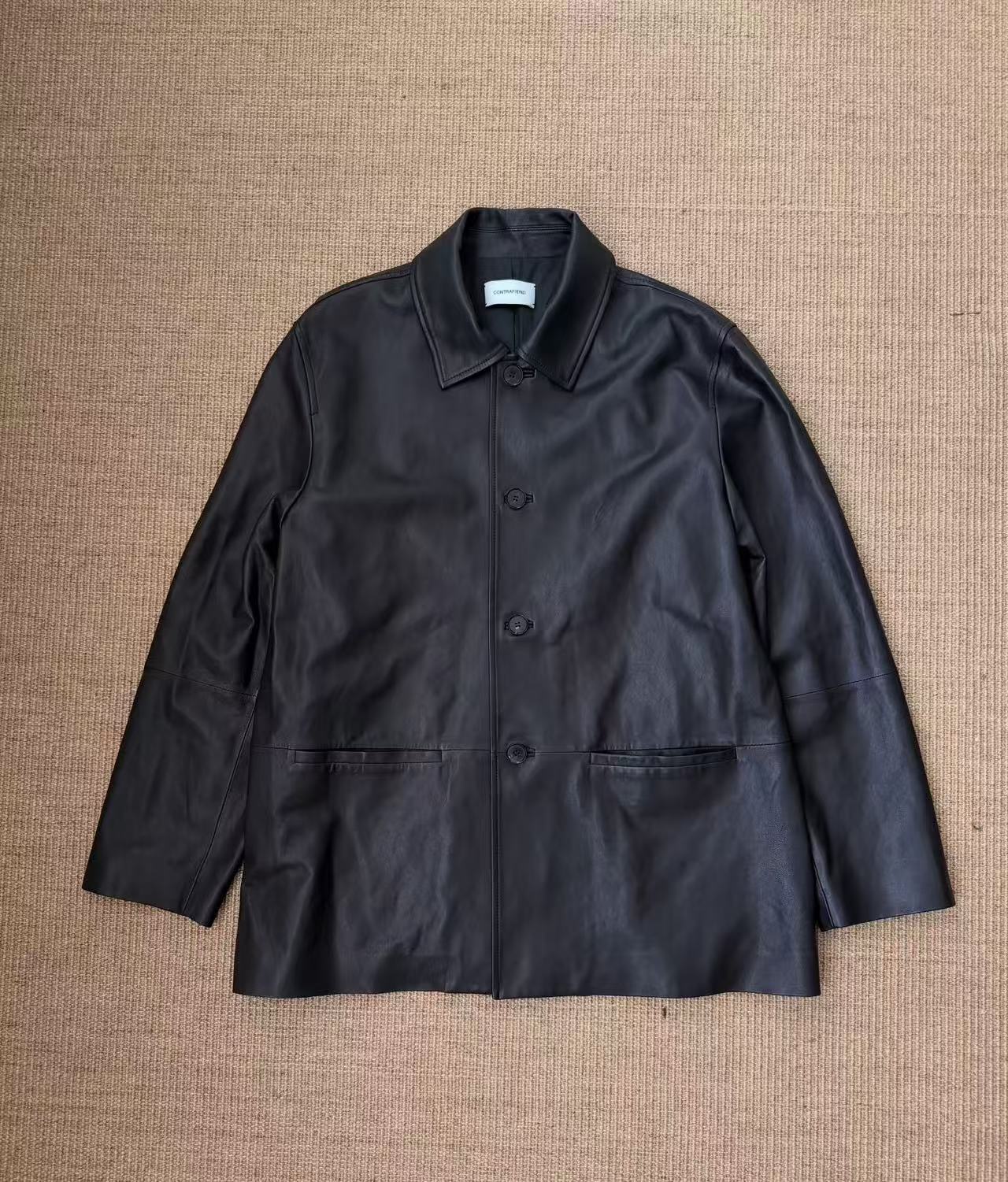
What is garment leather?
Discover what garment leather is and compare PU, PVC, and natural leather. Learn how comfort, breathability, durability, and cost affect your material choice.
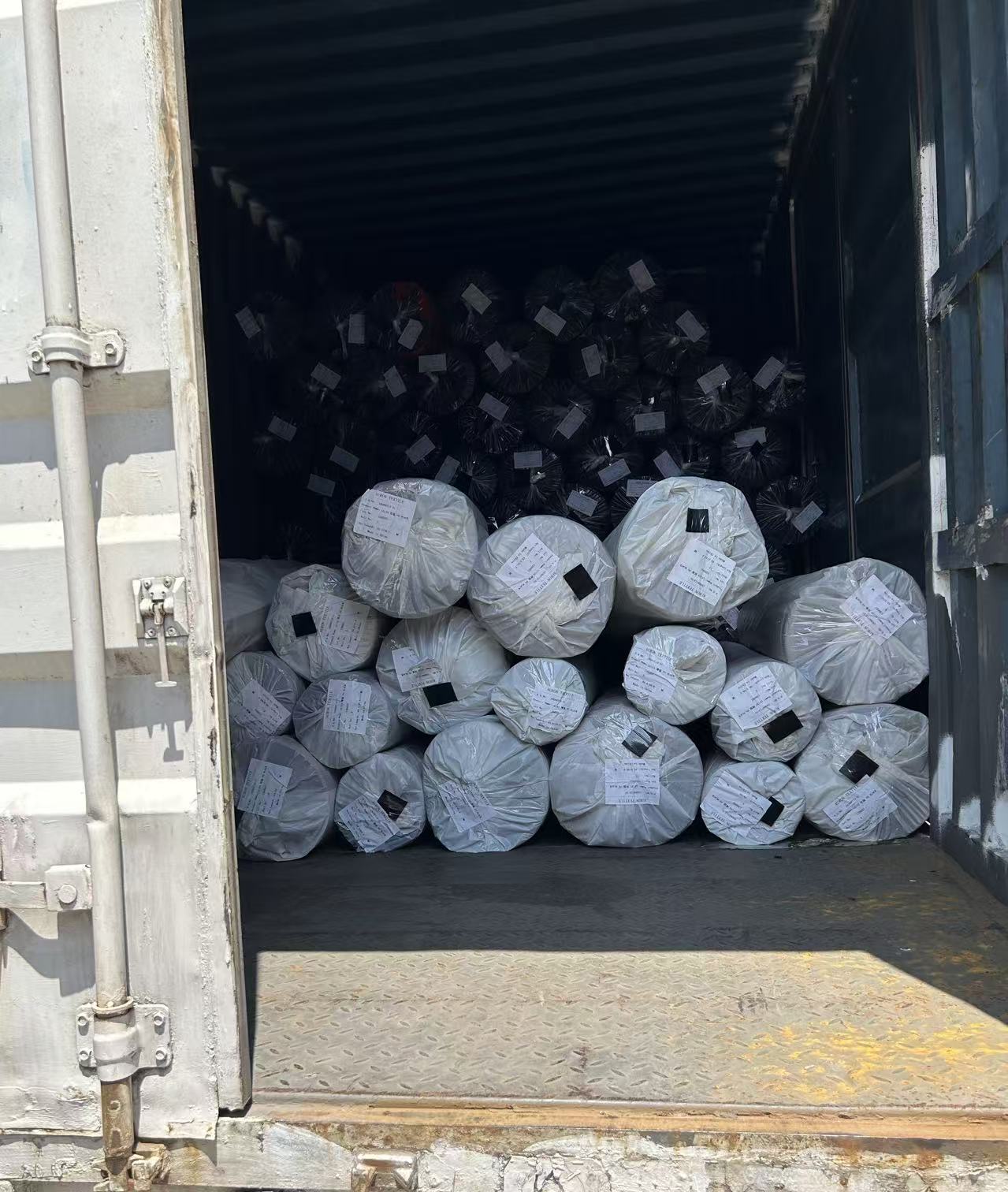
Can you provide special packaging when I import custom synthetic leather from China?
Learn how special packaging for custom synthetic leather can be arranged, including roll length, labels, plastic bags, markings, and shipping requirements.
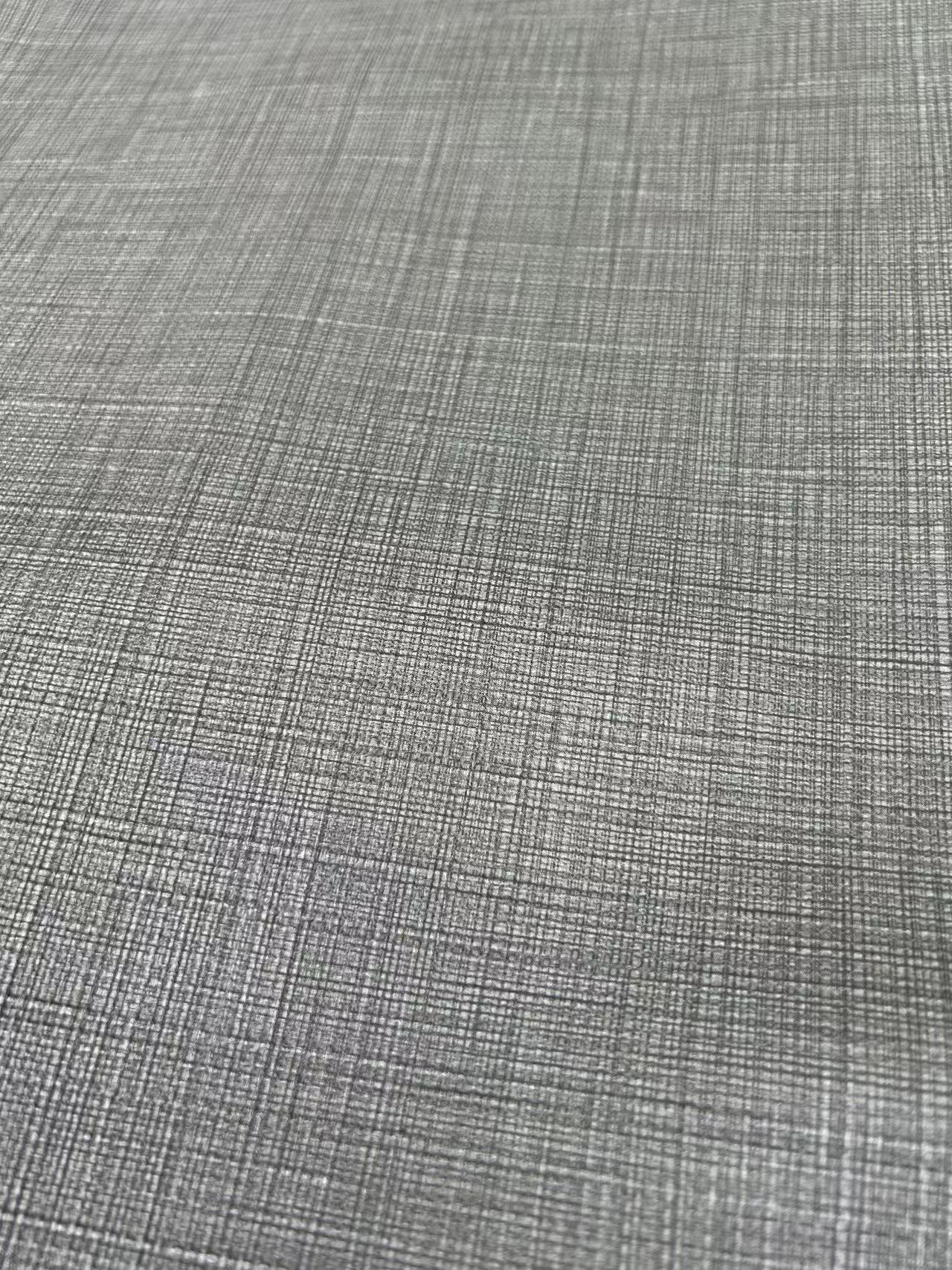
Can You Create a Custom Leather Grain Pattern When Importing Synthetic Leather from China?
Want a unique leather grain for your products? Discover how custom synthetic leather grain patterns are developed from samples using advanced vacuum texture transfer technology.