Can a Synthetic Leather Factory Really Create a Custom Leather Grain Pattern?
Many buyers believe they must choose from a factory’s existing grain library. That often means compromising on product design instead of creating something unique.
Experienced synthetic leather factories can create custom leather grain patterns based on physical samples, photos, sketches, or digital artwork while adjusting grain depth, size, and texture to meet project requirements.
The answer is absolutely yes.
Modern synthetic leather manufacturing offers far more flexibility than many buyers realize. Instead of selecting only from standard grain collections, manufacturers can develop completely new leather grain patterns based on your specific requirements.
Some customers send us a genuine leather sample they want to reproduce. Others provide only a high-resolution photo, a hand sketch, or even a design concept. Each serves as a valuable starting point for developing a new grain.
During development, factors such as grain depth, spacing, texture density, and overall visual style can all be adjusted. Whether you’re looking for a natural cowhide appearance, a fine fabric-like texture, a vintage distressed finish, or something entirely original, custom development makes it possible.
This flexibility is especially valuable for furniture manufacturers, automotive suppliers, handbag brands, and upholstery companies that want their products to look different from everyone else’s.
After all, customers may forget your price—but they’ll often remember a beautiful texture.
How Is a Custom Leather Grain Pattern Developed?
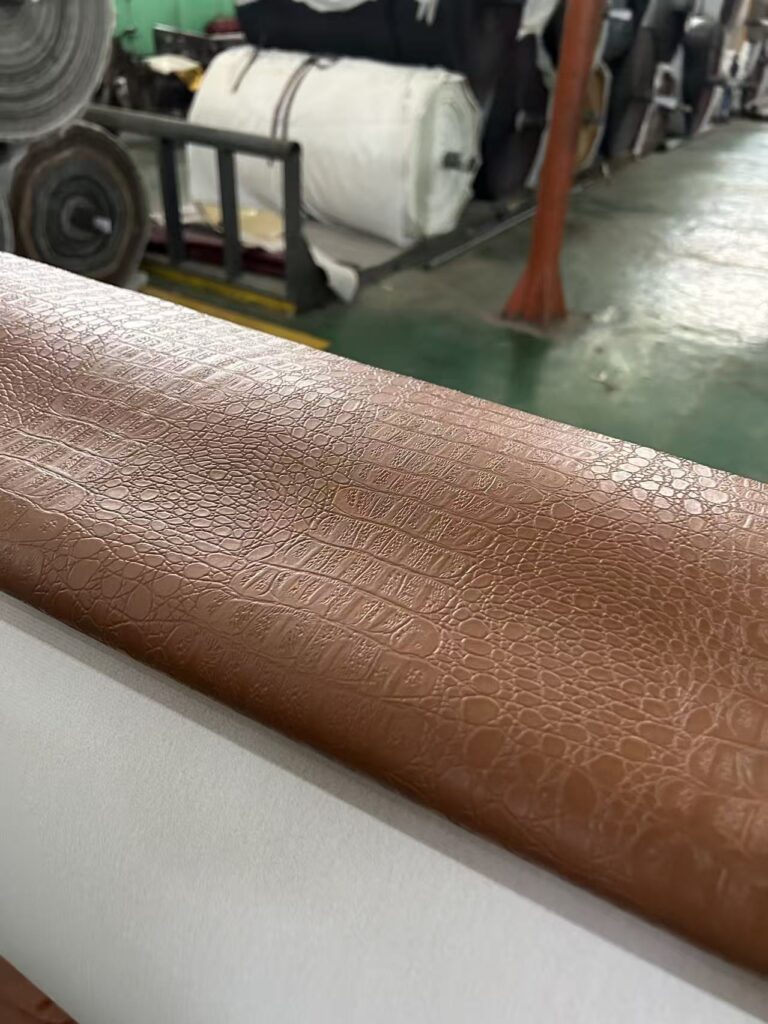
A great leather grain doesn’t appear overnight. Behind every successful pattern is a carefully planned development process.
Creating a custom leather grain involves evaluating the reference material, producing a custom texture roller, making trial samples, refining the design, and confirming approval before mass production.
Developing a custom leather grain follows a structured process designed to minimize risk and maximize accuracy.
Everything begins with your reference material. This could be an existing leather sample, a photograph, or a digital design showing the texture you want to achieve.
Our engineering team carefully studies the grain characteristics, including its depth, spacing, flow, and natural appearance. Based on this analysis, we create a custom texture roller specifically for your project.
Unlike traditional embossing, our production uses advanced vacuum texture transfer technology. This process allows the grain pattern to be transferred more naturally onto the surface without excessively compressing the material.
After the roller is completed, trial samples are produced for customer evaluation. Adjustments can be made to the texture, color, thickness, backing fabric, or surface finish until the sample fully meets expectations.
Only after customer approval does mass production begin.
A little extra preparation at this stage often prevents a lot of disappointment later.
Why Is Vacuum Texture Transfer Better Than Traditional Embossing?
Many buyers assume all leather textures are created using the same process. In reality, the manufacturing method has a significant impact on the final appearance.
Vacuum texture transfer produces deeper, more natural leather grain while maintaining material thickness, making it an excellent alternative to traditional embossing.
Traditional embossing creates texture by pressing heated rollers directly onto the material surface.
While this method has been used for many years, it has certain limitations. Heavy pressure may slightly reduce material thickness, and some fine grain details can become less natural.
At ZD Leather, we use vacuum texture transfer technology instead.
Instead of relying mainly on pressure, the vacuum process transfers the texture more evenly across the material surface. The result is a grain pattern that appears more realistic, more three-dimensional, and more consistent.
| Vacuum Texture Transfer | Traditional Embossing |
|---|---|
| More natural grain appearance | Grain may appear flatter |
| Better three-dimensional effect | Shallower texture |
| Maintains material thickness | Material may become slightly thinner |
| Excellent fine-detail reproduction | Small details may be reduced |
| More consistent surface quality | Greater variation under heavy pressure |
This technology is particularly suitable for premium faux leather used in furniture, automotive interiors, hospitality projects, and decorative applications where both appearance and consistency matter.
You could say the difference is like comparing a high-definition photograph with an old photocopy. Both show the same picture—but one clearly looks more alive.
Can You Match My Existing Leather Sample?
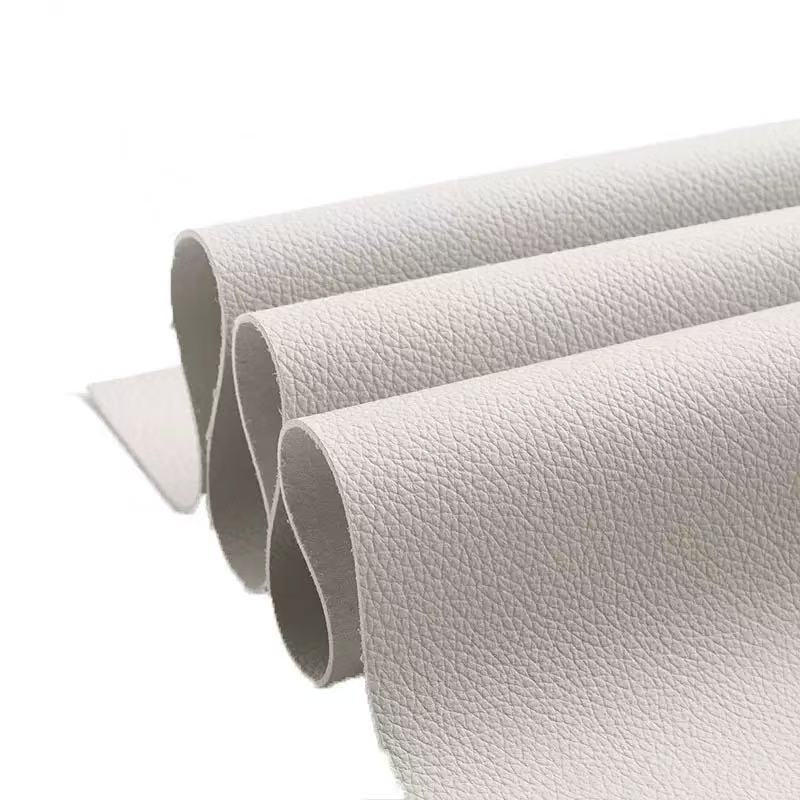
Replacing an existing leather material can be risky if the new texture doesn’t match the original product.
Most experienced manufacturers can closely reproduce existing leather grain patterns when buyers provide clear reference samples and detailed specifications.
This is one of the questions we receive most often.
The answer is yes—but with one small clarification.
If you provide a physical leather sample, we can usually develop a grain pattern that closely matches its appearance. High-quality photographs can also be helpful, although physical samples generally produce more accurate results.
Besides the grain itself, buyers should also provide information such as:
- Material thickness
- Surface finish
- Color reference
- Backing fabric
- Product application
The more complete the information, the more accurately the final synthetic leather can match your expectations.
For genuine leather samples, it’s important to remember that every hide is naturally unique. Creating a 100% identical reproduction isn’t always realistic.
However, experienced manufacturers can usually achieve a very close visual match that satisfies commercial production requirements.
The goal isn’t perfection under a microscope—it’s consistency where your customers actually notice it.
How Long Does Custom Grain Development Take?
Many buyers only consider production time and forget that custom development requires preparation before manufacturing begins.
Custom grain development includes texture roller production, sample making, customer approval, and production planning before full manufacturing starts.
Developing a new leather grain requires several important steps before bulk production can begin.
First, engineers analyze the reference material and prepare the custom texture roller.
Next comes sample production. Buyers review the sample carefully, checking the texture, color, thickness, backing fabric, and overall appearance.
If adjustments are needed, another sample can be produced until the desired result is achieved.
Only after final approval is received does the project move into mass production.
Although this process requires additional time at the beginning, it greatly reduces the risk of quality disputes and costly production changes later.
Experienced buyers understand that investing a little more time before production often saves weeks of unnecessary delays after production.
Good preparation is usually much faster than fixing mistakes.
What Information Should Buyers Prepare Before Starting?
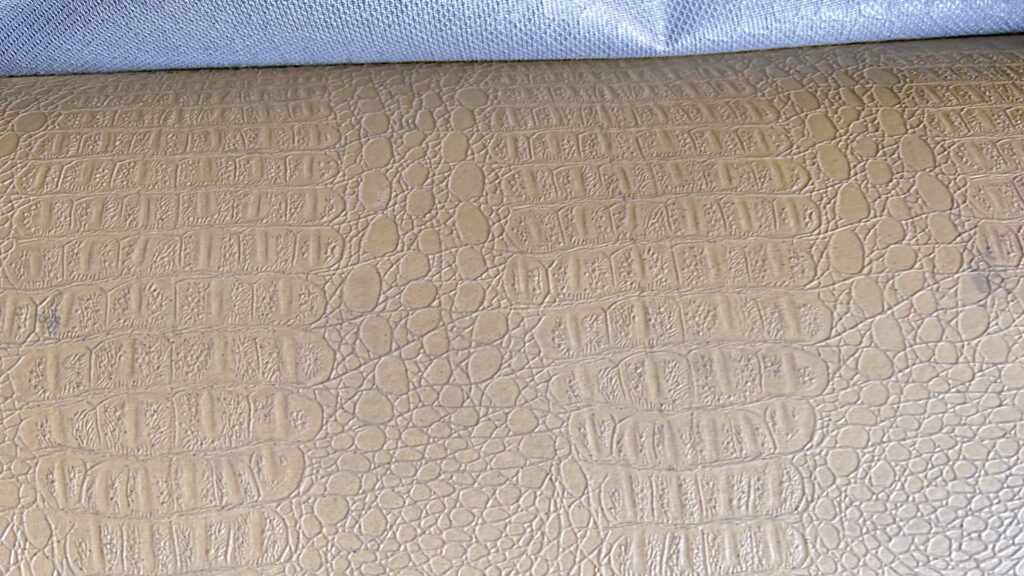
A successful custom project starts with good communication, not just good manufacturing.
Providing samples, preferred grain style, thickness, color, backing fabric, and application information helps manufacturers develop more accurate custom leather patterns.
Before starting a custom development project, buyers can speed up the entire process by preparing a few essential details.
A physical sample is always the best reference whenever possible.
In addition, buyers should specify:
- Preferred grain style
- Material thickness
- Color requirements
- Surface finish
- Backing fabric
- Product application (furniture, automotive, handbags, wall panels, etc.)
- Expected order quantity
This information allows engineers to recommend the most suitable production solution while avoiding unnecessary revisions.
The clearer the project requirements are at the beginning, the smoother every step becomes afterward.
Think of it like giving directions to a taxi driver. The clearer the destination, the less likely you’ll end up somewhere unexpected.
Why Does Choosing the Right Manufacturer Matter?
Creating one beautiful grain pattern is impressive. Reproducing it consistently for every shipment is what truly separates experienced manufacturers from the rest.
Reliable synthetic leather manufacturers combine advanced production technology, stable quality control, and experienced engineering teams to deliver consistent custom grain patterns across every production batch.
Developing a custom leather grain is only the beginning.
The real challenge is maintaining that same appearance throughout future production batches.
At ZD Leather, our vacuum texture transfer technology, experienced engineering team, and strict quality control system help ensure that every shipment delivers the grain consistency our customers expect.
With more than 16 years of manufacturing experience, we support OEM and ODM projects for furniture manufacturers, automotive suppliers, leather distributors, and commercial brands across the world.
Whether you need faux leather, PVC leather, PU leather, or other artificial leather materials, our goal is not simply to manufacture synthetic leather.
Our goal is to help customers create products that look distinctive, perform consistently, and strengthen their brands.
Because in today’s competitive market, a unique leather grain isn’t just a texture—it’s part of your product’s identity.
Conclusion
Custom leather grain development gives buyers the freedom to create products that stand out in the market. With advanced vacuum texture transfer technology and experienced manufacturing support, custom synthetic leather becomes easier to develop, easier to reproduce, and easier to trust.
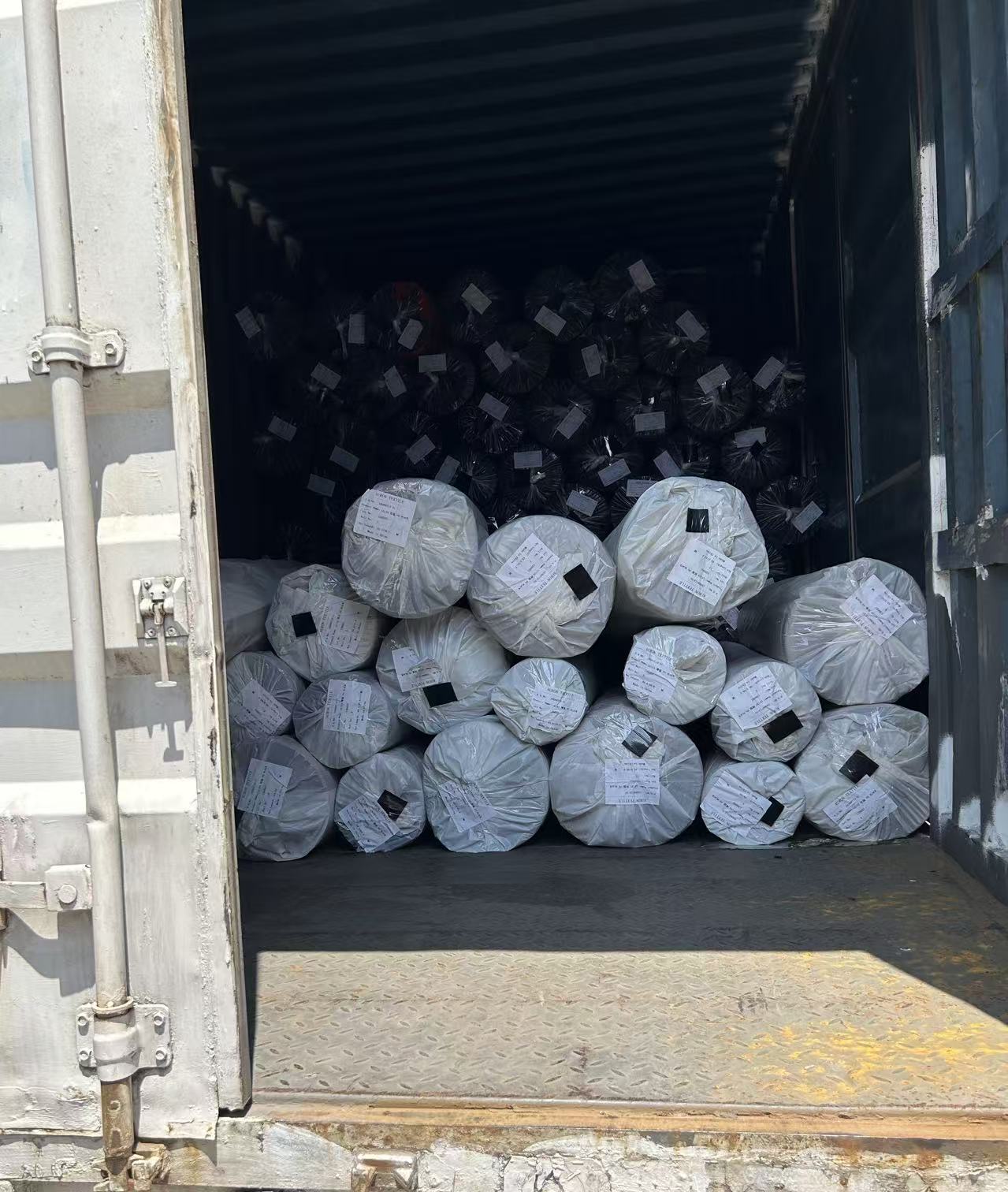
Can you provide special packaging when I import custom synthetic leather from China?
Learn how special packaging for custom synthetic leather can be arranged, including roll length, labels, plastic bags, markings, and shipping requirements.
Sea Freight or Air Freight for Synthetic Leather: Which Should You Choose?
Not sure whether to ship synthetic leather by sea or air? Compare costs, transit times, advantages, and practical tips to choose the best shipping method for your business.
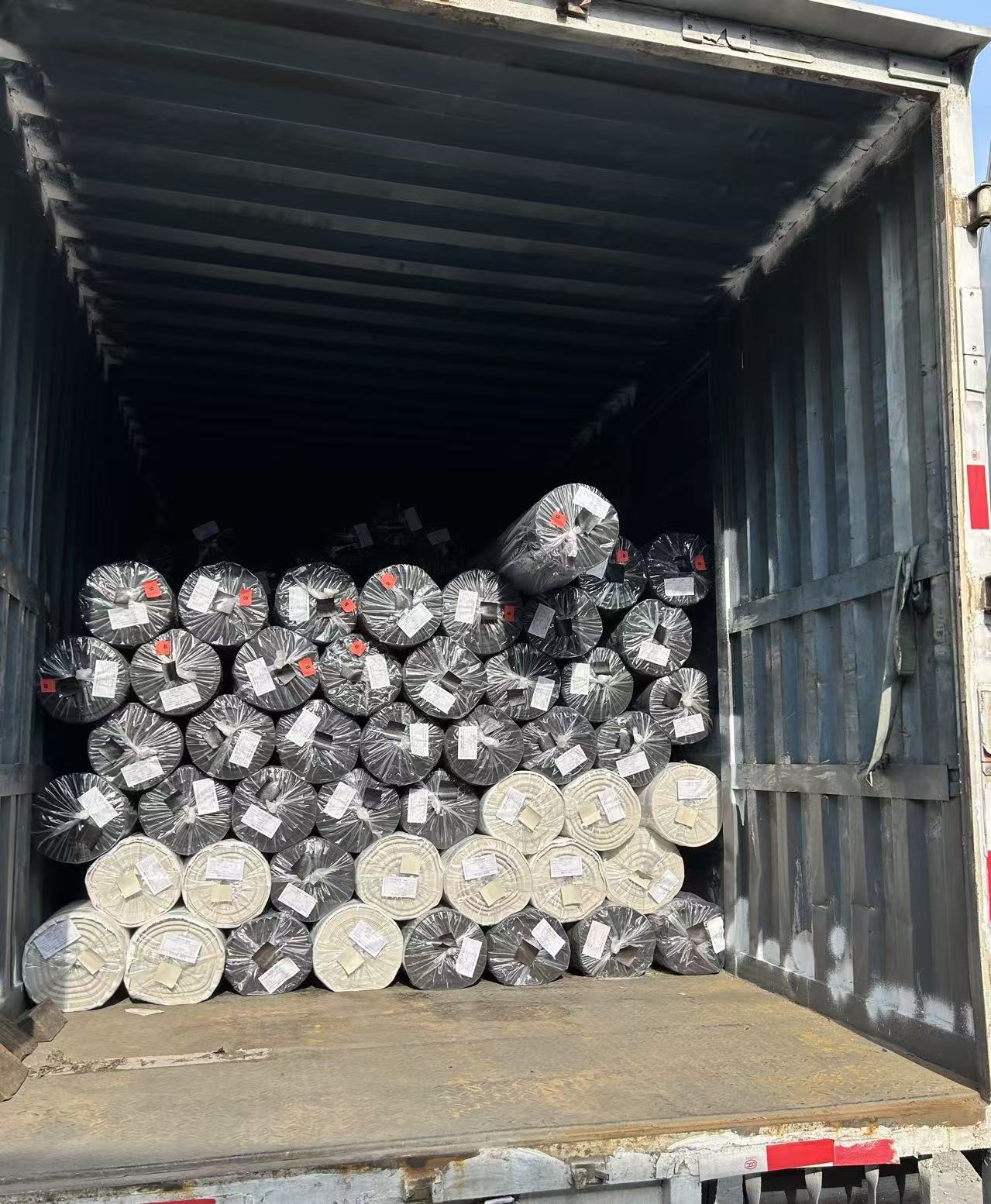
How to Estimate Shipping Cost for Faux Leather Rolls
Wondering how much it costs to ship faux leather rolls? Learn the key factors affecting freight costs and how to estimate shipping expenses accurately.